For years, full-frame was the summit every photographer aimed for. But a new generation of mirrorless medium format cameras from Fujifilm and Hasselblad now sits one rung higher, promising more resolution, richer tones, and a “look” full-frame supposedly cannot match. The question every serious shooter eventually asks: is upgrading to medium format actually worth the money? The honest answer depends less on the spec sheet than on what you shoot — and where your current camera is genuinely holding you back.
What “Medium Format” Means in the Digital Era
On film, medium format meant 120 roll film. In the digital world it is a family of sensors larger than full-frame. A full-frame sensor measures 36 × 24 mm, with a diagonal of about 43.3 mm. The “mini” medium format used by the Fujifilm GFX and Hasselblad X systems measures roughly 43.8 × 32.9 mm — about 1.7× the surface area of full-frame, with a diagonal near 55 mm. Phase One’s flagship backs go further still, to 53.4 × 40 mm.
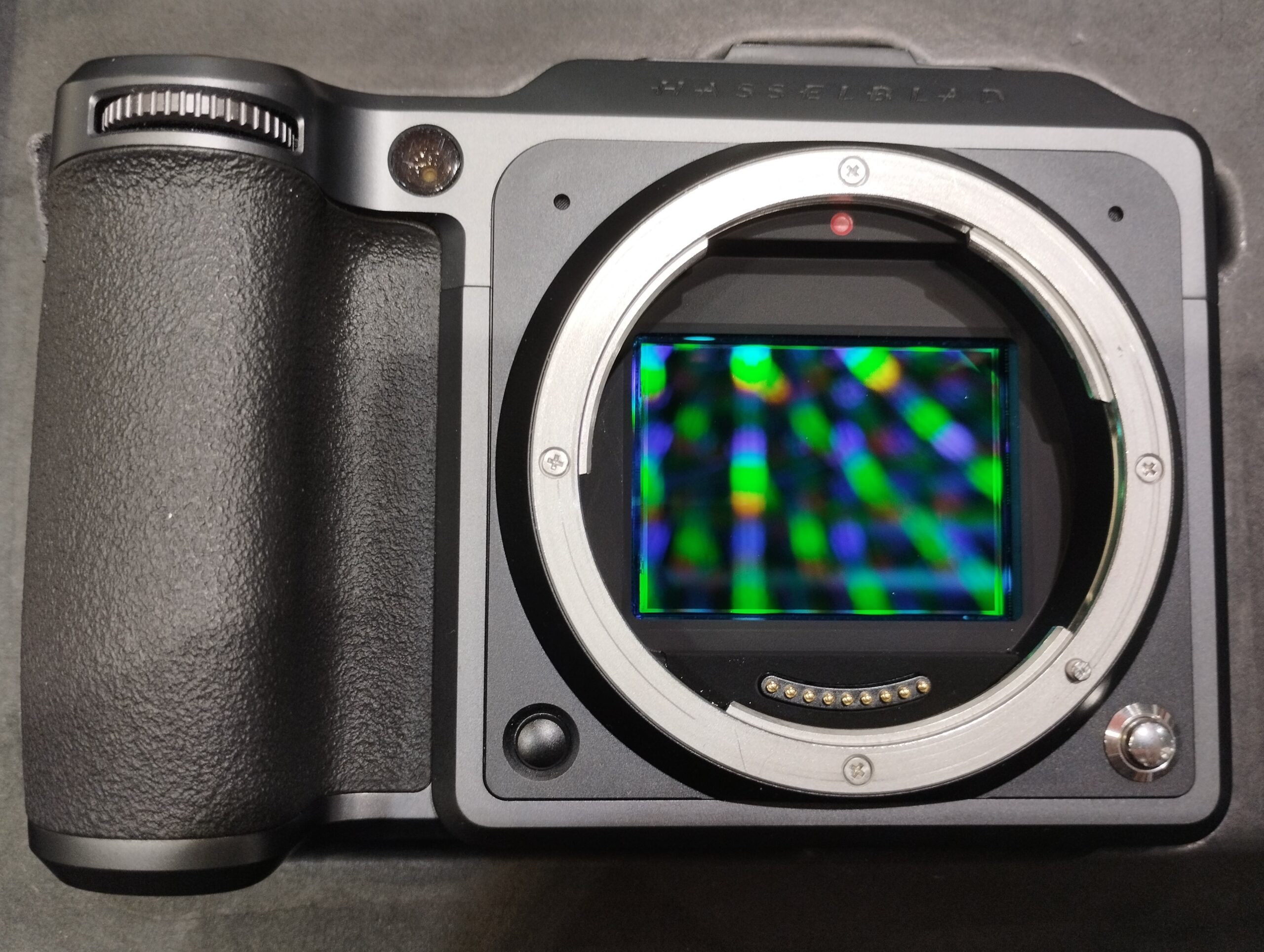
That extra area matters in two ways. First, resolution: the Fujifilm GFX 100 II and Hasselblad X2D 100C pack 100–102 megapixels into those larger chips, outpacing the 45–61 MP of full-frame flagships like the Canon EOS R5, Nikon Z8, and Sony a7R V. Second, pixel pitch: those 100 MP sit on a physically bigger sensor, so each photosite gathers more light, which translates into lower read noise and cleaner shadow recovery.
What Medium Format Gives You That Full-Frame Can’t
Three advantages show up consistently in real-world shooting. Dynamic range and tonal smoothness come first — the Hasselblad X2D 100C records 16-bit raw files with a claimed 15 stops of dynamic range, and its larger sensor renders gentle tonal roll-offs that hold together in big prints. Second, depth of field: because medium format is roughly a 0.79× crop relative to full-frame, you use a longer focal length for the same framing, which yields a shallower depth of field at a given aperture — a subtler, creamier falloff that portrait and studio shooters notice. Third, huge print sizes: at 100 MP you can crop aggressively or print beyond 30 × 40 inches without the file falling apart.
Where Full-Frame Still Wins
Here is the part the marketing slides past. Full-frame is dramatically faster and more versatile. The Sony a7R V shoots 10 fps with class-leading autofocus; the GFX 100 II manages about 8 fps, while the Hasselblad X2D 100C tops out near 3.3 fps and has no video mode at all. Full-frame lens catalogs are far deeper and cheaper — Sony’s E-mount alone numbers in the hundreds — whereas GFX and XCD lenses are fewer, larger, and pricier. Bodies are lighter, batteries last longer, and the price gap is stark: a Sony a7R V or Nikon Z8 runs around $3,500–$4,000, while a Fujifilm GFX 100 II is roughly $7,500 and the Hasselblad X2D 100C about $8,200 — before you buy a single lens.
Who Should Actually Upgrade?
Upgrade if you are a studio, landscape, or fine-art shooter who sells large prints, needs maximum dynamic range and resolution, or photographs subjects that do not move fast. The slower autofocus, heavier kit, and higher cost are all trade-offs that vanish when image quality is the entire job.
Skip it if you shoot events, weddings, sports, wildlife, or video — anything where speed, autofocus, lens range, and handling decide whether you get the shot at all. For most enthusiasts, a high-resolution full-frame body delivers 90% of the medium-format look at a fraction of the cost, and the difference only reveals itself at print sizes most people never make.
Verdict
Medium format is real, and it is better — but only in the ways that matter to a narrow slice of photographers. For pure image quality, dynamic range, and tonal depth, nothing at full-frame touches a 100 MP GFX or Hasselblad. For everything else, full-frame remains the smarter, faster, and far cheaper choice. If you have to ask whether you need it, you probably don’t — yet.
FAQ
Is medium format sharper than full-frame?
Not automatically. At web and moderate print sizes the difference is invisible. Medium format’s advantage is resolution headroom, dynamic range, and tonality — benefits that only show at very large print sizes or in heavy crops.
Do I need new lenses for medium format?
Yes. Fujifilm GFX uses the G-mount and Hasselblad uses XCD lenses; neither works with existing full-frame glass. Budget for at least one or two lenses on top of the body.
Is a 61 MP full-frame camera “medium format quality”?
Close. A 61 MP Sony a7R V matches medium format for pixel count at a lower price, with better autofocus and speed. What it cannot replicate is the larger sensor’s dynamic range and depth-of-field character.
Related Posts
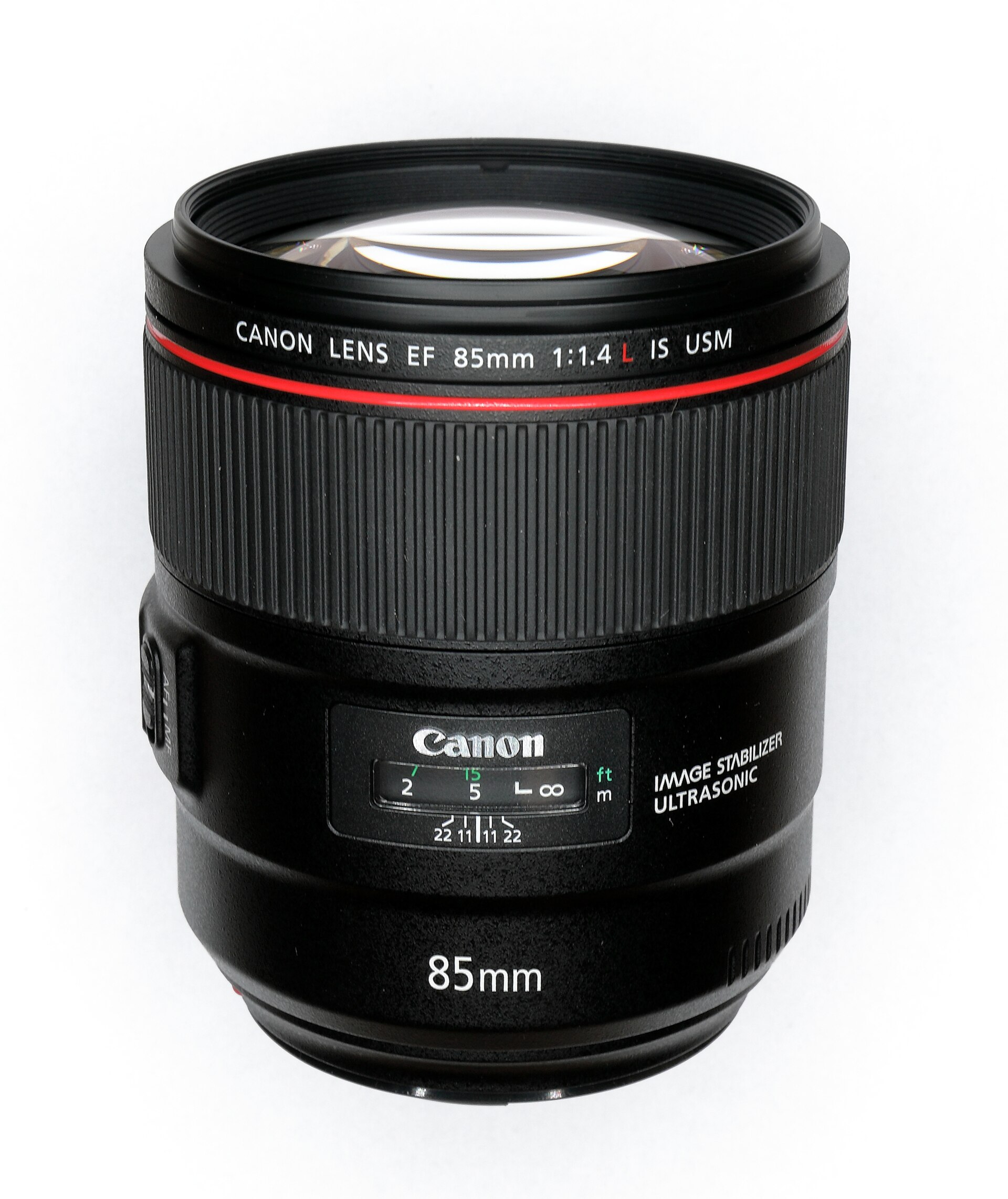
Best Lenses for Portrait Photography: A Complete Buying Guide
The 85mm prime is the classic portrait lens. Image: C.Stadler/Bwag…
Best Cameras for Landscape Photography (2025 Buying Guide)
Landscape photography is a test of patience and detail. The…
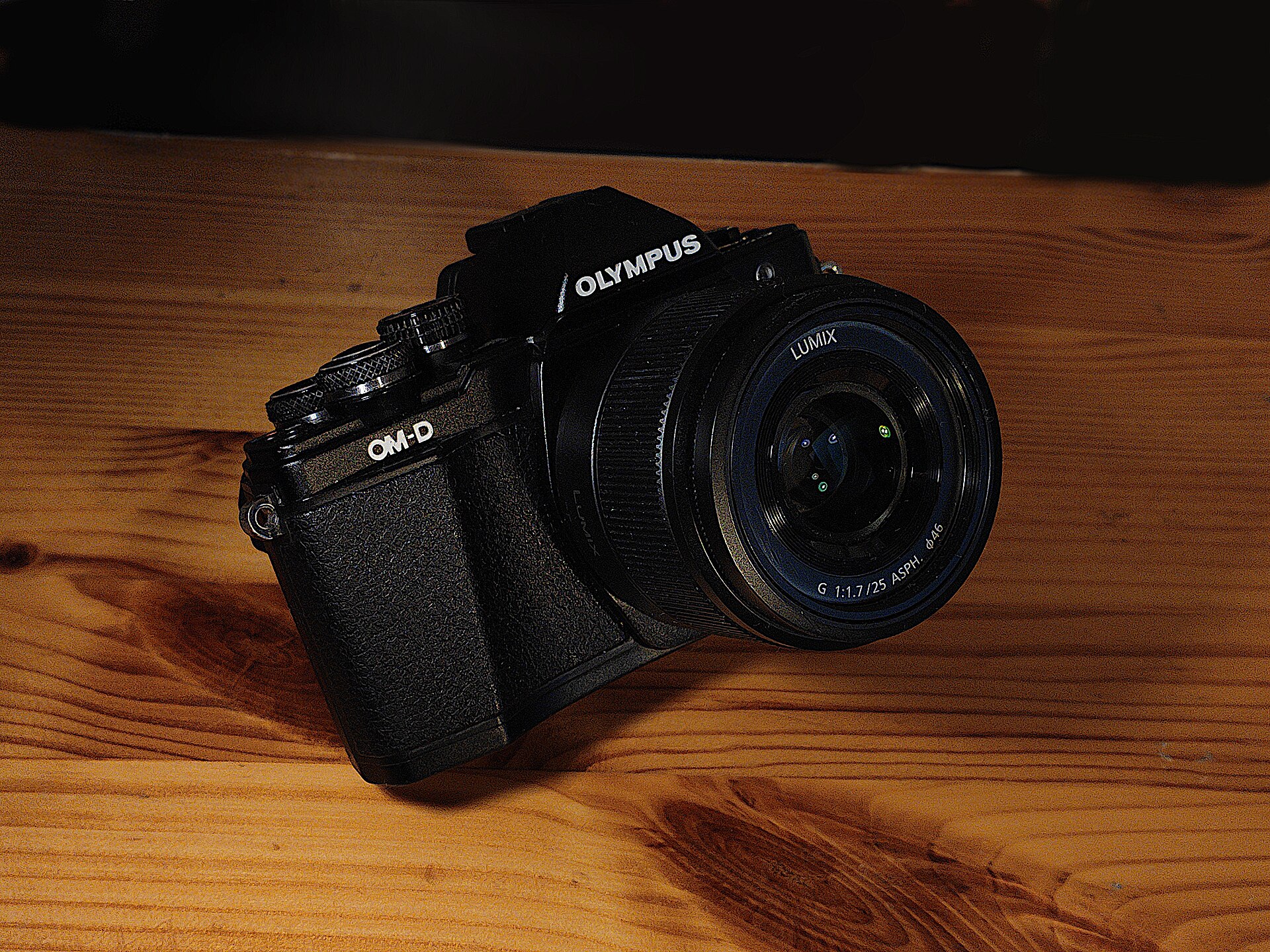
Best Mirrorless Cameras Under $1000 in 2026: Top Picks for Every Shooter
The sub-$1000 mirrorless market in 2026 is the sweet spot…