Buying your first “real” camera is a milestone, and 2026 is a great time to make the leap. Mirrorless cameras have matured, autofocus is now fast enough to track a running pet without you thinking about it, and even entry-level bodies shoot sharp 4K video and pair with your phone for instant sharing. But with dozens of models from Canon, Sony, Fujifilm, Nikon and others, the choice can feel overwhelming. This guide narrows it down to five beginner-friendly cameras across budgets and use cases, plus one budget DSLR worth a look. We stick to real-world specs and the features that actually matter when you’re learning.
How to Choose Your First Camera
Before you compare models, decide what matters most for how you’ll shoot. A few quick rules of thumb:
- Sensor size: An APS-C sensor is the sweet spot for beginners — much larger than a phone’s sensor, so you get real background blur and better low-light results, without the size and cost of full-frame.
- Lenses: Buy into a system you can grow with. An interchangeable-lens body lets you add a portrait prime or a telephoto later instead of buying a whole new camera.
- Autofocus and touchscreen: Modern subject-detection autofocus quietly removes the hardest part of photography. A fully articulating touchscreen helps for selfies and vlogging.
- Video: If you plan to film, look for 4K and a flip screen. If you’re stills-only, don’t overpay for video features you won’t use.
Best Overall for Beginners: Canon EOS R50
The Canon EOS R50 is our top all-round pick. It pairs a 24.2-megapixel APS-C sensor with Canon’s Dual Pixel CMOS AF II, which detects and tracks people, animals and vehicles automatically — ideal when you’re still learning to keep a subject in frame. It shoots 4K video at 30p oversampled from 6K, so footage looks crisp, and the fully articulating touchscreen makes self-recording easy. At roughly $679 and under 400 grams, it’s light enough to carry everywhere yet powerful enough to grow with you for years. If you want a step up in speed (4K/60p and faster burst shooting), the Canon EOS R10 is the natural upgrade.
Best Budget Pick: Canon EOS R100
If you want to dip a toe in without spending much, the Canon EOS R100 is the best budget mirrorless in the lineup. Around $479, it delivers a 24.1-megapixel APS-C sensor, guided automatic modes, and the full RF mount — meaning every RF and RF-S lens works natively when you’re ready to expand. Video tops out at 4K/24p with a crop, so serious videographers should look elsewhere, but for stills, family photos and everyday practice it’s a genuine bargain that punches well above its price.
Best for Fast Autofocus and Value: Sony a6400
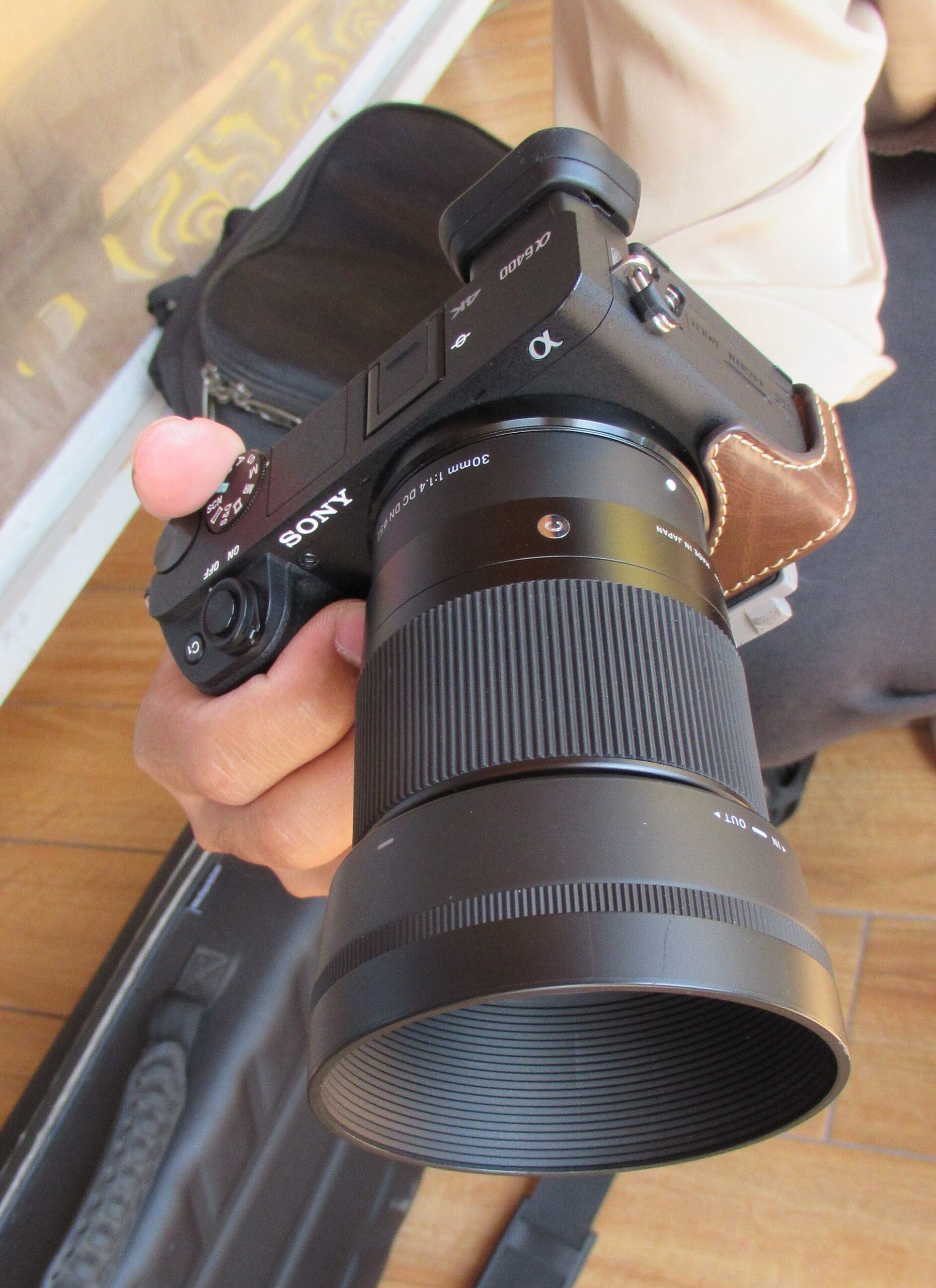
The Sony a6400 remains one of the best-value beginner cameras in 2026. Its claim to fame is autofocus: real-time tracking and eye autofocus lock on almost instantly and rarely miss, which is a huge confidence boost when you’re starting out. The compact APS-C body is easy to carry for travel, street and family shooting, and Sony’s E-mount offers a huge range of affordable lenses. Two honest caveats: it lacks in-body image stabilization, and the small grip can feel cramped in larger hands. Even so, for fast, reliable results it’s hard to beat.
Best for Learning Manual Controls: Fujifilm X-T30 II
If you learn best by doing, the Fujifilm X-T30 II is a joy to grow with. Its retro design puts dedicated dials for shutter speed, exposure compensation and aperture right on the body, so you can see and feel how each setting changes your image instead of digging through menus. A 26.1-megapixel APS-C X-Trans sensor produces Fujifilm’s much-loved color, and there’s a full automatic mode plus a built-in flash for when you just want a quick shot. It’s a camera that teaches you photography as you use it — and looks great doing it.
Best for Vlogging and Video: Sony ZV-1
For creators who mostly shoot video, the Sony ZV-1 is purpose-built for the job. It uses a 20.1-megapixel 1-inch stacked sensor and a 24–70mm-equivalent f/1.8–2.8 Zeiss lens, recording 4K at 30p with full-pixel readout. The side-flip touchscreen faces forward for self-framing, a built-in three-capsule directional microphone captures clear audio, and features like Background Defocus and Product Showcase modes handle the focus pulls that trip up vloggers. If you want a pocketable camera that makes talking-head and on-the-go video simple, this is the one.
What About a Budget DSLR?
Mirrorless dominates, but a used or discounted DSLR like the Nikon D3500 is still a smart budget option. Its 24-megapixel APS-C sensor and guided “Guide Mode” walk newcomers through settings step by step, and optical-viewfinder DSLRs tend to offer excellent battery life. The trade-off is size and a slower live-view experience — fine for stills, less ideal for video.
Conclusion
There’s no single “best” beginner camera — the right one matches how you shoot. For most people, the Canon EOS R50 is the safest all-round bet, the R100 wins on price, the Sony a6400 on autofocus, the Fujifilm X-T30 II on hands-on learning, and the Sony ZV-1 on video. Whichever you choose, the most important step is simple: get a camera, start shooting, and let the practice do the teaching.
Frequently Asked Questions
Should a beginner buy a mirrorless camera or a DSLR?
In 2026, mirrorless is the better default: it’s lighter, autofocus is faster, and it’s where manufacturers are putting their new lenses. A DSLR only makes sense if you find one at a steep discount.
Do I need a full-frame camera as a beginner?
No. APS-C sensors deliver excellent quality and background blur at a fraction of the cost and weight. Upgrade to full-frame later only if your work demands it.
What lens should a beginner start with?
Start with the bundled kit zoom (typically 18–45mm or 16–50mm), then add an affordable prime like a 35mm or 50mm f/1.8 to learn composition and shallow depth of field.
Related Posts
Smartphone vs Mirrorless vs DSLR — Which Camera to Buy in 2026?
In 2026, the question "which camera should I buy?" has…
Best Smartphone Cameras in 2026: Top Camera Phones for Every Budget
Smartphone cameras have quietly replaced the dedicated point-and-shoot for most…
Best Mirrorless Cameras Under $1000 in 2026: Top Picks for Every Shooter
The sub-$1000 mirrorless market in 2026 is the sweet spot…