Disclosure: This article contains affiliate links. If you buy through them, we may earn a commission at no extra cost to you.
The Sony FE 70-200mm f/2.8 GM OSS II is the lens that proved a flagship telephoto zoom doesn’t have to feel like a workout. When Sony reworked its iconic G Master telephoto in late 2021, it stripped out nearly a third of the weight — from 1,480 g down to just 1,045 g — while adding four linear autofocus motors, a de-clickable aperture ring, and a fully redesigned optical path. The result is widely regarded as one of the best 70-200mm f/2.8 lenses ever made for any mount. Here’s how it holds up in 2026.
What Makes the Sony 70-200mm f/2.8 GM OSS II Special
This is Sony’s halo fast telephoto zoom, and almost every part of it was redesigned for the Mark II:
- 1,045 g (2.3 lb) — the lightest full-frame 70-200mm f/2.8 on the market, roughly 29% lighter than the original GM.
- Four XD linear motors driving two focus groups independently, for autofocus up to 4× faster than the first generation.
- 17 elements in 14 groups with XA and Super ED glass for corner-to-corner sharpness, even wide open.
- 11-blade rounded aperture for smooth, circular bokeh at every focal length.
- De-clickable aperture ring and dramatically reduced focus breathing for video shooters.
- Dust- and moisture-resistant construction with a fluorine-coated front element.
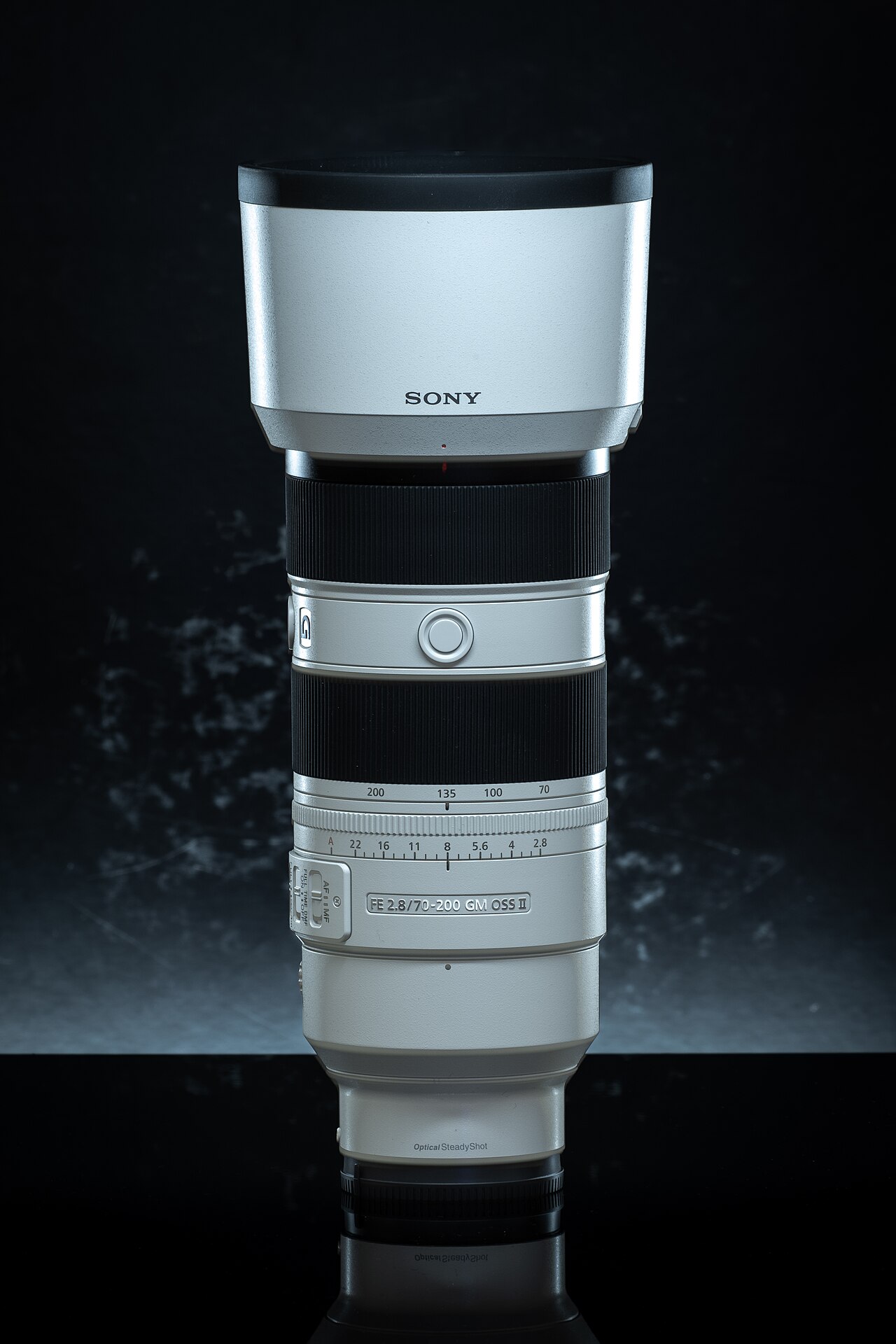
Image Quality
The Mark II’s optical redesign leans on Sony’s highest-end glass: one XA (extreme aspherical) element, an ED aspherical element (a first for the Alpha system), two ED and two Super ED elements, all topped with Sony’s Nano AR Coating II. The payoff is resolution that stays sharp across the frame and across the zoom range — at f/2.8, no less. Stopping down buys a little extra contrast, but realistically you can use the aperture to control depth of field rather than chase sharpness. Reviewer Dustin Abbott called it “the finest 70-200mm F2.8 zoom I’ve tested on any platform,” and the 11-blade aperture keeps out-of-focus highlights round and creamy rather than hard-edged.
Autofocus & Speed
Autofocus is the headline upgrade. Four XD linear motors drive two focusing groups independently, which Sony rates up to 4× faster than the original, with around 30% faster focus tracking while zooming. The motors are fast, accurate and effectively silent. Because it’s a first-party Sony lens, it unlocks full burst speeds on the Alpha 1 and a9 III (third-party lenses are capped at 15 fps), making it the go-to pairing for sports and wildlife shooters who need every frame.
Video
Sony clearly had hybrid shooters in mind. The aperture ring can be set to a click-less position for silent exposure pulls, focus breathing and focus shift are dramatically reduced, and the Linear Response MF system gives the focus ring a consistent, natural feel. On supported bodies, the lens also works with Sony’s in-camera breathing-compensation feature — a detail that matters a lot for run-and-gun documentary and event work.
Design & Handling
The weight cut is the thing you notice first: at 1,045 g it balances far better on a body than the 1,480 g original, and the more center-weighted design makes it steadier on a gimbal or monopod. Around the barrel you get a physical aperture ring (with an “A” position and iris lock), three focus-hold buttons, a focus range limiter, and Optical SteadyShot with a dedicated Mode 3 panning setting. The tripod collar is removable and rotates, and the whole assembly is sealed against dust and moisture. About the only ergonomic nitpick is the tripod foot, which isn’t Arca-Swiss compatible out of the box.
Full Specifications
| Specification | Detail |
|---|---|
| Mount | Sony E-mount (full-frame) |
| Focal length | 70–200mm |
| Maximum aperture | f/2.8 (constant) |
| Minimum aperture | f/22 |
| Optical design | 17 elements / 14 groups |
| Special elements | XA, ED aspherical, 2 ED, 2 Super ED |
| Aperture blades | 11 (rounded) |
| Autofocus | 4 × XD linear motors |
| Stabilization | Optical SteadyShot (OSS) |
| Minimum focus distance | 0.4 m (at 70mm) |
| Filter size | 77mm |
| Dimensions | 88 × 200 mm (3.46 × 7.87 in) |
| Weight | 1,045 g (2.3 lb) |
| Sealing | Dust- and moisture-resistant |
| Teleconverters | Compatible with 1.4× and 2× |
Comparison: 70-200mm f/2.8 GM II vs the Rivals
| Feature | Sony 70-200mm GM II | Sony 70-200mm GM (original) | Tamron 70-180mm f/2.8 |
|---|---|---|---|
| Weight | 1,045 g | 1,480 g | 810 g |
| Aperture blades | 11 | 11 | 9 |
| Filter size | 77mm | 77mm | 67mm |
| Min. focus distance | 0.4 m | 0.96 m | 0.85 m |
| Stabilization | OSS | OSS | None |
| Approx. street price | ~$3,098 | ~$2,000 (discounted) | ~$1,199 |
The original 70-200mm GM has been discounted heavily since the Mark II arrived, and the Tamron 70-180mm f/2.8 is the value pick if you can live without stabilization and the last 20mm of reach. But for first-party speed, build and sharpness, the GM II is in a class of its own.
Verdict
The Sony FE 70-200mm f/2.8 GM OSS II is expensive — there’s no way around that. But it’s the rare flagship that earns its premium: it’s lighter, faster to focus and optically superior to the lens it replaces, with video features that make it genuinely hybrid-ready. If you shoot Sony full-frame and a fast telephoto zoom is in your future, save a little longer and buy this one. The only real drawbacks are the price and an occasional tendency to flare in harsh backlight. For everything else, it’s the benchmark.
What Amazon Buyers Say
At the time of writing, the lens holds a 4.8 out of 5 rating from 289 global ratings on Amazon — a notably strong score even by G Master standards.
| Star Rating | Share of Reviews |
|---|---|
| ★★★★★ | 93% |
| ★★★★☆ | 2% |
| ★★★☆☆ | 1% |
| ★★☆☆☆ | 1% |
| ★☆☆☆☆ | 3% |
Amazon serves individual review text dynamically, so the snapshot above reflects the live rating profile. The distribution is telling: 93% of buyers awarded five stars, with the remaining 7% spread thin across the lower bands — overwhelmingly consistent with the sharpness, autofocus and weight advantages independent reviewers report. You can read the full, up-to-date buyer reviews on the Amazon reviews page.
FAQ
Is the 70-200mm f/2.8 GM II compatible with teleconverters?
Yes. It pairs with Sony’s 1.4× (becoming a 98-280mm f/4) and 2× (140-400mm f/5.6) teleconverters, both of which preserve autofocus and stabilization.
Does it work on APS-C Sony cameras?
Yes — it’s an E-mount lens, so on an a6700-class body it mounts natively and behaves like a 105-300mm full-frame equivalent, making it a strong option for wildlife and motorsport on crop bodies.
Should I buy the original 70-200mm GM instead to save money?
The original is heavily discounted (around $2,000) and still excellent, but the Mark II is meaningfully lighter, faster-focusing and sharper, with much better video behavior. If your budget stretches, the GM II is the better long-term buy.
Related Posts
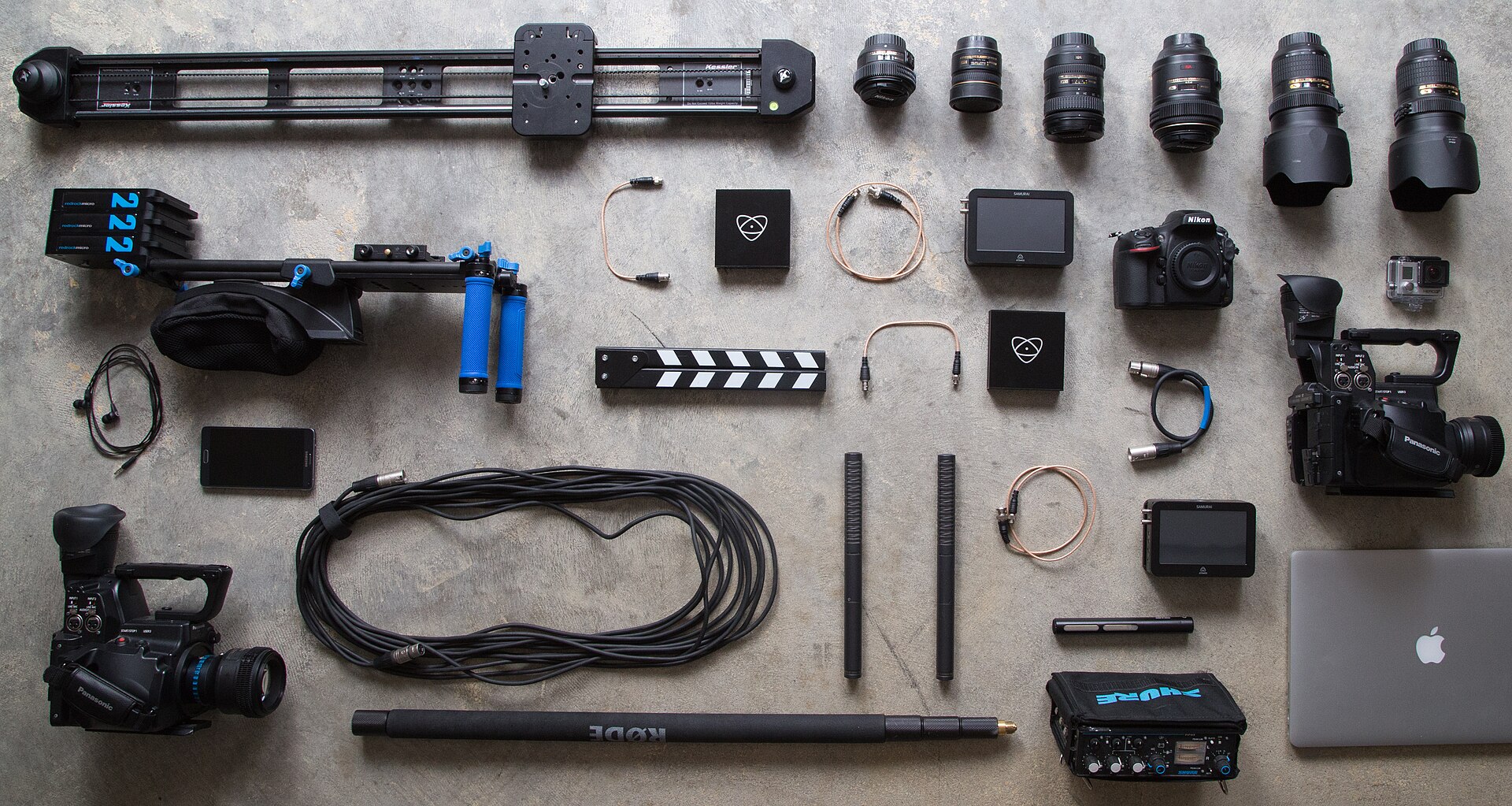
Smartphone vs Mirrorless vs DSLR — Which Camera to Buy in 2026?
In 2026, the question "which camera should I buy?" has…
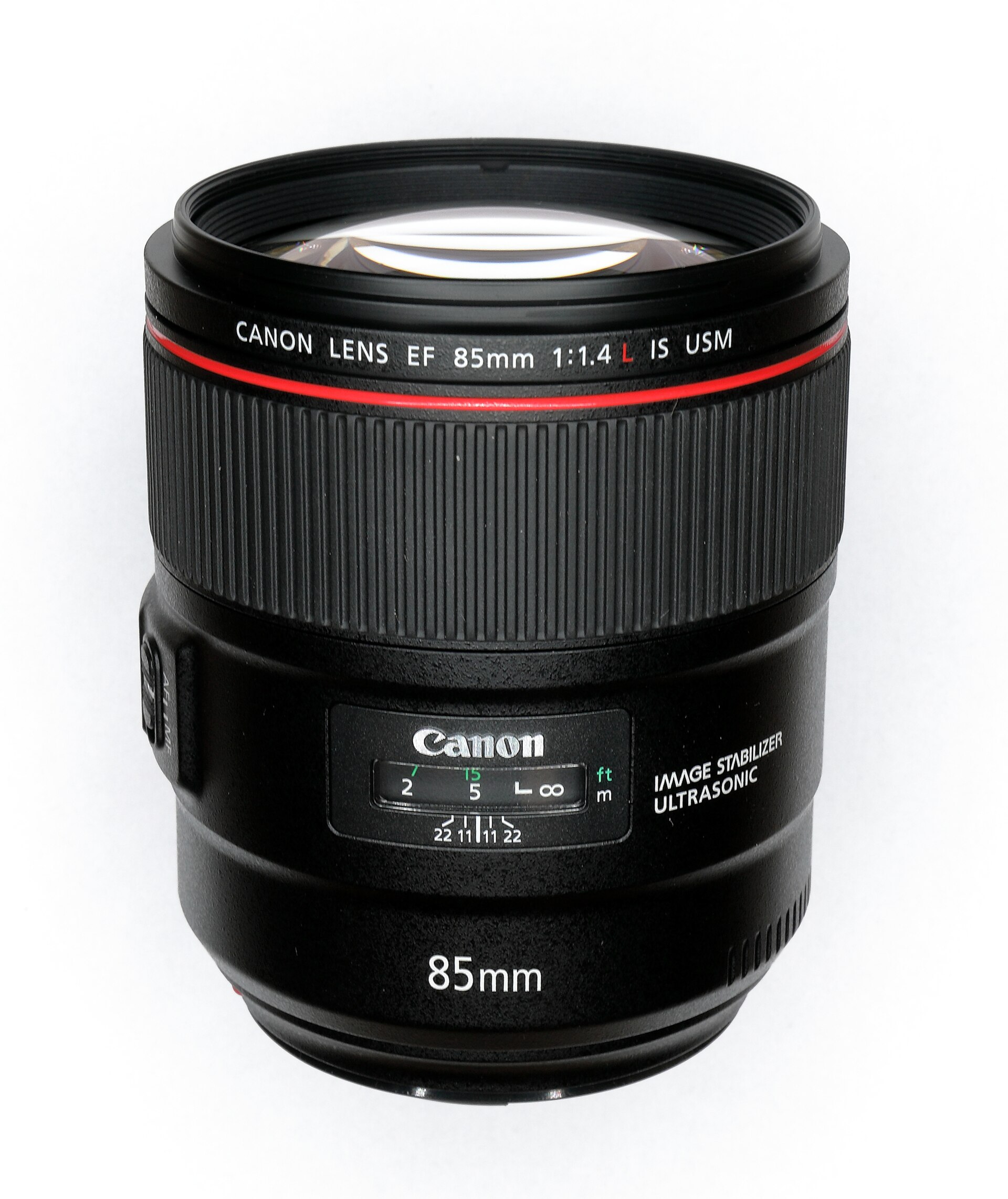
Best Lenses for Portrait Photography: A Complete Buying Guide
The 85mm prime is the classic portrait lens. Image: C.Stadler/Bwag…
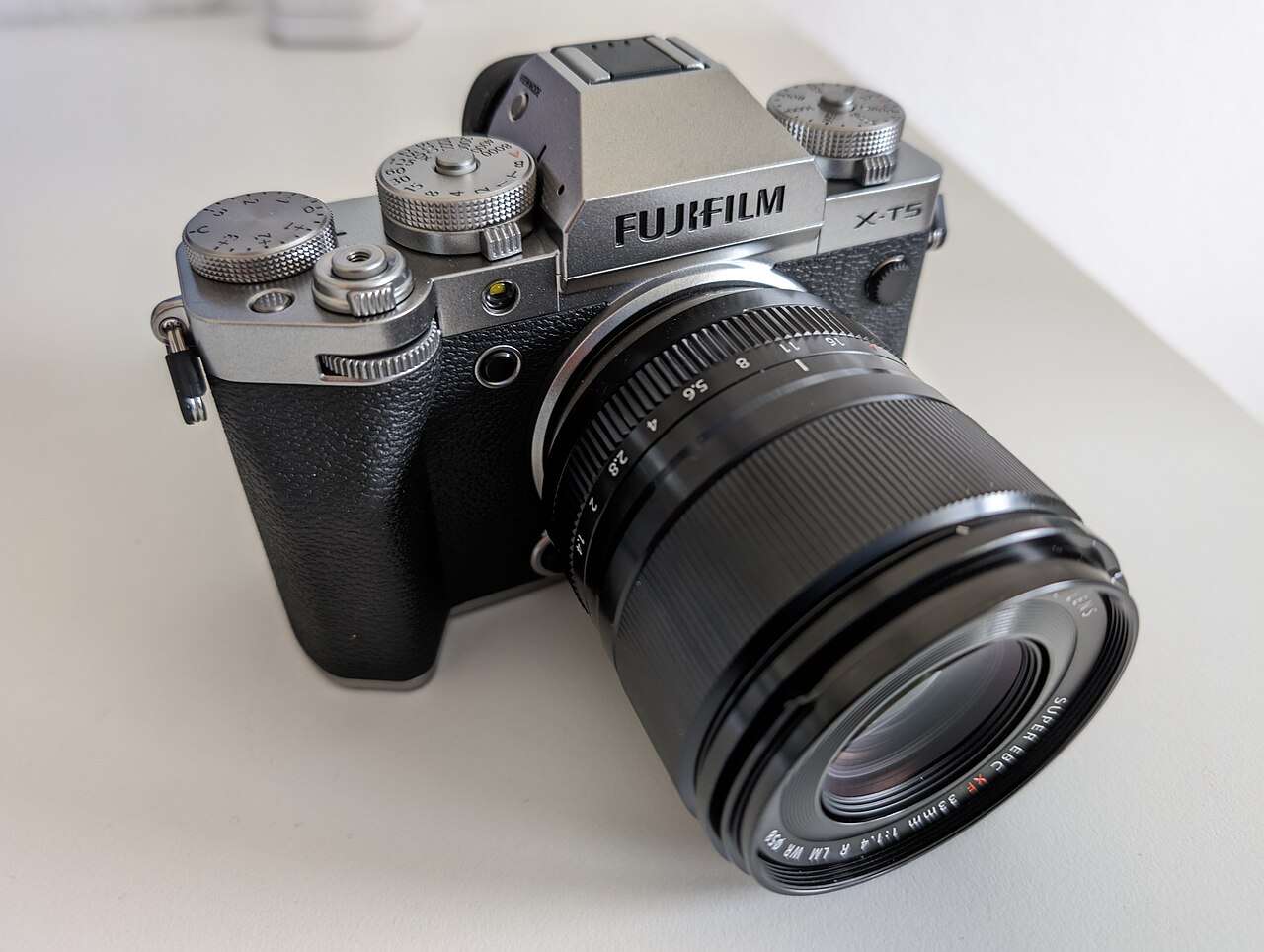
Fujifilm X-T5 Review (2026): The 40MP APS-C Flagship That Still Delivers
Disclosure: This article contains affiliate links. If you buy through…