Disclosure: This article contains affiliate links. If you buy through them, we may earn a commission at no extra cost to you.
The Sony a7 IV launched in late 2021 as the long-awaited successor to the best-selling a7 III, and it instantly became the default recommendation for hybrid shooters who split their time between stills and video. Even in 2026 — with newer bodies like the Sony a7 V, Canon EOS R6 Mark II, and Nikon Z6 III now on shelves — the a7 IV remains one of the most sensible full-frame purchases you can make. It pairs a 33MP back-illuminated sensor with class-leading autofocus and genuinely strong video, and it now sells for hundreds less than at launch.
What Makes the Sony a7 IV Special
- 33MP full-frame BSI Exmor R CMOS sensor — a real resolution jump over the 24MP a7 III.
- 759-point phase-detection autofocus with Real-time Eye AF for humans, animals, and birds.
- 4K 60p (Super35) and full-width 4K 30p oversampled from 7K, both in 10-bit 4:2:2.
- 5-axis in-body stabilization rated up to 5.5 stops.
- Dual card slots (CFexpress Type A + SD UHS-II) and a fully articulating touchscreen.
- BIONZ XR processor, S-Log3, S-Cinetone, and HLG color profiles.
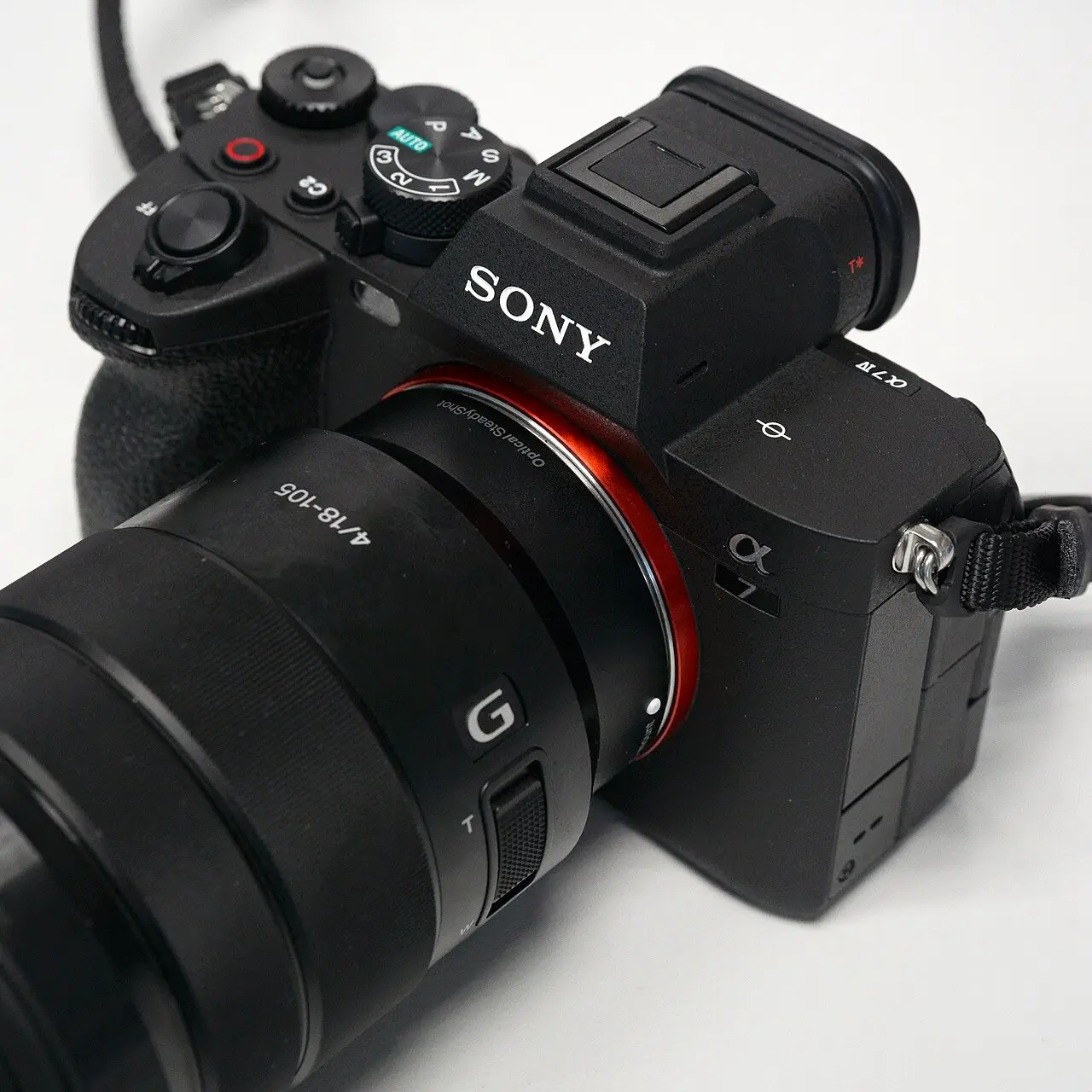
Image Quality
The 33MP sensor is the star of the show. It delivers roughly 50% more resolution than the a7 III, which means more cropping headroom and noticeably finer detail in prints and on high-res monitors. Dynamic range is excellent — Sony quotes 15+ stops — so you can recover shadow and highlight detail in RAW with room to spare. High-ISO performance is strong through the native range of ISO 100–51200 (expandable to 50–204800), and the back-illuminated design keeps noise well controlled in low light. JPEG color straight out of the camera is pleasing and accurate, and the sensor’s fast readout also feeds the a7 IV’s impressive video pipeline.
Autofocus & Speed
Autofocus is where the a7 IV really earns its reputation. Its 759-point phase-detect system covers about 94% of the frame and drives Real-time Tracking plus Real-time Eye AF for people, animals, and birds — all of which work in both stills and video. In practice it locks onto a subject and holds on through movement and difficult lighting. Continuous shooting tops out at 10 fps with compressed RAW (or 6 fps in lossless/uncompressed), backed by a deep buffer of over 800 frames. It isn’t a dedicated sports body, but for weddings, events, portraits, and street work it is more than fast enough.
Video
The a7 IV is a legitimate hybrid. It records 4K at up to 30p using the full width of the sensor, oversampled from 7K for crisp, detailed footage, plus 4K 60p from a Super35 crop. Both are available in 10-bit 4:2:2 internally, with S-Log3, S-Cinetone, and HLG for flexible grading. There’s also focus breathing compensation, a full-size HDMI out, and UVC/UAC support for plug-and-play live streaming. The main caveats to know: 4K 60p carries that ~1.5x crop, and some owners report overheating during very long, continuous 4K recording sessions — worth keeping in mind for multi-hour interviews.
Design & Handling
Sony reworked the body for comfort: a larger, deeper grip, a redesigned dial layout, and a 3.0-inch fully articulating touchscreen that swings out for vlogging or awkward angles. The 3.69M-dot OLED viewfinder is bright and detailed. Build quality is reassuring, with a weather-sealed magnesium-alloy shell, and the dual card slots (one CFexpress Type A / UHS-II SD, one UHS-II SD) are a pro-grade touch for backup recording. The NP-FZ100 battery is rated around 580 shots on the LCD (520 via EVF) and charges over USB-C.
Full Specifications
| Specification | Sony a7 IV |
|---|---|
| Sensor | 33MP full-frame BSI Exmor R CMOS |
| Processor | BIONZ XR |
| Lens mount | Sony E-mount |
| Autofocus | 759-point phase-detect (94% coverage), Real-time Eye AF (human/animal/bird) |
| ISO range | 100–51200 native (50–204800 extended) |
| Continuous shooting | 10 fps (compressed RAW), 6 fps (lossless/uncompressed) |
| Stabilization | 5-axis IBIS, up to 5.5 stops |
| Video | 4K 60p (Super35), 4K 30p full-width (7K oversampled), 10-bit 4:2:2 |
| Log / color | S-Log3, S-Cinetone, HLG |
| Viewfinder | 3.69M-dot OLED, 0.78x magnification |
| Screen | 3.0-inch vari-angle touchscreen (1.04M dots) |
| Card slots | CFexpress Type A / UHS-II SD + UHS-II SD |
| Battery | NP-FZ100 (~580 shots LCD / 520 EVF) |
| Dimensions | 131.3 x 96.4 x 79.8 mm |
| Weight | 658 g (body) |
| Weather sealing | Yes (magnesium alloy) |
| Price | $2,198 (list $2,699.99) |
Sony a7 IV vs Canon EOS R6 Mark II vs Nikon Z6 III
| Feature | Sony a7 IV | Canon EOS R6 Mark II | Nikon Z6 III |
|---|---|---|---|
| Sensor | 33MP BSI CMOS | 24MP CMOS | 24.5MP partially-stacked |
| Max burst | 10 fps (compressed RAW) | 40 fps (electronic) | 20 fps (RAW) |
| IBIS | 5.5 stops | 8 stops | 8 stops |
| 4K video | 60p (Super35 crop), 30p full-width | 60p oversampled (no crop) | 6K/60p RAW internal, 4K 120p |
| Autofocus | 759-pt, Real-time Eye AF | Dual Pixel CMOS AF II | 299-pt, subject detection |
| Card slots | CFexpress A + SD | Dual SD UHS-II | CFexpress B + SD |
| Launch price | $2,499 | $2,499 | $2,499 |
Verdict
The Sony a7 IV is the rare camera that does almost everything well. Its 33MP sensor delivers excellent stills, its autofocus is among the most dependable you can buy, and its 10-bit video pipeline keeps it relevant for serious hybrid work years after launch. The 4K 60p crop and occasional thermal limits are the only real dings on an otherwise complete package. At its current price of around $2,198 — hundreds below its $2,499 launch MSRP — it is still one of the best-value full-frame hybrids on the market, and an easy recommendation for enthusiasts and working photographers alike.
What Amazon Buyers Say
The a7 IV holds a 4.7 out of 5 stars rating across 773 global ratings on Amazon. Buyers most often praise its quality (78 mentions), image quality (43), value for money (29), autofocus (26), menu (12), and versatility (12); the most-cited negative is overheating (12 mentions).
| Star rating | Share of reviews |
|---|---|
| 5 stars | 88% |
| 4 stars | 4% |
| 3 stars | 2% |
| 2 stars | 0% |
| 1 star | 6% |
“The 33MP sensor delivers stunning detail and dynamic range, making portraits, landscapes, and low-light shots look incredible. The autofocus system is remarkably accurate and fast, with real-time Eye AF that locks on to subjects with ease…”
“After 15 years of shooting exclusively with Nikon DSLRs, I finally made the switch to mirrorless… Face and eye detection are incredibly accurate, even in tricky lighting. It locks on and stays locked, which has saved me from missing countless shots.”
“I am amazed about all the versatility and functionality it has… The quality of the camera is fantastic and doesn’t feel like a lot of plastic… Great value. The quality of the images straight out of the box is immaculate.”
“Its 10bit, its ALL-INTRA, its got h265 codec, its got the best eye tracking AF in the industry, its got slog3 and scinetone… At that price, this camera is a real tool that actually gets the job done.”
Read all Amazon reviews for the Sony a7 IV.
FAQ
Does the Sony a7 IV shoot 4K 60p without a crop?
No. 4K 60p uses a Super35 (APS-C) crop of the sensor. Full-width 4K is available up to 30p, oversampled from 7K for extra detail.
Is the Sony a7 IV good for video?
Yes — it records 10-bit 4:2:2 internally with S-Log3, S-Cinetone, and HLG, plus focus breathing compensation and plug-and-play USB streaming. The main limitation is the 4K 60p crop and potential overheating during very long continuous recording.
What memory cards does the Sony a7 IV use?
It has two slots: one that accepts CFexpress Type A or SD (UHS-II), and a second SD (UHS-II) slot. For 4K 60p 10-bit and fast bursts, a fast CFexpress Type A or V90 SD card is recommended.
Related Posts
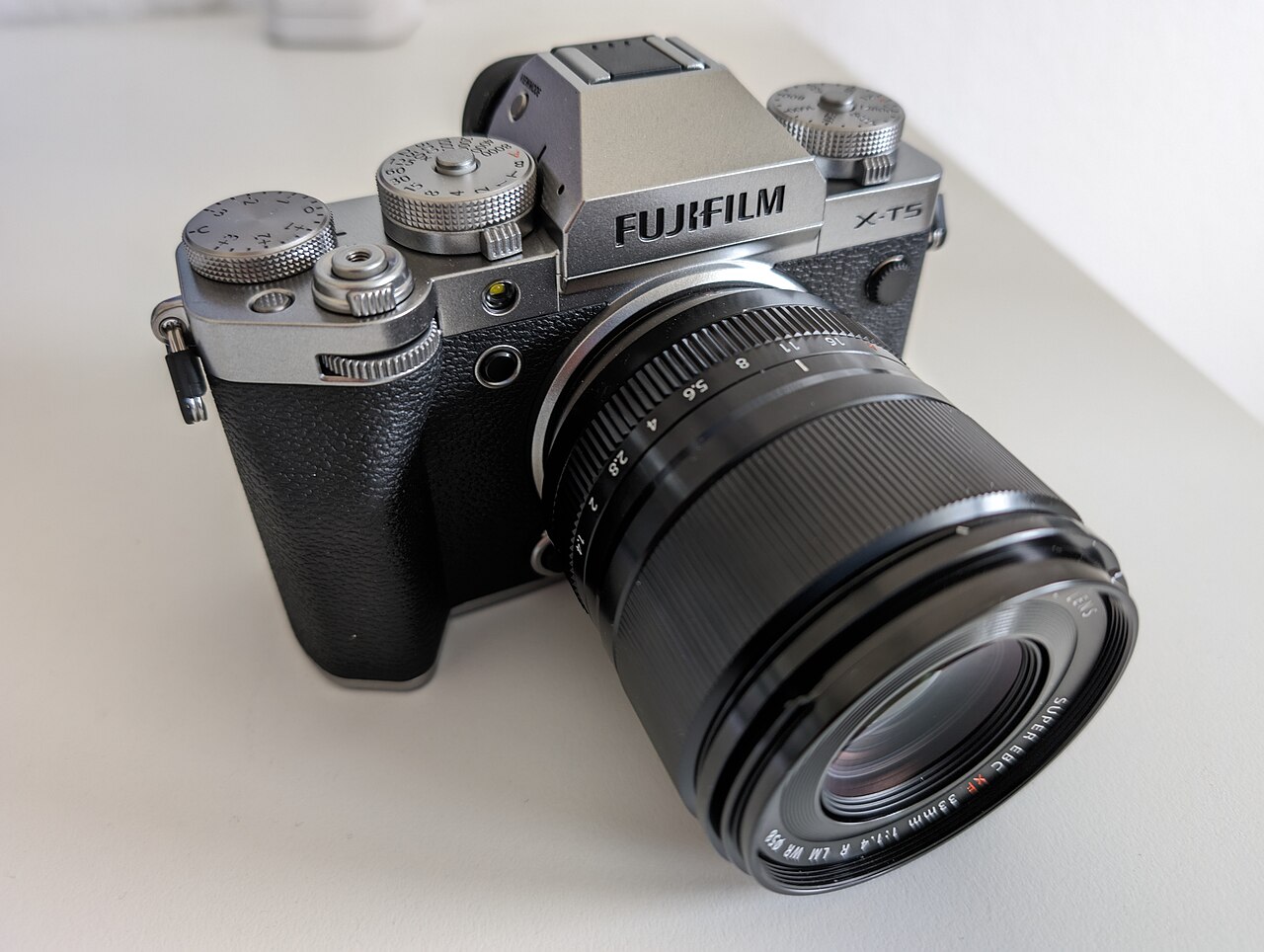
Fujifilm X-T5 Review (2026): The 40MP APS-C Flagship That Still Delivers
Disclosure: This article contains affiliate links. If you buy through…
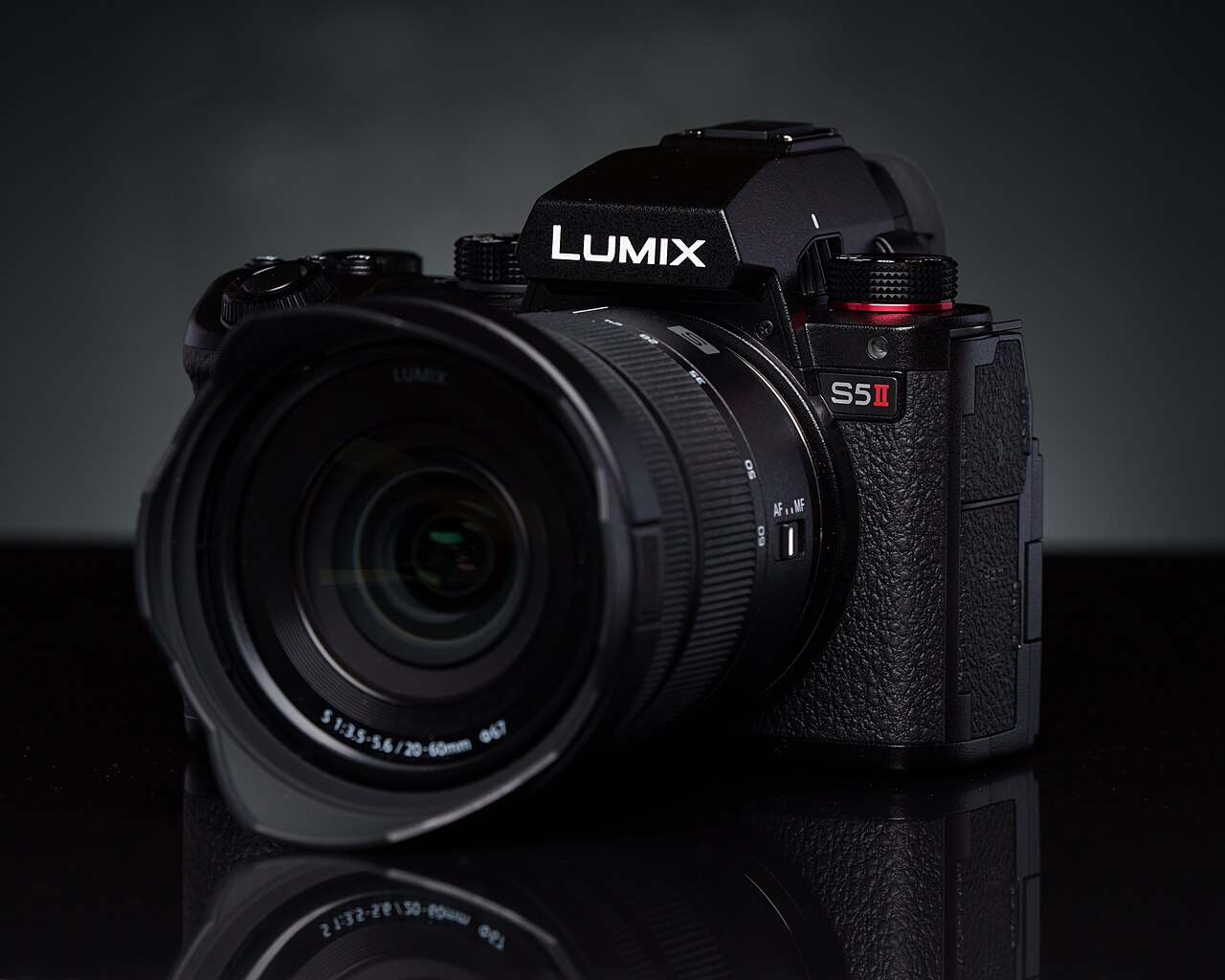
Panasonic Lumix S5 II Review: The Full-Frame Hybrid That Finally Nailed Autofocus
Disclosure: This article contains affiliate links. If you buy through…

Godox V1 Review: The Round-Head Flash That Changed On-Camera Lighting
Disclosure: This article contains affiliate links. If you buy through…