The modern iPhone does not simply capture light — it computes it. Every time you press the shutter, Apple’s silicon merges multiple exposures, analyses the scene with machine learning, and rebuilds the final image pixel by pixel. Two technologies sit at the heart of that process: Deep Fusion, introduced in 2019, and the Photonic Engine, which arrived with the iPhone 14 line in 2022. Together they explain why a phone with a sensor smaller than a fingernail can produce images that rival dedicated cameras.
In this guide we break down what each one actually does, how they differ, and when your iPhone decides to switch them on.
What Is Deep Fusion?
Deep Fusion is a computational photography pipeline that Apple shipped with the iPhone 11 and iPhone 11 Pro in iOS 13.2. Its goal is simple to state and hard to achieve: maximise texture and detail while minimising noise, especially in mid-to-low light. Apple runs the image through the A13 Bionic chip’s Neural Engine to make decisions pixel by pixel across roughly 24 million pixels — a first for the company’s photo stack. Phil Schiller memorably called the result “computational photography mad science.”
How Deep Fusion Works: Nine Exposures, One Frame
Deep Fusion is fundamentally a burst-merging technique. Before you even press the shutter, the camera quietly captures four short (underexposed) frames and four secondary frames at normal exposure. The moment you actually take the shot, it adds one long exposure. That is nine frames in total.
The Neural Engine then compares the short frames against the long exposure and selects the best elements from each — pulling sharp detail from the fast, underexposed shots and colour plus tonal information from the longer exposure. Because every region of the image is treated differently, the fabric of a sweater or the texture of skin receives different processing than a smooth sky or a blurred background. The result is an image with more detail and less noise than any single exposure could deliver.
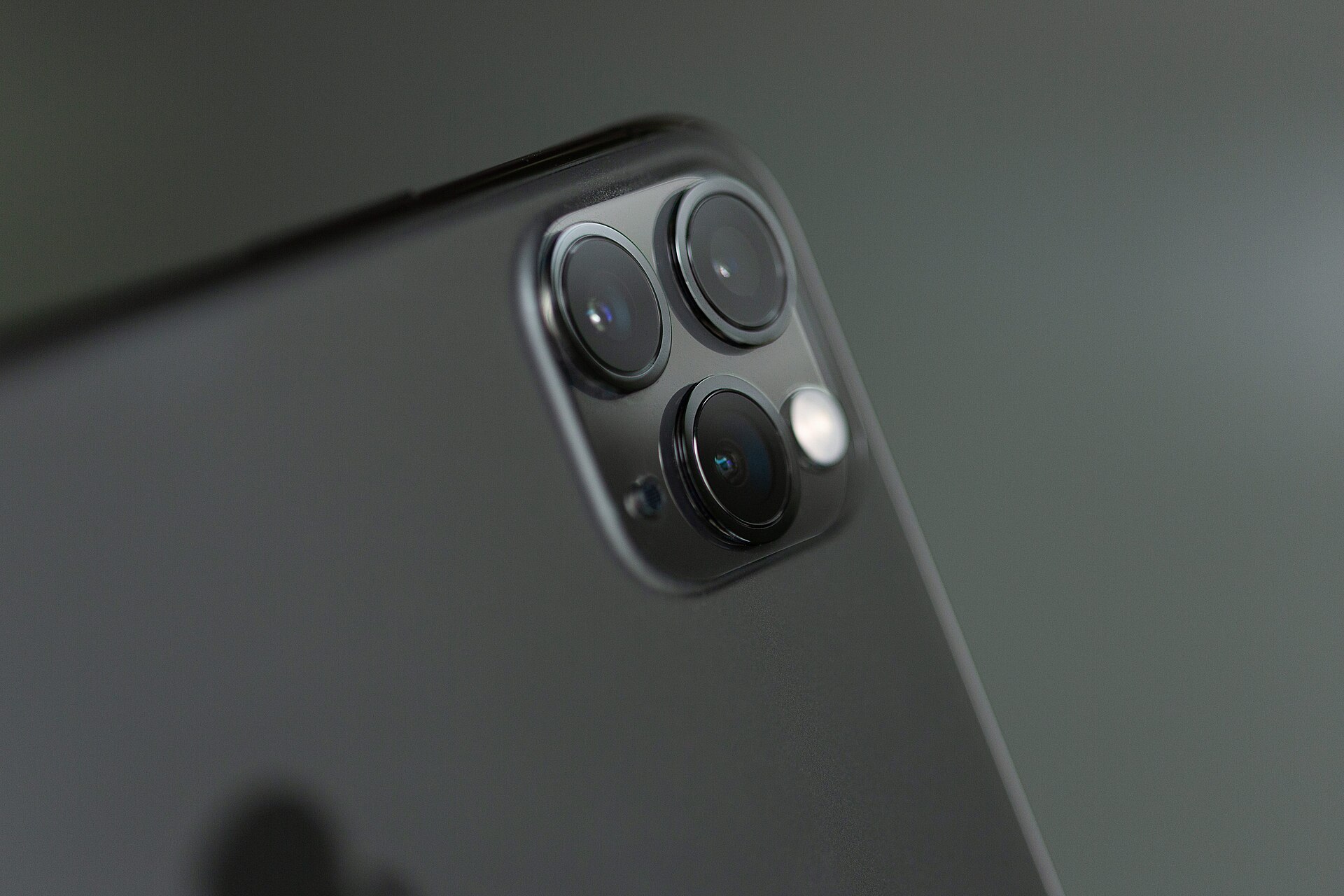
What Is the Photonic Engine?
The Photonic Engine, announced in September 2022 with the iPhone 14, iPhone 14 Plus, iPhone 14 Pro and iPhone 14 Pro Max, is Apple’s evolution of Deep Fusion. Apple’s VP of iPhone product marketing, Kaiann Drance, summed up the change in one sentence: the company now applies Deep Fusion “much earlier in the process, on uncompressed images.”
By fusing raw, uncompressed frames instead of already-processed ones, the pipeline preserves more data — more colour, more tonal information and more subtle texture — before the final render. Apple claims the impact in mid-to-low light is dramatic: up to 2x better performance on the Ultra Wide camera, 2x on the TrueDepth front camera and 2.5x on the new main camera.
Deep Fusion vs. Photonic Engine: What Changed?
A useful way to think about it is timing and data. Deep Fusion worked on exposures that had already been partially processed and compressed, trading a little fidelity for speed. The Photonic Engine moves that fusion step earlier, onto unprocessed sensor data, so more information survives to the end of the pipeline. That headroom also allows the renderer to reproduce more colours — moving from a roughly 10-bit to a 12-bit palette, which extends the available colours from about a billion to tens of billions.
The other change is scale. The Photonic Engine runs across every camera on the iPhone 14 line, and on the Pro models it pairs with a new 48-megapixel quad-pixel main sensor. In standard shooting the sensor bins four pixels into one to output a 12-megapixel photo with better light gathering; the full 48 megapixels are reserved for Apple ProRAW.
When Does Each Technology Turn On?
Neither Deep Fusion nor the Photonic Engine has an on-off switch. Both run automatically in the background, and the camera system chooses between them based on the light. Deep Fusion typically engages in the middle band — too dim for Smart HDR but not dark enough to trigger Night Mode. The Photonic Engine plays the same role on iPhone 14 and later, working across all cameras and sitting alongside (not replacing) Night Mode and Smart HDR. If you have ever noticed an indoor photo come out unusually crisp in moderate light, that is likely the multi-frame merge at work.
Conclusion
Deep Fusion and the Photonic Engine are the invisible reason today’s iPhone photos look so good. Deep Fusion pioneered the idea of fusing nine exposures into one pixel-perfect frame; the Photonic Engine took that idea and ran it earlier, on uncompressed data, with a bigger sensor behind it. Understanding them turns the iPhone’s camera from a black box into a tool — and explains why “just a phone camera” now sits at the centre of modern photography.
FAQ
Does the Photonic Engine replace Night Mode?
No. Night Mode handles very dark scenes with long handheld exposures, while the Photonic Engine targets mid-to-low light. They complement each other, and your iPhone chooses between them automatically.
Can I turn Deep Fusion or the Photonic Engine on or off?
There is no manual toggle; both run automatically. Shooting in Apple ProRAW bypasses much of the fusion pipeline, which is one reason some professionals prefer it.
Which iPhones have the Photonic Engine?
The iPhone 14, iPhone 14 Plus, iPhone 14 Pro and iPhone 14 Pro Max introduced it, and later Pro-model iPhones have carried it forward. Deep Fusion itself first arrived with the iPhone 11 line in 2019.
Related Posts

How Smartphone Night Mode Really Works: The Science Behind Computational Night Photography
Point your phone at a dark street and tap the…

How Portrait Mode Creates Fake Bokeh: The Computational Illusion Behind Your Photos
Open your phone's camera, switch to Portrait Mode, and photograph…

Multi-Frame HDR Fusion Explained: How Cameras Blend Exposures for Perfect Highlights and Shadows
Point your camera at a room with a bright window…