For most of photography’s history, better pictures meant better glass: sharper lenses, bigger sensors, more light. That equation has quietly flipped. Today the most important component in your camera is not the lens or the sensor — it is the software that turns raw photons into a finished image. Computational photography, once a research curiosity, is now the engine behind nearly every photo taken on a smartphone, and it is rewriting the rules of what a camera even is.

From Hardware to Software: How We Got Here
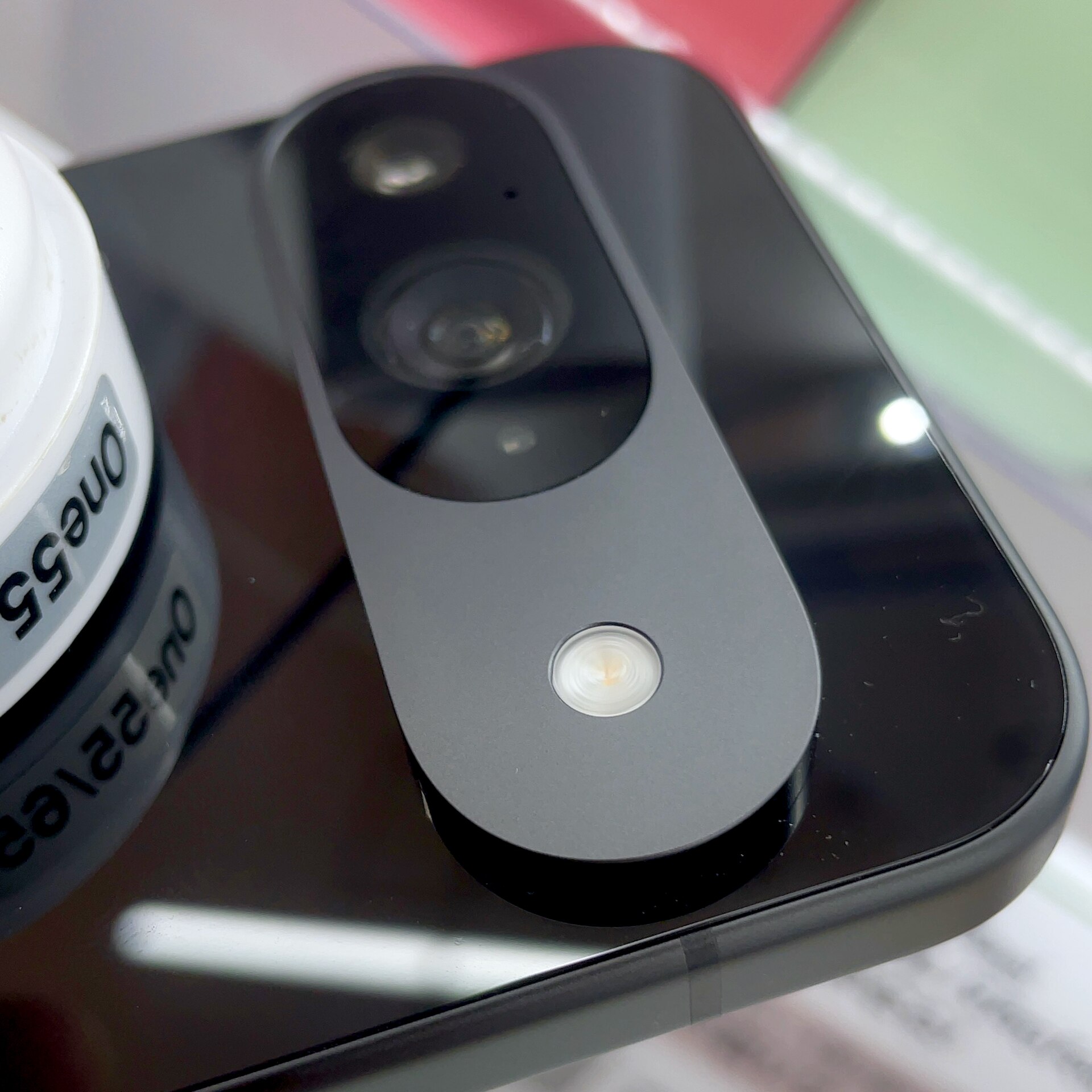
Computational photography has actually been with us since the beginning of digital imaging — every digital photo runs through color and demosaicing algorithms before it reaches your screen. But the modern era began when phones, with their tiny sensors and tiny lenses, had to compensate for physics they could not buy their way out of. The answer was to capture many frames and merge them.
Google’s HDR+ and its multi-frame “Super Res Zoom” pipeline, described in a 2019 paper led by Bart Wronski, aligned and merged bursts of raw frames at sub-pixel accuracy to cut noise, widen dynamic range, and produce sharper zoom than the optics alone could deliver. Apple followed with Deep Fusion on the iPhone 11 in 2019, then the Photonic Engine on the iPhone 14 in 2022, pairing a 48-megapixel sensor with on-device neural processing. The pattern was the same everywhere: shoot a burst, align it, and let software assemble an image no single frame contained.

The Rise of AI: A Camera That Understands the Scene
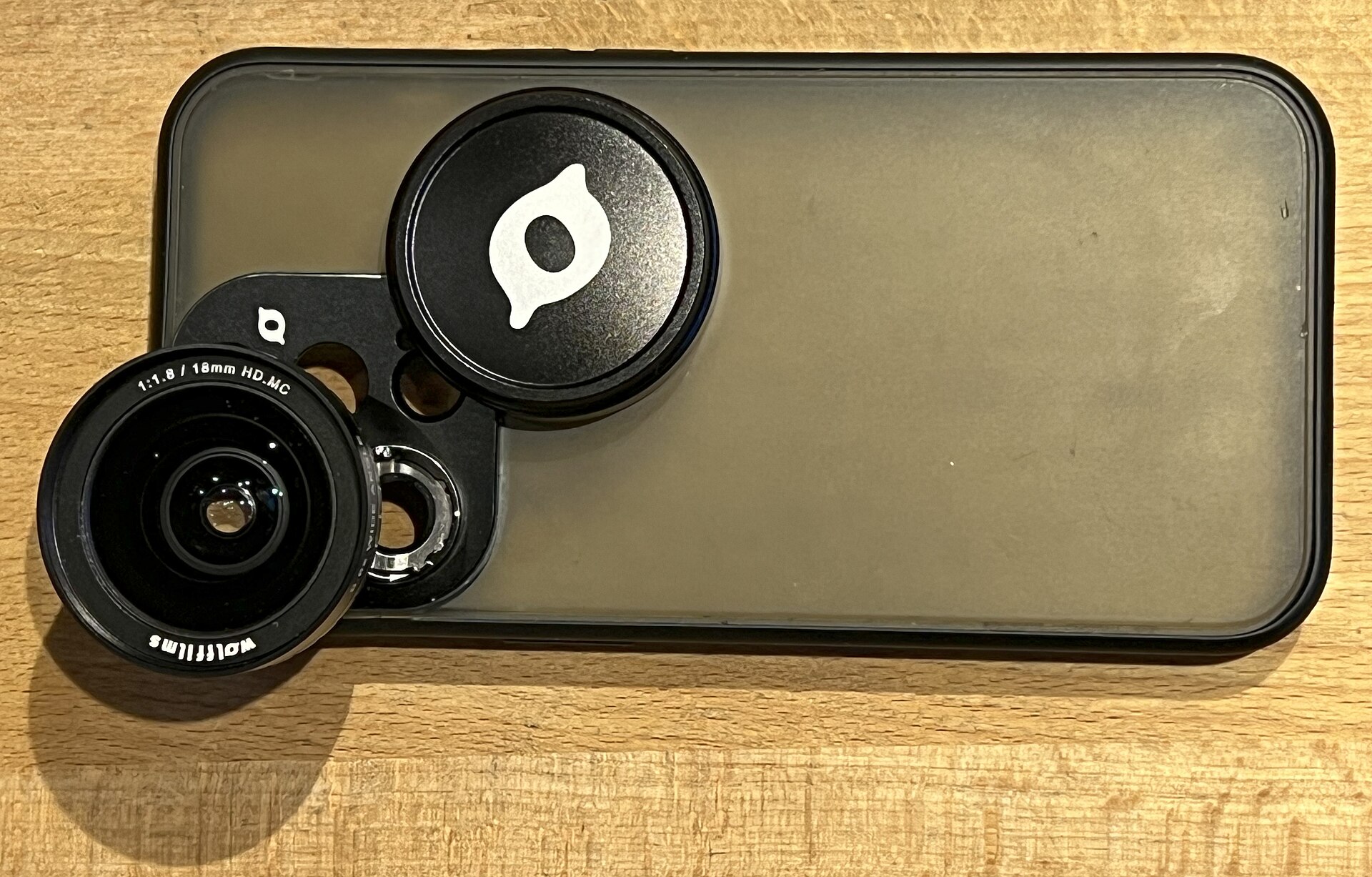
The next shift is from rules-based pipelines to neural networks. Instead of a hand-tuned sequence of denoising, tone mapping, and sharpening steps, researchers now train a single network to map raw sensor data straight to a finished photo. Mobile-friendly “learned ISP” models — the subject of an annual challenge built on the Fujifilm UltraISP dataset, which pairs a Sony IMX586 sensor with a 102-megapixel GFX100 medium-format camera — can reconstruct a full-HD frame in under 50 milliseconds on a phone’s GPU or NPU. The gap between a small phone sensor and a pro camera keeps narrowing, not because the hardware is catching up, but because the software is.
Generative AI is the newest layer. Google has described its Pixel 10 camera work as the first time large models can “make you a better photographer” — features like Auto Best Take and Conversational Editing understand the content of a scene, not just its pixels. Samsung’s Galaxy AI brought similar generative editing to its phones in 2024. Where a filter once adjusted colors, these tools can now remove objects, fix a closed eye, or relight a portrait after the fact.
Generative Imaging and the Question of Authenticity
That power comes with a real tension. When a photo can be edited so fluidly that the edit is invisible, what does a photograph prove anymore? The industry’s emerging answer is provenance: open standards like C2PA Content Credentials, which attach a tamper-evident record of how an image was captured and edited, are beginning to appear in flagship cameras. The future of computational photography is not just about making better images — it is about making images you can trust.
Where It’s Heading
Looking ahead, a few trends stand out. First, computation will keep migrating onto dedicated neural hardware, so heavy models run in real time and on-device, preserving privacy. Second, capture and editing will blur together — the “retake” concept, where you fix lighting or a smile years after the moment, points toward cameras that reconstruct memories rather than just record them. Third, sensors themselves may change: research into light-field capture and single-shot depth continues to chip away at the need for multiple lenses. And fourth, authenticity tooling will become a headline feature, not an afterthought.
Conclusion
Computational photography has already changed what a camera can do; the next decade will change what a photograph is. The lens and sensor are not going away, but their role is shifting from the whole story to the first stage of a pipeline that increasingly runs in software. For photographers, that is both a promise — images that were once impossible are now routine — and a challenge, as we all learn to ask not just “is it a good photo?” but “is it a true one?”
FAQ
What is computational photography?
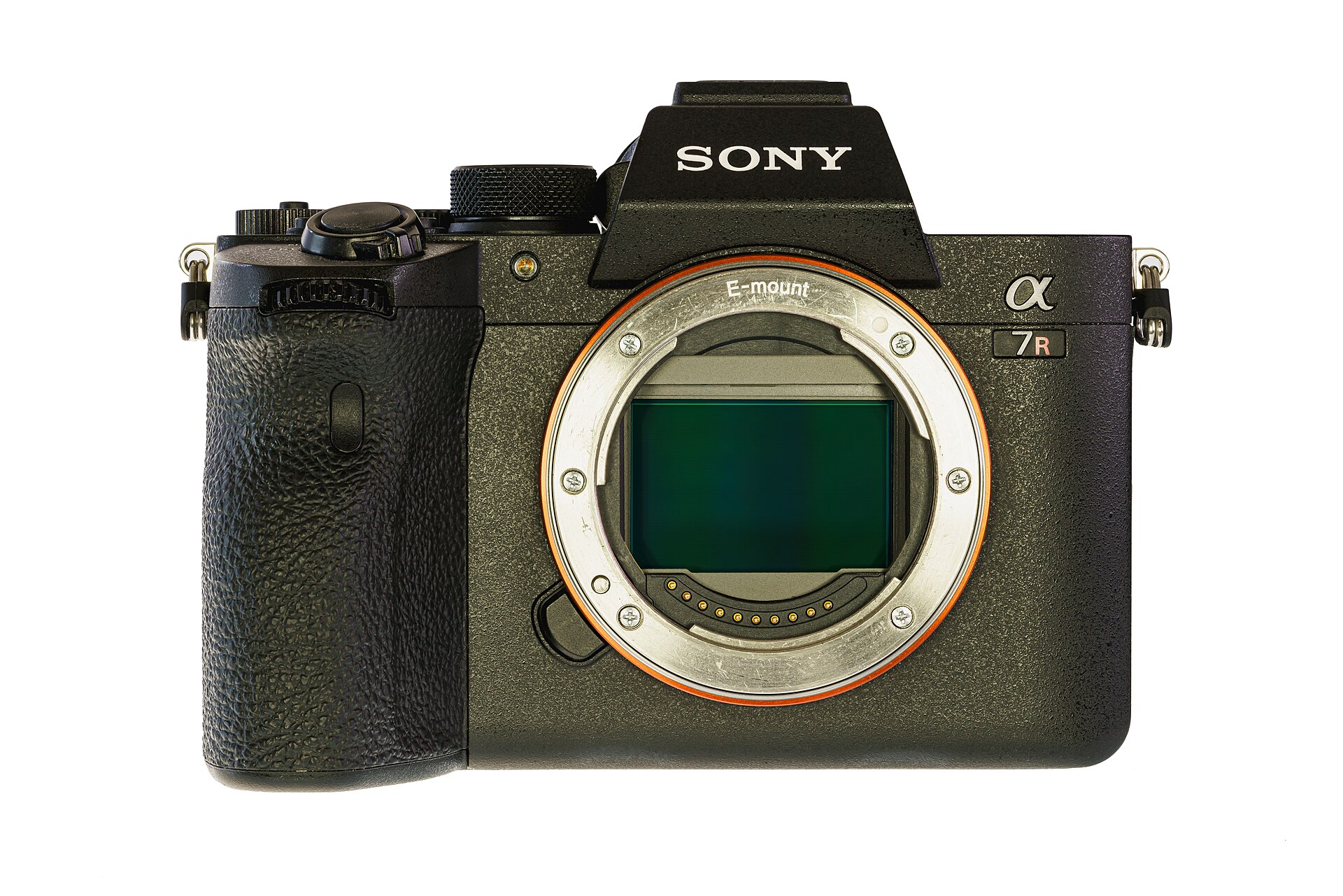
It is the use of software and algorithms — rather than optics alone — to capture, merge, and process image data. Multi-frame HDR, night modes, portrait bokeh, and AI editing are all examples.
Does AI replace the camera sensor?
Not yet. Sensors and lenses still gather the raw light; AI increasingly shapes what happens to that data afterward. In practice, hardware and software now co-evolve.
Will computational photography make traditional cameras obsolete?
It has already displaced point-and-shoot cameras for most people, but dedicated cameras retain advantages in optics, ergonomics, and control. The more likely outcome is convergence, not replacement.
Related Posts

Multi-Frame HDR Fusion Explained: How Cameras Blend Exposures for Perfect Highlights and Shadows
Point your camera at a room with a bright window…
AI Noise Reduction Explained: How Neural Networks Rescue Your High-ISO Photos
Shooting in low light used to force a choice: a…
Generative AI in Photo Editing: How Firefly, Magic Editor, and Galaxy AI Rewrite Your Photos
Photography has always been about capturing light — but a…