For more than a decade, digital medium format was the preserve of a small club: studio professionals shooting six-figure advertising campaigns, fine-art printmakers, and photographers with budgets most of us could only dream about. In 2026, that is no longer the story. The format once defined by bulky bodies, slow autofocus, and five-figure price tags has quietly gone mainstream — and the camera that tipped it over the edge now fits in a to-go bag.
What “Mainstream” Actually Means Here
Medium format is not about replacing your smartphone or even your full-frame mirrorless camera. It is about sensor size. Where a full-frame sensor measures 36 × 24 mm, the “crop” medium format sensors used by Fujifilm and Hasselblad measure roughly 43.8 × 32.9 mm — about 1.7× the surface area, gathering significantly more light per exposure. That extra area translates into finer tonal gradation, more accurate color, higher dynamic range, and a characteristically shallow depth of field that full-frame simply cannot match.
What has changed in 2026 is the barrier to entry. A decade ago, entering medium format meant spending around €20,000. Today the Fujifilm GFX system starts under €5,000, and the market has consolidated around three clear players — Fujifilm, Hasselblad, and Phase One — each with a distinct philosophy. Pentax left the space in 2023 when the 645Z was discontinued without a successor, and Leica’s S system faded with the end of the S3.
The Camera That Changed Everything: Fujifilm GFX100RF
If one product defines medium format’s mainstream moment, it is the Fujifilm GFX100RF. Billed as the smallest and lightest GFX camera ever made, it packs a 102-megapixel, 43.8 × 32.9 mm BSI CMOS II sensor into a rangefinder-inspired body with a fixed FUJINON GF 35mm f/4 lens (a 28mm full-frame equivalent). At roughly 735 g, it is a genuine point-and-shoot — the first medium format camera you can realistically carry every day.
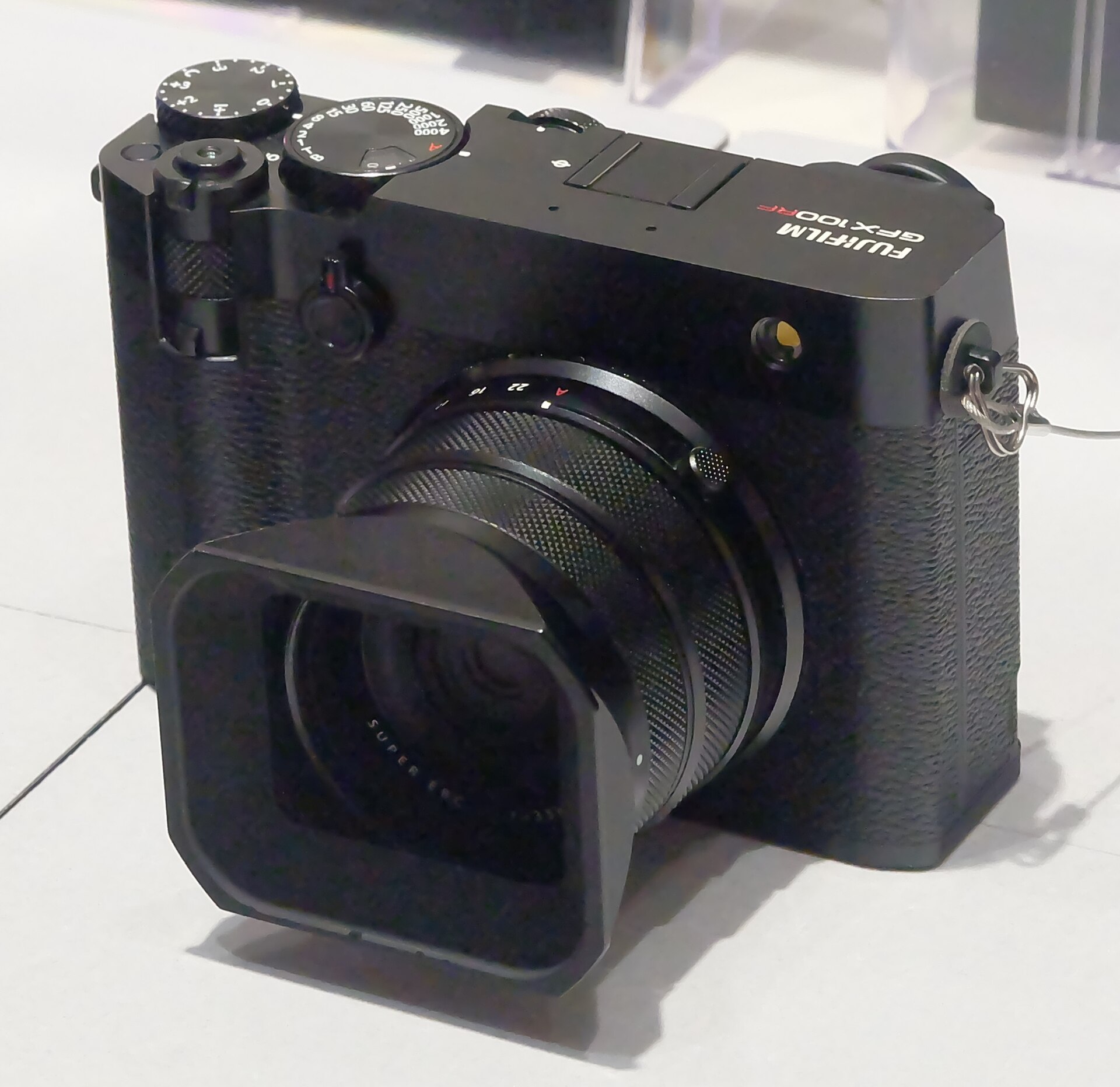
It is not a stripped-down compromise, either. The GFX100RF borrows the same sensor as its larger GFX siblings, with a native ISO of 80, 16-bit color, an internal 4-stop ND filter, a leaf shutter, and an aspect-ratio dial that nods to Fujifilm’s film heritage, alongside 20 film simulation modes. Industry watchers have described a camera that “packs medium format into a relatively compact camera with a point-and-shoot feel,” and it landed right as a broader compact-camera revival gathered steam — a counter-movement of buyers seeking a dedicated camera that simply takes pictures, with no notifications attached.
Hasselblad and the Second Generation of the X System
Hasselblad, the legacy name that put medium format on the Moon, answered with the second generation of its mirrorless X system. The X2D II 100C, unveiled in autumn 2025, keeps the 100-megapixel 43.8 × 32.9 mm sensor but pairs it with a completely reworked phase-detect autofocus system featuring AI subject detection, plus revised image processing. Alongside the modular 907X & CFV 100C, Hasselblad now offers medium format in both a modern mirrorless body and a film-digital hybrid form factor, aimed squarely at photographers who prioritize color science above all else.
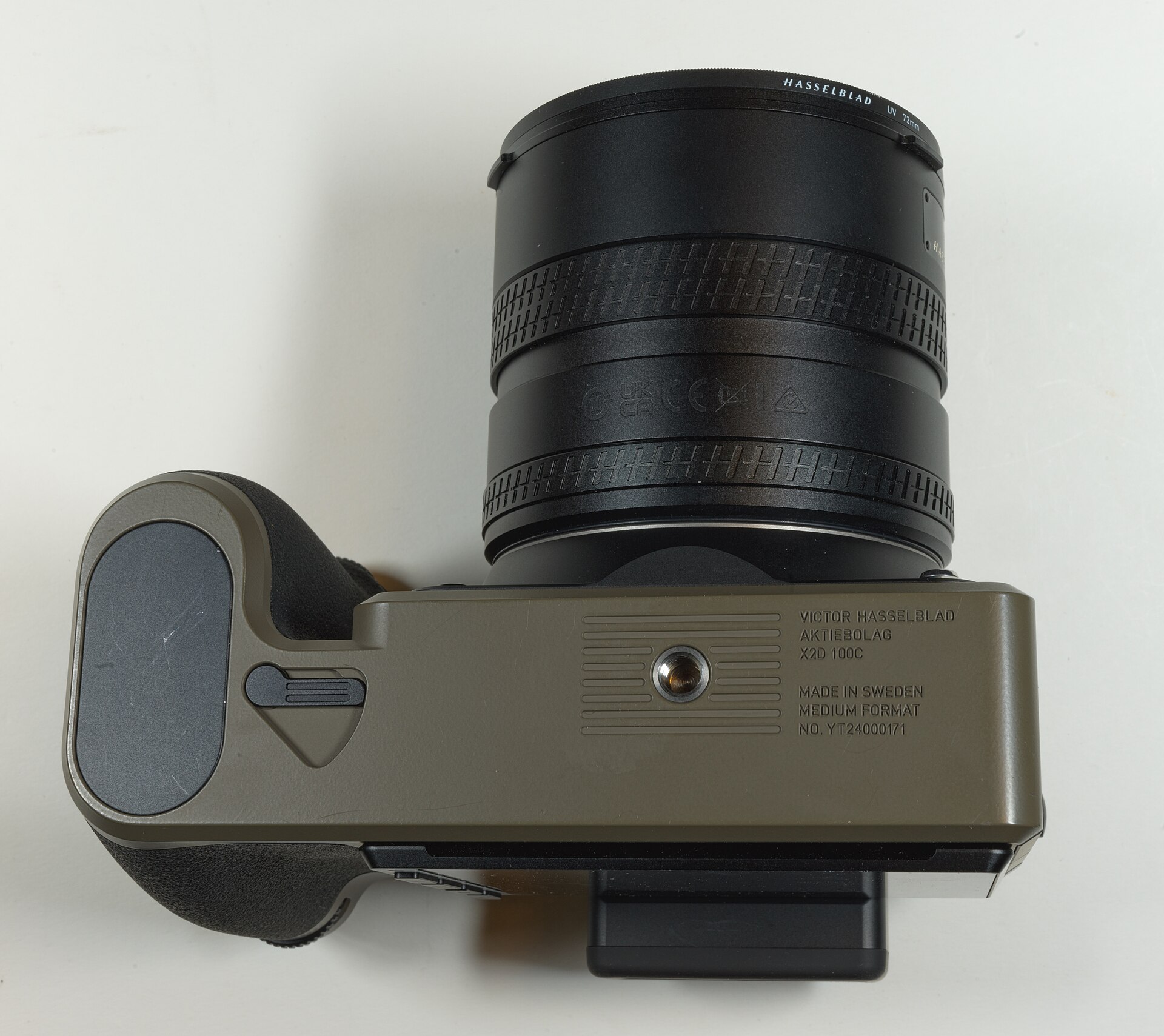
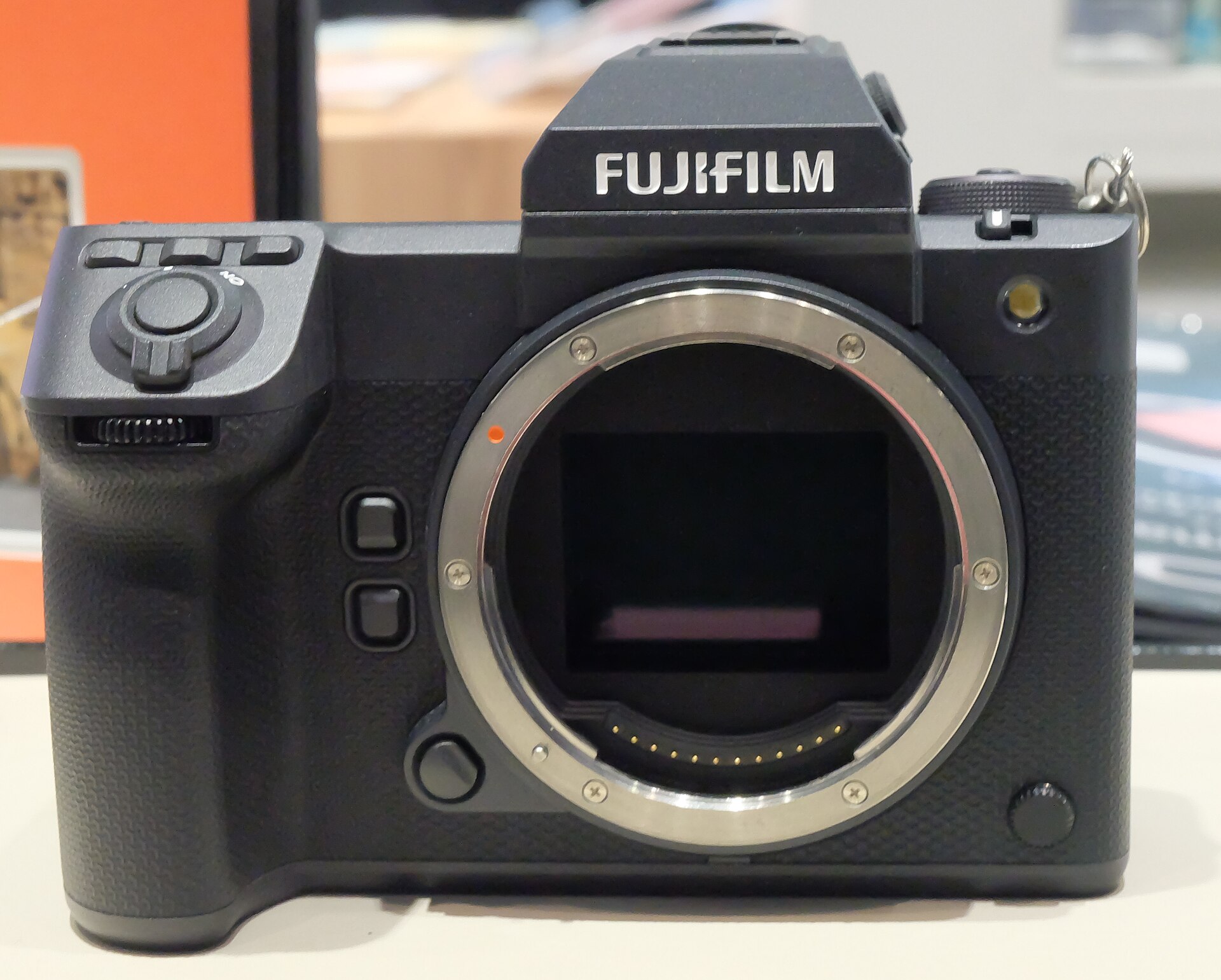
Meanwhile, the Fujifilm GFX 100S II has become the value play of the segment: a 102-megapixel sensor with 8-stop in-body stabilization in an 883 g body, priced around €4,999 — roughly €1,000 below its predecessor.
The Price Story and the Numbers Behind It
The mainstreaming of medium format shows up in the market data. Analysts estimate the medium format camera segment reached about $1.89 billion in 2026, with mirrorless medium format — the architecture that made smaller, faster bodies possible — projected to grow at a compound annual rate of roughly 6% through the early 2030s. The 50-to-100-megapixel tier dominates, and the largest share of demand comes from commercial photography.
But the more telling signal is price. At the top of the market, Phase One continues to sell true 53.4 × 40 mm systems — its IQ4 digital back reaches 151 megapixels and can run past €50,000 for a complete kit. That is a specialist tool. What is new is that the same “medium format” label now also covers a sub-€5,000 camera you can sling over a shoulder. That overlap — enthusiast pricing meeting professional sensors — is exactly what “mainstream” looks like.
What This Means for Photographers
For most buyers, 2026 is the first year medium format deserves a serious look rather than an aspirational bookmark. Landscape, portrait, wedding, and studio work all reward the larger sensor’s dynamic range and color depth, and modern in-body stabilization now makes hand-held shooting practical. The trade-offs remain real: medium format is still not the choice for fast action or sports, and the lens ecosystems are smaller and pricier than full-frame.
The bottom line is simple. Medium format has not become cheap, and it has not become small in the way a phone is small. But it has become attainable, portable, and approachable in a way that would have been unthinkable only a few years ago. The gear is no longer the bottleneck — the photographer is.
Frequently Asked Questions
Is medium format worth it over full frame in 2026?
For image quality — dynamic range, color depth, and that characteristically shallow depth of field — yes, if your work is portraiture, landscape, or studio commercial. For speed, sports, and a huge lens catalog, full frame still wins.
What is the most affordable medium format camera in 2026?
The Fujifilm GFX 100S II is widely regarded as the best-value entry point at around €4,999, while the GFX100RF offers a fixed-lens point-and-shoot take on the same 102 MP sensor.
Which brands still make medium format cameras?
The market has consolidated to Fujifilm, Hasselblad, and Phase One. Pentax discontinued the 645Z in 2023 without a successor, and Leica’s S system ended with the S3.
Related Posts
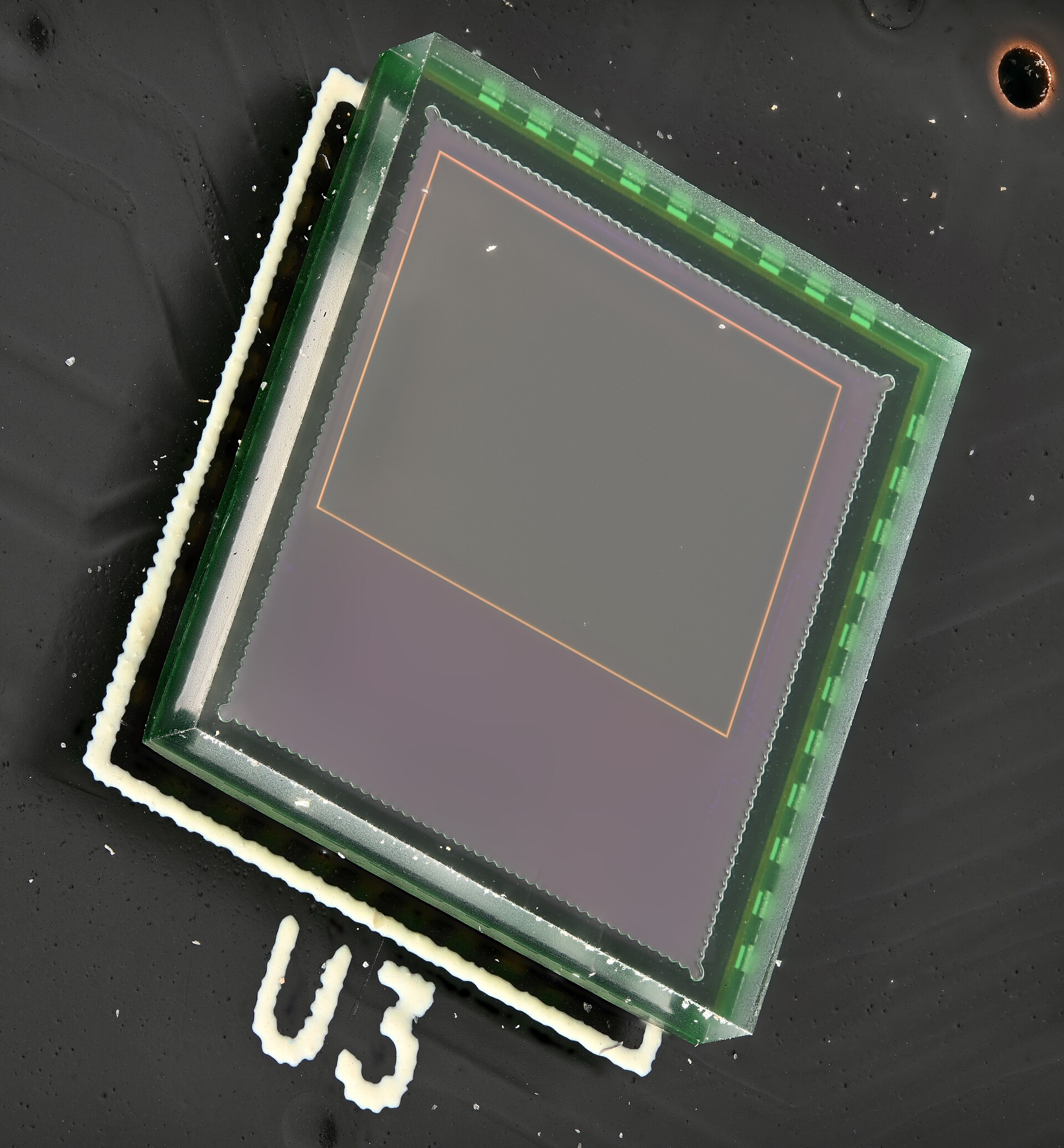
Samsung ISOCELL HP5: World’s First 200MP Sensor with 0.5µm Pixels
Samsung has taken the megapixel race in a new direction.…
Photography Industry News Roundup 2026: Sony A7R VI, Canon EOS R6 V, and a Quiet Year So Far
2026 is shaping up to be a transitional year for…
Fujifilm GFX100RF Medium Format Launch: 102MP in a Compact Fixed-Lens Body
Fujifilm has just done something it has never attempted in…