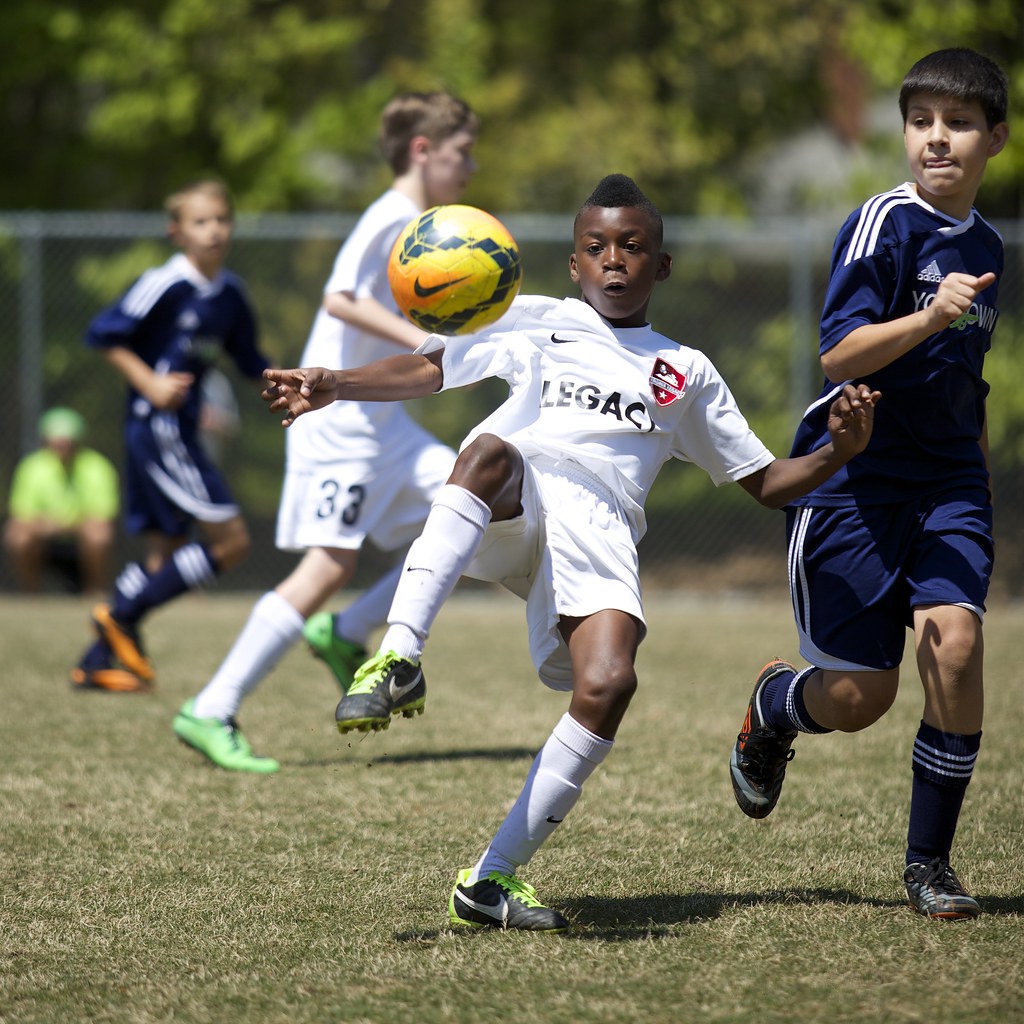
Wildlife and sports photography is the ultimate stress test for a camera. A bird in flight, a cheetah at full sprint, a striker smashing a volley — these moments last a fraction of a second, and the camera that nails them needs three things above all else: lightning-fast and accurate autofocus, a rapid burst rate with a deep buffer, and a sensor that can read out fast enough to avoid rolling-shutter distortion. In this buying guide we break down the best cameras for wildlife and sports photography in 2025, across every budget.
What Separates a Wildlife & Sports Camera from the Rest
Before comparing models, it helps to know the specs that actually matter in the field. First is autofocus: modern flagships use subject-detection and eye-tracking AI that recognizes birds, mammals, and human athletes and holds focus even when the subject is small or moving erratically. Second is burst speed and buffer depth — you want at least 20 frames per second with full autofocus, and enough buffer to keep shooting for several seconds without the camera stalling. Third is sensor readout speed. Cameras with “stacked” CMOS sensors read the sensor so quickly that the electronic shutter works without the banding or warping that plagues slower chips, which is what makes fully silent, blackout-free shooting possible. Finally, look for weather sealing, solid battery life, and in-body image stabilization — wildlife and sideline work happen outdoors, in dust, rain, and cold.
The Flagships: Sony A1 II, Canon EOS R1, and Nikon Z9
These three are the cameras working professionals reach for when the shot cannot be missed.
The Sony A1 II pairs a 50.1-megapixel full-frame stacked sensor with up to 30 frames per second of full-resolution shooting while autofocus and auto-exposure keep tracking. It can push even higher in burst modes, and Sony’s dedicated AI processing unit recognizes a wide range of subjects automatically. Add 8.5 stops of in-body stabilization and 8K video, and you have a camera that is as comfortable shooting a hummingbird as it is a tennis final.
The Canon EOS R1 takes a different route, trading some resolution for outright speed. Its 24.2-megapixel stacked sensor delivers up to 40 frames per second with full tracking in a completely blackout-free viewfinder, backed by Canon’s cross-type autofocus and eye-control focusing that shifts the focus point to wherever you look. Pre-continuous shooting quietly buffers frames before you fully press the shutter — a lifesaver for reaction-heavy sports like cricket, baseball, or motorsport.
The Nikon Z9 remains the value pick among flagships. Its 45.7-megapixel stacked sensor shoots 20 fps in RAW (up to 120 fps in JPEG), records 8K video, and Nikon’s 3D tracking with subject detection is widely praised for holding a lock on fast, erratic subjects. It is also one of the most rugged bodies here, built around an integrated vertical grip.
The Best-Value Full-Frame Options: Nikon Z8 and Canon EOS R5 Mark II
If a flagship price is out of reach, these two deliver most of the performance for considerably less. The Nikon Z8 is essentially a Z9 squeezed into a smaller, lighter body without the integrated grip — same 45.7-megapixel sensor, same 20 fps RAW and 120 fps JPEG bursts, same autofocus system. For wildlife and sports shooters who want flagship capability without the flagship bulk or price, the Z8 is the standout choice.
The Canon EOS R5 Mark II steps up to a 45-megapixel stacked sensor with 30 fps electronic bursts, eye-control autofocus, and Canon’s excellent subject detection, making it a superb hybrid for photographers who also shoot video and want high resolution for cropping distant subjects.
The Best Crop-Sensor / Budget Pick: Fujifilm X-H2S
You do not need full-frame to shoot action. The Fujifilm X-H2S pairs a 26.1-megapixel APS-C stacked sensor with 40 fps blackout-free bursts and dependable subject detection at roughly a third the price of a flagship. The smaller sensor adds reach to your telephoto lenses (a 1.5x crop factor), which is a genuine advantage when photographing distant wildlife, and Fujifilm’s lightweight XF telephoto lenses keep the whole kit affordable and portable.
Do Not Forget the Lens
The camera body is only half the story — for wildlife and sports, the lens often matters more. You want a fast telephoto: at least 300mm of reach (400–600mm is ideal for birds and distant mammals), with an aperture of f/2.8 or f/4 to keep shutter speeds high in low light and blur out busy backgrounds. Optical image stabilization, fast and silent autofocus motors, and weather sealing all matter just as much as the focal length. Budget for the lens as seriously as you budget for the body.
Conclusion
The right wildlife and sports camera depends on your priorities and budget. Need maximum resolution and speed? The Sony A1 II is the all-rounder. Shoot unpredictable, reaction-driven sports? The Canon EOS R1 and its pre-capture burst are built for it. Want the best value without compromise? The Nikon Z8 is hard to beat. And if you are building a kit on a budget, the Fujifilm X-H2S proves crop-sensor cameras are now genuinely competitive for action. Pair whichever you choose with a fast telephoto lens, and you will be ready the next time the moment arrives in a split second.
Frequently Asked Questions
How many frames per second do I need for wildlife and sports?
20 fps with full autofocus is the modern baseline for serious action work, and it is enough for most people. Faster bodies (30–40 fps) and pre-capture buffers mainly help when timing is unpredictable or subjects are extremely fast, but they also fill memory cards much more quickly.
Is full-frame necessary, or will a crop-sensor camera work?
Crop-sensor cameras are absolutely capable of wildlife and sports photography. The extra “reach” of the crop factor is a real advantage for distant subjects, and cameras like the Fujifilm X-H2S shoot 40 fps with solid autofocus. Full-frame mainly buys you better low-light performance and shallower depth of field.
What focal length should I start with?
For birds and distant wildlife, start with a lens reaching at least 400mm (or 300mm on a crop sensor). For field sports, a 70–200mm f/2.8 is the classic starting point, ideally paired with a 100–400mm or 150–600mm zoom for extra reach.
Related Posts
Best Cameras Under $500 in 2026: Top Picks for Photos, Video, and Adventure
You do not need to spend four figures to get…
Full-Frame vs Medium Format: Is It Worth Upgrading?
For years, full-frame was the summit every photographer aimed for.…
Best Cameras for Landscape Photography (2025 Buying Guide)
Landscape photography is a test of patience and detail. The…