In 2026, the question “which camera should I buy?” has a far shorter answer than most people expect. The smartphone in your pocket is genuinely excellent. Mirrorless has become the default choice for anyone buying a dedicated camera. And the DSLR — once the gold standard of serious photography — now lives almost entirely in the used market. Here is how to choose, based on how you actually shoot rather than on spec sheets.
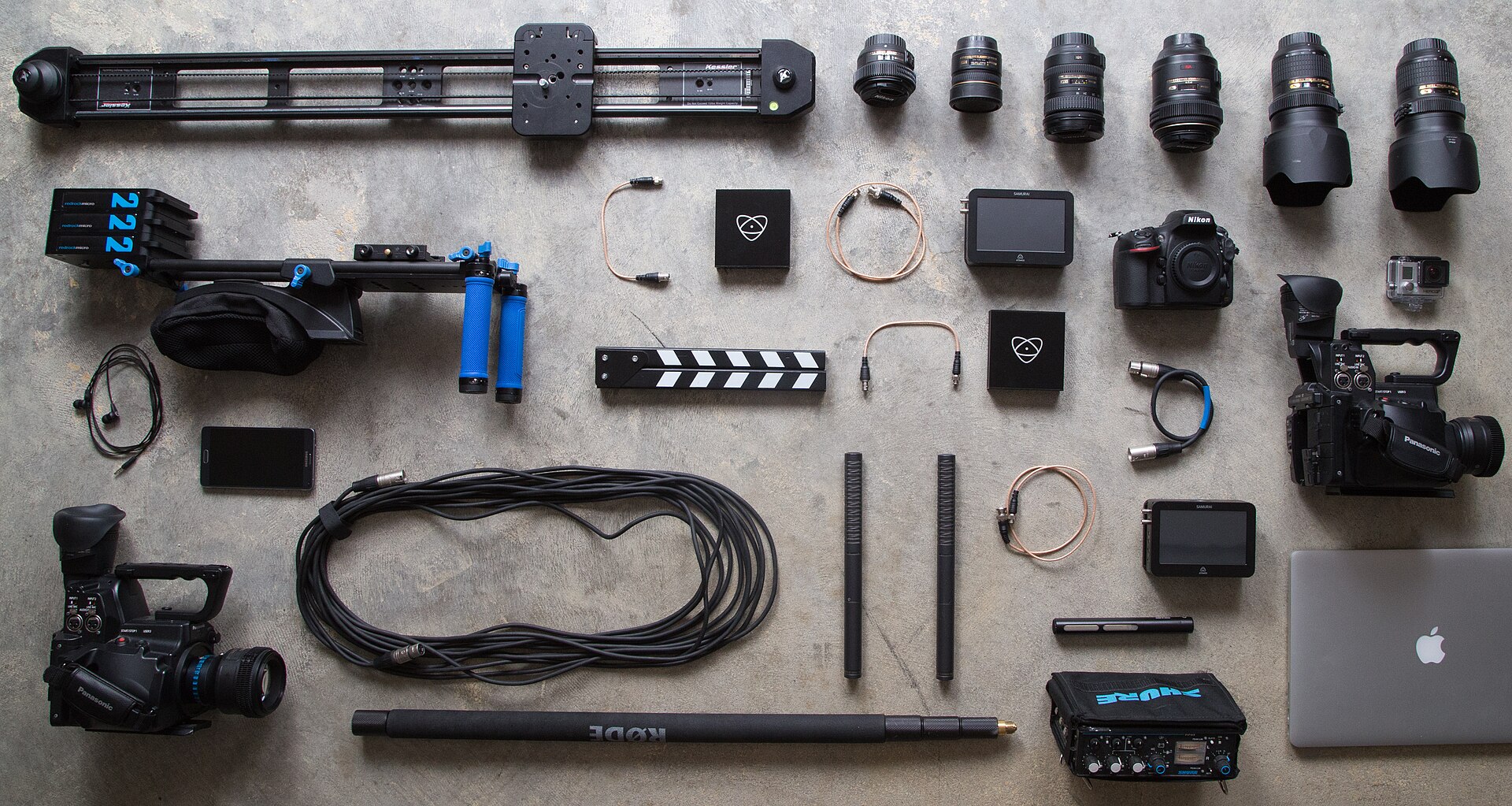
The three options at a glance
Smartphones are always with you, and computational photography does the heavy lifting — stacking multiple frames, cleaning noise, and balancing exposure before you even see the result. Their limits are physical: a small sensor and fixed lenses cap optical zoom, low-light quality, and true background-blur control.
Mirrorless cameras removed the mechanical mirror, so light travels straight from the lens to the sensor, with a live electronic preview. That one change unlocks subject-detection autofocus, silent shooting, and video features that DSLRs never had.
DSLRs use a physical mirror and an optical viewfinder. The technology is proven and reliable, but every major manufacturer has moved its research and development budget to mirrorless.
Mirrorless is the modern default
In 2025 and 2026, Canon’s EOS R6 Mark III (a 32.5-megapixel full-frame body with 40 fps electronic shutter and 7K RAW video, around $2,799) and the Sony a7 V (a 33-megapixel full-frame body shooting 30 fps, around $2,899) show exactly where the industry is heading. At the entry level, the Canon EOS R100 (around $479 with a kit lens) and Nikon Z30 (around $700) make the format genuinely affordable for beginners.
Shipment data from the Camera & Imaging Products Association (CIPA) tells the same story: mirrorless shipments grew by double digits in 2026 while DSLR shipments fell to roughly 690,000 units. Manufacturers are no longer developing new DSLR bodies or lenses — mirrorless is where all new glass and features land.
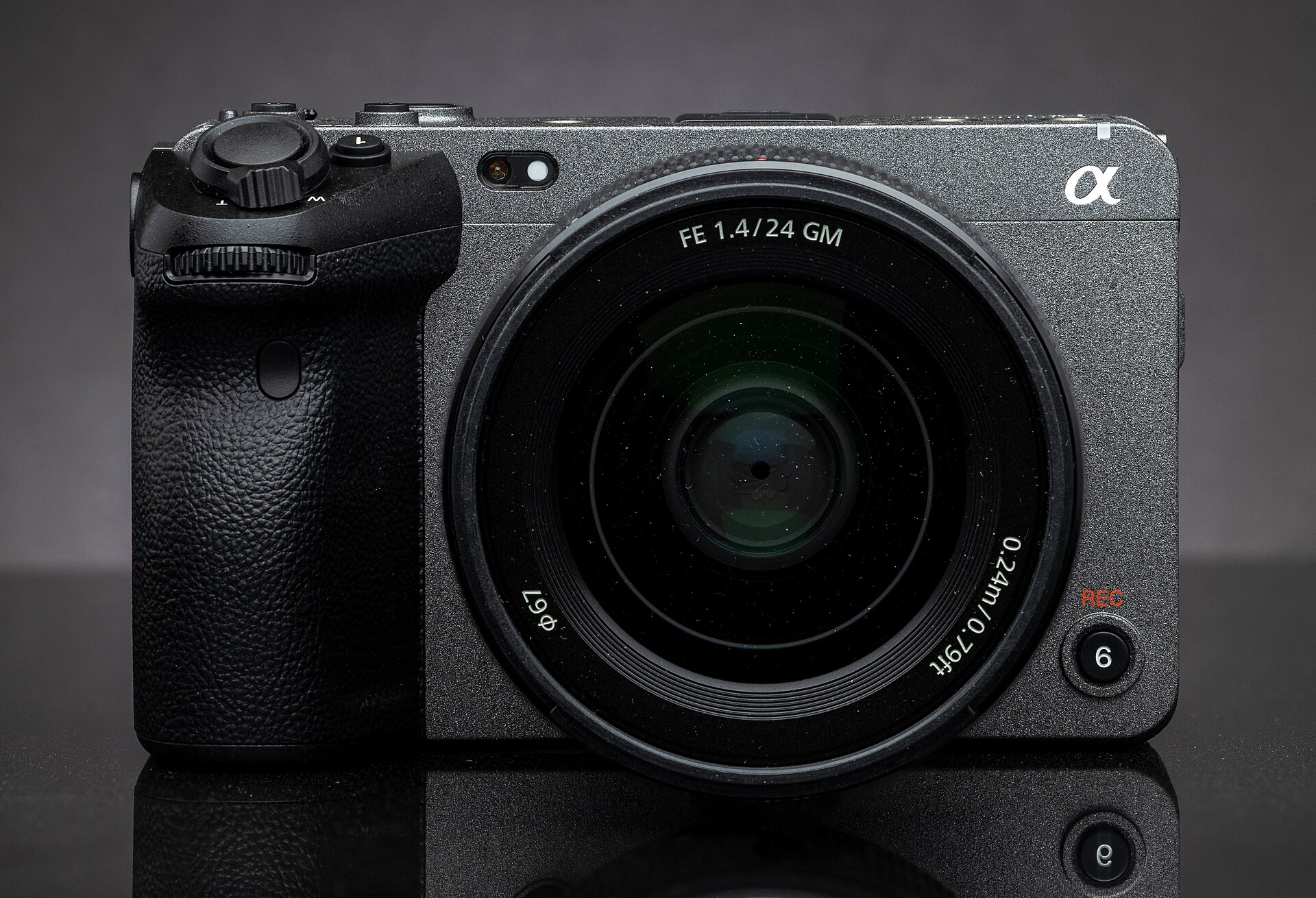
DSLRs: still great value, for the right buyer
Do not write the DSLR off just yet. If you want an optical viewfinder, multi-day battery life (often 700 or more shots per charge versus 300–400 on many mirrorless bodies), and cheap lenses, the used market is a goldmine. A used Canon 6D, Nikon D750, or Canon 5D Mark IV still delivers professional-grade full-frame image quality for a fraction of its original price.
The catch is the future: Canon and Nikon have halted DSLR development. Buying one now means investing in a mature but finished system — excellent for the next several years, with no upgrade path within the same lens mount.
The smartphone is the camera you already own
Computational photography has closed most of the quality gap. The iPhone 17 Pro (a triple 48-megapixel system with 4K120 video and Apple Log), the Samsung Galaxy S26 Ultra (a 200-megapixel main sensor with dedicated 3x and 5x telephoto lenses), and the Google Pixel 10 Pro all produce images that look stunning on a screen and perfectly fine in modest prints.
Phones win on convenience, connectivity, and video stabilization. They lose on optical zoom, low-light physics, and real depth-of-field control. If your photos live on social media and phone screens, a flagship phone may be all you need.
Which one should you buy?
- Buy a smartphone if convenience, portability, and instant sharing come first — or if your total budget is under roughly $500.
- Buy a mirrorless camera if you are serious about learning photography, want interchangeable lenses, shoot video or fast-moving subjects, and want a system that will grow with you.
- Buy a used DSLR if you want maximum value under roughly $500, prefer an optical viewfinder, or need all-day battery life.
Conclusion
For most people in 2026, the answer is a mirrorless camera. It is where every manufacturer is investing, and it delivers the best balance of image quality, autofocus, and future-proofing. If you will not carry a dedicated camera, buy the best phone camera you can afford. And if you are on a tight budget, a used DSLR remains one of the smartest value buys in photography.
FAQ
Is a DSLR still worth buying in 2026?
Yes — if you buy used. New DSLRs are discontinued and overpriced, but used models like the Canon 6D or Nikon D750 offer excellent image quality per dollar. Just know the system has no future lens roadmap.
Can a smartphone replace a mirrorless camera?
For social media, travel snapshots, and casual video, often yes. For low light, long optical zoom, large prints, or creative depth-of-field control, a dedicated camera still wins clearly.
What is the best first camera for a beginner in 2026?
An entry-level mirrorless such as the Canon EOS R100 or Nikon Z30. They are affordable, teach real photography skills, and give you a clear path to upgrade lenses later.
Related Posts
Best Smartphone Cameras in 2026: Top Camera Phones for Every Budget
Smartphone cameras have quietly replaced the dedicated point-and-shoot for most…
New vs Used Cameras: What to Consider Before You Buy
Every photographer eventually asks the same question: buy new, or…
Best Cameras for Beginners in 2026: Our Top Picks
Buying your first "real" camera is a milestone, and 2026…