Disclosure: This article contains affiliate links. If you buy through them, we may earn a commission at no extra cost to you.
The Panasonic Lumix S9 is a curious camera — a full-frame mirrorless body squeezed into a package barely bigger than a point-and-shoot, with no viewfinder and no mechanical shutter, but with the same 24.2MP sensor and hybrid autofocus DNA as Panasonic’s larger S5 II. It is the company’s first full-frame camera aimed squarely at social-media creators and vloggers, and it leans hard into one idea: getting finished, color-graded photos and video off the camera and onto your phone as fast as possible. If that workflow is what you care about, the S9 is one of the most interesting cameras of the past few years.
What Makes the Lumix S9 Special
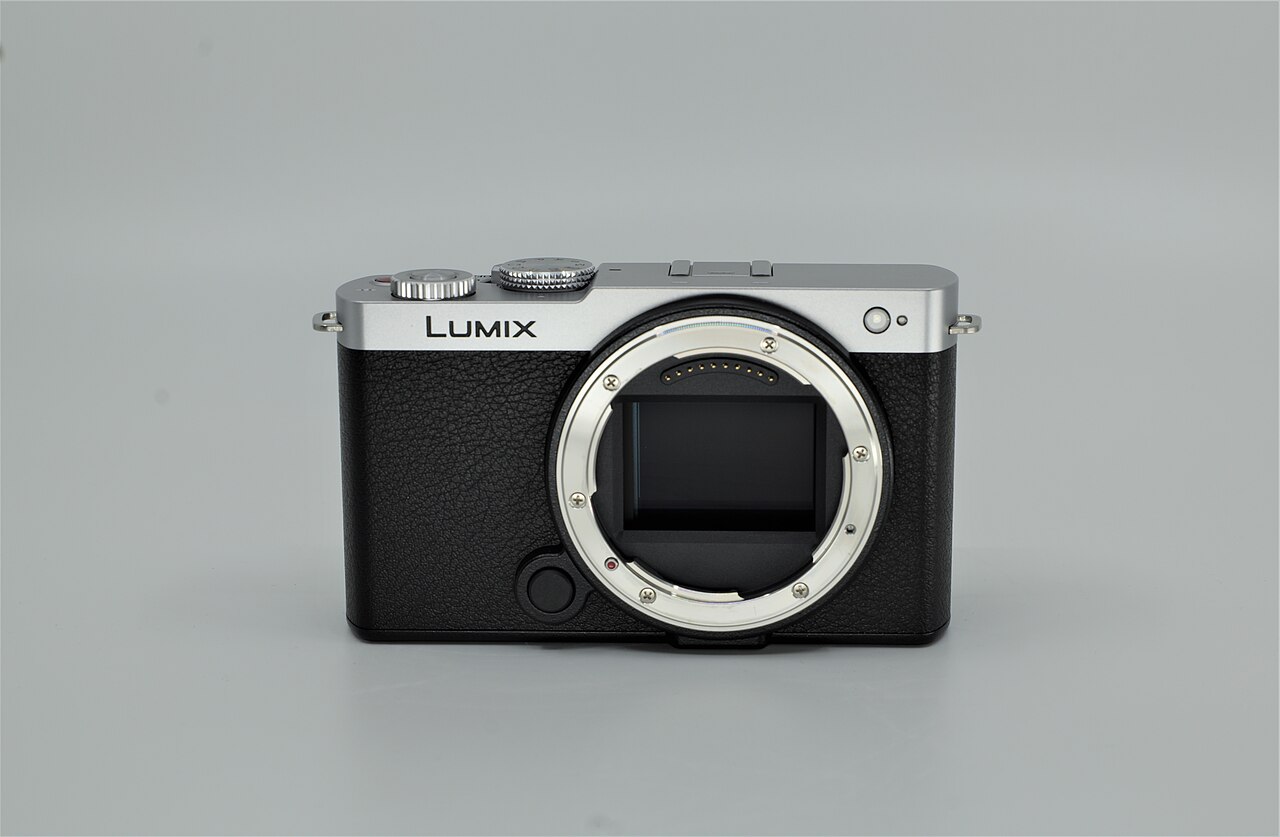
The S9 strips a full-frame camera down to its essentials and adds one genuinely new trick. Here are the headline features:
- 24.2MP full-frame sensor in a body weighing roughly 486 g — among the smallest full-frame interchangeable-lens cameras ever made.
- REAL TIME LUT — load your own custom color grades (or download them) and bake them into photos and video in-camera, so you can post straight from the camera with zero editing.
- LUMIX Lab app — transfer footage to your phone wirelessly and publish to social platforms in seconds.
- 6K open-gate (3:2) video for reframing to any aspect ratio in post.
- Phase Hybrid autofocus with subject detection for people and animals.
- 5-axis in-body stabilization plus electronic stabilization for smooth handheld video.
- Fully articulating 3.0-inch touchscreen — essential for self-filming, since there is no EVF.
Image Quality
The S9 borrows the 24.2MP full-frame sensor from the Lumix S5 II, and it shows. Photos are clean and detailed across the standard ISO range, with strong dynamic range and pleasing color straight out of the box. Low-light performance is a clear step above any APS-C or Micro Four Thirds camera in this price class, which is the main argument for going full-frame in the first place. The lack of a mechanical shutter means you rely on the electronic shutter’s readout speed, but for the stills most creators shoot — portraits, lifestyle, travel, product shots — it is a non-issue.
Autofocus & Speed
Panasonic’s older DFD contrast-detect autofocus was the brand’s Achilles’ heel for years; the S9 fixes that with Phase Hybrid AF. Human and animal eye/face detection is quick and sticky, and subject tracking holds well even against busy backgrounds. Continuous shooting tops out at a rapid 30 fps using the electronic shutter, which is overkill for a creator camera but handy for catching candid moments. Just keep in mind there is no mechanical shutter, so fast-moving subjects under artificial light can show slight banding — a known trade-off of this design.
Video
Video is where the S9 shines. It records 6K open-gate (3:2) footage that you can crop vertically for TikTok or Reels without losing resolution, plus 4K at 30p using the full width of the sensor. If you want 4K 60p for slow motion, the camera applies an APS-C crop — a compromise worth knowing about. Footage is 10-bit with HLG or Log, so there is real latitude for grading, and the in-body plus electronic stabilization combine to deliver remarkably smooth handheld results. The one real miss for filmmakers is the lack of a headphone jack, so you will be monitoring audio by eye on the meters.
Design & Handling
The S9 looks like a fashion accessory as much as a camera, and it is sold in six colors — jet black, night blue, dark olive, crimson red, sakura pink, and mint green. The compact body pairs best with Panasonic’s collapsible 18-40mm kit zoom or the pancake-style 26mm f/8, keeping the whole setup pocketable. There is no viewfinder, so you compose on the fully articulating touchscreen, which flips out for vlogging. It is not weather-sealed, so keep it out of heavy rain. For a creator who lives on a phone, the form factor and the touch-first interface feel natural rather than compromised.
Full Specifications
| Specification | Panasonic Lumix S9 (DC-S9) |
|---|---|
| Sensor | 24.2MP full-frame CMOS |
| Image stabilization | 5-axis IBIS, 5.0 stops (6.5 with Dual I.S. 2 lens) |
| Autofocus | Phase Hybrid AF (phase detect + contrast detect) |
| ISO range | 100–51,200 (extended 50–204,800) |
| Continuous shooting | Up to 30 fps (electronic shutter only) |
| Shutter | Electronic only (no mechanical shutter) |
| Viewfinder | None |
| Rear screen | 3.0″ fully articulating touchscreen (1.84M dots) |
| Video | 6K 3:2 open gate 30p · 4K 30p full-width · 4K 60p (APS-C crop) · 10-bit 4:2:2 |
| Mic / headphone | 3.5mm mic yes / headphone no |
| Card slot | 1× SD UHS-II |
| Connectivity | USB-C, Wi-Fi, Bluetooth |
| Battery life (CIPA) | ~470 shots |
| Weight | ~486 g (1.07 lb) with battery and card |
| Dimensions | 126 × 74 × 47 mm |
| MSRP | $1,499 body / $1,797 kit (18-40mm lens) |
How It Compares
| Specification | Panasonic Lumix S9 | Sony ZV-E1 | Sigma fp |
|---|---|---|---|
| MSRP | $1,499 | $2,200 | $1,899 |
| Sensor / pixels | Full-frame 24MP | Full-frame 12MP | Full-frame 25MP |
| IBIS | 5.0 stops (6.5 w/ lens) | 5.0 stops | None |
| Burst | 30 fps e-shutter | 10 fps e-shutter | 18 fps e-shutter |
| Viewfinder | None | None | Optional |
| Video | 6K open gate 30p · 4K 60p (crop) | 4K 60p · 4K 120p (via fw) | 4K 30p · 12-bit CinemaDNG |
| Mic / headphone | Yes / No | Yes / Yes | Yes / Yes (USB-C) |
| Card slot | 1× UHS-II | 1× UHS-II | 1× UHS-II |
| Battery (CIPA) | 470 shots | 570 shots | 280 shots |
| Weight | 486 g | 483 g | 422 g |
Against the Sony ZV-E1 — the most direct rival — the S9 costs far less, resolves far more detail with its 24MP sensor, and adds open-gate 6K that the Sony simply cannot match. The ZV-E1 counters with a headphone jack and cleaner slow-motion options. The Sigma fp is a fascinating oddball (12-bit CinemaDNG, no stabilization), but it is a cinema tool rather than a creator camera, and it lacks the S9’s polish and stabilization.
Verdict
The Lumix S9 is not a camera for everyone — photographers who want a viewfinder, dual card slots, or weather sealing should look at the S5 II instead. But for its intended audience, it nails the brief: full-frame image quality, genuinely good video, and a LUT-based color workflow that lets you post finished content without ever touching an editor. At its current street price of well under $1,500 — and often less with a kit lens — it is one of the best values in full-frame right now.
What Amazon Buyers Say
The Lumix S9 holds a 4.1 out of 5 stars rating from 59 global ratings on Amazon at the time of writing.
| Star rating | Share of reviews |
|---|---|
| 5 stars | 63% |
| 4 stars | 14% |
| 3 stars | 10% |
| 2 stars | 2% |
| 1 star | 11% |
“Incredible camera. Professional Forbes recognized photographer here…”
“Beautiful picture. Lut is amazing.”
“My very first camera. Great picture and video quality. The fact I can update it right away is cool.”
“For amount of money, it is not a good camera. Cannot be used for pictures of the people. Only good for landscape and blogging.”
Read all customer reviews on Amazon
FAQ
Does the Lumix S9 have a viewfinder?
No. The S9 has no electronic viewfinder — you compose entirely on its 3.0-inch fully articulating touchscreen, which flips out for self-recording.
Can the Lumix S9 shoot 4K 60p?
Yes, but 4K 60p applies an APS-C crop. For full-width recording you get 4K at 30p, or 6K open-gate (3:2) at 30p for reframing to any aspect ratio.
Is the Lumix S9 weather-sealed?
No. The S9 is not weather-sealed, so it is best kept away from heavy rain and dust. If you need sealing, the larger Lumix S5 II is the better fit.
Related Posts
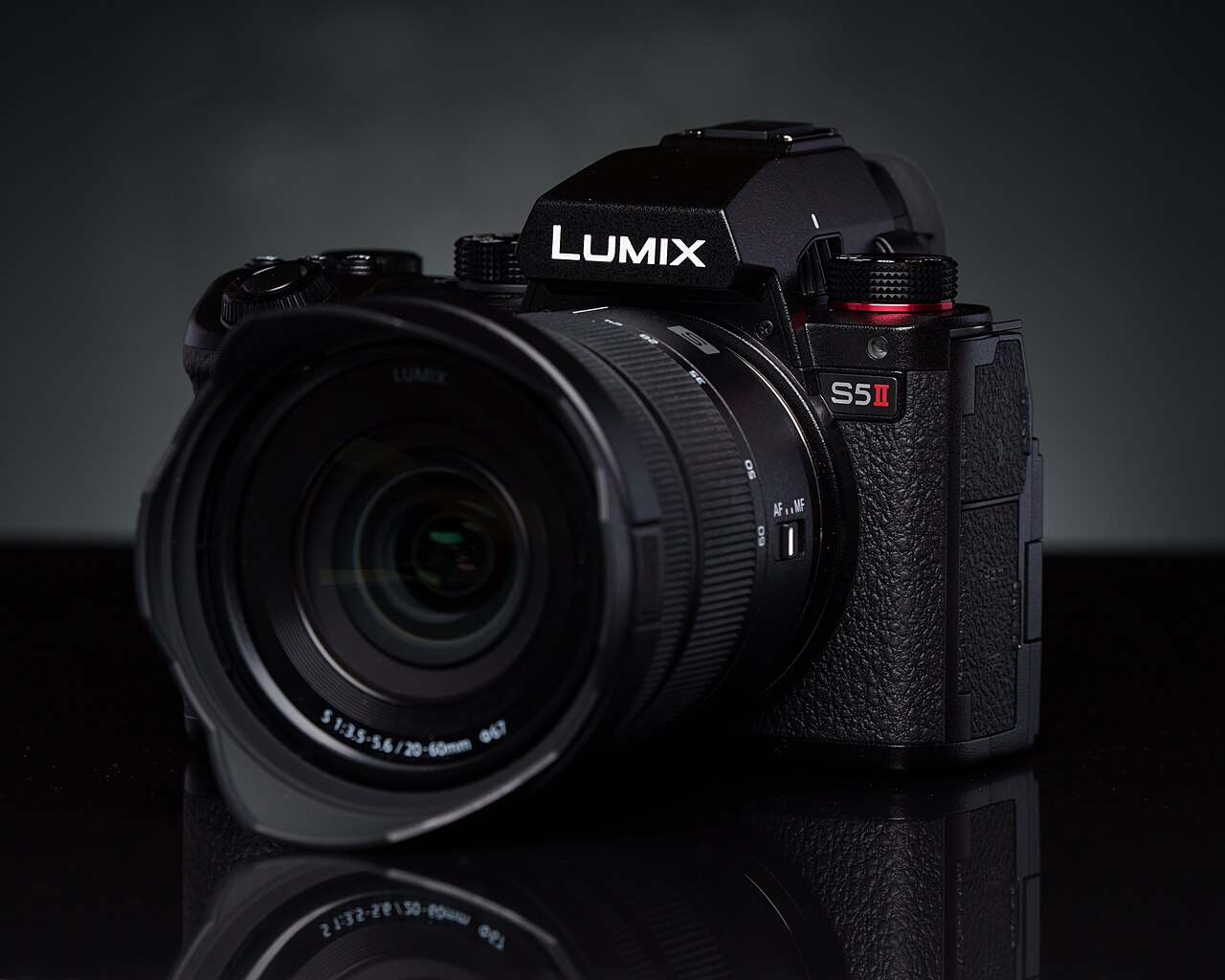
Panasonic Lumix S5 II Review: The Full-Frame Hybrid That Finally Nailed Autofocus
Disclosure: This article contains affiliate links. If you buy through…
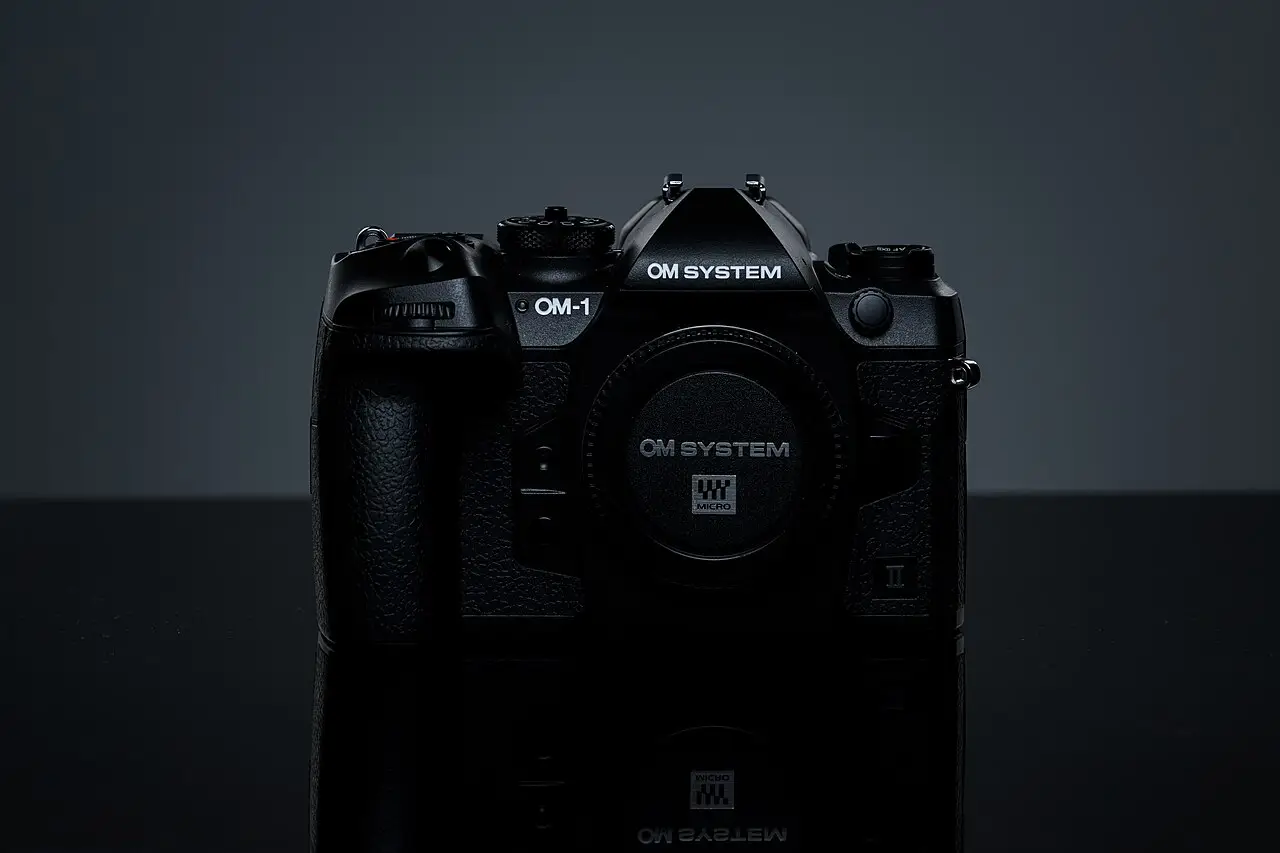
OM System OM-1 Mark II Review: The Best Micro Four Thirds Camera for Wildlife & Travel
Disclosure: This article contains affiliate links. If you buy through…
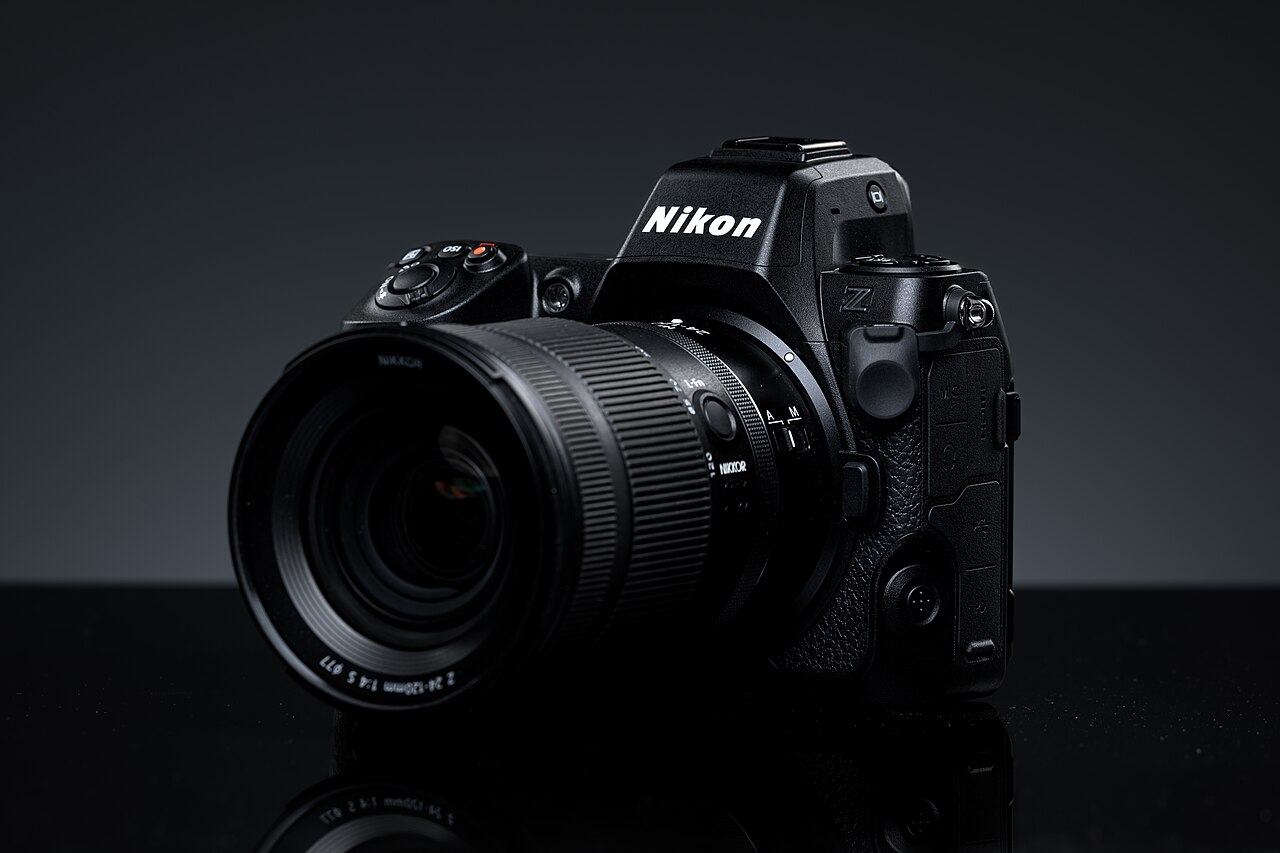
Nikon Z8 Review (2026): Flagship Power in a Lighter Body
Disclosure: This article contains affiliate links. If you buy through…