Blurry handheld shots are one of the most common frustrations in photography. No matter how steady your hands feel, tiny involuntary movements — your heartbeat, breathing, and muscle tremors — shift the camera during the exposure, smearing fine detail into softness. Image stabilization is the family of technologies built to fight exactly that. It comes in three main forms: optical (OIS), in-body (IBIS), and electronic (EIS). Here’s how each one works and when it actually matters.
Why camera shake blurs your photos
Every handheld shot has a moment where the sensor is gathering light. The longer that window stays open, the more opportunity your body has to move the camera. The classic rule of thumb is to keep shutter speed at or above one over the focal length — 1/125s for a 125mm lens, for example — to avoid visible blur. Stabilization effectively bends that rule, letting you shoot at much slower shutter speeds without a tripod.
Stabilization performance is measured in stops. Each stop of compensation roughly doubles the exposure time you can handhold. So a system rated at 5 stops might let you shoot at 1/4s instead of 1/125s and still get a sharp frame. That’s the difference between a grainy high-ISO image and a clean one.
Optical Image Stabilization (OIS) — stabilizing the lens
Optical Image Stabilization lives inside the lens. Small gyroscopic sensors measure angular movement thousands of times per second, and a microprocessor drives a motorized “floating” lens element in the opposite direction of the shake, keeping the light path steady on the sensor. Because the correction happens before light reaches the sensor, OIS works with any camera body the lens is attached to.
Every brand has its own name for the same idea: Canon’s IS, Nikon’s VR, Sony’s OSS, Fujifilm’s OIS, Sigma’s OS, and Tamron’s VC all describe optical stabilization. Classic OIS corrects primarily two axes of movement — the pitch and yaw (up-down and left-right tilts) that dominate hand shake. It’s most effective on telephoto lenses, where the narrow field of view magnifies any movement. Some systems also handle the higher-frequency vibration you get shooting from a moving vehicle or aircraft.
In-Body Image Stabilization (IBIS) — stabilizing the sensor
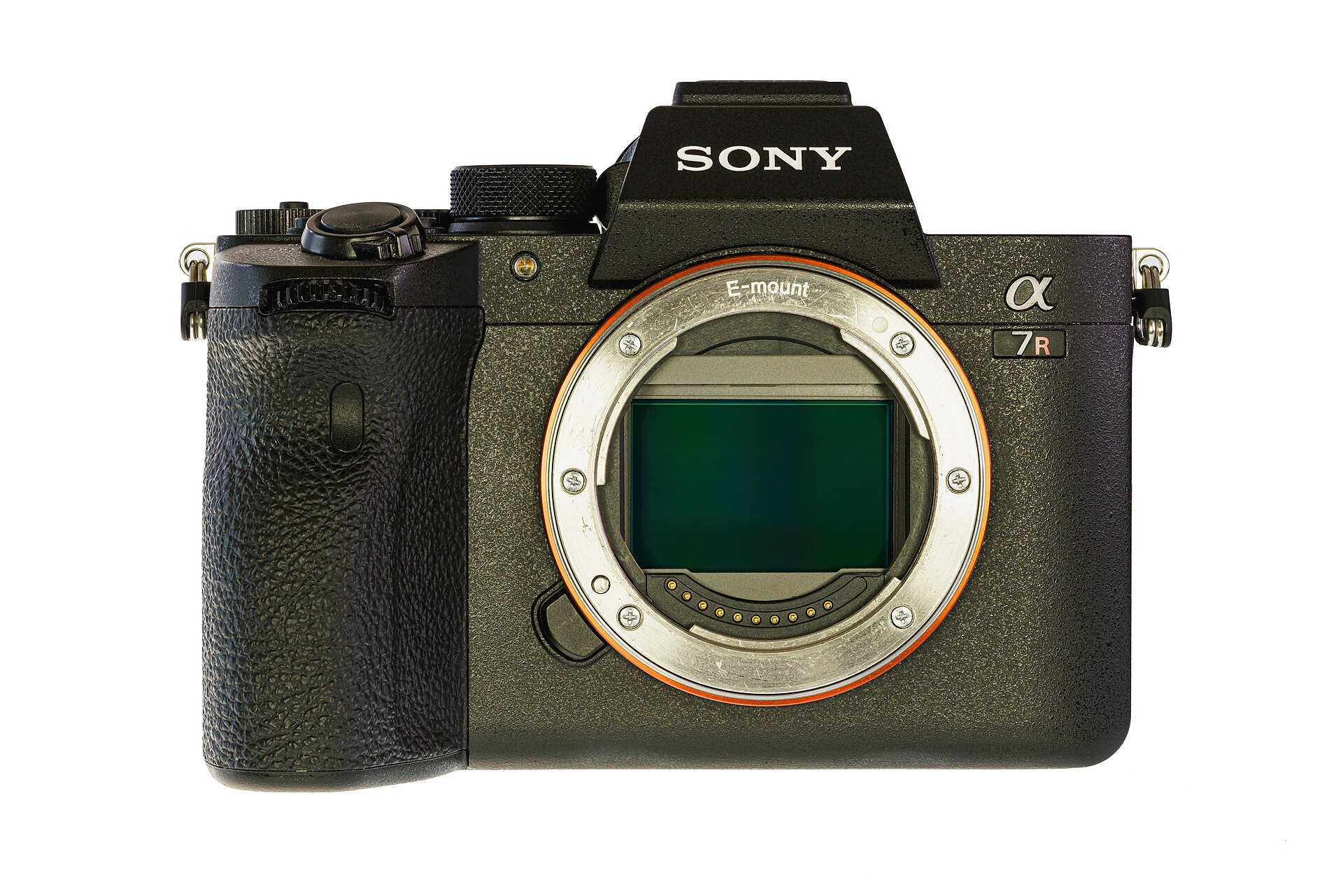
Instead of moving a lens element, IBIS moves the image sensor itself, mounted on a floating platform driven by magnetic actuators. The camera’s gyroscopes detect movement and shift the sensor to track the incoming image. The big advantage: IBIS stabilizes any lens you attach, including vintage primes and lenses that were never built with OIS.
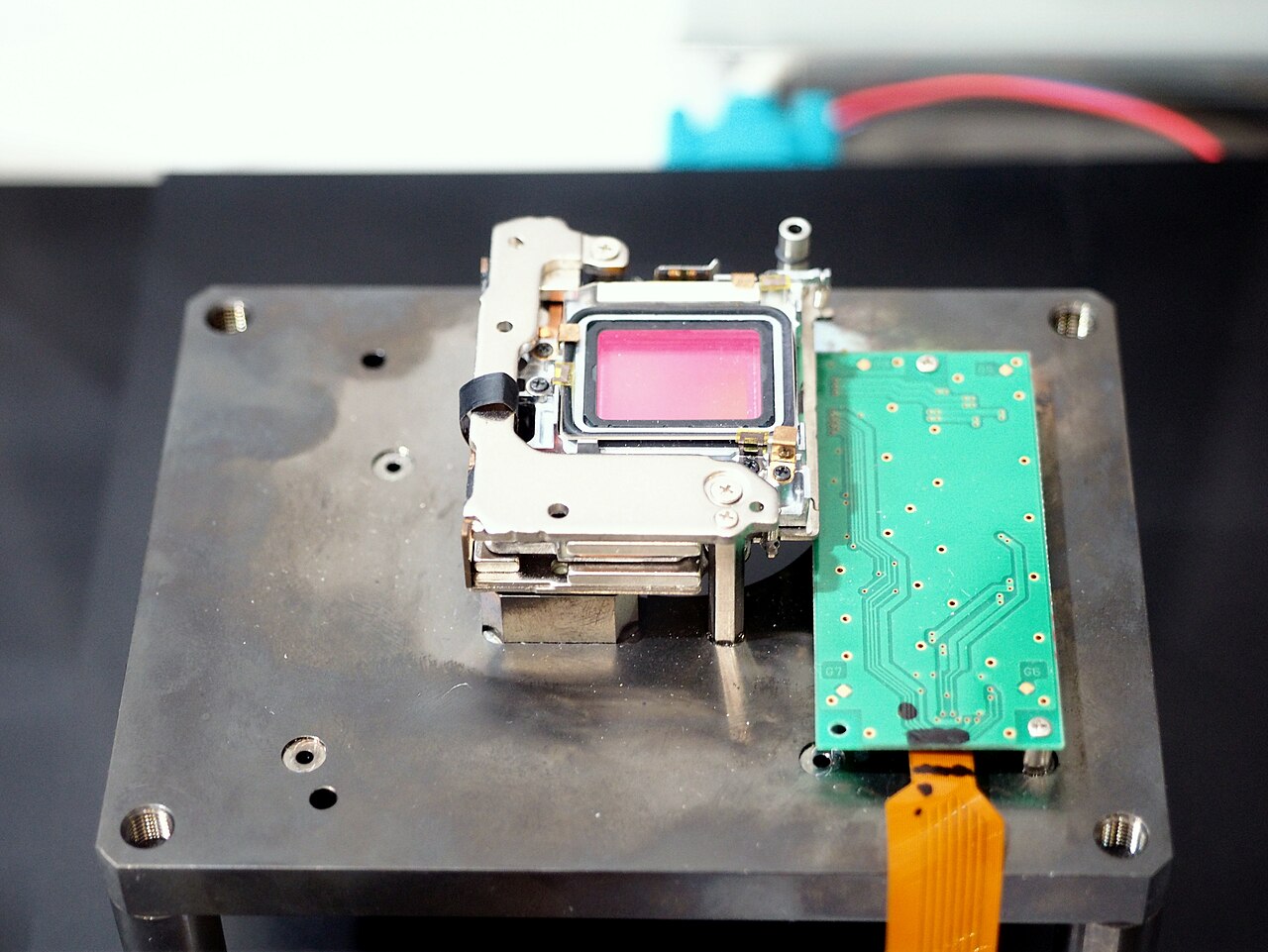
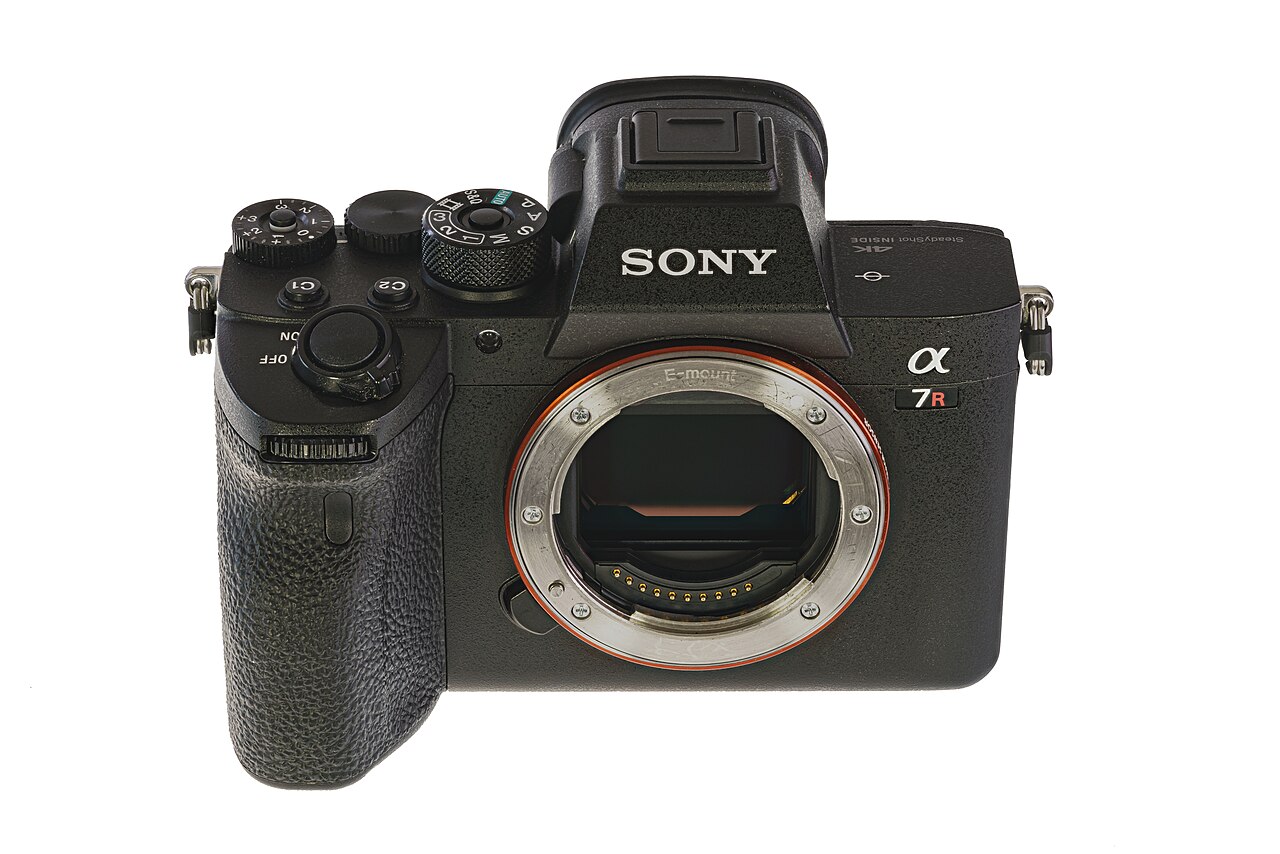
Where OIS handles two axes, modern IBIS corrects five: pitch, yaw, roll (rotation), plus horizontal and vertical shift. Olympus first popularized 5-axis sensor stabilization with the OM-D E-M5 in 2012, and Sony brought it to full-frame with the Alpha 7 II in 2014. Today it’s standard across most mirrorless lines, and manufacturers frequently rate flagship bodies at 5 stops or more of compensation.
Electronic Image Stabilization (EIS) — stabilizing in software
Electronic Image Stabilization doesn’t move any hardware. Instead, it crops into the frame slightly and uses the leftover border pixels as a buffer, shifting the recorded area frame by frame to counter movement. EIS is cheap, adds no bulk, and is the dominant approach in smartphones and action cameras, especially for video. The trade-off is a slightly reduced field of view and, in some implementations, a small resolution penalty or distortion. Modern phones often combine EIS with lens- or sensor-based OIS for the best of both.
OIS vs IBIS — which should you care about?
They’re complementary, and most current mirrorless systems combine them. When a stabilized lens is mounted on a body with IBIS, the two systems coordinate — the lens handles the larger angular movements while the sensor corrects the finer shifts and roll. Canon’s RF cameras, for instance, pair lens IS with in-body stabilization to reach up to around 8 stops with select lenses, even ones without their own stabilizer.
If you shoot adapted or manual lenses, IBIS is the feature to prioritize — it works regardless of the glass. If you shoot long telephoto, OIS in the lens tends to be more effective at correcting the shake that magnifies with focal length. Ideally you get both.
When to switch it off
Stabilization isn’t always your friend. On a solid tripod, the system can hunt for movement that isn’t there and introduce its own micro-blur, so most manufacturers recommend turning it off when the camera is locked down. It also drains battery continuously while active, so switching to a shooting-only mode (or off entirely) helps on long days. And for fast panning shots, check your camera’s panning mode — many systems can detect intentional movement and stabilize only the perpendicular axis.
Conclusion
Image stabilization is quietly one of the most useful technologies in a modern camera. OIS corrects shake at the lens, IBIS at the sensor, and EIS in software — and together they let you handhold sharper images at slower shutter speeds than the old focal-length rule would ever allow. Understanding the difference helps you pick the right gear and know when to leave the switch on, and when to turn it off.
FAQ
Is IBIS better than OIS?
They solve different problems. IBIS stabilizes any lens and corrects five axes including roll, while OIS is generally more effective for long telephoto lenses. The best current systems combine both.
Does image stabilization reduce image quality?
OIS and IBIS physically correct shake and don’t degrade detail. Electronic stabilization crops the frame slightly, which can reduce field of view and, in some cases, effective resolution — mainly a video concern.
Should I turn off stabilization on a tripod?
Yes. Most manufacturers advise disabling OIS or IBIS when the camera is on a solid tripod, because the system can overcorrect and add slight blur while also draining the battery.
What do the “stops” in a stabilization rating mean?
One stop of stabilization roughly doubles the exposure time you can handhold. A 5-stop system might let you shoot around 32 times longer (about five stops slower) than the usual focal-length rule suggests.
Related Posts
Image Stabilization Explained: OIS, IBIS, and EIS
Blurry photos and shaky video share one root cause: camera…
Pixel Binning Explained: How Your Phone Camera Captures Brighter Low-Light Photos
If you've ever wondered why a 108-megapixel phone still saves…
Lens Mount Systems Compared: Canon RF vs Sony E vs Nikon Z vs Fujifilm X
When you buy an interchangeable-lens camera, you are not just…