Every time you half-press the shutter button, your camera has to make a split-second decision: should it lock focus once, keep tracking a moving subject, or hand the choice entirely to you? That decision is controlled by the focus mode. For beginners, the three focus modes — AF-S, AF-C and Manual — are among the most important settings to understand, yet they are also the most commonly ignored. This guide breaks down exactly what each mode does, what the major brands call them, and when to reach for each one.
What Are Focus Modes?
Focus modes tell the autofocus system how to behave once it has found a subject. They do not change where the camera looks — that is the job of your focus area or focus point — they change what happens after. Think of the focus area as choosing which box to look through, and the focus mode as deciding whether to glance once, stare continuously, or do the work by hand.
Two autofocus modes plus one manual mode cover almost every shooting situation. Nikon, Sony and Fujifilm label them AF-S and AF-C, while Canon uses the names One-Shot AF and AI Servo AF. The underlying behaviour is identical across brands, so learning one set of terms teaches you all of them.
AF-S — Single Autofocus
AF-S stands for Auto Focus Single, and Canon calls it One-Shot AF. When you half-press the shutter, the camera focuses once, confirms with a beep or a green dot in the viewfinder, and then locks that distance. If you or your subject move after the lock, the camera does not refocus — you need to release the button and half-press again.
AF-S is the default mode on most cameras for good reason. It is ideal for any static subject: portraits, landscapes, product shots, food photography and architecture. Because the focus locks, you can focus and then recompose your framing without the camera fighting you — a technique photographers call focus-and-recompose.
One caution: many cameras will refuse to fire until focus is confirmed in AF-S, a behaviour called focus priority. If your subject has very little contrast, the camera may hunt back and forth and never lock. That is your cue to switch to manual.
AF-C — Continuous Autofocus
AF-C stands for Auto Focus Continuous, and Canon’s equivalent is AI Servo AF. In this mode the camera focuses the moment you half-press the shutter and keeps adjusting for as long as you hold the button down. If the subject moves closer, the lens refocuses; if it moves away, the lens refocuses again. Modern mirrorless cameras pair this with subject tracking, so the camera follows a person’s eye, an animal or a vehicle across the entire frame.
AF-C is the mode for anything that moves: sports, wildlife, children, pets and even handheld video. It is also the safer choice when you are the one moving, such as walking toward a subject while shooting.
The trade-off is that AF-C never truly locks. Because it is always adjusting, it can drift onto a higher-contrast background if the subject briefly leaves your focus point, and it drains the battery faster than AF-S. Most cameras also default to release priority in AF-C, meaning the shutter will fire even if focus is not perfect.
Manual Focus (MF)
Manual focus switches autofocus off entirely and hands the focus ring on the lens to you. It has not disappeared in the autofocus era — it has simply become a specialist tool.
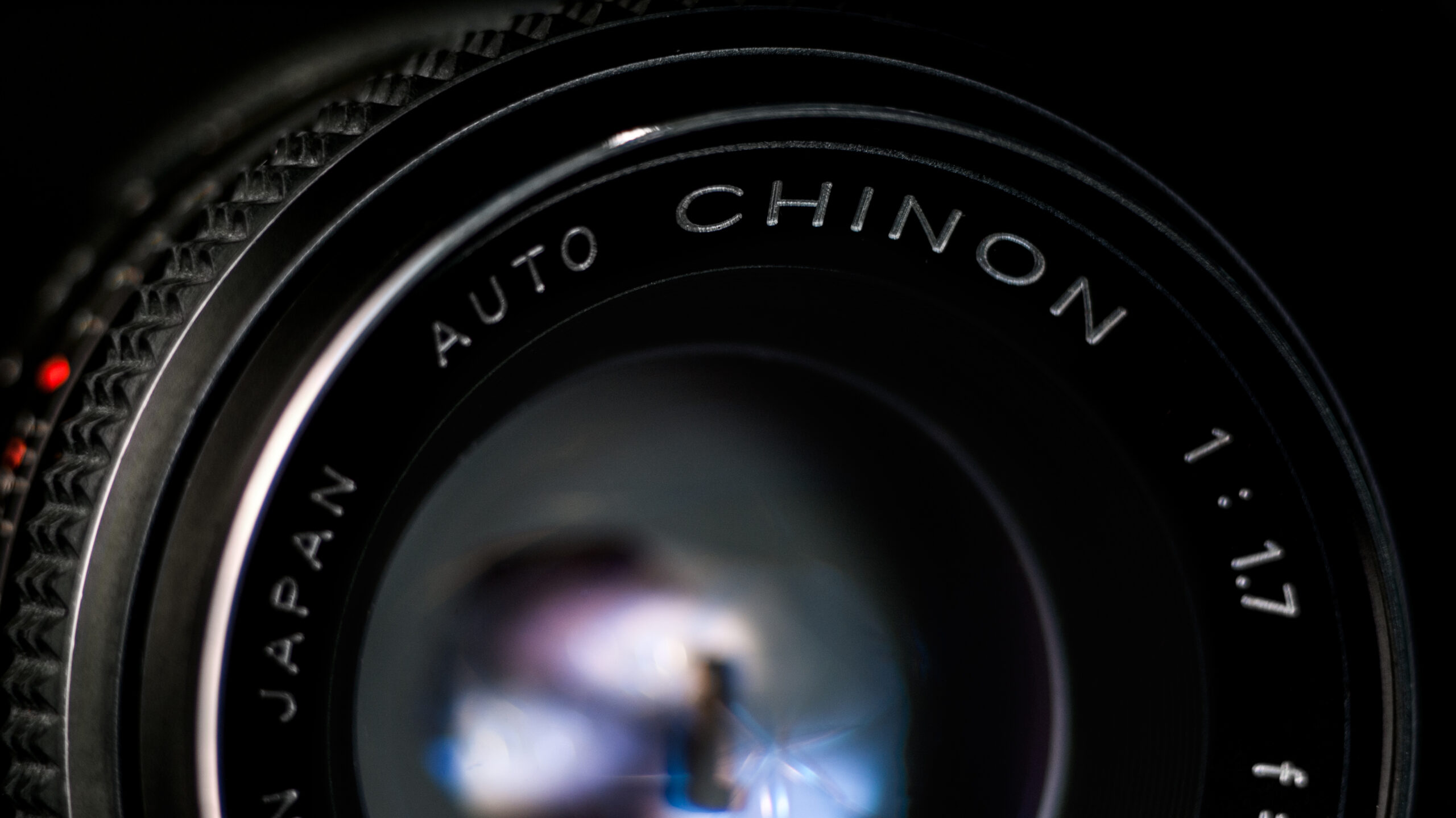
Manual focus shines where autofocus struggles: macro photography at extreme magnification, astrophotography aimed at stars too dim for phase detection, shooting through glass or fences, and studio product work where the focus must never shift between frames. Videographers also rely on it for smooth, intentional focus pulls.
Modern mirrorless cameras make manual focus far easier than it used to be with two aids: focus peaking, which paints in-focus edges in a bright colour, and focus magnification, which zooms the view so you can see fine detail. On lenses with a focus-by-wire design, the ring sends an electronic signal rather than physically moving the glass, which is why they feel so light.
How to Choose the Right Focus Mode
A simple rule of thumb: if the subject is still, use AF-S; if it is moving, use AF-C; and if the camera cannot decide or keeps missing, switch to manual.
- Portraits, landscapes, products, food → AF-S
- Sports, wildlife, kids, pets, video → AF-C
- Macro, astro, low contrast, precise repeatable focus → Manual
Many photographers leave the camera in AF-C with back-button focus enabled, which gives them the best of both worlds: hold the button to track, release it to lock. Whichever approach you choose, the goal is the same — the mode should match the motion, so the camera is never guessing at the worst moment.
Conclusion
Focus modes are one of the smallest settings on your camera and one of the biggest differences between a sharp shot and a soft one. AF-S locks once for still subjects, AF-C tracks continuously for moving ones, and manual focus puts you in complete control when the electronics cannot keep up. Spend a few minutes switching between all three and they will soon become second nature.
FAQ
What does AF-S mean on a camera?
AF-S stands for Auto Focus Single. The camera focuses once when you half-press the shutter and locks that distance until you release it. Canon calls the same mode One-Shot AF.
Is AF-C better than AF-S?
Neither is better — they serve different jobs. AF-C continuously refocuses for moving subjects, while AF-S locks once for still subjects. For a moving subject AF-C wins; for a static one AF-S is more precise and predictable.
When should I use manual focus?
Use manual focus when autofocus struggles or when you need absolute consistency: macro and close-up work, astrophotography, shooting through glass, and situations with very low contrast.
Related Posts
Rule of Thirds and Leading Lines: Master the Two Most Important Composition Rules
Composition is what separates a snapshot from a photograph. A…
Understanding ISO in Photography: A Complete Beginner’s Guide
Exposure is the foundation of every photograph, and three settings…

Depth of Field: A Complete Guide for Photographers
Shallow depth of field isolates the subject against a blurred…