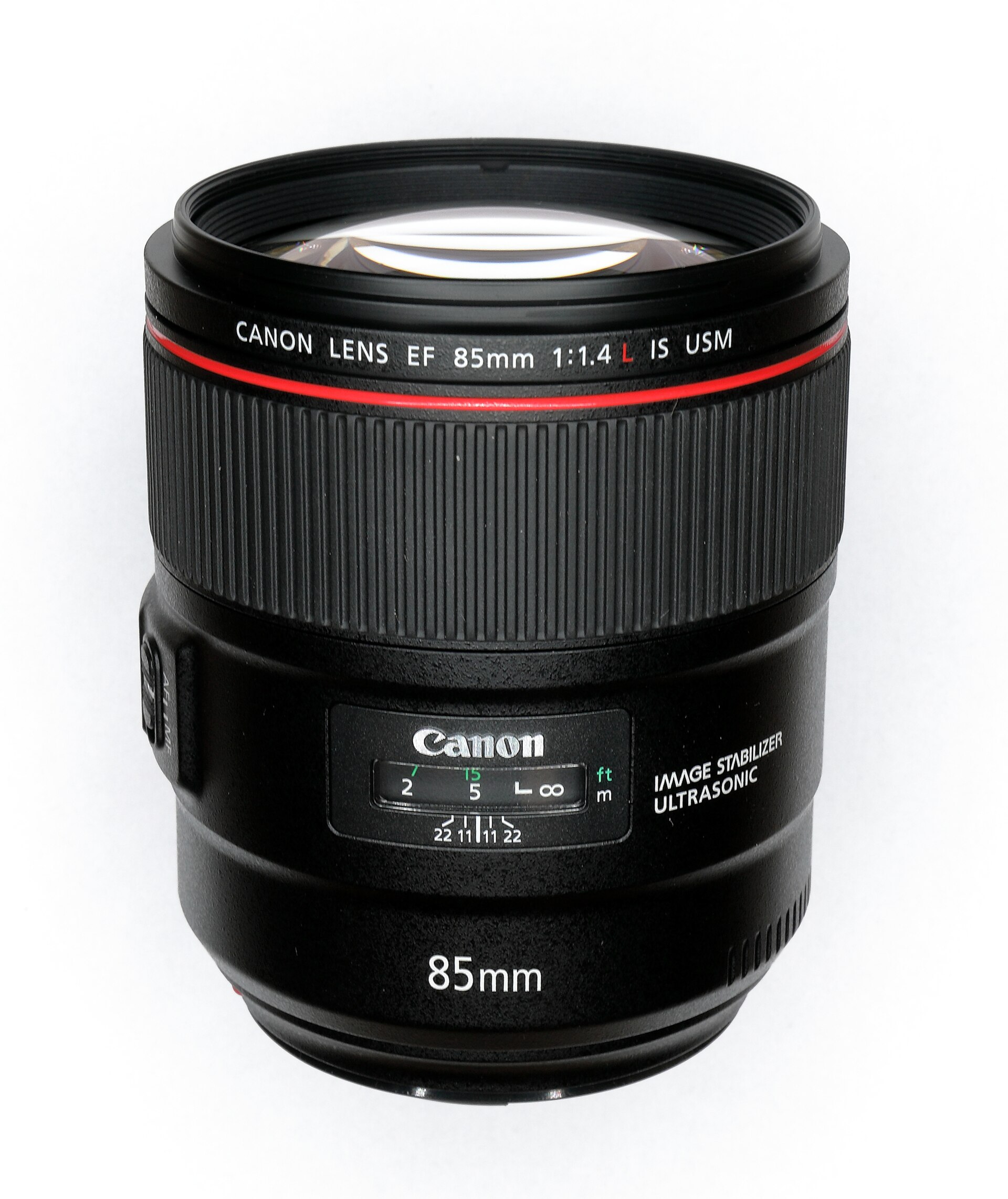
Ask any working portrait photographer which lens they would keep if they could own only one, and the answer is almost always the same: a fast prime in the 85mm range. But the best portrait lens is not a single product — it depends on your camera mount, your budget, and the kind of portraits you want to make. This buying guide breaks down the focal lengths and lenses that consistently produce flattering, professional results, from a budget 50mm starter to flagship f/1.2 glass.
Why Focal Length Matters More Than Megapixels
Focal length does more than decide how much of a scene fits in the frame — it changes how your subject’s face is rendered. At short focal lengths you have to move close to fill the frame, and wide-angle perspective stretches facial features: the nose looks larger and the ears smaller. Step back with a longer lens and perspective compresses, bringing features into a more balanced, natural-looking relationship. That is why lenses between roughly 50mm and 200mm (on full-frame) dominate portrait photography, and why 85mm in particular earned its reputation as the classic.
The 85mm Prime: The Portrait Gold Standard
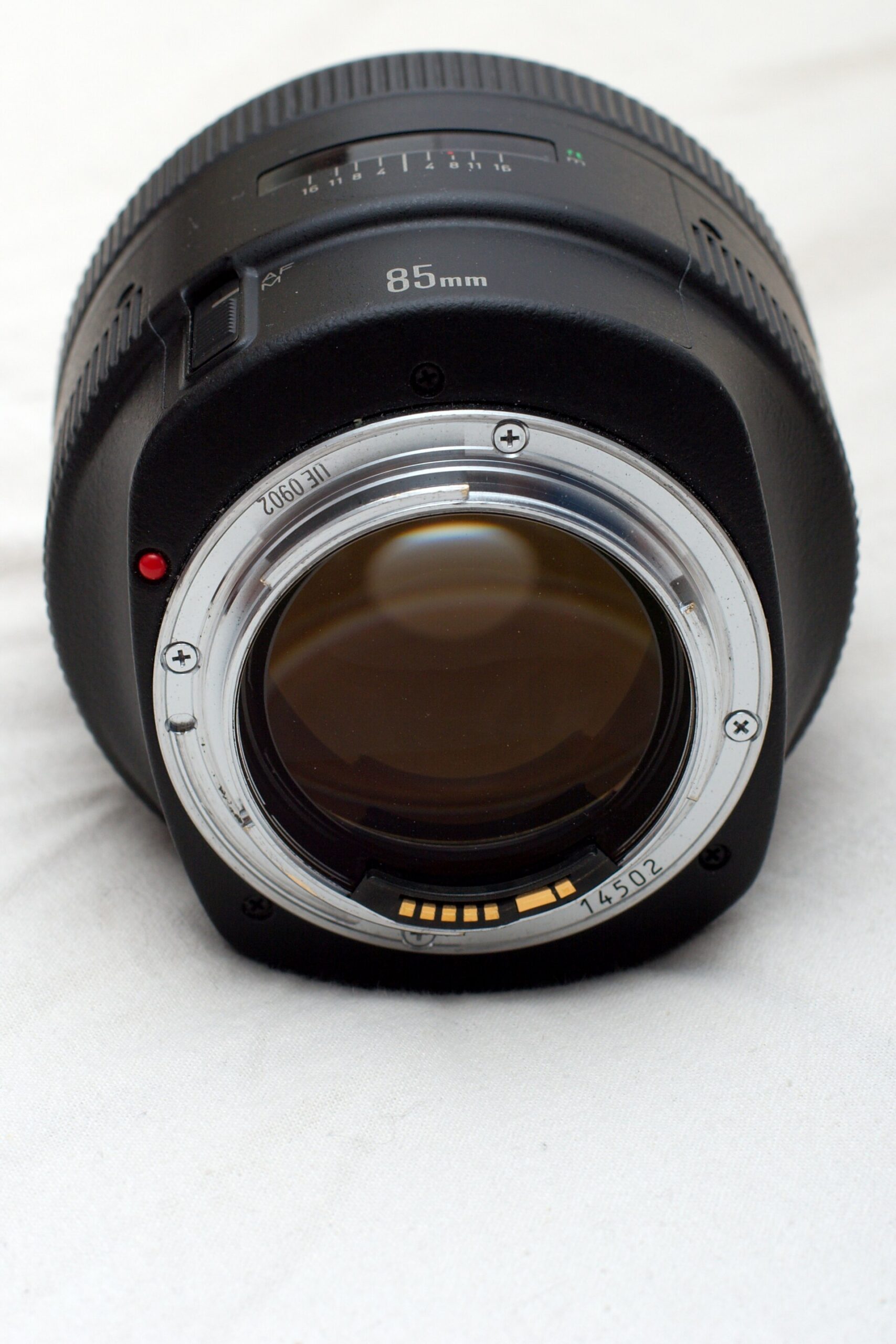
On a full-frame camera, 85mm is the reference portrait focal length. It delivers flattering compression while keeping you a comfortable 1.5–3 metres from your subject — close enough to talk and direct them, far enough that they don’t feel crowded. Combined with a wide aperture, it produces the smooth, creamy background blur that separates a subject from a busy backdrop.
Flagship options include the Canon RF 85mm f/1.2L USM (around $2,999) and the Nikon Z 85mm f/1.2 S (around $2,099), both prized for extraordinary bokeh and micro-contrast. Sony shooters get the FE 85mm f/1.4 GM II (around $1,899), which pairs an 11-blade aperture with twin XD linear autofocus motors that lock onto an eye and hold it — a genuine advantage for tracking moving subjects.
You don’t need f/1.2 to make great portraits. The Sigma 85mm f/1.4 DG DN Art (around $1,189, for Sony E and L-mount) delivers near-flagship sharpness and bokeh at roughly half the price of first-party f/1.4 lenses. The Nikon Z 85mm f/1.8 S and Sony FE 85mm f/1.8 are even more affordable and famously sharp, while the Canon RF 85mm f/2 Macro IS STM adds 5 stops of stabilisation and 0.5x macro focusing for detail shots of rings and jewellery during the same session.
The 50mm Prime: The Best Budget Starting Point
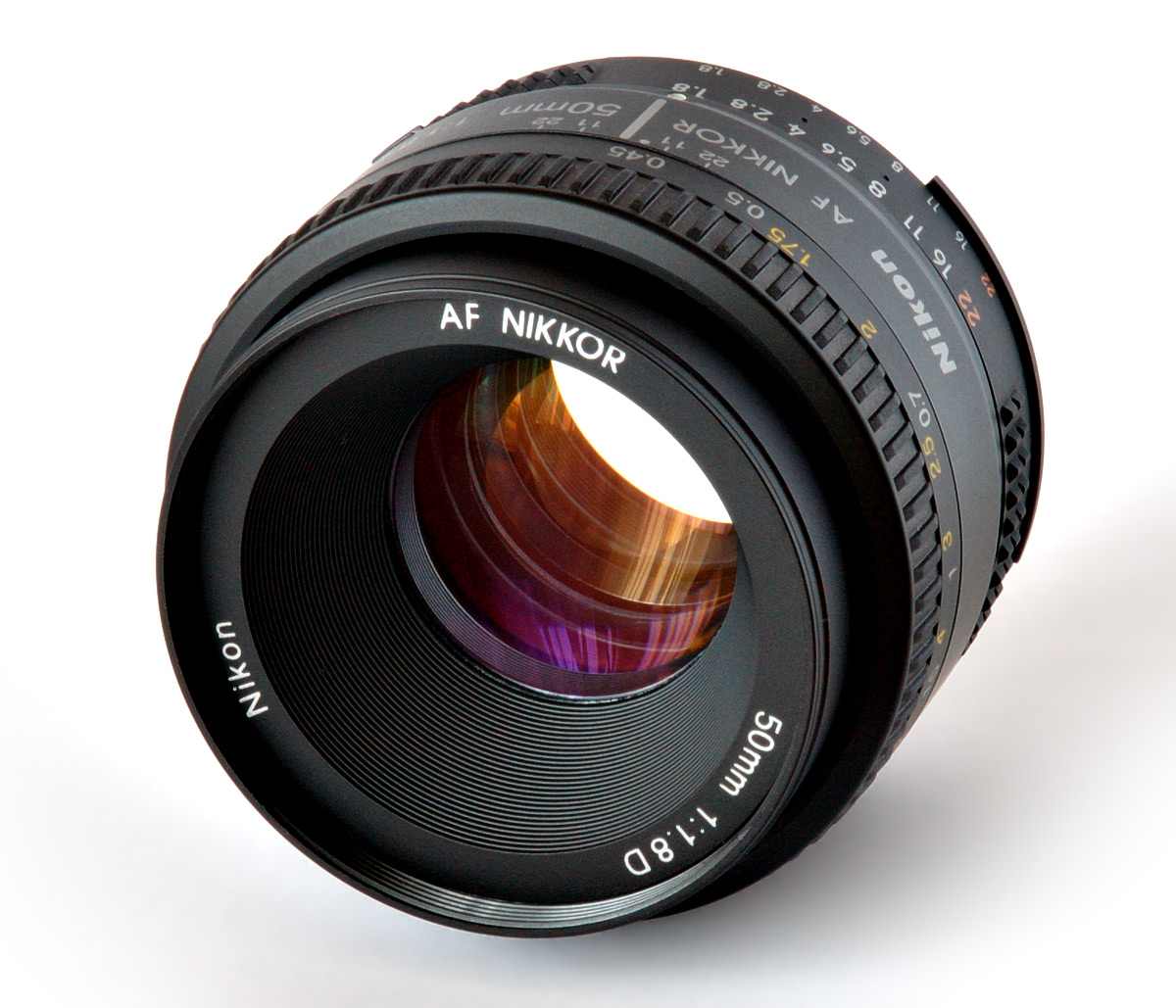
If you’re new to portraiture, a 50mm f/1.8 prime is the smartest first buy. Every major system has one for under $300 — the Canon RF 50mm f/1.8 STM is a modern classic at around $200 and weighs just 160g — and the jump in image quality versus a kit zoom is dramatic. At f/1.8 you get genuine subject separation, and the slightly wider field of view is forgiving in small rooms and useful for three-quarter and full-body portraits. On an APS-C body a 50mm becomes a roughly 75–80mm equivalent, close to the classic portrait perspective — the Fujifilm XF 56mm f/1.2 does the same job natively on X-mount cameras.
The trade-off is subtle: at close headshot distances, a 50mm can produce mild perspective exaggeration compared with an 85mm. That is rarely a deal-breaker for environmental and lifestyle work, but it’s why most headshot specialists eventually add an 85mm to the bag.
The 70-200mm f/2.8 Zoom: The Versatile Workhorse
For weddings, events and candid work, a 70-200mm f/2.8 is the lens professionals reach for. A constant f/2.8 aperture gives consistent exposure and pleasing blur, while the zoom lets you reframe from a distance without interrupting the moment. At 135mm you get moderate compression and candid portraits from 3–5 metres; at 200mm backgrounds compress dramatically, pulling a subject cleanly out of a busy scene. Options like the Canon RF 70-200mm f/2.8L IS USM and the Sony FE 70-200mm f/2.8 GM II are heavy investments, but for anyone shooting events they replace several primes.
Environmental Portraits: 35mm and Wider
Not every portrait is a tight headshot. When the location is part of the story — a chef in their kitchen, an artist in their studio — a 35mm f/1.4 or f/1.8 lets you include the environment while keeping the subject sharp and the background controlled. Just keep a sensible distance from your subject’s face, because wide angles exaggerate perspective up close.
How to Choose: A Quick Checklist
- Mostly headshots? Start with an 85mm prime — f/1.8 if you’re on a budget, f/1.4 or f/1.2 if bokeh is your signature.
- Want an all-rounder? A 50mm f/1.8 covers half-body, full-body and everyday shooting for under $300.
- Shooting events or candids? A 70-200mm f/2.8 covers almost every distance from one lens.
- Tell stories with the location? Add a 35mm prime for environmental portraits.
- On a crop sensor? Multiply by 1.5x: a 50mm behaves like a 75mm, and a 56mm like an 85mm.
Frequently Asked Questions
What focal length is best for portrait photography?
85mm on full-frame is the most popular and versatile choice, offering flattering compression, a comfortable working distance, and excellent background blur. On crop-sensor cameras, a 50–56mm lens gives a similar perspective.
Is 50mm or 85mm better for portraits?
Both are excellent but serve different needs. An 85mm produces stronger compression and cleaner background blur, making it ideal for headshots. A 50mm offers a wider field of view that works better in small spaces and for environmental or full-body portraits.
Do I need an f/1.4 lens for good portraits?
No. An f/1.8 lens captures most of the look at a fraction of the price and weight. The jump from a kit zoom to a 50mm f/1.8 or 85mm f/1.8 is far more significant than the step from f/1.8 to f/1.4.
Conclusion
The best portrait lens is the one that matches how you shoot. If you buy a single lens, an 85mm prime is the safest and most rewarding choice; if you’re just starting out, a 50mm f/1.8 gives you most of the portrait look for a fraction of the cost; and if you shoot events, a 70-200mm f/2.8 earns its keep every weekend. Start with the focal length that fits your style, buy the best aperture your budget allows, and you’ll rarely wish you’d bought anything else.
Related Posts
Best Budget Lenses for Beginners: 7 Affordable Upgrades That Beat Your Kit Lens
Every beginner starts with the kit lens — and that's…
Best Cameras for Landscape Photography (2025 Buying Guide)
Landscape photography is a test of patience and detail. The…
New vs Used Cameras: What to Consider Before You Buy
Every photographer eventually asks the same question: buy new, or…