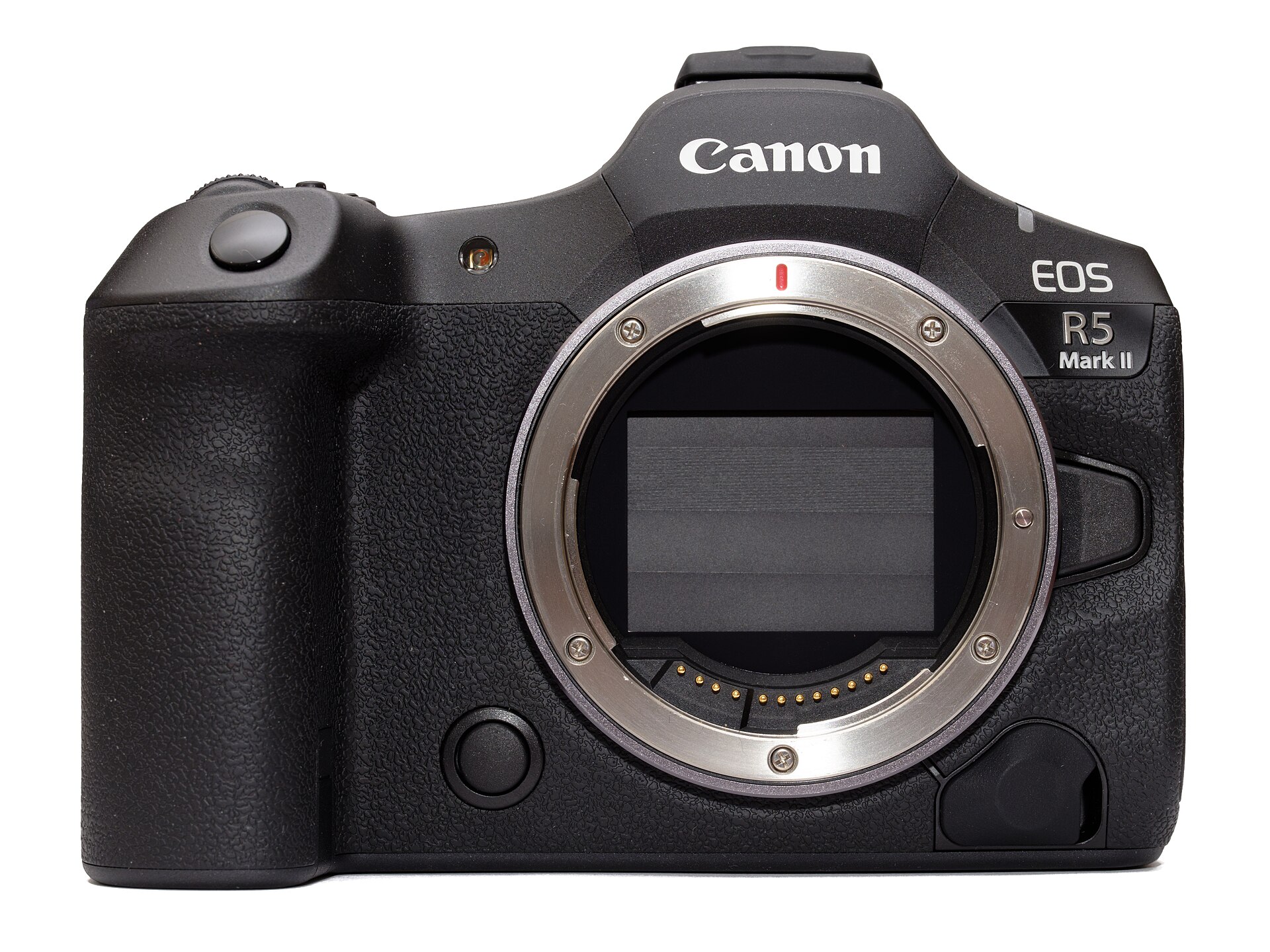
Samsung has taken the megapixel race in a new direction. Instead of chasing an ever-higher pixel count, the new ISOCELL HP5 squeezes 200 million pixels into a sensor built on the industry’s smallest pixel — just 0.5 micrometers (µm) across. Announced in late 2025 and named a CES 2026 Innovation Award honoree in the Imaging category, the HP5 delivers 200-megapixel stills and 8K video from a compact 1/1.56-inch optical format, the same size manufacturers have long reserved for 50-megapixel sensors. That makes it one of the most consequential mobile-imaging launches of the year — not because of the headline number, but because of how Samsung reached it.
What is the ISOCELL HP5?
The ISOCELL HP5 is a mobile image sensor with an effective resolution of 16,384 × 12,288 pixels — exactly 200 megapixels. It is built on Samsung’s Tetra²pixel RGB Bayer color filter, which lets the sensor switch between three readout modes depending on light. In bright conditions it captures the full 200MP frame at 7.5 frames per second; in dimmer light it bins pixels to produce cleaner 50MP shots (at 1.0µm effective pixels) or 12.5MP shots (at 2.0µm), with frame rates climbing to 30 fps and 90 fps respectively. The sensor is already in mass production and is designed for both wide-angle and telephoto duties in premium smartphones.
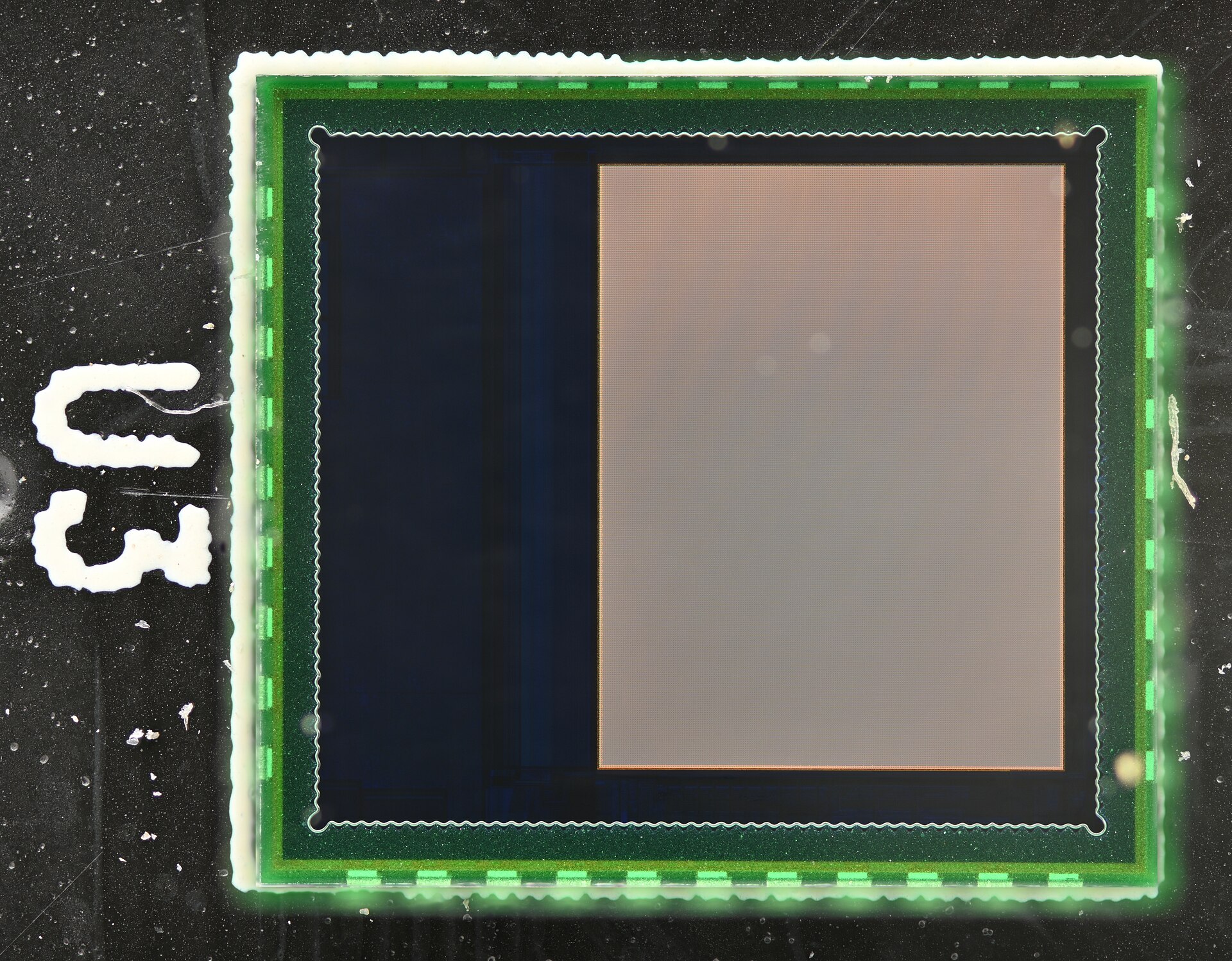
How 0.5µm pixels work: FDTI and D-VTG
The hard part of shrinking pixels is physics: a smaller photodiode simply collects less light. Samsung answers this with a pair of structural innovations. Front Deep Trench Isolation (FDTI) carves deep isolation walls between pixels to cut optical crosstalk, so each 0.5µm pixel captures light with higher fidelity. The Dual Vertical Transfer Gate (D-VTG) gives each pixel two transfer gates instead of one, letting the sensor stably store and move more electrons to the floating-diffusion node. Samsung says this delivers up to 66% higher full-well capacity versus single-gate designs — more headroom for bright highlights and less noise overall. A further refinement, DTI Center Cut (DCC), opens part of the trench between four photodiodes to sharpen autofocus and reduce noise, which Samsung credits with a 150% increase in conversion gain and a 3–40% reduction in random noise depending on the scene.
Faster processing with E2E AI Remosaic
Ultra-high-resolution sensors carry a practical problem: remosaicing a 200MP Bayer frame into a viewable image is compute-heavy. The HP5 uses End-to-End (E2E) AI Remosaic to accelerate that step, producing full-resolution 200MP photos in under two seconds. The upshot is that ultra-high-resolution shots feel instant rather than leaving users staring at a processing spinner.
HDR, color, and video capabilities
For dynamic range, the HP5 pairs Smart ISO Pro (using Samsung’s iDCG technology) with Staggered HDR, which reads long, medium, and short exposures line by line and merges them into a single frame — useful for retaining detail in both shadows and highlights while reducing motion artifacts. Color gets a lift as well: the sensor outputs 13-bit data, which Samsung says represents more than 550 billion color combinations, roughly eight times that of a 12-bit sensor. On the video side, the HP5 records 8K at 30 fps, 4K at 120 fps, and Full HD at up to 480 fps (without autofocus).
Zoom and the telephoto play
Because the sensor carries so much resolution, it can crop instead of leaning purely on digital zoom. Samsung lists 2x in-sensor zoom with lossless quality, and says pairing the HP5 with a 3x telephoto module stretches effective reach to around 6x while keeping detail intact. That is why the HP5 is drawing attention specifically as a telephoto and periscope sensor — not just a main camera.
Which phones will use it?
Samsung has not confirmed which Galaxy devices will carry the HP5, and early reports suggest it may appear first in handsets from Chinese OEMs. TechInsights and other outlets have reported that OPPO’s flagship Find X9 series is expected to use the HP5 for its periscope zoom camera. If that holds, the HP5 will be a sensor to watch across late 2025 and early 2026 flagships.
Conclusion
The ISOCELL HP5 is a milestone in pixel engineering: a 200MP sensor that fits the same footprint as a 50MP module, with the light-gathering tricks needed to make 0.5µm pixels practical. Whether it lands in a Samsung phone first or debuts in another brand’s flagship, it signals where mobile photography is heading — more resolution, slimmer modules, and processing that keeps pace with the hardware.
FAQ
Is the ISOCELL HP5 Samsung’s first 200MP sensor?
No. Samsung already sells the ISOCELL HP2, HP3, and HP9 200MP sensors. The HP5 is the first 200MP sensor with 0.5µm pixels, and the smallest 200MP sensor Samsung has built.
Which phones will use the ISOCELL HP5?
Nothing is official yet. Reports point to the OPPO Find X9 series using it for its periscope telephoto camera, but Samsung has not confirmed a Galaxy launch.
Can the ISOCELL HP5 record 8K video?
Yes — up to 8K at 30 fps, plus 4K at 120 fps and Full HD at up to 480 fps.
Related Posts
2026 Mirrorless Camera Market Trends: What CIPA Data Reveals
The mirrorless camera market has entered a new phase in…
Fujifilm GFX100RF Medium Format Launch: 102MP in a Compact Fixed-Lens Body
Fujifilm has just done something it has never attempted in…