On October 28, 2026, Sony Semiconductor Solutions announced the LYTIA 720, a new 50-megapixel stacked CMOS image sensor built for smartphone main cameras. The sensor borrows technology from Sony’s high-end LYTIA series and promises a meaningful jump in low-light quality, with up to 100 dB of dynamic range and 4K HDR video at 60 frames per second. Mass production is scheduled to begin in early November 2026.
What Is the Sony LYTIA 720?
The LYTIA 720 is a Type 1/1.56 sensor — that is, a 10.24 mm diagonal — carrying roughly 50 effective megapixels with 1.0-micrometer pixels arranged in a Quad Bayer color filter. The 1/1.56-inch size class is one of the most widely used formats in smartphones today, so the sensor drops easily into existing camera module designs. The high pixel count gives phone makers headroom to crop in for a lossless 2x-style zoom, while Quad Bayer coding lets the sensor bin four pixels into one for brighter low-light shots at 12.5 megapixels.
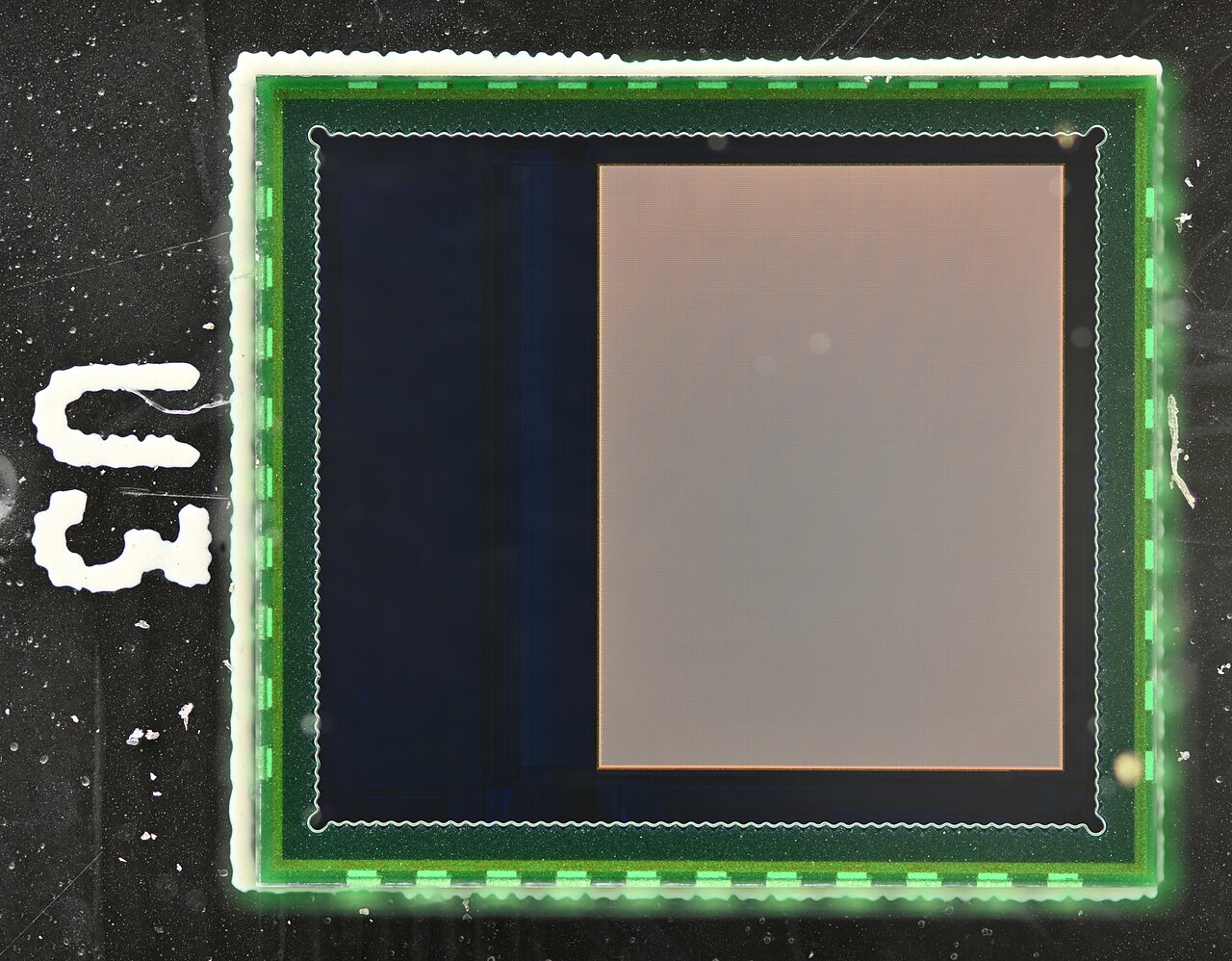
UHCG: Cutting Random Noise in Half
The headline feature is Sony’s Ultra High Conversion Gain (UHCG) circuit technology. Conversion gain measures how efficiently a sensor turns captured charge into a usable voltage signal; a higher conversion gain means the signal is amplified before it can be swamped by read noise. Sony says the UHCG design reduces random noise in dark scenes by approximately 50% compared to a conventional product — the company cites the LYTIA 700 as the reference. In practice, that should translate to visibly cleaner shadows, less visible grain, and better color fidelity when shooting in dim indoor light or after sunset.
Hybrid Frame-HDR and 100 dB Dynamic Range
Sony pairs UHCG with Hybrid Frame-HDR (HF-HDR). The technique combines two data streams: dual conversion gain HDR (DCG-HDR), which captures a bright, low-noise exposure for mid-tones and shadows, and a separate short-exposure frame that protects bright highlights. Merging the two lets the sensor reach 100 dB of dynamic range — roughly 16.6 stops — while reducing the ghosting and motion artifacts that can appear when multi-frame HDR blends several long exposures. Backlit subjects, bright skies, and high-contrast scenes should hold detail at both ends of the tonal range in a single capture.
4K HDR Video and Fast Readout
Redesigned analog-to-digital conversion circuits let the LYTIA 720 record 4K video at 60 fps with HDR enabled and all-pixel autofocus active — a notable point, because HDR capture often forces a frame-rate penalty. Sony says the sensor performs HDR in a single frame rather than stitching several together, which cuts motion artifacts when subjects move quickly. Without HDR, the sensor tops out at 4K 120 fps. On the stills side, it can shoot full 50-megapixel images at 30 fps, or binned 12.5-megapixel shots at 90 fps (30 fps with DCG-HDR engaged).
Where It Fits in Sony’s LYTIA Lineup
The LYTIA 720 slots below the flagship LYTIA 901 (a 200-megapixel Type 1/1.12 sensor) and the LOFIC-equipped LYTIA 910, landing squarely in the mainstream 1/1.56-inch tier that feeds mid-range phones and flagship telephoto modules. Sony positions it as a main-camera sensor for mid-range devices or a telephoto sensor in high-end flagships.
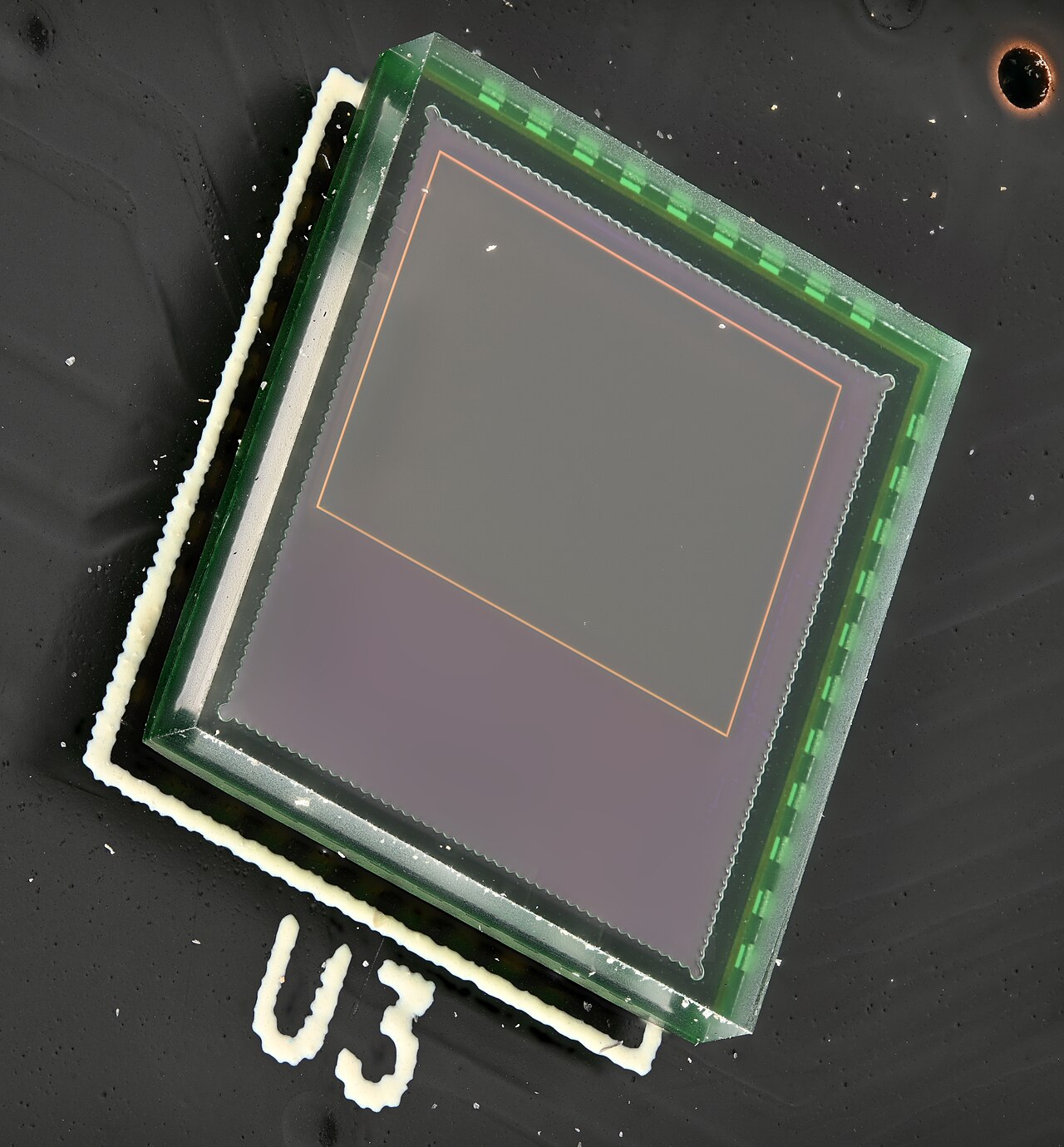
The broader picture is a hardware arms race in smartphone imaging. At the top end, Sony’s LYTIA 901 and OmniVision’s OVB0D 200-megapixel sensor compete on sheer resolution and large 1/1.1-inch-class dies, while Samsung continues to push its own 200-megapixel ISOCELL designs. The LYTIA 720 brings two flagship ideas — very high dynamic range and 4K 60p HDR video — down to a sensor size that phone makers can adopt widely and cheaply.
What the LYTIA 720 Means for Your Next Phone
Sony has not named device partners yet, but the 1/1.56-inch format is common enough that the LYTIA 720 could show up in a range of mid-tier and upper-mid-tier phones over the coming year. If the company’s noise-reduction and dynamic-range claims hold up in shipping hardware, expect the biggest practical wins in three places: cleaner night and indoor photos, fewer blown-out skies in HDR scenes, and smoother HDR video with fewer artifacts. For photographers, that means the gap between a mid-range phone camera and a flagship keeps narrowing — driven, once again, by the sensor inside rather than the lens or the megapixel count alone.
Frequently Asked Questions
When will phones with the Sony LYTIA 720 appear?
Sony says mass production begins in early November 2026, but the company has not yet announced which phone manufacturers will use the sensor. Expect shipping devices to follow in the months after that.
Is 100 dB of dynamic range a lot?
Yes. Dynamic range in decibels converts to stops by dividing by roughly 6, so 100 dB is about 16.6 stops — at the top of what current smartphone sensors offer, and enough to hold detail in both deep shadow and bright highlight at once.
Is the LYTIA 720 a 200-megapixel sensor?
No. It is an approximately 50-megapixel sensor with 1.0-micrometer pixels and a Quad Bayer filter. Its 12.5-megapixel binned output is the default mode for most stills, while full resolution is used for high-detail capture and cropping.
Related Posts
Photography Industry News Roundup 2026: Sony A7R VI, Canon EOS R6 V, and a Quiet Year So Far
2026 is shaping up to be a transitional year for…
Sigma 16-300mm f/3.5-6.7 DC OS: The World’s First 18.8x Zoom for APS-C
Sigma has pushed the all-in-one superzoom further than ever before.…
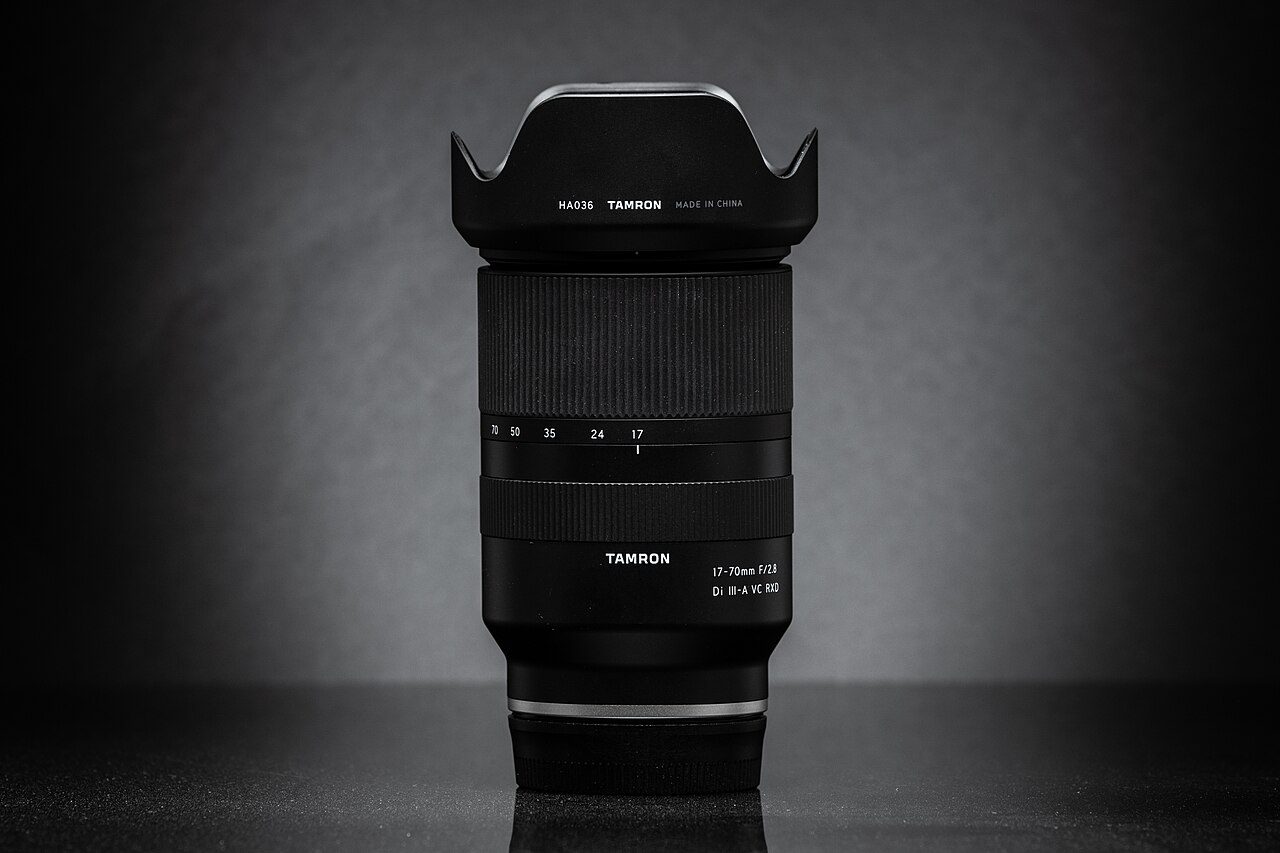
Tamron 16-50mm f/2.8 A Announced: A Fast, Compact Standard Zoom for APS-C Mirrorless
Tamron has announced the 16-50mm F2.8 A (Model B091), a…