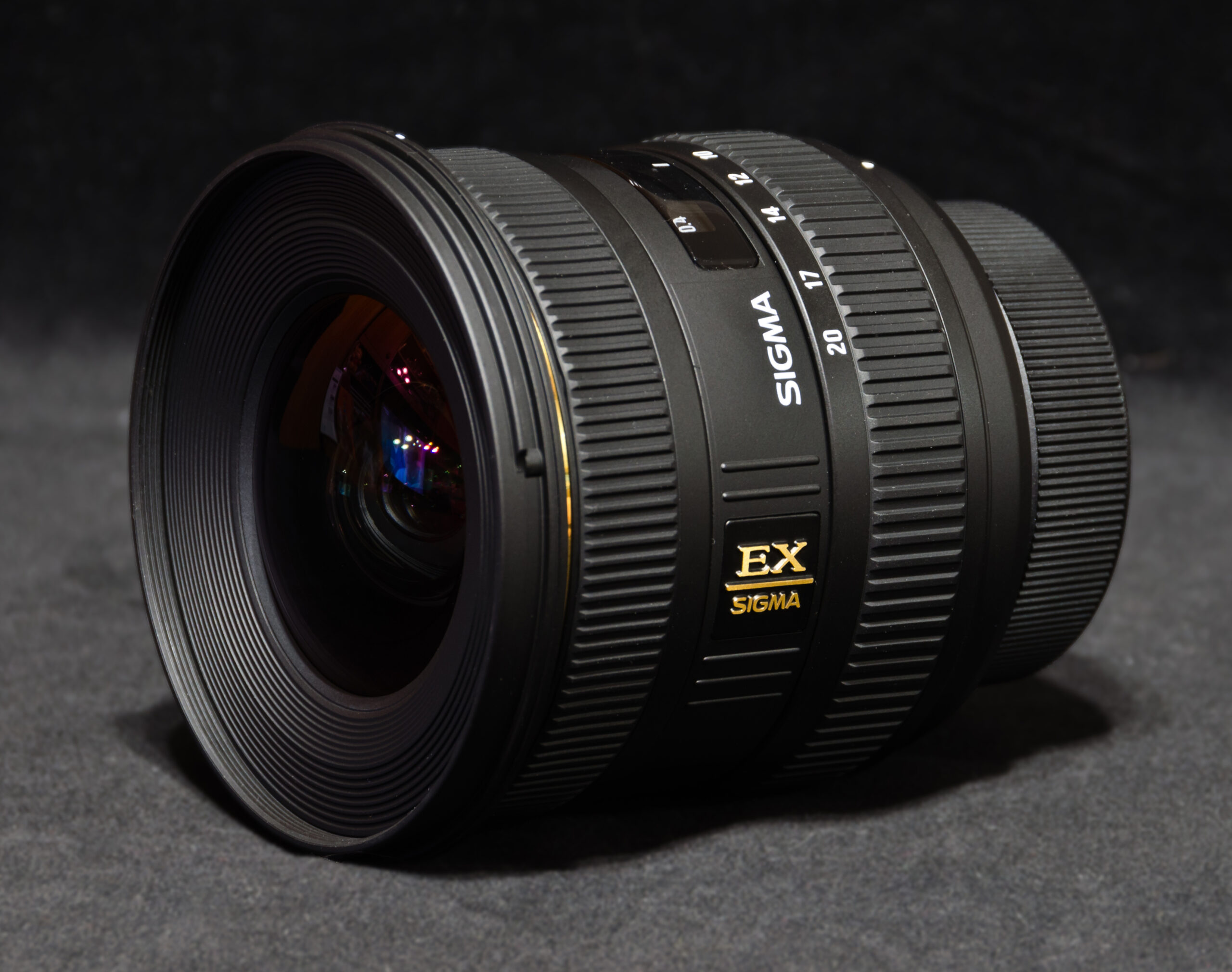
Sigma has pushed the all-in-one superzoom further than ever before. Its new 16-300mm F3.5-6.7 DC OS Contemporary reaches an 18.8x zoom ratio — a figure Sigma says is a world-first for an autofocus interchangeable lens on APS-C mirrorless cameras. If you’ve ever wanted a single lens that goes from wide-angle landscapes to super-telephoto wildlife without a swap, this is aimed squarely at you. Here’s what’s inside, who it’s for, and how it fits next to the 50-120mm f/2.8 announced alongside it.
An 18.8x first for APS-C
The headline number comes from simple math: divide the 300mm long end by the 16mm wide end and you get roughly 18.8x. That’s the widest zoom ratio Sigma has put into an autofocus mirrorless lens for the APS-C format. On a typical APS-C body, the 300mm end behaves like a 450mm full-frame equivalent, which brings distant birds, aircraft, and stadium action within reach, while the 16mm end covers sweeping interiors and landscapes.
Pulling off a range this extreme used to mean serious optical compromise. Sigma’s answer is a freshly designed optical path built around modern aspherical and low-dispersion elements, so the lens stays reasonably compact while keeping distortion and chromatic aberration in check across the range. The variable f/3.5-6.7 maximum aperture is the tradeoff: you get huge range, but not constant fast aperture.
Key specs at a glance
| Specification | Sigma 16-300mm F3.5-6.7 DC OS |
|---|---|
| Focal length | 16-300mm (APS-C / “DC”) |
| Maximum aperture | F3.5-6.7 |
| Maximum magnification | 1:2 |
| Autofocus motor | HLA (High-response Linear Actuator) |
| Stabilization | Up to 6 stops (wide) / 4.5 stops (tele), CIPA |
| Sealing | Rubber-sealed mount |
| Mounts | Canon RF, Fujifilm X, L-Mount, Nikon Z, Sony E |
A couple of details stand out. The 1:2 maximum magnification means the lens can focus surprisingly close for a superzoom, opening the door to near-macro shots of flowers and small subjects. The HLA linear motor should keep autofocus quick and quiet — useful for both stills of moving subjects and video. And up to six stops of optical stabilization at the wide end means you can shoot handheld in low light at shutter speeds that would normally be blurry.
Who the 16-300mm is for
This lens is a “leave it on the camera” proposition. Travelers who want to pack light, hybrid shooters who split time between photo and video, and hobbyists who simply don’t want to carry three zooms are the natural audience. It’s less of a match for pixel-perfectionists: as with any superzoom, sharpness at the extremes won’t match a dedicated prime or a fast pro zoom, and the variable aperture means less background blur and more ISO in dim conditions.
The f/2.8 companion: 50-120mm DC OS
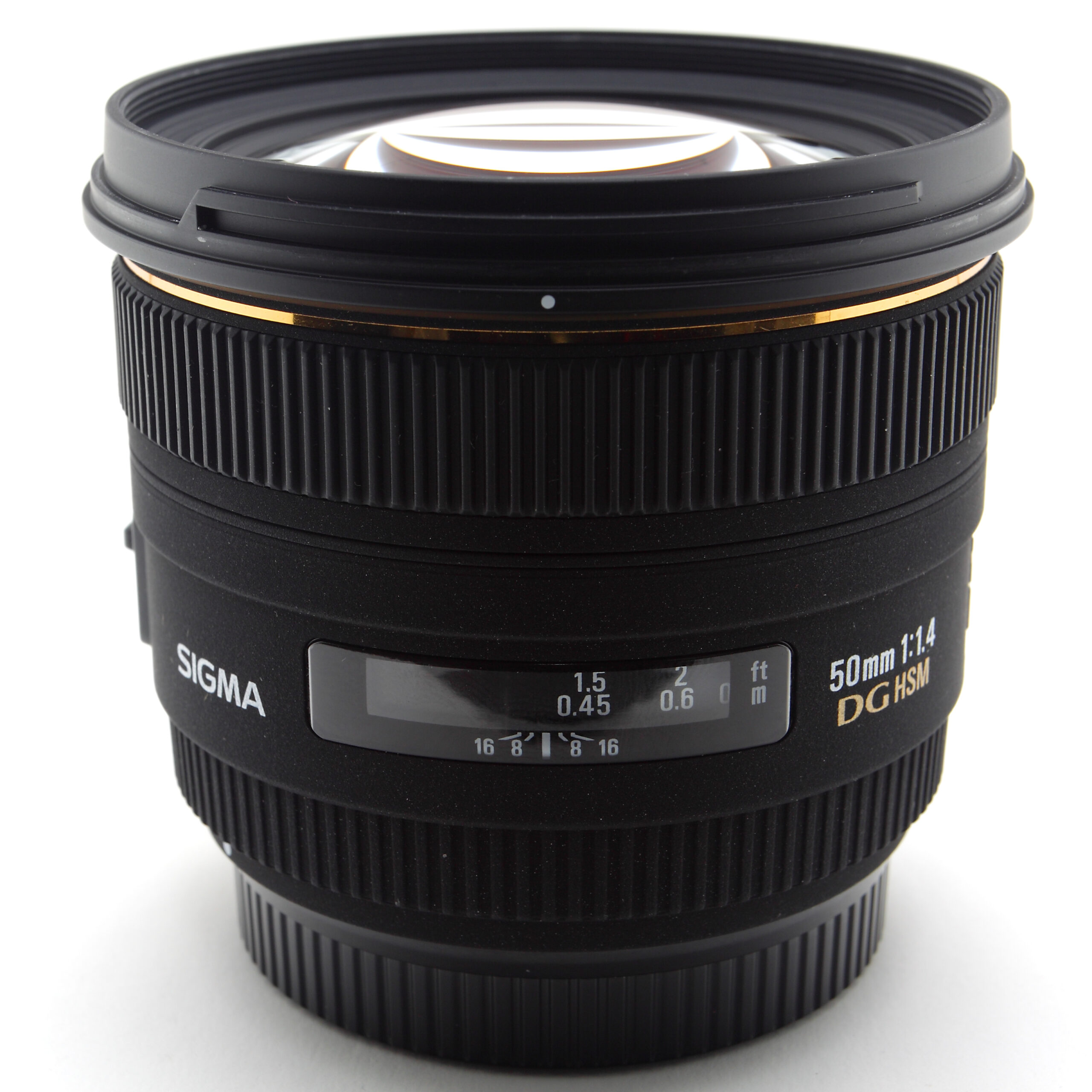
Sigma announced a second Contemporary lens at the same time. The 50-120mm F2.8 DC OS is a constant-aperture telephoto zoom for APS-C that arrives in Canon RF, Fujifilm X, and Sony E mounts. Where the 16-300mm bets on range, the 50-120mm bets on a fast, constant f/2.8 — better low-light reach and smoother background separation across the whole zoom. It ships first, on October 22, 2026, at around $799.
Price and availability
The 16-300mm carries a suggested price around $769. Sigma is releasing it across all five mounts — Canon RF, Fujifilm X, L-Mount, Nikon Z, and Sony E — with the Nikon Z version scheduled to launch November 5, 2026. At that price, a single lens that replaces a wide-to-tele kit of two or three zooms is an aggressive pitch for anyone who values convenience.
Conclusion
Sigma’s 16-300mm f/3.5-6.7 is a milestone more than a benchmark: an 18.8x superzoom that makes “one lens does everything” genuinely plausible on APS-C mirrorless. If you value range and convenience over absolute sharpness and aperture, it’s one of the most versatile single lenses you can mount. If you chase maximum image quality, the tradeoffs are real — but for everyone else, this is the kind of lens that spends most of its life attached to the camera.
FAQ
What does “18.8x zoom” actually mean?
It’s the ratio of the longest focal length to the shortest — 300mm divided by 16mm equals roughly 18.8x. It describes the range covered, not a magnification over your eye or a “closer” view.
What is the full-frame equivalent of 16-300mm?
On a 1.5x-crop APS-C sensor (Sony, Nikon, Fujifilm), roughly 24-450mm. Canon’s APS-C bodies use a 1.6x crop, giving roughly 26-480mm.
Is the 16-300mm weather-sealed?
The lens mount is rubber-sealed to resist dust and moisture at the mount, but Sigma does not market it as a fully weather-sealed lens. Treat it accordingly in heavy rain.
Which cameras can use it?
It’s made for APS-C mirrorless cameras and comes in Canon RF, Fujifilm X, L-Mount, Nikon Z, and Sony E mounts.
Related Posts
Sony a7R VI Announced: 66.8MP Stacked Sensor, 8K Video, and 30fps Bursts for $4,499
Sony has lifted the curtain on the Alpha 7R VI,…
2026 Mirrorless Camera Market Trends: What CIPA Data Reveals
The mirrorless camera market has entered a new phase in…
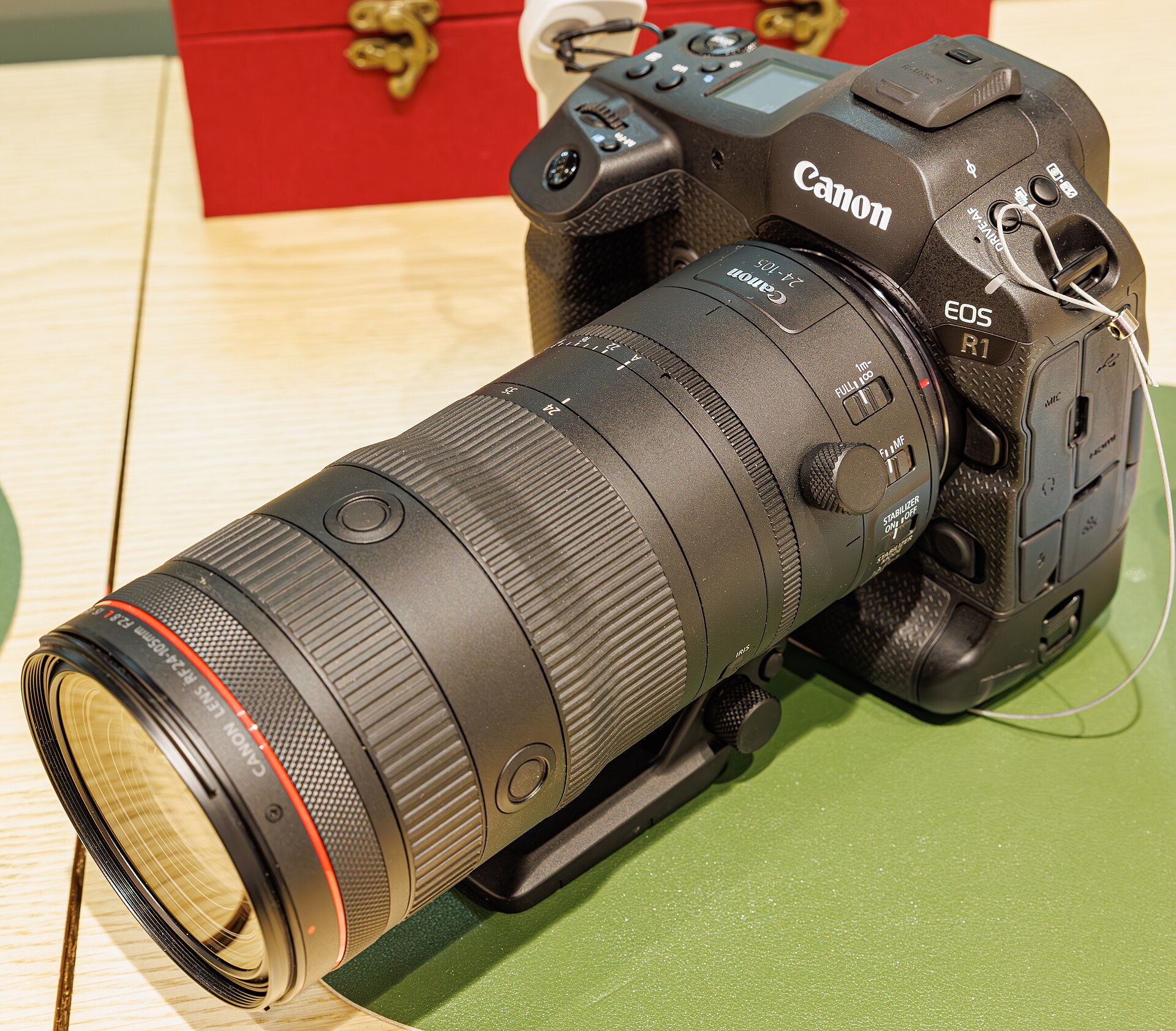
Canon EOS R1 AI Autofocus Firmware Update: Action Priority AF Adds American Football
Canon has pushed a free firmware update to its flagship…