Teleconverters are among the most misunderstood accessories in photography. For the price of a small tube of glass, a 1.4x or 2x converter can turn a 70–200mm zoom into a 100–280mm or 140–400mm lens—dramatically more reach without buying a second, far more expensive telephoto. But that reach comes with real trade-offs in light and sharpness. Here’s how teleconverters work, what they cost you, and when they’re worth it.
What Is a Teleconverter?
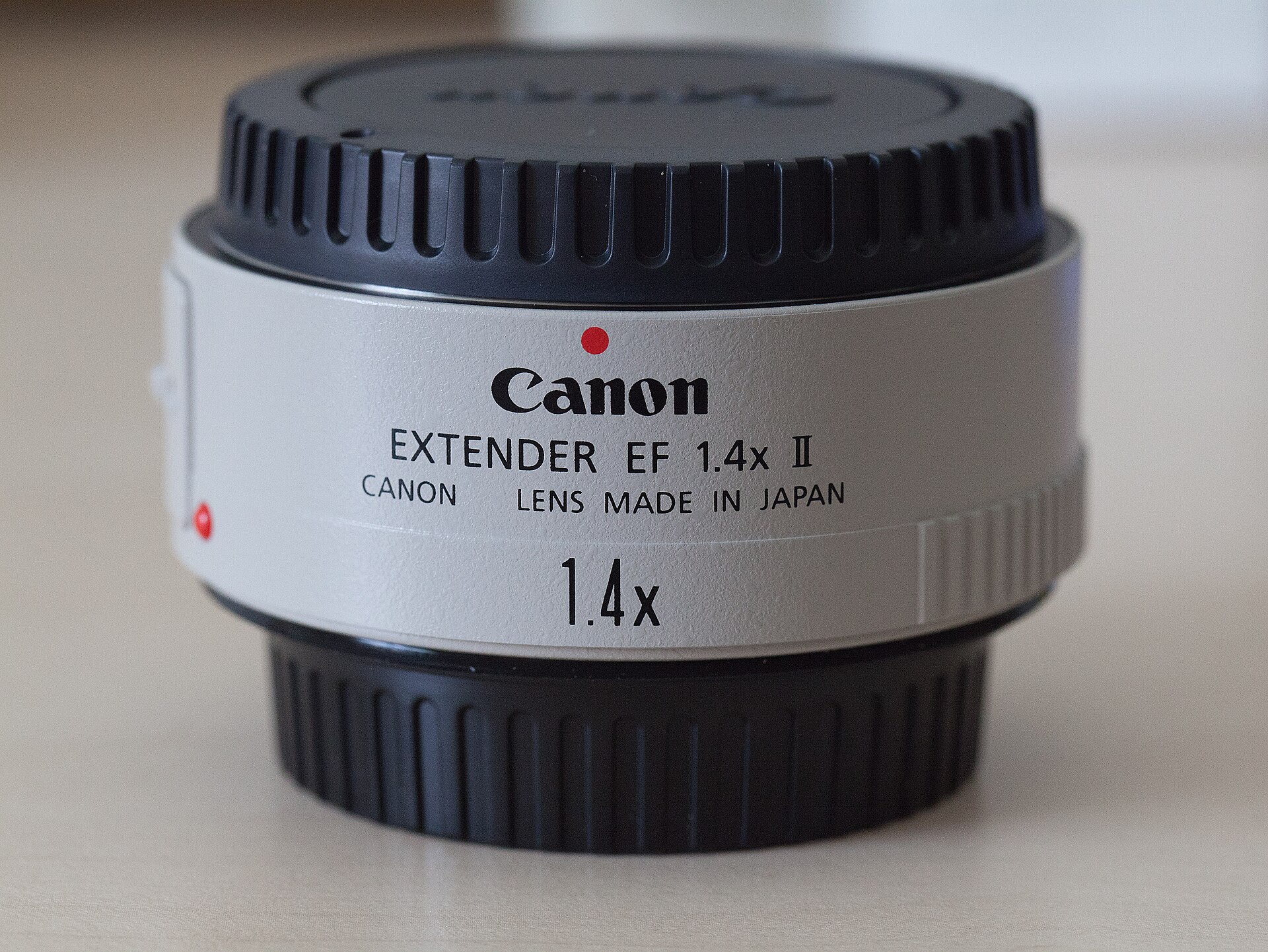
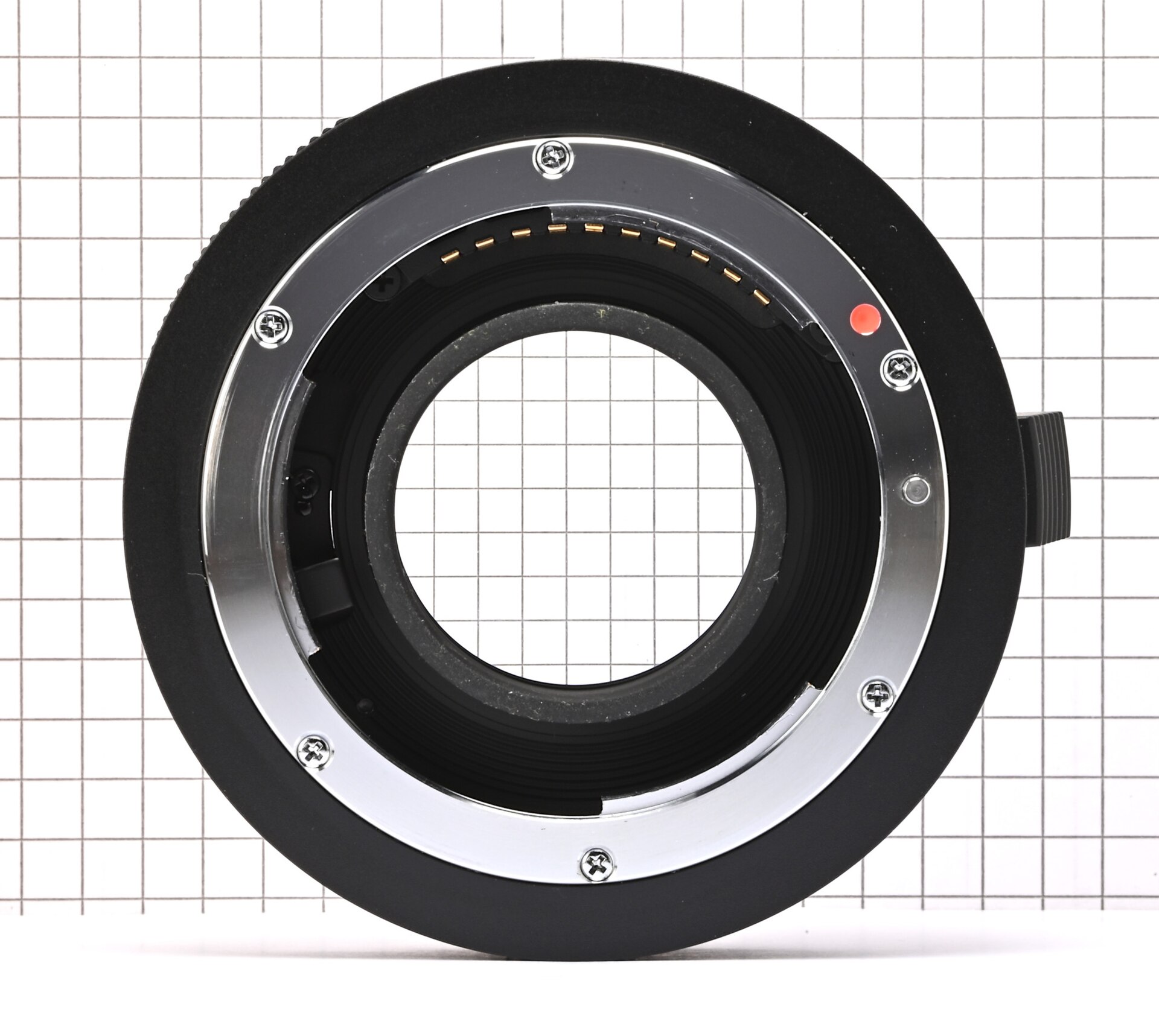
A teleconverter (also called an extender) is a compact accessory that mounts between your lens and camera body. Inside are a handful of optical elements that enlarge the image the lens projects onto the sensor, effectively multiplying the focal length. The two common strengths are 1.4x and 2x, though 1.7x converters exist as well.
Because a teleconverter magnifies the image, it does not add physical glass to the front of your lens—the lens keeps its original minimum focus distance and handling, but you see a narrower, more magnified view.
The Two Numbers That Matter: Magnification and Light Loss
Every teleconverter trades focal length for light. The math is simple:
- A 1.4x converter adds 40% reach and costs one stop of light. A 200mm f/2.8 becomes a 280mm f/4.
- A 2x converter doubles the focal length and costs two stops. That same 200mm f/2.8 becomes a 400mm f/5.6.
This is why teleconverters are usually paired with fast lenses. A 2x on a 70–200mm f/2.8 produces a still-usable 140–400mm f/5.6; the same 2x on a variable-aperture f/4.5–6.3 zoom leaves you at f/9–f/13, which is slow, dark, and hard to focus.
How a Teleconverter Affects Image Quality
A teleconverter doesn’t add resolution—it magnifies the existing image, stretching the lens’s central sweet spot across the frame and enlarging any flaws along with it. Expect slightly lower contrast, more chromatic aberration, and a small loss of sharpness, especially at the frame edges and on cheaper zooms. On a high-quality prime like a 300mm f/2.8, a 1.4x usually delivers results that are hard to distinguish from the bare lens stopped down a touch. On a budget superzoom, the same converter can visibly soften the image.
Stopping the lens down one stop after mounting a converter helps a great deal—the extra aperture margin is precisely why fast telephotos tolerate converters so well.
Which Lenses Accept a Teleconverter?
Compatibility is the biggest surprise for first-time buyers. A teleconverter protrudes into the back of the lens, so it only fits lenses designed with enough clearance behind the rear element. Wide-angle lenses and many standard zooms simply cannot take one. In practice, converters are made for:
- Fast telephoto primes — 300mm f/2.8, 400mm f/2.8, 600mm f/4 and similar.
- Pro telephoto zooms — the 70–200mm f/2.8 class from Canon, Sony, and Nikon, plus their 100–400mm and similar zooms.
Every manufacturer publishes a compatibility list. Canon’s Extender RF 1.4x and 2x, Sony’s FE 1.4x and 2.0x teleconverters, and Nikon’s Z TC-1.4x and TC-2.0x each work only with a specific set of lenses—check before you buy, and note that converters are generally not interchangeable across brands or mounts.
Autofocus: The f/8 Question
Light loss affects autofocus too. Classic DSLRs relied on phase-detection points that needed roughly f/5.6 to f/8 to function, so a 2x converter on an f/4 lens could cripple or disable autofocus entirely. Modern mirrorless bodies are far more forgiving—many Canon EOS R and Sony Alpha cameras can autofocus at effective apertures down to f/11 or beyond—but you’ll still often notice slower acquisition and fewer usable focus modes when the effective aperture gets small.
Teleconverter vs. Cropping: Which Gives Better Reach?
With high-resolution sensors, a fair question is whether you should just crop instead. The answer depends on your sensor. Cropping to a 1.4x field of view throws away about half your pixels—a 45-megapixel image becomes roughly 23 megapixels. A teleconverter keeps every pixel but adds optical softness. On a high-resolution body, a mild crop often rivals a cheap converter; on a lower-resolution body, a good 1.4x converter on a sharp prime usually wins. The 2x converter is where image quality drops most noticeably, so many photographers reserve it for occasions when reach matters more than absolute sharpness.
Should You Buy a Teleconverter?
A 1.4x converter on a fast telephoto is one of the best value purchases in wildlife and sports photography—you gain meaningful reach, keep autofocus, and lose only a stop of light and a little sharpness. A 2x converter is a more specialized tool: it makes sense on a fast prime for occasional extreme reach, but on most zooms the image-quality and autofocus penalties start to outweigh the benefit. If you already own a compatible f/2.8 telephoto, a 1.4x extender is an easy recommendation; otherwise, saving for a longer lens or relying on a careful crop may serve you better.
FAQ
Does a teleconverter reduce image quality?
Yes, slightly. It magnifies the lens’s image, which softens detail and increases aberrations. On fast primes the loss is small; on budget zooms it is more obvious.
Do I lose autofocus with a 2x teleconverter?
Not always. A 2x converter costs two stops, so autofocus may slow or become limited if the effective aperture falls below your camera’s threshold—but many modern mirrorless bodies still autofocus at f/8 to f/11.
Can I use a teleconverter on any lens?
No. Converters only fit lenses designed with rear clearance, typically fast telephoto primes and pro telephoto zooms. Check the manufacturer’s compatibility list.
Is a 1.4x or 2x teleconverter better?
For most people, the 1.4x is the better balance—more reach, only one stop of light lost, and less image-quality loss than a 2x converter.


Related Posts
Focus Peaking and Zebra Stripes Explained: Two Tools That Make Manual Focus and Exposure Easy
Every modern mirrorless camera hides two small helpers that make…
Lens Mount Systems Compared: Canon RF vs Sony E vs Nikon Z vs Fujifilm X
When you buy an interchangeable-lens camera, you are not just…
CMOS vs CCD Sensors: What’s the Difference?
Every digital camera you’ve ever held — from an early-2000s…