In 2026, “more megapixels” no longer means “a better camera.” The imaging industry has entered an era where 200-megapixel sensors pack pixels as small as 0.5 micrometers — the smallest ever produced — while AI and computational photography sit at the heart of every camera, from smartphones to professional medium-format bodies.
Watch: How Samsung’s 200MP Sensor Works
1. The 200MP Race: Samsung vs. Sony vs. OmniVision
Three vendors now ship 200MP smartphone sensors, each with a distinct approach:
- Samsung ISOCELL HP5 — the industry’s first 200MP sensor built on 0.5µm pixels (the smallest to date) and a CES 2026 Innovation Award honoree in Imaging. It packs 200MP into a 1/1.56-inch optical format (previously reserved for 50MP sensors), enabling slimmer modules and 8K/30fps video.
- Sony LYT-901 — Sony’s first 200MP mobile sensor, with AI built into the chip itself, using 0.70µm pixels.
- OmniVision OV52A — 0.61µm pixels on a 1/1.28-inch format, found in the periscope telephoto of the OPPO Find X9 Ultra.
Samsung’s roadmap tells the story: from the ISOCELL HP1 (2021, 0.64µm) — the industry’s first 200MP sensor — down through 0.64 → 0.56 → 0.5µm in just four years.
2. Smaller Pixels, Sharper Images: The Technology Behind It
The core challenge: smaller pixels capture less light. Here’s how Samsung solves it:
- FDTI (Front Deep Trench Isolation) — physical barriers between pixels that minimize optical crosstalk.
- D-VTG (Dual Vertical Transfer Gate) — two transfer gates per pixel, boosting Full Well Capacity (FWC) by up to 66% over single-gate designs.
- DCC (DTI Center Cut) — raises conversion gain and cuts noise in low light.
- DeepPix (in the ISOCELL HPC) — a new pixel structure delivering 60% higher FWC, single-frame 16-bit HDR, and 4K video at 180fps.
Pixel binning is the key enabler. Samsung’s Tetra²pixel technology merges 16 pixels into one in low light (yielding a bright, low-noise 12.5MP image) or four into one (50MP). A single sensor thus “changes modes” based on light — behaving like several different cameras.
3. The Truth About Megapixels: Sensor Size Matters More
Impressive as 200MP sounds, physics imposes real limits:
- Diffraction limit — at f/1.7, pixels smaller than ~0.94µm begin sampling the same Airy disc rather than capturing independent detail.
- 200MP doesn’t always mean “4× sharper.” The real advantages are more cropping headroom and in-sensor zoom (Samsung delivers lossless zoom up to 4× from a single sensor).
- Sensor size remains the single most important spec — larger sensors collect more photons, yielding better dynamic range and low-light performance.
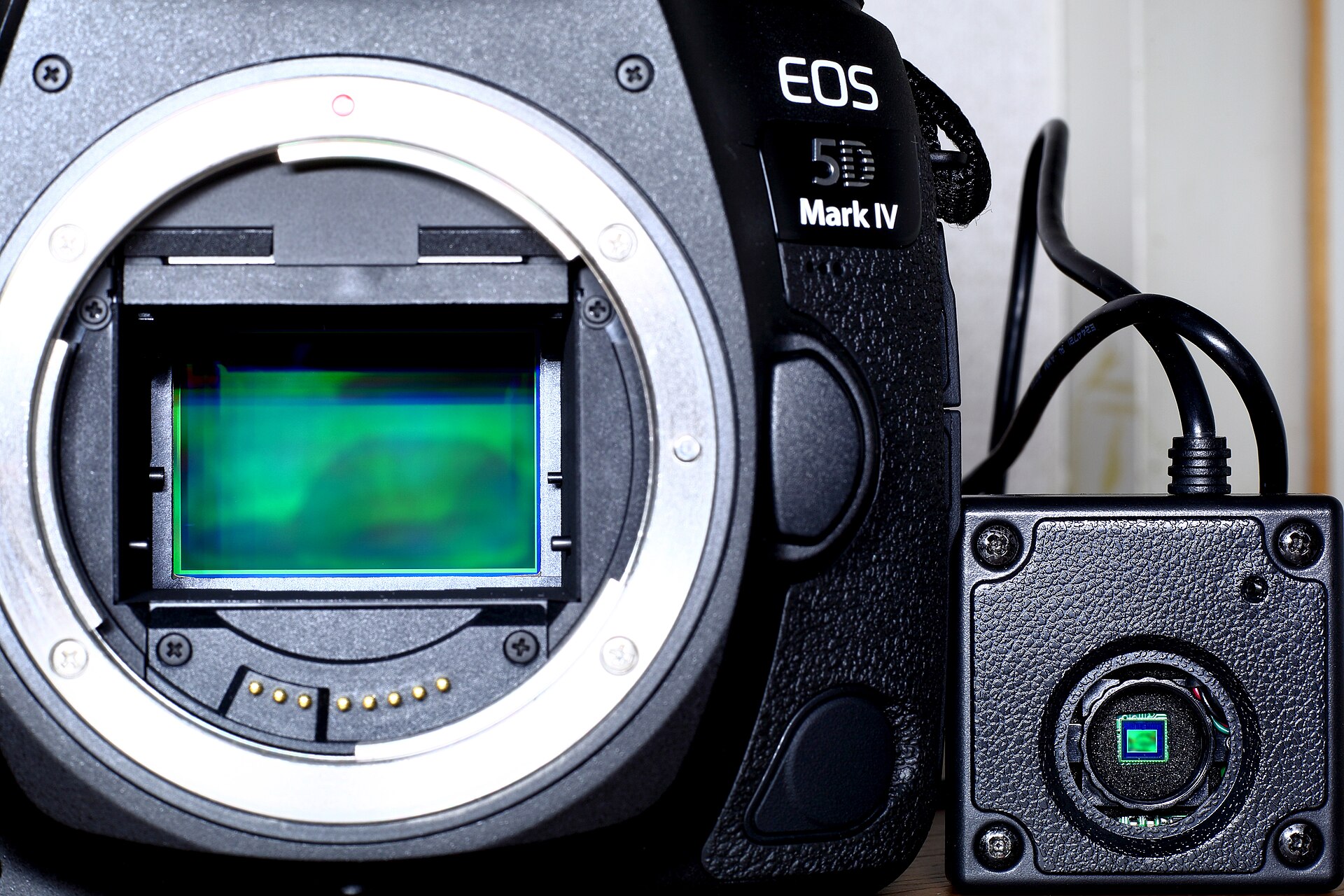
4. Computational Photography & AI: The Camera Computes, Not Just Captures
By 2026, flagship smartphones dedicate 40–60% of their SoC area to ISPs and NPUs tuned for vision. The post-shutter process is a neural pipeline:
- Multi-frame alignment — sub-pixel registration of 8–15 RAW frames
- Denoising transformer — separating noise from texture
- HDR fusion — merging 20+ stops of dynamic range
- Semantic segmentation — labeling sky, skin, text, and background per pixel
- Diffusion-based super-resolution — reconstructing 200MP-class detail from a 12MP sensor
A concrete example: Samsung’s AI Remosaic processes 200MP images in under two seconds (down from tens of seconds), turning 200MP from a novelty into an everyday feature.
5. The Pro Side: Medium Format and Mirrorless Dominance
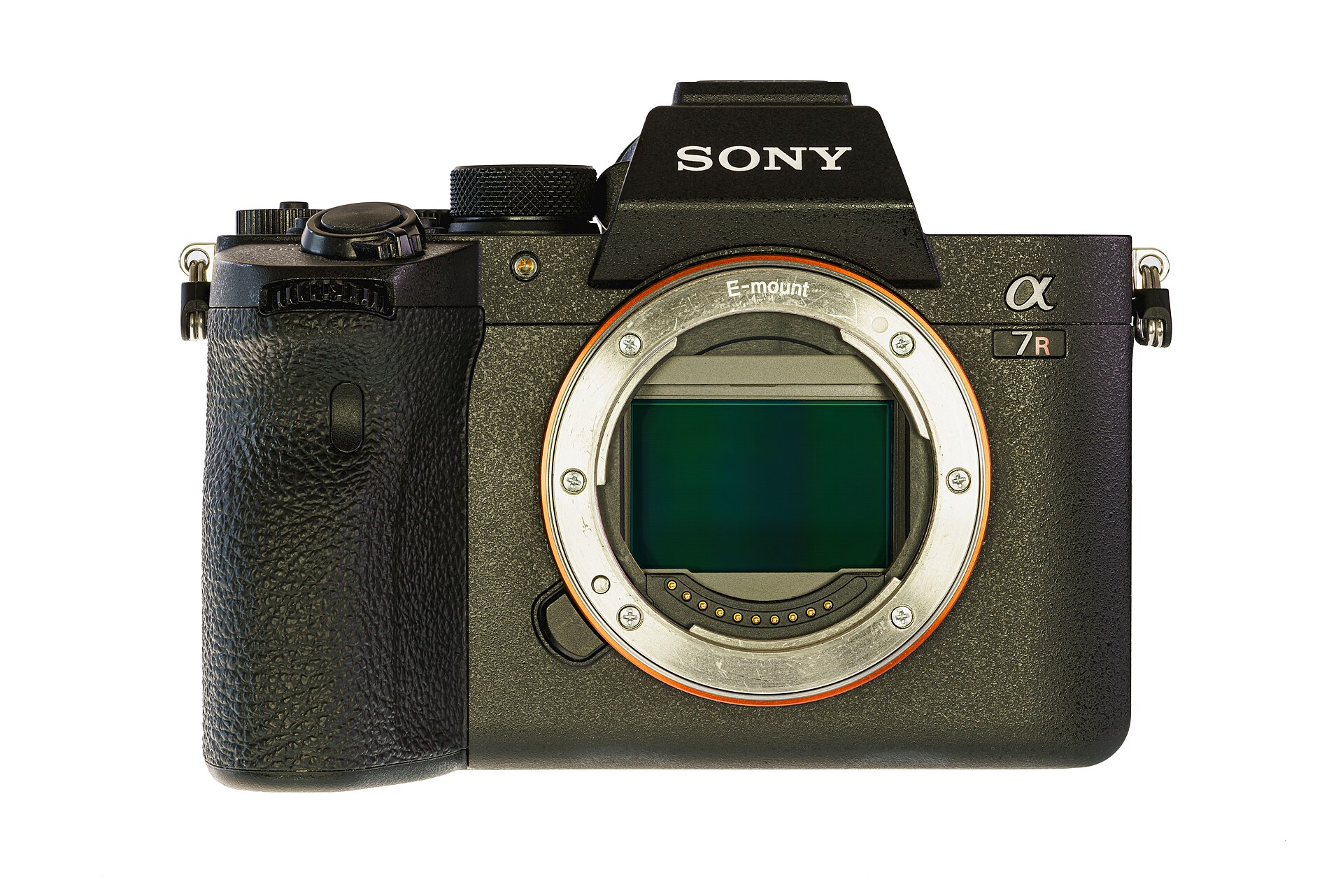
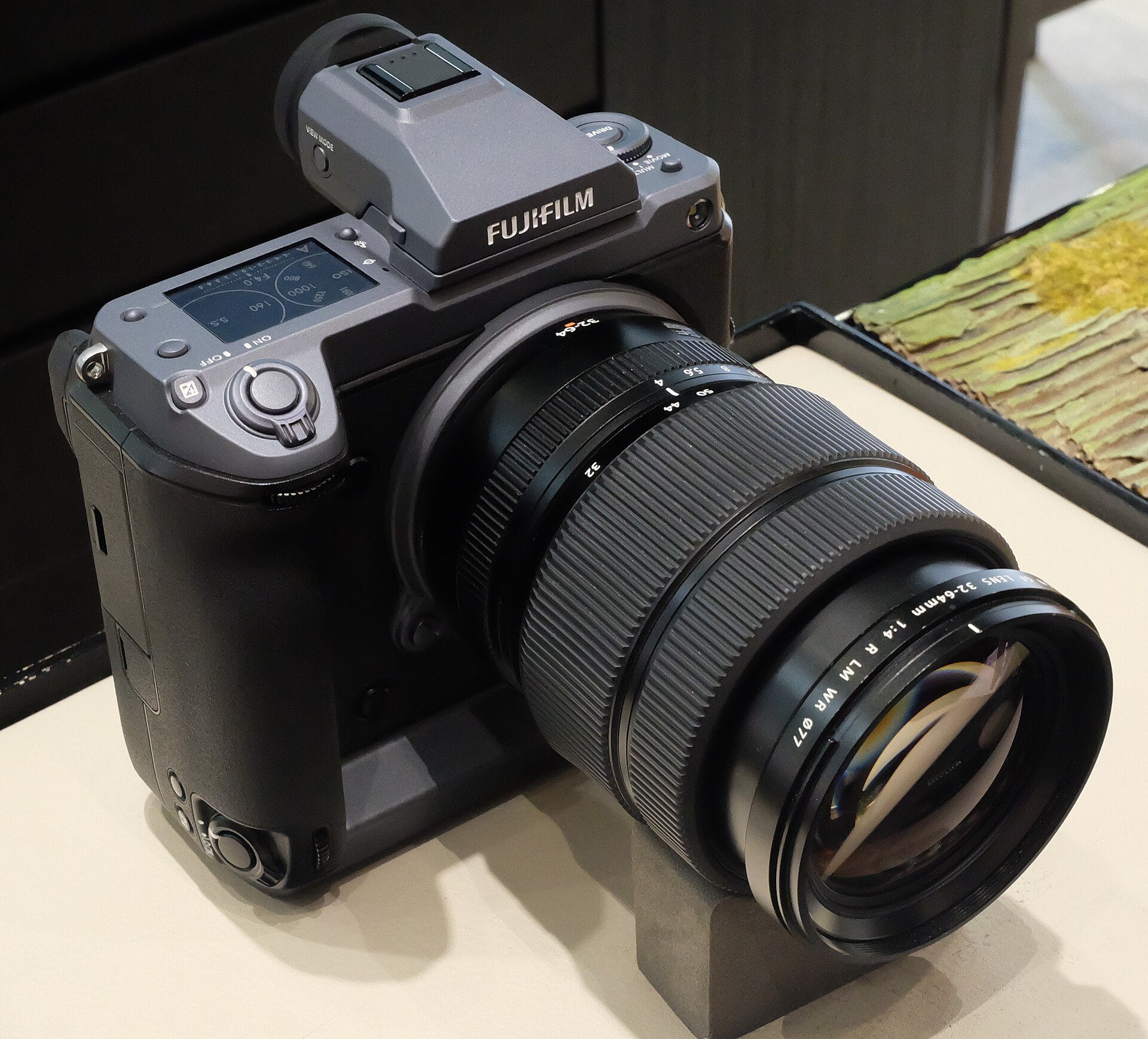
High resolution isn’t limited to phones. The Sony Alpha 7R IV packs a 61MP full-frame sensor into a mirrorless body, while Fujifilm’s GFX series pushes resolution even further.
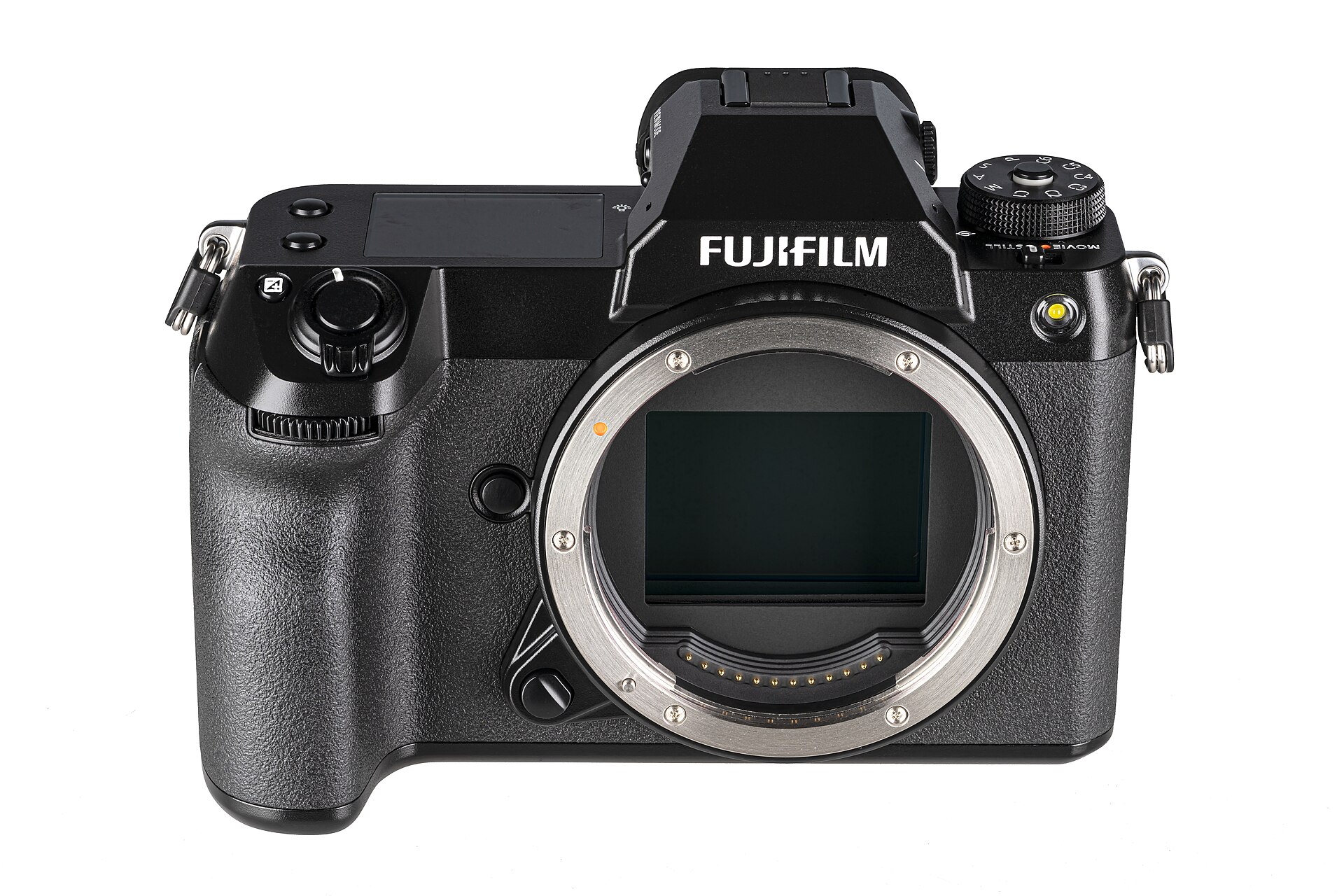
- Fujifilm GFX100 II / GFX100RF — a 102MP sensor measuring 43.8×32.9mm (about 1.7× a full-frame sensor), with X-Processor 5, 8-stop IBIS, and 4K60 video. Medium format has gone from studio-only to genuinely portable (the GFX100RF weighs just 735g).
- Mirrorless rules the market — global DSLR shipments fell to roughly 142,000 units in Q1 2026 (CIPA), marking the complete transition to mirrorless.
Conclusion
Camera technology in 2026 moves in three directions: smaller, sharper, smarter. Pixels shrink to 0.5µm with new light-capture structures, 200MP becomes the flagship standard, and AI sits inside every stage of capture. Quality is no longer judged by pixel count alone — it’s the whole system: sensor + ISP + NPU + software.
FAQ
Is a 200MP camera always better than 50MP?
Not always. In low light, binned mode (12.5MP) often produces brighter, lower-noise images than native 200MP mode. 200MP’s real strength is cropping flexibility and in-sensor zoom.
What is pixel binning?
Combining signals from multiple adjacent pixels into one to increase light sensitivity — e.g., 16-in-1 binning lets a 200MP sensor operate as a 12.5MP sensor in the dark.
Megapixels vs. sensor size — which matters more?
Sensor size matters more: it determines total photon capture and dynamic range. Megapixels mainly affect cropping and zoom.
What should I look for when buying a camera?
Match the use case — for portability and phones, look at the sensor and AI pipeline; for pro work and large prints, prioritize sensor size (full-frame / medium format) over megapixel count.
Image credits: Sony Alpha 7R IV and Fujifilm GFX 100S photos by Franz van Duns; CMOS sensor comparison by 根川孝太郎 — all via Wikimedia Commons, CC BY-SA 4.0.
Related Posts
Sensor Cleaning and Camera Maintenance: The Complete Guide
Every photographer eventually notices them: faint dark spots that appear…
Medium Format Photography: Why 102MP Sensors Exist (and Who Actually Needs Them)
"Medium format" once conjured waist-level viewfinders, roll film and bulky…

Camera Dynamic Range Explained: What Stops Really Mean (and Why They Matter)
Every photographer has hit the same wall: a scene the…