Ten years ago, a flagship camera that shot 10 frames per second was impressive. Today, the Sony Alpha 1 captures 50-megapixel stills at 30 fps, and the Nikon Z9 hits 120 frames per second while recording 8K video — all without a mechanical shutter. The single piece of engineering behind that leap is the stacked CMOS sensor. Here’s how it works and why it changed everything.
How a Conventional Sensor Works
Every digital camera sensor is a grid of millions of photodiodes — tiny light-measuring wells that convert photons into electrons. In a conventional CMOS sensor, those photodiodes share a single slab of silicon with the circuitry that reads them out: the analog-to-digital converters (ADCs) and the row-selection logic that grabs each pixel’s value in turn.
The problem is that this readout happens line by line. The sensor scans its rows from top to bottom, and the gap between the first row and the last row being read is the sensor’s readout time. With a fast-moving subject — or a panning camera — that delay causes the rolling-shutter effect: vertical lines lean, aircraft propellers bend, and buildings tilt. The slower the readout, the worse the distortion. Conventional sensors also can’t move data off-chip quickly enough to sustain very high burst rates, so their continuous-shooting speed stays modest.
What “Stacked” Actually Means
A stacked sensor splits these two jobs onto separate layers of silicon. Instead of building the photodiodes and the readout circuitry side by side on one chip, manufacturers fabricate two or more wafers and bond them together vertically: the photodiode layer on top, and a logic layer — ADCs, memory, and processing — underneath, joined by dense vertical interconnects.
That layout has two payoffs. First, the pixel layer gets the entire light-collecting area to itself, while the logic layer can be built with faster, denser circuitry without stealing light from the photosites. Second, and more importantly, the logic layer can hold a fast DRAM buffer directly beneath the pixels. That on-chip memory acts like a high-speed staging area: the sensor dumps all of its rows into DRAM almost instantly, then feeds the image processor at a pace the processor can actually handle.
The result is a dramatically shorter readout time — which means far less rolling shutter, and the ability to shoot at frame rates that were impossible a decade ago.
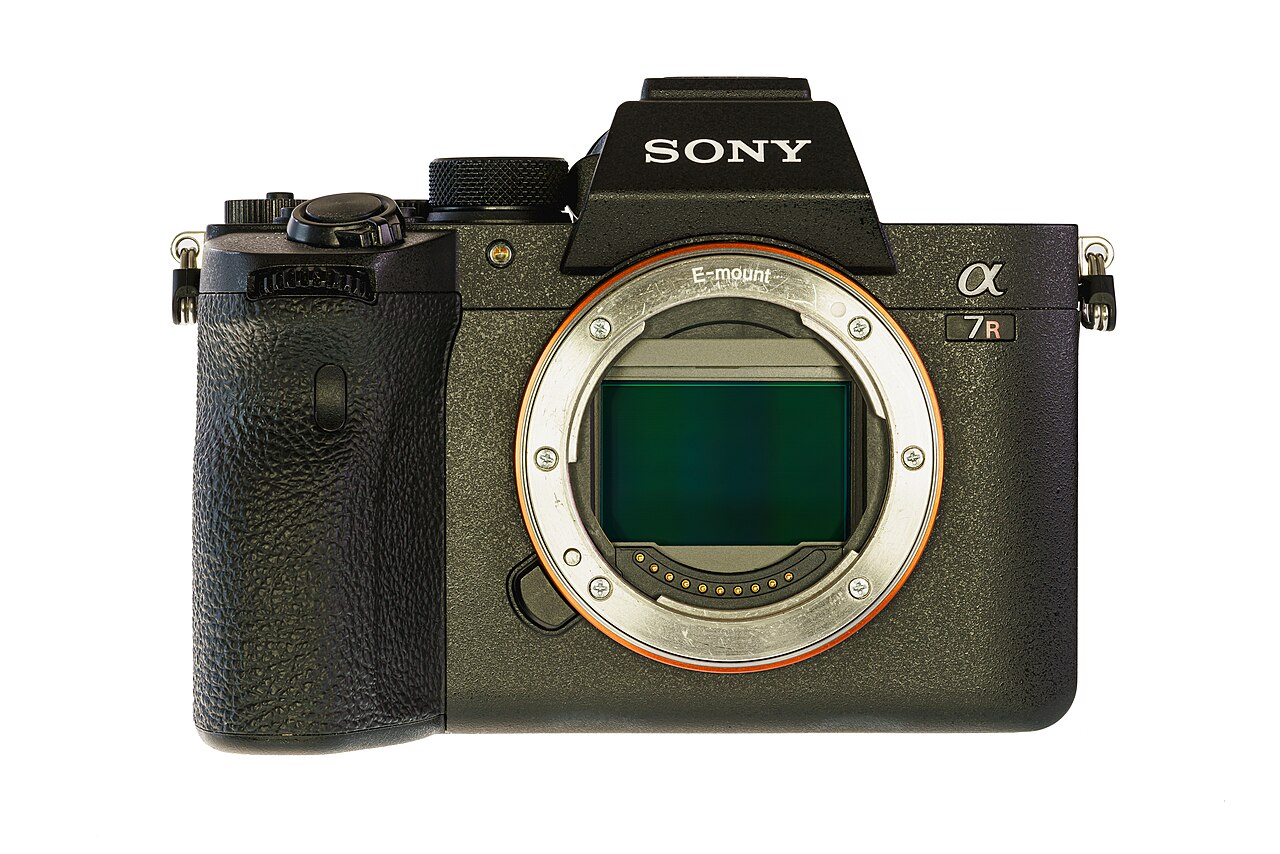
The Flagships Built on Stacked Sensors
Sony commercialized the full-frame stacked sensor with the Alpha 1, which pairs a 50.1-megapixel stacked Exmor RS CMOS sensor (with integral memory) and the BIONZ XR processor to shoot full-resolution stills at 30 fps with continuous autofocus and exposure tracking, while performing up to 120 AF/AE calculations per second. Its readout is fast enough to enable electronic-shutter flash sync at 1/200s — something that previously demanded a mechanical shutter.
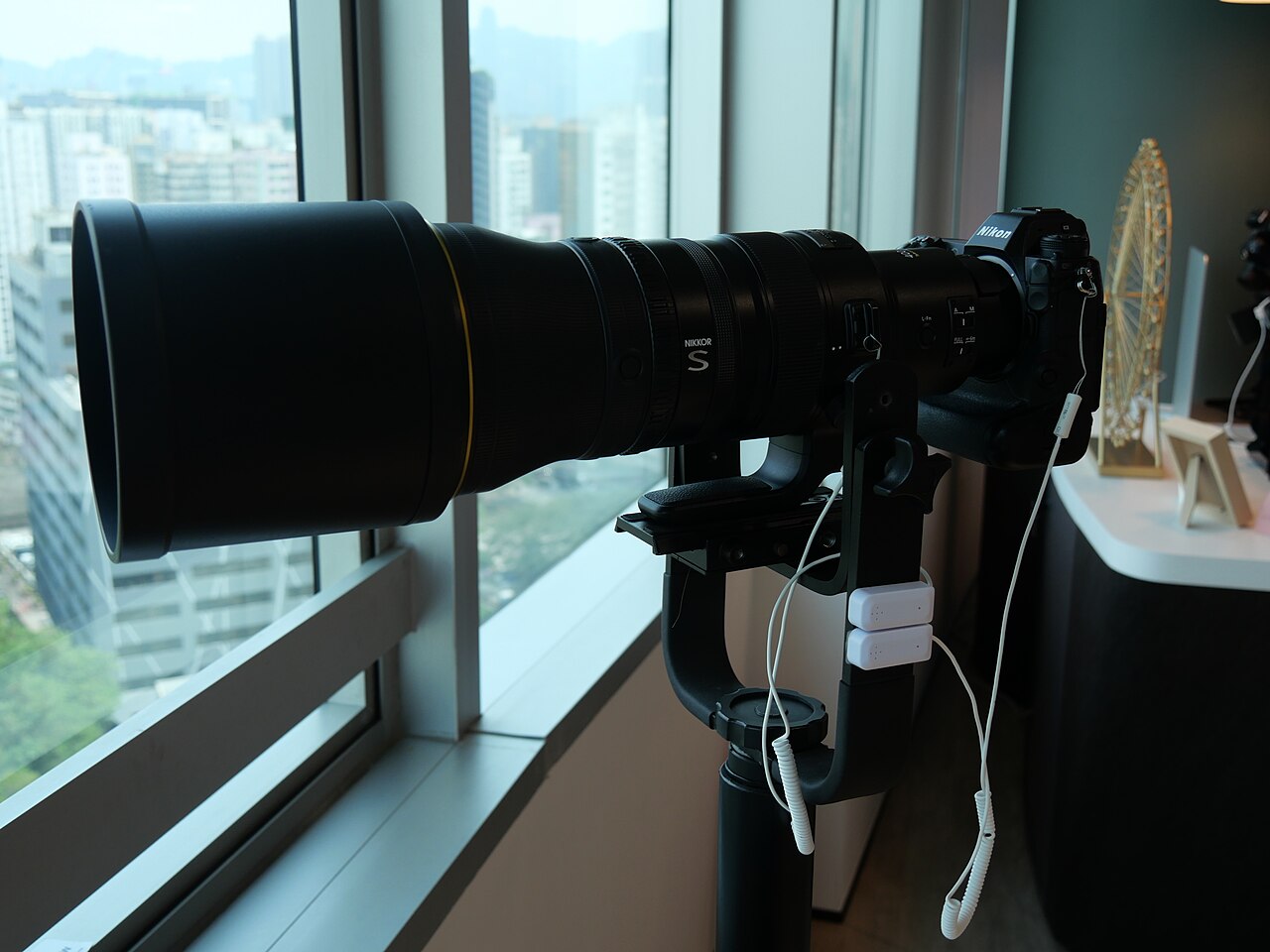
Nikon pushed the idea further with the Z9. Its 45.7-megapixel stacked, back-illuminated sensor and EXPEED 7 engine read out so quickly that Nikon removed the mechanical shutter entirely. The Z9 shoots 20 fps at full resolution in RAW, up to 120 fps in an 11-megapixel crop, and records 8K/60p RAW video internally.
Canon’s answer came with the EOS R3, built around a 24.1-megapixel back-illuminated stacked CMOS sensor and a DIGIC X processor, delivering 30 fps with the electronic shutter and 6K/60p RAW video; its successor, the EOS R1, refined the same stacked architecture. Three different manufacturers converged on the same answer: stack the sensor to read faster.
Stacked vs Global Shutter: What’s the Difference?
A stacked sensor shortens readout time dramatically, but it doesn’t eliminate it — the sensor still scans line by line. A global shutter goes one step further and reads every pixel at the same instant, so there is zero rolling-shutter distortion at all. Sony demonstrated this with the a9 III’s global-shutter sensor. The trade-off is that global shutters are harder to build at high resolution and can cost some dynamic range or high-ISO performance. For now, stacked sensors occupy the sweet spot: near-instant readout, high resolution, and strong image quality in one package.
Conclusion
The stacked CMOS sensor is the quiet hero behind the current generation of flagship cameras. By moving readout circuitry and fast memory onto a separate silicon layer beneath the pixels, it let manufacturers slash readout times, tame rolling shutter, and push burst rates from a handful of frames per second to well past a hundred. Whether you shoot sports, wildlife, or video, that speed is why modern flagships feel so much more responsive than the cameras they replaced.
FAQ
Does a stacked sensor improve image quality?
Only indirectly. Stacking primarily improves readout speed, which reduces rolling shutter and enables higher burst rates and better video. Image-quality gains come from the back-illuminated design often paired with stacking, not from stacking itself.
Which cameras use stacked sensors?
The Sony Alpha 1 and a9 series, Nikon Z9 and Z8, and Canon EOS R3 and R1 are the best-known examples. High-end smartphones also use stacked sensors for faster HDR and video.
Is a stacked sensor the same as a global shutter?
No. A stacked sensor reads very fast but still line by line; a global shutter reads every pixel at once, eliminating rolling shutter entirely.
Do I need a stacked-sensor camera?
Only if you shoot fast action, sports, wildlife, or high-frame-rate video. For landscapes, portraits, and travel, a conventional sensor delivers essentially identical image quality for less money.
Related Posts
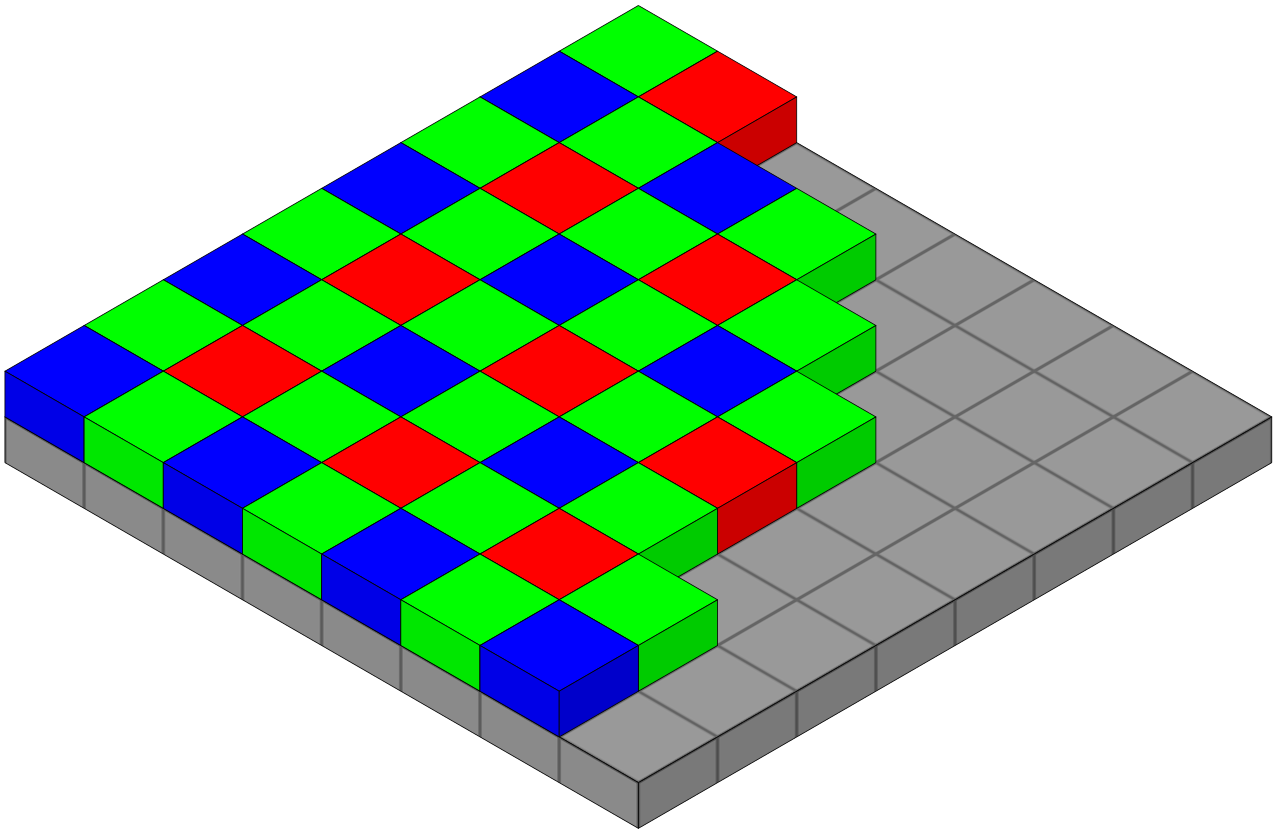
Bayer Filter Explained: How Your Camera Sensor Sees Color
Every digital camera you own is colorblind. The millions of…

Global Shutter vs Rolling Shutter: What’s the Difference and Why It Matters
Every digital camera turns light into an image using a…
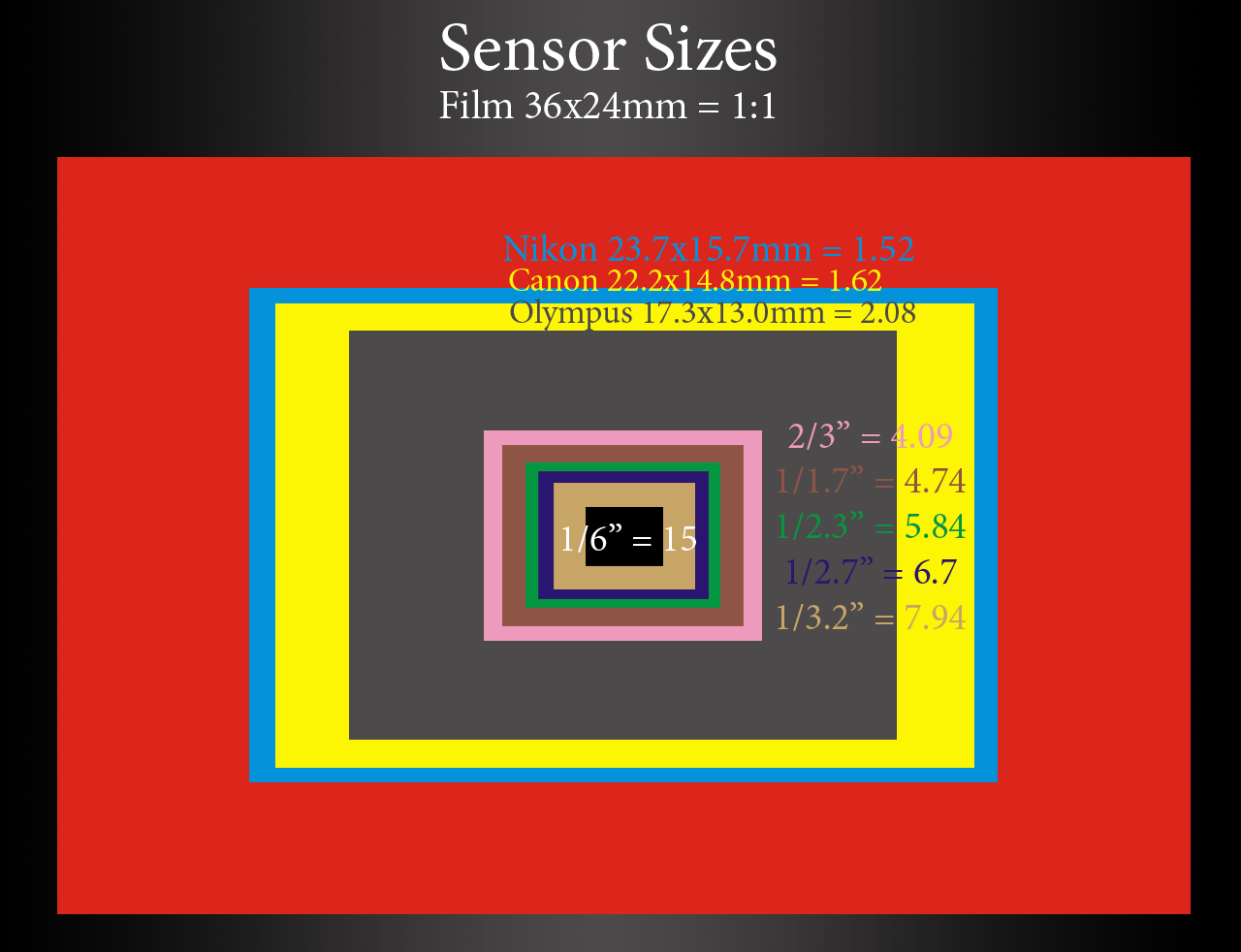
Camera Sensor Crop Factor Explained: Full Frame, APS-C and More
When you shop for a camera or lens, two phrases…