You’re shooting a two-person interview. The director calls for a focus pull from the subject in the foreground to the person behind them, and suddenly the framing seems to zoom in a touch on its own. Nothing moved — no one touched the zoom ring. What you just saw is focus breathing, and if you shoot video, it’s worth understanding why it happens and how to work around it.
What Is Focus Breathing?
Focus breathing is the subtle change in a lens’s field of view that happens when you change focus distance. In other words, as a lens focuses from a near subject to a far one (or vice versa), the image appears to zoom in or out slightly — even though you never touched the zoom ring.
The effect gets its name because the framing appears to “breathe” in and out while the lens racks focus. A lens that breathes heavily will widen its view as you focus closer and narrow it as you focus toward infinity — or the reverse, depending on the design. On a truly “breathing-free” lens, the framing stays rock-steady as you pull focus, and only the plane of sharpness moves.
Technically, the definition has shifted over time. The term originally described any geometric change in field of view during focusing, including shifts in distortion. Today most photographers and videographers use it to mean the apparent change in focal length that occurs while focusing.
Why Lenses Breathe
To focus, a lens has to move glass. How it moves that glass determines whether it breathes.
Many modern lenses use internal focusing: a small group of elements near the rear moves back and forth while the front of the lens stays put. The catch is that moving those elements changes the lens’s effective focal length. As a result, the angle of view changes slightly as the lens focuses — and that change is focus breathing.
Older unit-focusing designs move the entire optical group, which tends to hold focal length more constant, but they’re bulky and slow to focus. Lenses that focus by extension (like many classic macro lenses) also shift focal length as they move — macro lenses are notorious for breathing dramatically at close distances, where the effective focal length changes a lot.
Zoom lenses are often the worst offenders, because their internal focusing groups interact with the zooming groups. A zoom that holds a reasonably constant field of view while focusing is called parfocal — a prized trait among video shooters, but rare in stills-oriented zooms.
Why It Matters for Video (and Barely for Stills)
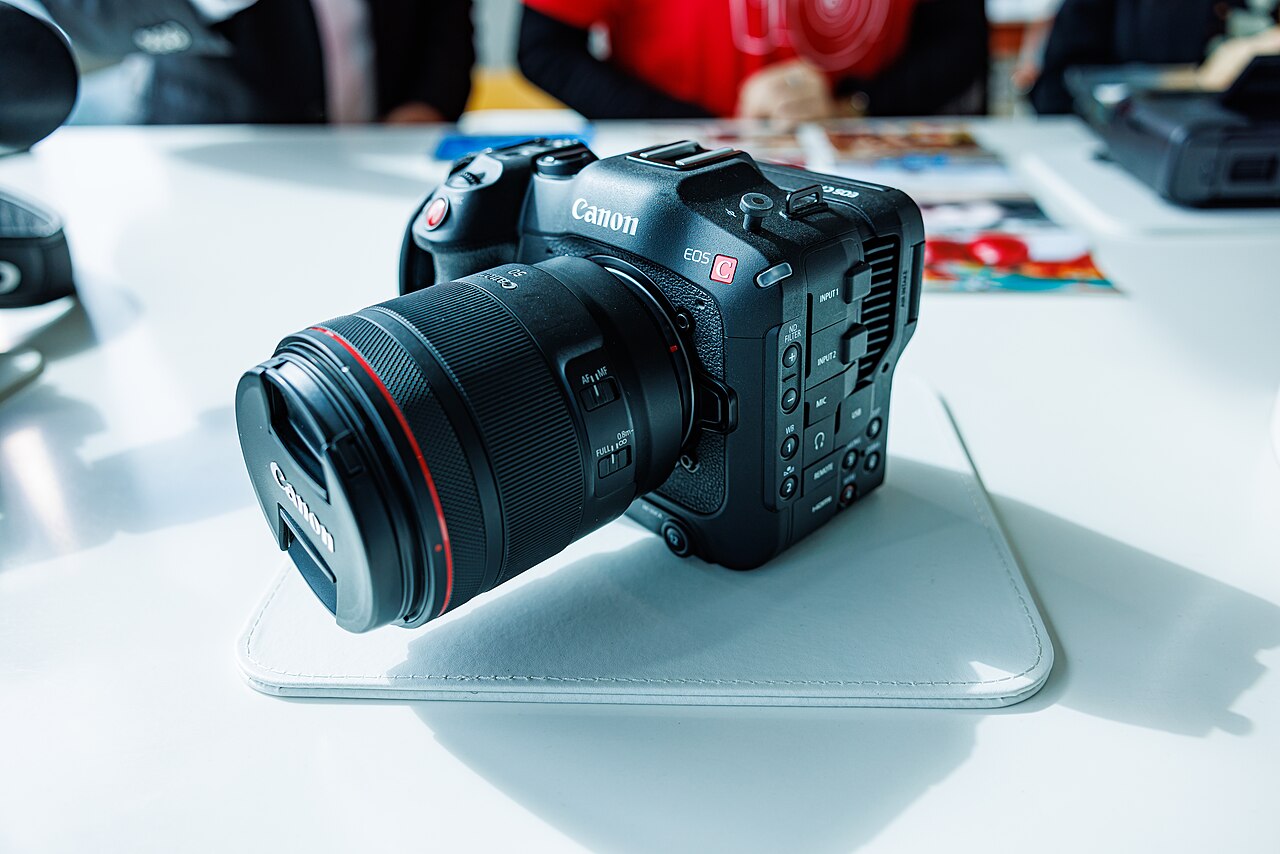
Focus breathing is first and foremost a video problem. When you rack focus from a person in the foreground to a person in the background, a breathing lens will subtly change the framing mid-shot. The shot suddenly looks like it zoomed a touch — an effect that draws attention to the camera and away from the story.
It shows up most in:
- Interviews — pulling focus between two subjects shifts the composition.
- Product videos — focus pulls across a product make it appear to grow or shrink.
- Follow-focus shots — continuous focus changes make framing feel unstable.
For still photographers, breathing is almost irrelevant. Each photo is framed individually, so a tiny change in angle of view between one shot and the next doesn’t matter — you simply reframe.
How Cine Lenses (Mostly) Avoid It
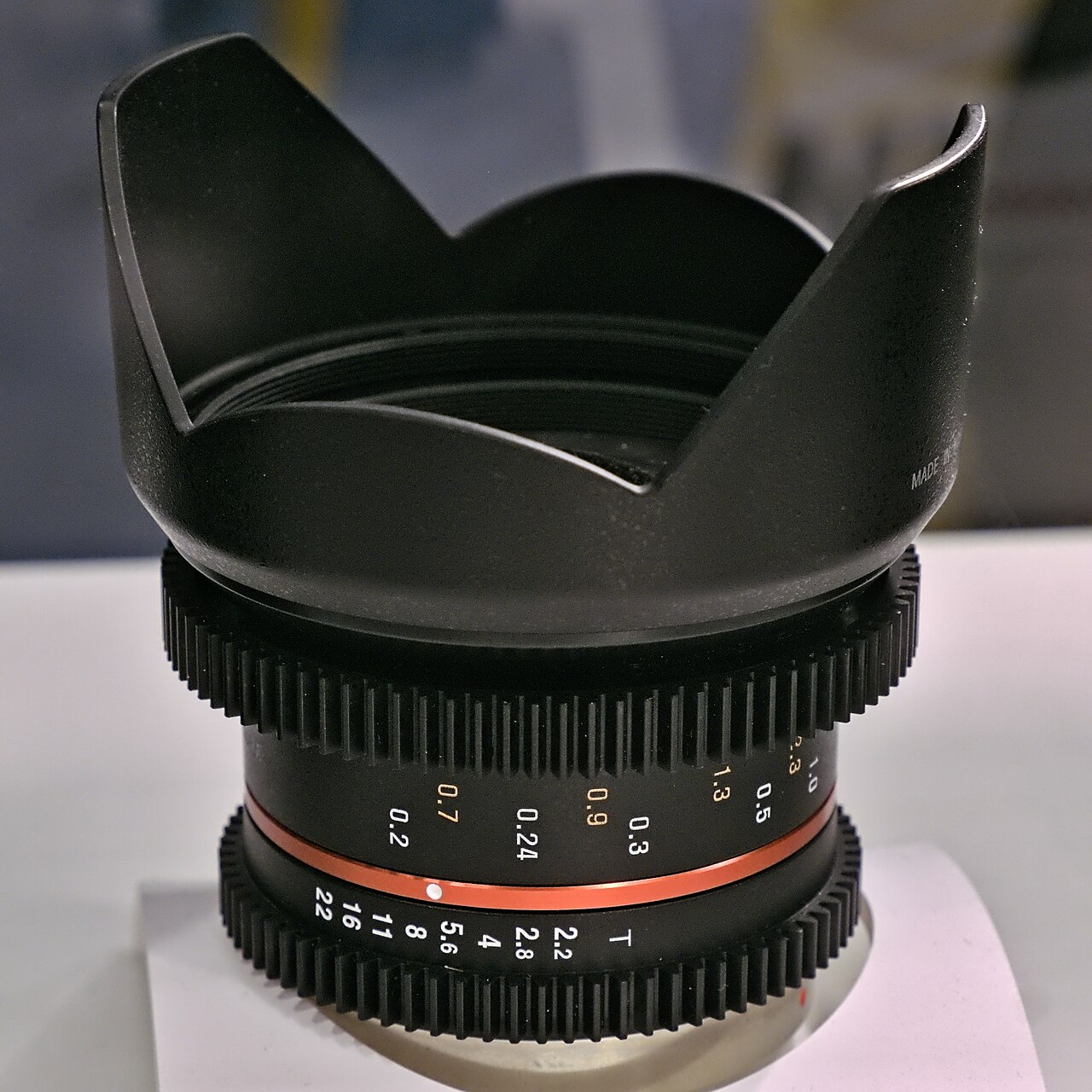
Cinema lenses are designed from the start to keep framing stable during focus pulls. Their optical formulas use additional floating groups specifically to hold the angle of view constant as focus changes, and manufacturers publish breathing specifications so cinematographers know what to expect.
That stability is part of why cine glass costs so much more than stills glass — and why cine lenses also come with geared focus rings, hard stops, consistent T-stops, and minimal focus shift. For a filmmaker, a lens that racks focus without changing the shot is worth the premium.
Software Fixes and Workarounds
If you shoot video with stills lenses, you have options. The most useful is camera-side breathing compensation. Sony introduced Breathing Compensation on the a7 IV in 2022, and it has since appeared on later bodies. When enabled, the camera applies a slight digital crop and scales the image to cancel out the lens’s breathing as you focus — effectively trading a tiny bit of resolution and field of view for stable framing. It works with a list of supported lenses, so it’s worth checking compatibility for the glass you own.
Beyond that, practical workarounds include:
- Test before you shoot — rack focus across the range and see how much the framing shifts.
- Choose low-breathing lenses — some stills primes and zooms breathe far less than others; reviews and lens databases often flag it.
- Avoid heavy mid-shot focus pulls — if the shot doesn’t need a focus rack, don’t do one.
- Stop down a little — while stopping down doesn’t eliminate breathing, deeper focus can make focus pulls less necessary in the first place.
How to Test Your Own Lenses
Set up your camera on a tripod and frame a subject with obvious reference points — the edges of a wall, a doorway, or a ruler. Record while you rack focus from the closest distance to infinity and back. If the edges of the frame visibly creep in or out, your lens breathes. The more the edges move, the more you’ll want to account for it in your next video shoot.
Conclusion
Focus breathing is a quiet but very real optical behavior: the apparent change in focal length as a lens focuses. It barely matters for still photography, but it can undermine a video shot every time you pull focus. Cine lenses are engineered to minimize it, and modern bodies like Sony’s a7 IV offer digital breathing compensation as a stopgap. Knowing whether your lenses breathe — and how much — lets you plan shots that keep the viewer’s attention where it belongs: on the subject, not the framing.
FAQ
Is focus breathing the same as focus shift?
No. Focus shift is a change in sharpness when you stop the aperture down; focus breathing is a change in field of view when you change focus distance. They’re unrelated.
Does focus breathing affect still photos?
Barely. Because you reframe each shot individually, a tiny change in angle of view between one photo and the next is invisible in practice.
Can I fix focus breathing in post?
Only partially. You can scale or crop to stabilize framing, but that costs resolution and field of view — which is exactly what in-camera breathing compensation automates.
Which lenses breathe the least?
Dedicated cinema lenses are designed for minimal breathing, and some higher-end stills lenses are built with low breathing in mind. The only reliable way to know is to test a specific lens.
Related Posts
Lens Mount Systems Compared: Canon RF vs Sony E vs Nikon Z vs Fujifilm X
When you buy an interchangeable-lens camera, you are not just…
Lens Aberrations Explained: Chromatic Aberration, Distortion, and Vignetting
Every lens is a compromise. Glass bends light, but it…

Dynamic Range Explained: Why Your Camera Clips Highlights and Crushes Shadows
Every photographer hits the same wall sooner or later: you…