Ask almost any landscape or portrait photographer to name their favourite time to shoot, and the answer is almost always the same: the golden hour. That short window shortly after sunrise and before sunset, when sunlight turns warm, soft and directional, is widely considered the most flattering natural light you can work with. It costs nothing, needs no extra gear, and can turn an ordinary scene into something cinematic.
What Is Golden Hour?
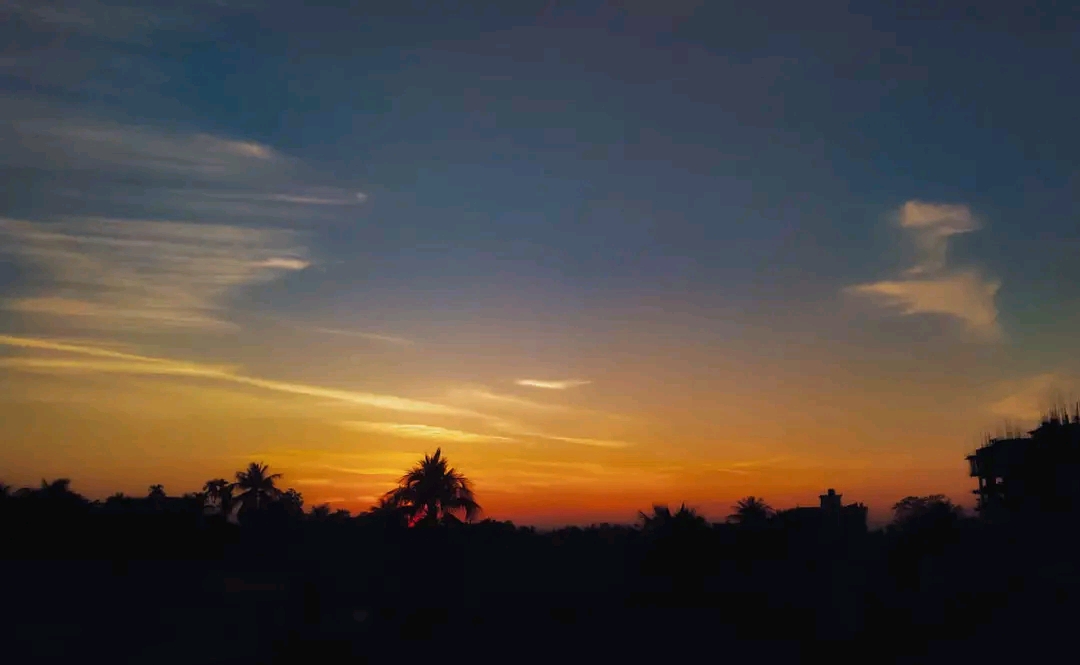
Golden hour is the period of daylight shortly after sunrise or before sunset, when daylight is redder and softer than when the sun sits higher in the sky. Cinematographers sometimes call it the magic hour. When the sun is low on the horizon, its rays travel a much longer path through the atmosphere, so more direct light is scattered away and a larger share of the illumination reaching your subject comes indirectly from the sky. This diffusion is what softens shadows and evens out contrast.
That long atmospheric path also strips out blue wavelengths, leaving the remaining direct sunlight noticeably warmer — the golden glow the hour is named after. As a rough guide, daylight colour temperature runs around 2,000 K very near sunrise and sunset, roughly 3,500 K during golden hour, and about 5,500 K at midday. The low sun angle also stretches shadows long across the ground, adding shape and depth a high overhead sun cannot produce.
One common misconception is that golden hour lasts exactly sixty minutes. The word “hour” is figurative: duration depends on your latitude and the season. Near the equator the sun drops through the same angle in far less than an hour, while at high latitudes the warm, low light can linger for much of the day in certain seasons.
Why Golden Hour Light Flatters Every Subject
The practical benefits come down to contrast, colour and shadow. Because the light is more diffuse and indirect, the difference between the brightest highlights and the darkest shadows shrinks. Shadows are less deep and harsh, and highlights are far less likely to blow out — the biggest problem under a bright midday sun. This lower lighting ratio is exactly why golden hour is the classic choice for portraits: faces are lit evenly, skin tones look warm, and there is no need for a fill flash to rescue dark eye sockets.
Landscape photographers value the same effect for different reasons. The warm, low light enhances natural colour, long shadows reveal texture in terrain, and reduced contrast keeps detail in both sky and foreground. It is one of the few times a single exposure can hold a bright sky and a shadowed landscape without heavy bracketing.
When and Where to Find Golden Hour
You do not need luck — you need timing. Golden hour happens twice a day, in the hour after sunrise and the hour before sunset, and the exact window shifts every day with the sun’s position. Weather apps and dedicated golden-hour calculators will tell you today’s sunrise, sunset and the precise start and end of the window for your location.
Arrive early. The warmest, most dramatic light tends to appear in the final minutes before the sun dips below the horizon, and it changes fast, so scout your location ahead of time. Watch the weather too: a few scattered clouds near the horizon catch and reflect the warm light, often producing the most vivid skies.
Camera Settings and Techniques for Golden Hour
Golden hour does not require exotic settings, but a few habits help. Set your white balance deliberately: auto white balance often tries to neutralise the very warmth you are chasing, so a “cloudy” or “shade” preset, or a manual value around 5,000–6,000 K, will preserve the golden tone. Shooting RAW gives you maximum latitude to fine-tune colour later.
For backlit portraits, position your subject between you and the sun for a rim of warm light around their hair and shoulders; expose for the face and let the background glow. For silhouettes, expose for the bright sky so your subject falls into deep shadow. For landscapes, a tripod frees you to use a low ISO and a smaller aperture as the light fades, keeping the whole scene sharp.
Natural Light Beyond Golden Hour
Golden hour sits inside a larger family of beautiful natural light. The blue hour immediately before sunrise and after sunset, when the sun is just below the horizon and the sky glows a cool blue, is ideal for cityscapes and long exposures. Overcast days act like a giant softbox, producing flat, shadowless light superb for portraits. Even indoor window light — soft, directional and free — can reproduce much of the golden-hour look at any time of day.
Conclusion
Golden hour is the closest thing photography has to a free upgrade. The warm colour, soft shadows and long directional light flatter faces and landscapes alike, and the only real cost is planning around a clock that shifts every day. Check your local sunrise and sunset times, arrive before the light peaks, and set your white balance to protect the warmth. Shoot it often enough and you will start to see every scene in terms of the light it holds.
FAQ
What time exactly is golden hour?
It is the period roughly an hour after sunrise and an hour before sunset, but the true length varies with your latitude and the season. Near the equator it can be much shorter; at high latitudes it can stretch much longer.
Do I need a special lens or filter for golden hour?
No. Golden hour works with any camera and lens. A lens hood is useful to control flare when shooting toward the sun, but the effect itself comes purely from the light.
Why do my golden hour photos look too orange or too blue?
That is almost always white balance. Auto white balance can over-correct either way. Use a cloudy/shade preset or set a manual value and shoot RAW so you can fine-tune the colour afterwards.
Related Posts
HDR Photography Explained: Capturing the Full Range of Light
Point your camera at a sunset, a church interior, or…
The Exposure Triangle: Aperture, Shutter Speed and ISO Explained
Every photograph you take is the result of one simple…

Depth of Field: A Complete Guide for Photographers
Shallow depth of field isolates the subject against a blurred…