
Depth of field is one of the most powerful creative tools a photographer has — and one of the most misunderstood. In plain terms, it describes how much of your image, from front to back, appears acceptably sharp. A shallow depth of field isolates a subject against a creamy, blurred background, while a deep depth of field keeps an entire landscape crisp from foreground to horizon. In this complete guide you’ll learn exactly what depth of field is, the four factors that control it, and how to use it deliberately to make every photo you take stronger.
What Is Depth of Field?
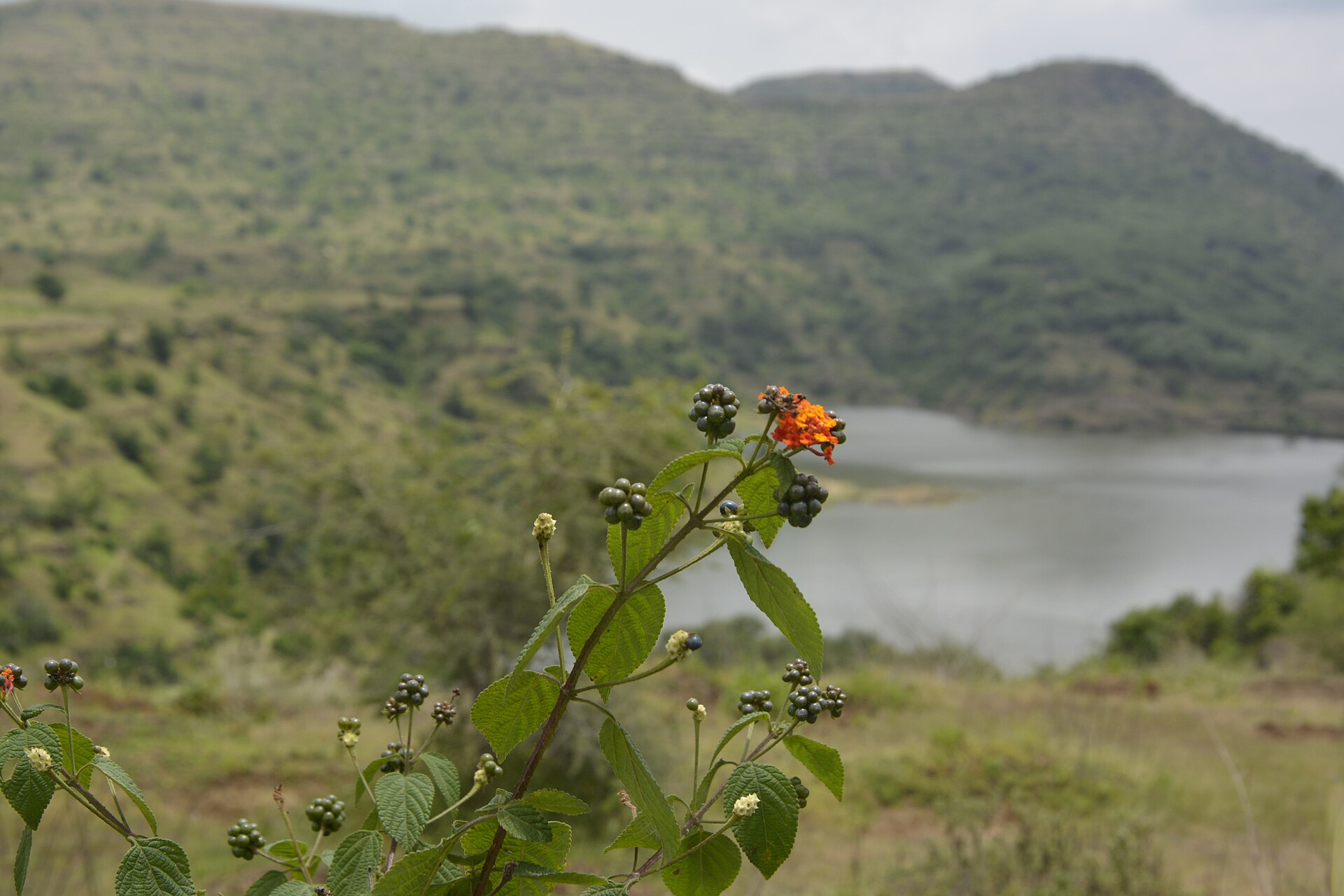
Depth of field (DOF) is the distance between the nearest and the farthest objects in a photo that look acceptably sharp. A lens can only focus precisely at one distance; everything in front of and behind that point becomes progressively softer. The zone that still appears sharp is the depth of field. When only a thin slice is sharp — typical in portraits — we call it shallow. When nearly everything is sharp — typical in landscapes — we call it deep. The phrase “acceptably sharp” is the key: sharpness is judged against a standard called the circle of confusion, the largest blur circle a viewer’s eye still perceives as a point rather than a smudge.
The Four Factors That Control Depth of Field
1. Aperture
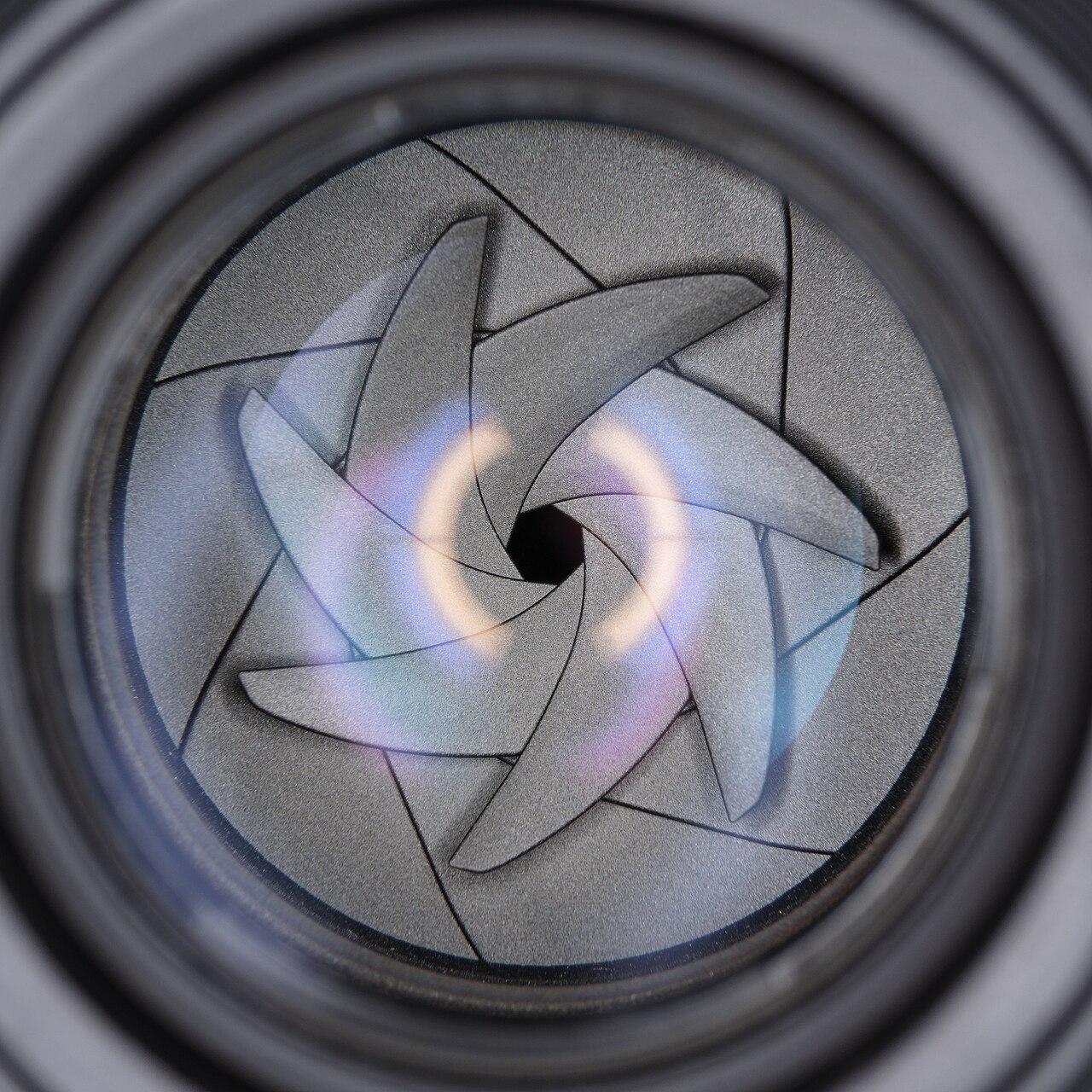
Aperture is the most direct control you have. It is measured in f-stops: a small f-number (f/1.8, f/2.8) means a wide opening and a shallow depth of field, while a large f-number (f/11, f/16) means a narrow opening and a deep depth of field. For a dreamy portrait, open up to f/2 or wider. For a landscape where you want everything sharp, stop down to f/11 or f/16. Just remember that very small apertures introduce diffraction, which softens fine detail even in the in-focus plane.
2. Focal Length
Longer lenses appear to produce a shallower depth of field. A 200 mm lens at a given distance and aperture shows far less in focus than a 24 mm lens at the same settings — largely because the telephoto magnifies the background blur. That is why telephotos are favored for portraits and wildlife. Strictly speaking, when a subject fills the same part of the frame, total depth of field is similar regardless of focal length; but longer lenses still render out-of-focus areas far more dramatically.
3. Subject Distance
The closer you focus, the shallower the depth of field. This is why macro and close-up photography has such razor-thin focus — at very short distances, depth of field can measure just millimetres. Conversely, focusing on a distant subject deepens the zone of sharpness. Distance also explains why a portrait taken at arm’s length blurs the background far more than the same subject framed from across the room.
4. Sensor Size
A larger sensor produces a shallower depth of field at the same aperture and framing. A full-frame camera needs a longer focal length (or a closer position) to frame a subject the same way as a smaller APS-C or smartphone sensor, and that extra magnification reduces depth of field. This is why phone cameras — with their tiny sensors — struggle to blur backgrounds naturally, and why they simulate the effect with software “portrait mode.”
Shallow vs. Deep Depth of Field: When to Use Each
Shallow depth of field is the right tool for portraits, wildlife, food, and product photography: it directs the viewer’s eye to the subject and hides distracting backgrounds. Wide apertures (f/1.4–f/2.8), long lenses, and close distances all help. Deep depth of field, on the other hand, is the tool for landscapes, architecture, group shots, and street scenes where context matters: use narrow apertures (f/8–f/16) and wide lenses. There is no “correct” depth of field — only the depth that serves your image. Learn to choose it deliberately rather than letting the camera decide for you.
Circle of Confusion and Hyperfocal Distance
Two concepts turn depth of field from a guess into something you can control. The circle of confusion is the maximum blur size a point of light can have and still look sharp in the final image — it is what defines “acceptably sharp.” The hyperfocal distance is the closest focus distance at which everything from half that distance out to infinity appears sharp. By focusing at the hyperfocal distance, landscape photographers maximize front-to-back sharpness — a technique that needs no extra gear, just a depth-of-field calculator or the markings on an older lens barrel.
Conclusion
Depth of field is not just a technical setting; it is a storytelling tool. Aperture gives you the most immediate control, but focal length, subject distance, and sensor size all shape the final look. Practice by shooting the same subject at f/2.8, f/8, and f/16 and comparing the results. Once you can predict and control what is sharp, you will compose with intention — and your images will look more professional because of it.
FAQ
What aperture gives the shallowest depth of field?
The widest aperture your lens offers — the smallest f-number, such as f/1.4 or f/1.8. Combine it with a longer focal length and a close subject for the maximum background blur.
Why do smartphones have such deep depth of field?
Their sensors are tiny, so they use very short focal lengths that produce deep focus. That is why phones rely on software “portrait mode” to fake shallow depth of field.
Does stopping down too far hurt sharpness?
Yes. At very small apertures (f/16 and beyond) diffraction softens fine detail even in the in-focus plane, so extreme f-numbers rarely give the sharpest possible image.
Related Posts
The Exposure Triangle: Aperture, Shutter Speed and ISO Explained
Every photograph you take is the result of one simple…
Golden Hour and Natural Light Photography: A Complete Guide
Ask almost any landscape or portrait photographer to name their…
Aperture and Depth of Field Explained: A Complete Beginner’s Guide
Aperture is one of the three pillars of the exposure…