Landscape photography is a test of patience and detail. The light you chase lasts only minutes, and the image you capture may one day hang as a forty-inch print. That combination — fleeting light and enormous output — is exactly why landscape shooters obsess over resolution, dynamic range, and a body that can shrug off wind, dust, and rain. Autofocus speed and burst rates, the headline numbers in most camera reviews, barely matter when your subject is a mountain that has not moved in a million years.
In this guide we break down the best cameras for landscape photography in 2025, from high-resolution full-frame workhorses to medium format systems built for gallery-sized prints — so you can match your budget to the print sizes you actually want.
What to Look for in a Landscape Camera
Before picking a model, it helps to know which specifications actually matter when you are standing on a ridgeline at dawn.
- Resolution. More megapixels deliver finer detail and more freedom to crop a wide scene into a tighter composition without losing sharpness.
- Dynamic range. The ability to hold detail in a bright sky and a shadowed valley at the same time. This is what keeps your highlights from clipping and your shadows from turning to mud.
- Weather sealing. Landscapes happen in bad weather — fog, rain, sea spray and sand. A sealed body protects your investment on the trail.
- Low base ISO. A native ISO of 64 or 100 captures the cleanest, most noise-free files when you are shooting long exposures on a tripod.
Best Full-Frame Cameras for Landscapes
The full-frame sensor (36 × 24 mm) remains the default for most serious landscape photographers: big enough for superb image quality, small enough to keep the whole system portable. Three models stand out.
Sony a7R V — Highest Resolution in Full-Frame
The Sony a7R V pairs a 61-megapixel back-illuminated CMOS sensor with what many reviewers still call class-leading dynamic range, making it the highest-resolution full-frame camera on the market. Its 9.44-million-dot electronic viewfinder is superb for checking critical focus, and its AI-powered autofocus stays reliable even in tricky light. At roughly $3,898 body-only it is not cheap, but for maximum detail in a compact, weather-sealed body it remains the resolution king.
Nikon Z8 — The Weather-Sealed Workhorse
The Nikon Z8 wraps a 45.7-megapixel stacked sensor and a base ISO of 64 into a rugged, professional-grade body. That low native ISO, combined with excellent dynamic range, produces remarkably clean long-exposure files. It is the heaviest of the full-frame picks here, but for landscape shooters who hike in harsh conditions, its durability and all-round performance justify the weight. Expect to pay around $3,796.
Canon EOS R5 II — Resolution with Versatility
The Canon EOS R5 II pairs a 45-megapixel sensor with up to eight stops of in-body stabilisation and Canon’s much-loved colour science, which renders natural scenes with smooth, true-to-life tones. Debuted at $4,299, it is the most expensive full-frame option here, but it doubles as a superb hybrid stills-and-video body if your landscape work occasionally turns into a timelapse or a short film.
Best Medium Format Cameras for Maximum Detail
When a 61-megapixel full-frame file is not enough, medium format steps in. These sensors are physically larger — about 1.7 times the area of full-frame — which translates to smoother tonal gradations and astonishing detail for very large prints.
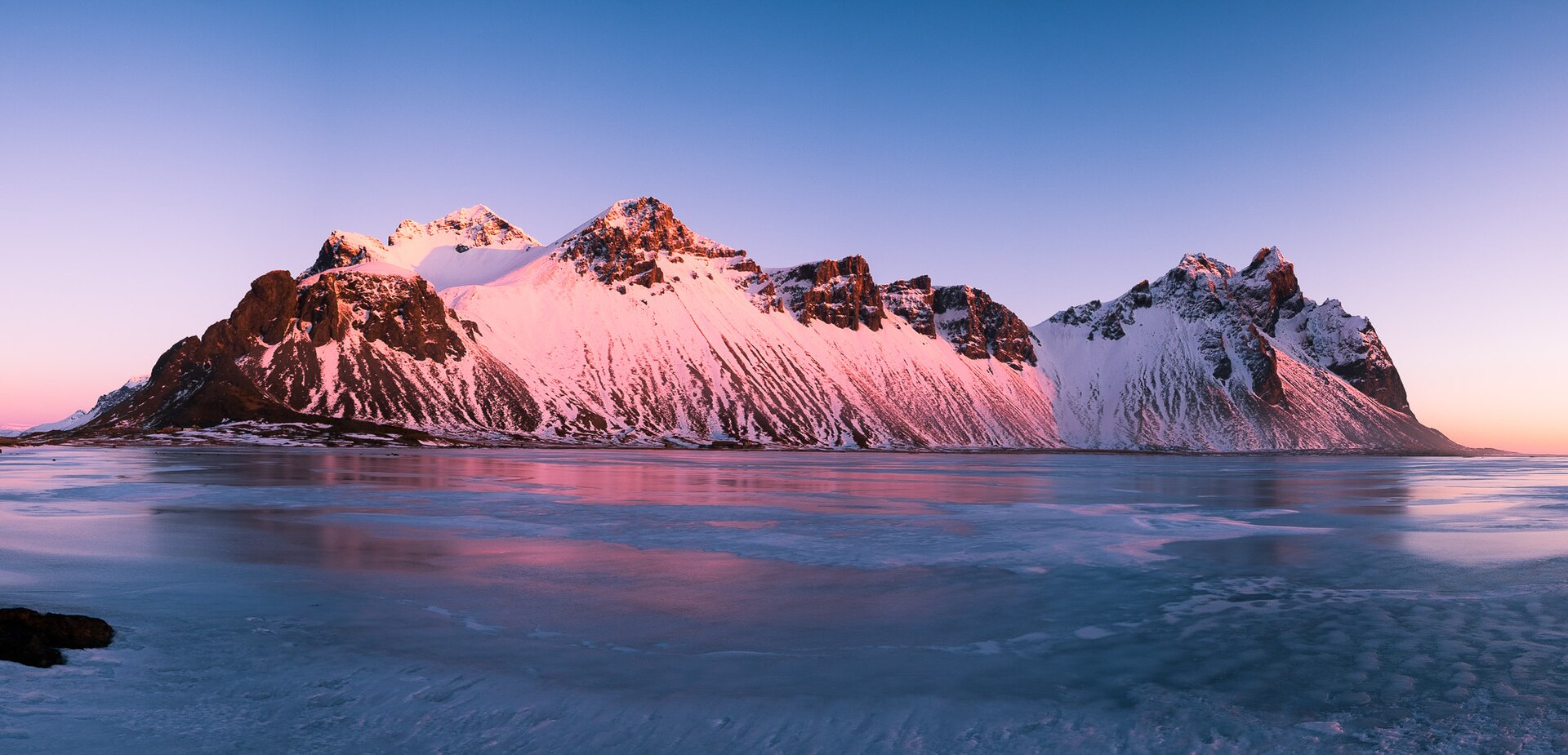
Fujifilm GFX 100 II — The 102-Megapixel Giant
The Fujifilm GFX 100 II is built around a 102-megapixel, 43.8 × 32.9 mm medium format sensor. That is not just more pixels — it is 102 million larger pixels, which gather more light and produce files with enormous latitude for cropping and printing. It is bulkier, slower and pricier than any full-frame camera here, but for landscape photographers who live by the mantra “detail above all else,” nothing else in this guide matches it.
Hasselblad X2D 100C — 16-Bit Colour and 15 Stops
The Hasselblad X2D 100C combines a 100-megapixel BSI CMOS sensor with 16-bit colour depth — roughly 281 trillion colours — and around 15 stops of dynamic range at a native ISO of 64. Its in-body stabilisation, rated up to seven stops, makes handheld medium format genuinely practical, and a built-in 1 TB SSD means you will not run out of storage on a long trip. It is a specialist’s tool and priced like one, but for pure image quality it sits at the top of the class.
How to Choose the Right Landscape Camera
Start from the print size you actually want. For sharp 16 × 20-inch prints and web work, a 45-megapixel camera such as the Nikon Z8 or Canon EOS R5 II is more than enough. If you plan to print at 30 inches and up, or crop heavily, the 61-megapixel Sony a7R V or the 100+ megapixel medium format bodies earn their keep. Then weigh portability: a camera that stays home because it is too heavy takes no pictures at all.
FAQ
Do I need medium format for landscape photography?
No. Full-frame cameras like the Sony a7R V, Nikon Z8 and Canon EOS R5 II produce outstanding landscape images that print beautifully at large sizes. Medium format is worth it only when you need the absolute maximum detail for very large gallery prints or aggressive cropping.
What lens pairs best with a landscape camera?
A sharp wide-angle zoom in the 14–35 mm range is the classic first choice, complemented by a mid-range zoom for compressed, telephoto landscape scenes. Invest in a solid tripod and a polarising filter before chasing more megapixels — they improve image quality more than most body upgrades.
Is weather sealing worth paying for?
Yes, if you shoot outdoors regularly. Rain, sea spray, sand and condensation are the real enemies of a landscape camera, and a sealed body paired with a sealed lens is cheap insurance against a ruined trip.
Conclusion
The best camera for landscape photography is the one that balances resolution, dynamic range and portability against the prints you actually make. For most photographers, the Sony a7R V is the full-frame resolution leader, while the Nikon Z8 and Canon EOS R5 II offer superb quality with extra versatility. If maximum detail is your only priority, the Fujifilm GFX 100 II and Hasselblad X2D 100C deliver medium format quality that full-frame simply cannot match.
Related Posts
Smartphone vs Mirrorless vs DSLR — Which Camera to Buy in 2026?
In 2026, the question "which camera should I buy?" has…
Best Budget Lenses for Beginners: 7 Affordable Upgrades That Beat Your Kit Lens
Every beginner starts with the kit lens — and that's…
Best Cameras for Beginners in 2026: Our Top Picks
Buying your first "real" camera is a milestone, and 2026…