If you are starting a YouTube channel, shooting short-form Reels and TikToks, or simply want a camera that makes you look and sound great on camera, a dedicated vlogging camera is the single best upgrade you can make. Smartphones are convenient, but a purpose-built video camera gives you larger sensors, real interchangeable lenses, dependable autofocus, and audio inputs your phone simply does not have.
In this guide we break down the best cameras for video and vlogging across three budgets and use cases, from a full mirrorless setup to a pocketable gimbal camera that slips into a jacket pocket.
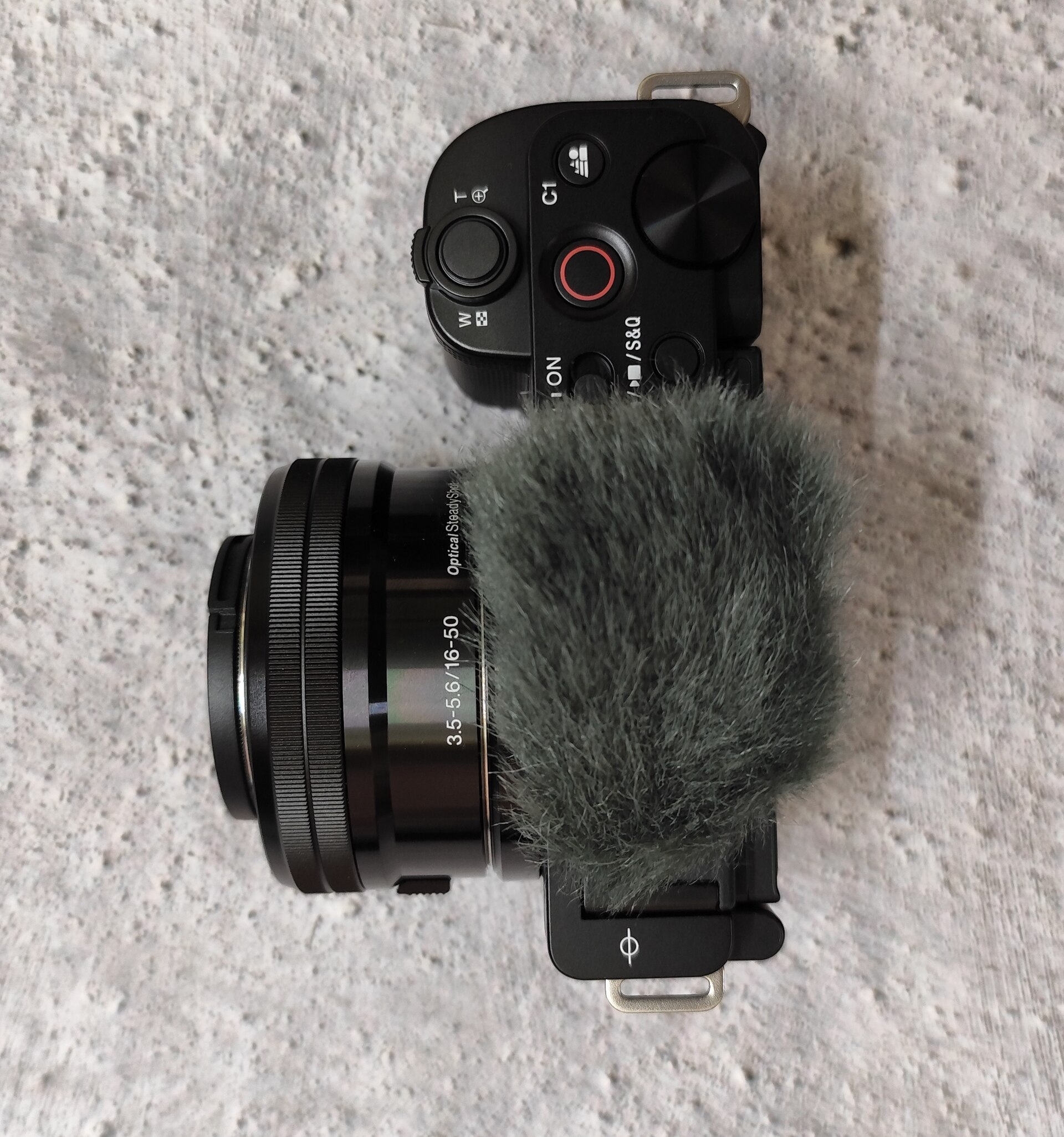
Sony ZV-E10 II — The Best Overall Vlogging Camera
For most creators, the Sony ZV-E10 II is the sweet spot. Released in July 2024, it packs a 26-megapixel APS-C Exmor R sensor and the BIONZ XR processor — the same internals found in Sony’s more expensive FX30 cinema camera — into a compact body built around self-recording.
Video is where it shines. It captures 4K up to 60p in 10-bit 4:2:2 color, oversampled from 5.6K for crisp detail, plus Full HD up to 120p for smooth slow motion. A three-capsule directional microphone with an included wind muff records audio that leans toward the front, the rear, or all directions, and there are separate 3.5 mm microphone and headphone jacks.
Creator-focused features make it easy to use solo: a Product Showcase mode that instantly shifts focus to an object you hold up to the lens, a one-touch Background Defocus button, a fully articulating touchscreen, and Real-time Eye AF backed by 759 phase-detection points. It is not perfect — there is no in-body image stabilization, so handheld walking shots rely on a stabilized lens, Sony’s digital Active stabilization, or a small gimbal. But at $999 body only ($1,099 with the 16-50mm power-zoom kit lens), it is the most capable all-rounder for the money.
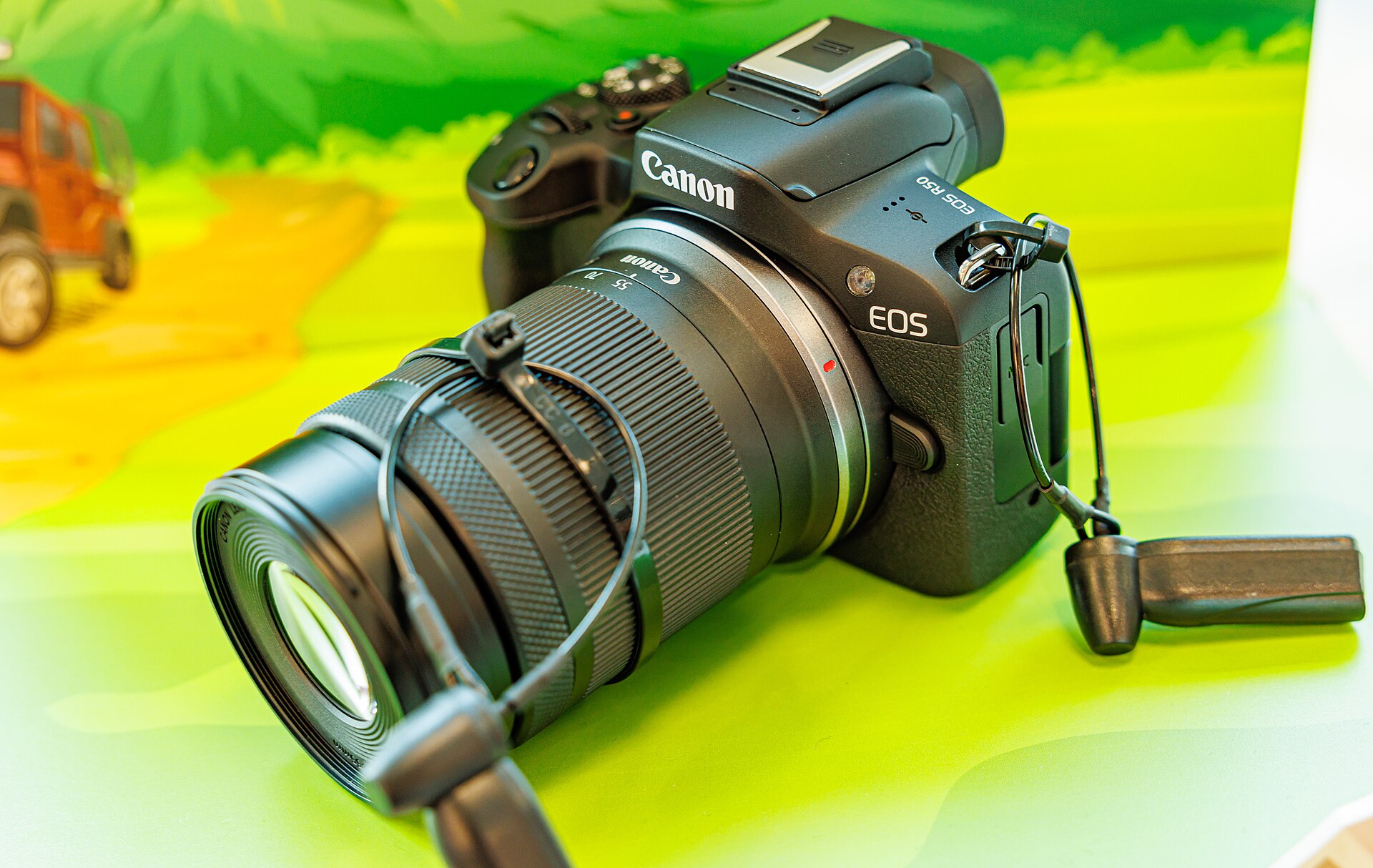
Canon EOS R50 V — The Best Value Vlogging Camera
Canon’s answer to the ZV line is the EOS R50 V, and it undercuts Sony on price in a big way at $649 body only ($849 with the 14-30mm power-zoom kit lens). It is built on a 24.2-megapixel APS-C sensor with Canon’s Dual Pixel CMOS AF II, and it is clearly designed for video-first creators.
You get 4K 30p oversampled from 6K, cropped 4K 60p, Full HD up to 120p, 10-bit 4:2:2 color, and Canon Log 3 for grading. The ergonomics are genuinely thoughtful: a front-facing record button, a second tripod socket on the side for vertical video, a Product Demo autofocus mode, and a dedicated LIVE button for plug-and-play USB webcam streaming with no extra drivers. The trade-offs are a heavier 4K 60p crop (about 1.5x) and no in-body stabilization, but for the price it is hard to argue with.
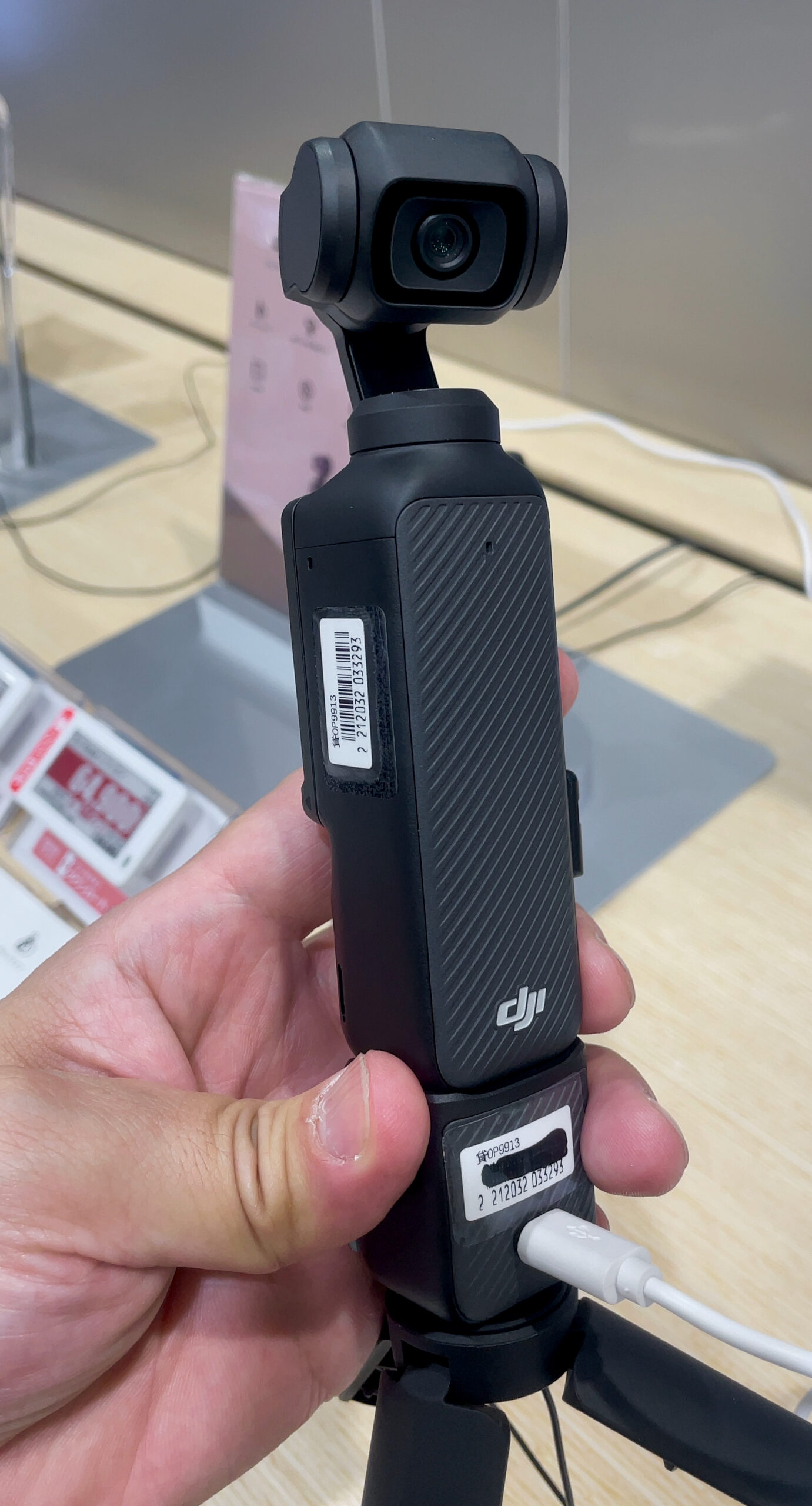
DJI Osmo Pocket 3 — The Best Pocket Gimbal Camera
If you want something you will actually carry everywhere, the DJI Osmo Pocket 3 is a different animal: a three-axis mechanical gimbal camera with a 1-inch sensor that produces buttery-smooth footage no smartphone can match. Its party trick is the rotating touchscreen that flips to switch between horizontal and vertical video, and its subject tracking will keep you centered as you walk.
It is the easiest way to get stable, professional-looking motion without learning to balance a full gimbal rig — ideal for travel vlogs, walking tours, and quick social clips. The main limits are a fixed lens, smaller sensor than the mirrorless options above, and less control over depth of field.
How to Choose a Vlogging Camera
Before you buy, weigh these four factors:
- Audio. Built-in microphones have improved a lot, but a 3.5 mm mic input (and ideally a headphone jack) is what separates a real video camera from a point-and-shoot. The ZV-E10 II and EOS R50 V both include both ports.
- Autofocus. For self-shooting, subject and eye tracking you can trust matters more than megapixels. Sony and Canon are the current class leaders here.
- Stabilization. None of the popular budget vlogging bodies include in-body stabilization. Plan for a stabilized lens, digital stabilization, or a gimbal for walking footage.
- Form factor. A flip-out screen and a front-facing record button make solo filming far less frustrating — look for both.
Frequently Asked Questions
Do I need a full-frame camera for vlogging?
No. APS-C sensors like those in the ZV-E10 II and EOS R50 V deliver excellent low-light performance and shallow depth of field at a fraction of the cost and weight. Full-frame (for example Sony’s ZV-E1) is worth it only if you shoot in very dim conditions and have the budget.
Is a smartphone good enough for vlogging?
For casual content, yes — modern phones shoot great 4K. But a dedicated camera gives you larger sensors, real lenses, better audio inputs, and much longer recording stamina, which is why serious creators upgrade.
Do these cameras need a gimbal?
Not always. A stabilized lens or digital stabilization covers talking-head and handheld shots. If you do a lot of walking-and-talking footage, a small gimbal — or a built-in option like the DJI Osmo Pocket 3 — will make the biggest visible difference.
Final Verdict
The right camera depends on how you shoot. For most creators, the Sony ZV-E10 II offers the best balance of image quality, autofocus, and audio for the money. The Canon EOS R50 V delivers remarkable value if you are on a tighter budget, and the DJI Osmo Pocket 3 is the best choice when portability and smooth motion matter more than interchangeable lenses. Whichever you pick, any of these three will produce noticeably better-looking video than a phone — and that is the whole point.
Related Posts
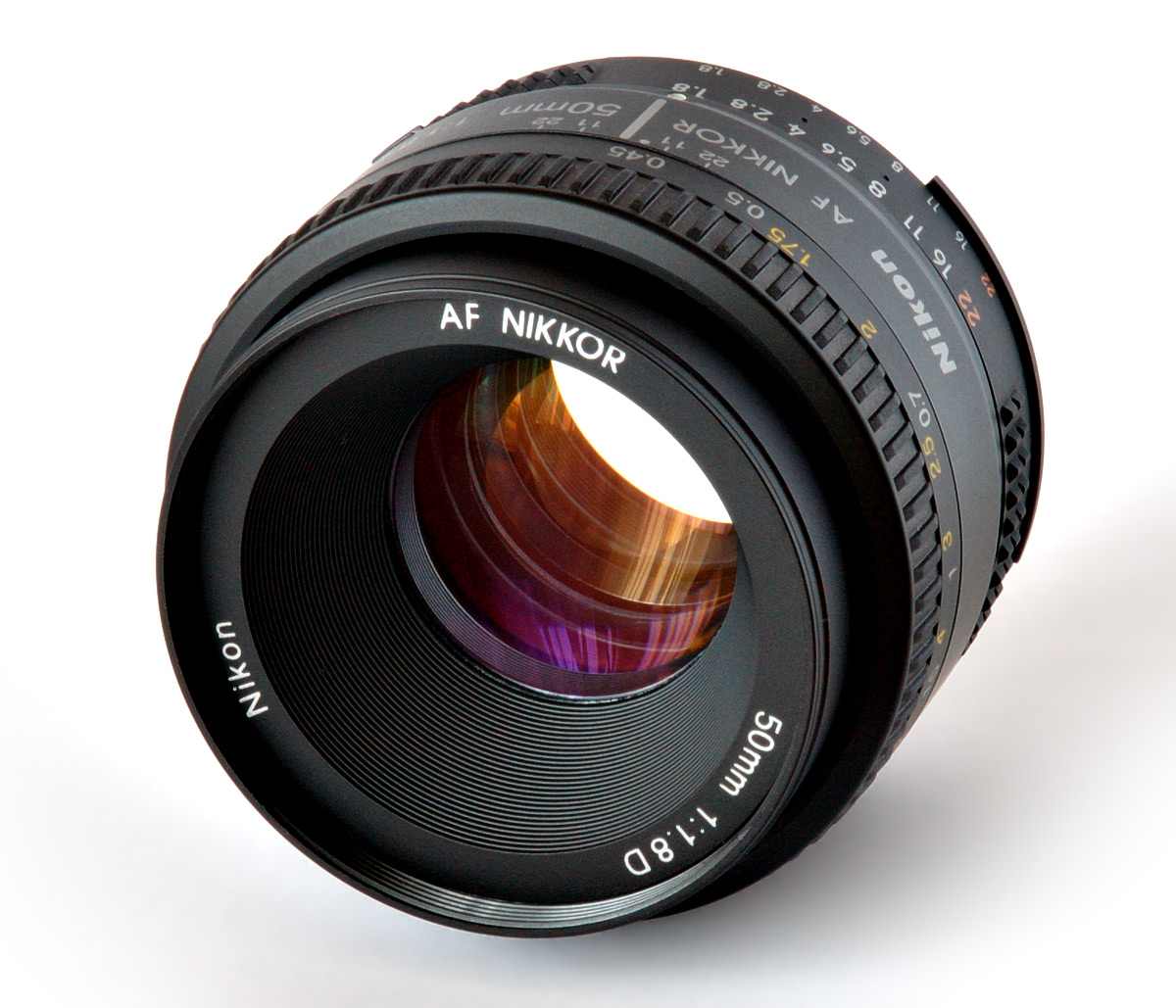
Best Budget Lenses for Beginners: 7 Affordable Upgrades That Beat Your Kit Lens
Every beginner starts with the kit lens — and that's…
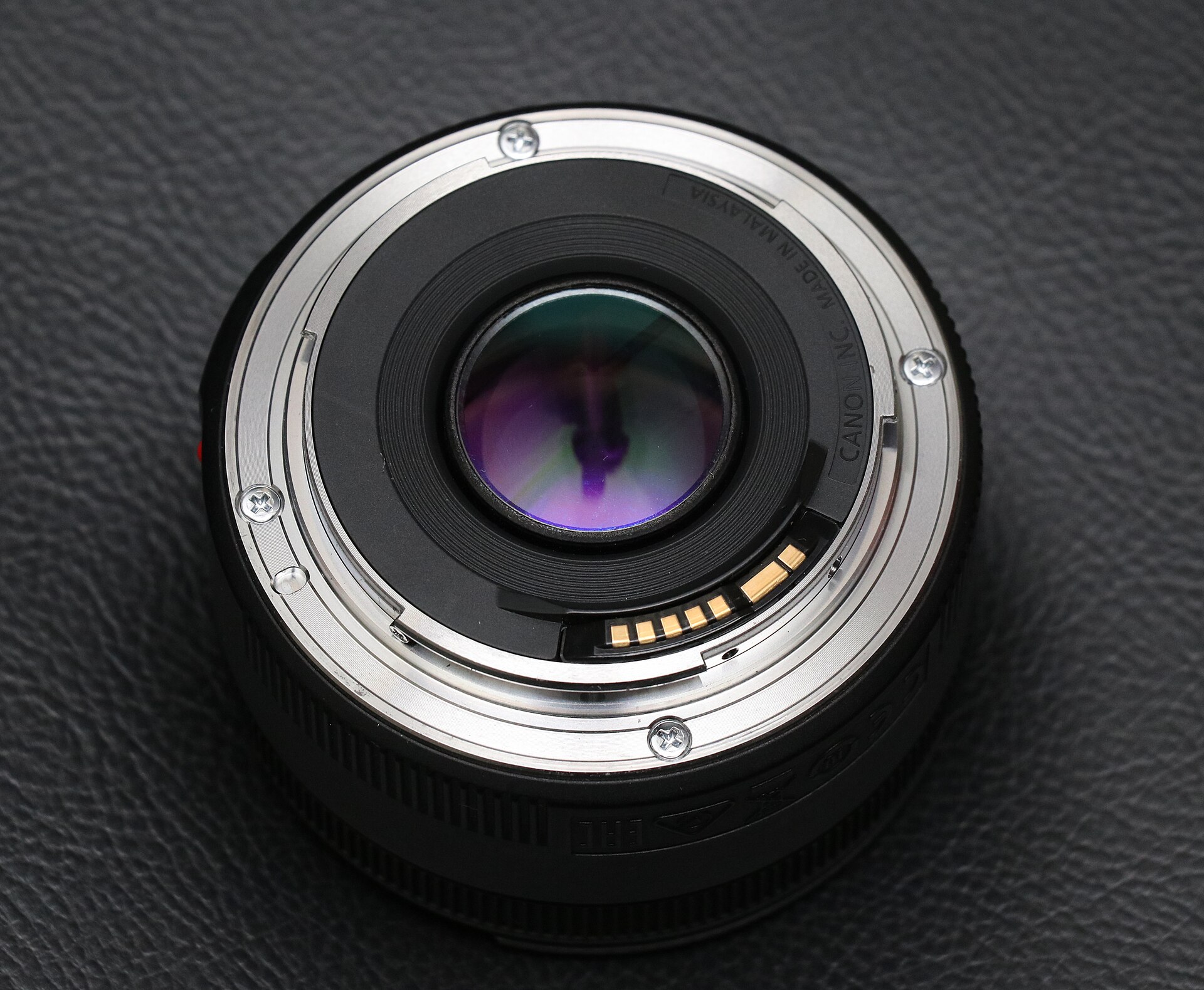
Prime vs Zoom Lenses: Which Should You Buy?
Every photographer eventually stands at the same fork in the…
Best Cameras for Beginners in 2026: Our Top Picks
Buying your first "real" camera is a milestone, and 2026…