Every photographer eventually hits the same wall: the battery dies in the middle of a shoot. Camera batteries are the least glamorous part of your kit, but the numbers printed on them — and the “shots per charge” figure on every spec sheet — are widely misunderstood. Here’s how camera battery capacity actually works, what CIPA ratings really measure, and how to squeeze more frames out of every charge.

What mAh and Wh Actually Mean
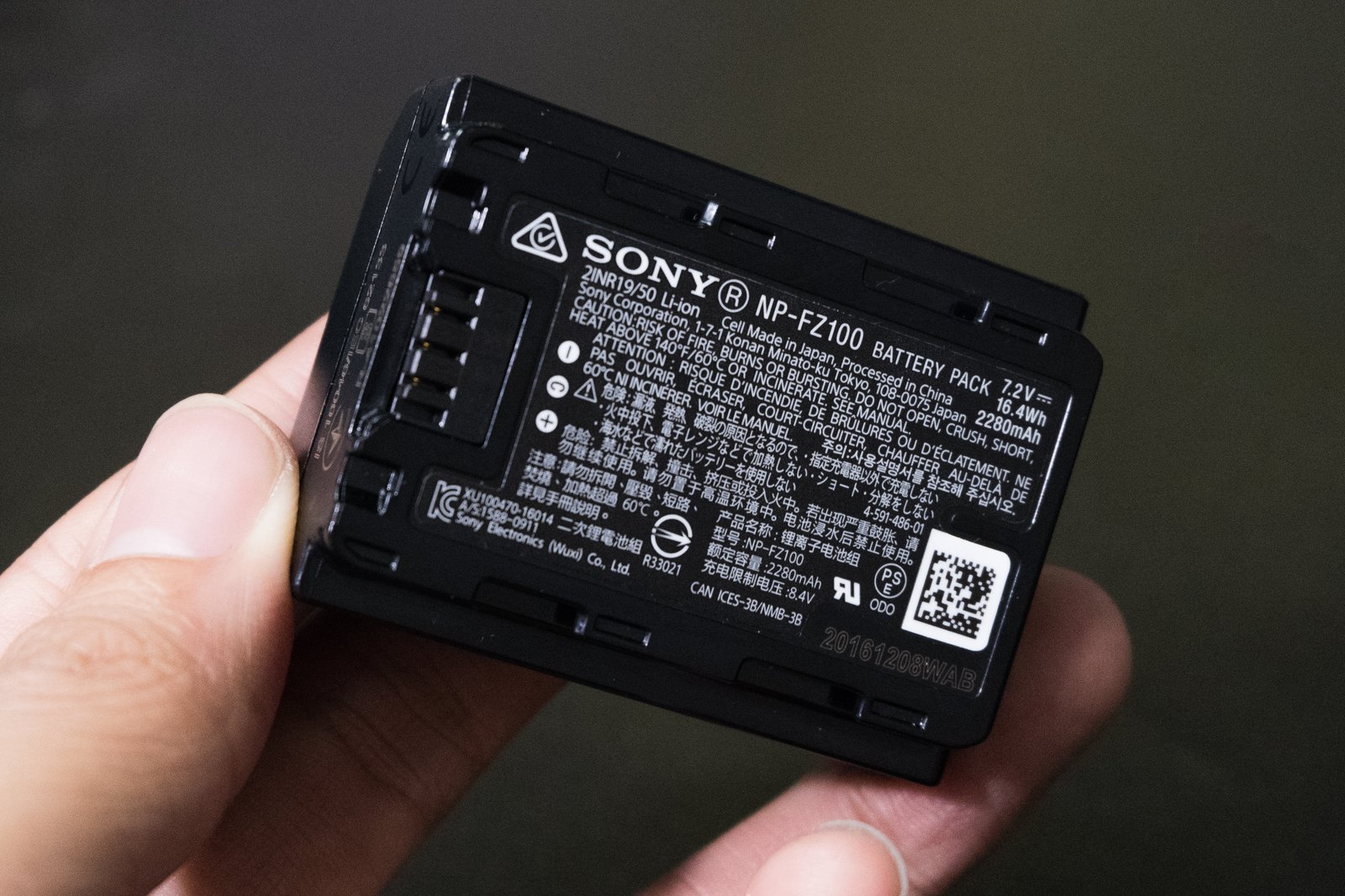
Every rechargeable lithium-ion camera battery carries two headline numbers: milliamp-hours (mAh) and watt-hours (Wh). mAh describes how much current the cell can supply over an hour, while Wh describes total stored energy. Because different camera batteries run at slightly different voltages, watt-hours is the fairer head-to-head comparison — but mAh is the number printed on the label, so it’s what most shooters remember.
Three batteries power the vast majority of modern mirrorless cameras, and their capacities show how far battery tech has come:
- Sony NP-FZ100 — 2,280 mAh at 7.2 V (about 16.4 Wh)
- Canon LP-E6NH — 2,130 mAh at 7.2 V
- Nikon EN-EL15c — 2,280 mAh at 7.0 V
The progress is stark. Sony’s older NP-FW50 held roughly 1,020 mAh, and the NP-FZ100 more than doubles it. Canon’s LP-E6NH delivers about 14% more capacity than the LP-E6N it replaced. That headroom is why a modern full-frame body can turn in 500–700 shots per charge where cameras a decade ago struggled past 300.
How CIPA Ratings Work (and Why They Underestimate)
The “shots per charge” number on every spec sheet comes from a standardized test defined by the Camera & Imaging Products Association (CIPA), a Japan-based industry body. The methodology dates back to 2003 and is deliberately conservative.
Roughly, the test does this: power the camera on, wait 30 seconds, take one photo, wait another 30 seconds, take another photo, and keep repeating — powering the camera down completely after every 10 shots. It runs at a mild 23 °C (73 °F) and, for cameras with a built-in flash, fires the flash every other shot.
In other words, CIPA assumes you spend a full minute on every frame. Real photographers burst, shoot continuously, and fire off hundreds of frames in the time the test would capture a handful. That’s why getting two to three times the official figure in real use is completely normal — and why the rating still matters as a consistent way to compare one camera against another.
Why Cold Weather and the EVF Drain Batteries Fastest
Two things punish lithium-ion cells hardest: cold temperatures and the electronic viewfinder.
Lithium-ion chemistry slows down as it gets cold. Below freezing, a battery can deliver only a fraction of its rated capacity, and a camera may read a cold cell as nearly empty even when it still holds a charge. The classic fix is to keep spare batteries in an inside jacket pocket, close to body heat, and swap them in as needed.
The EVF is the other quiet killer. A high-resolution OLED viewfinder running at a fast refresh rate can draw more power than the rear LCD, which is why many cameras list separate CIPA figures for viewfinder versus monitor use. If you’re shooting for hours, switching off features you don’t need — Wi-Fi, Bluetooth, image stabilization on a tripod, and the always-on viewfinder eye sensor — all adds up.
8 Ways to Make One Charge Last Longer
- Carry a spare (or two). The cheapest battery-life upgrade you can buy is a second battery.
- Keep spares warm against your body in cold weather.
- Turn off Wi-Fi and Bluetooth when you’re not transferring files.
- Shorten the camera’s auto power-off (sleep) timer.
- Switch off IBIS/OIS when shooting from a tripod.
- Lower the EVF and LCD brightness.
- Stop chimping — every image review costs power.
- Use a battery grip or a USB-C power bank if your body supports in-camera charging.
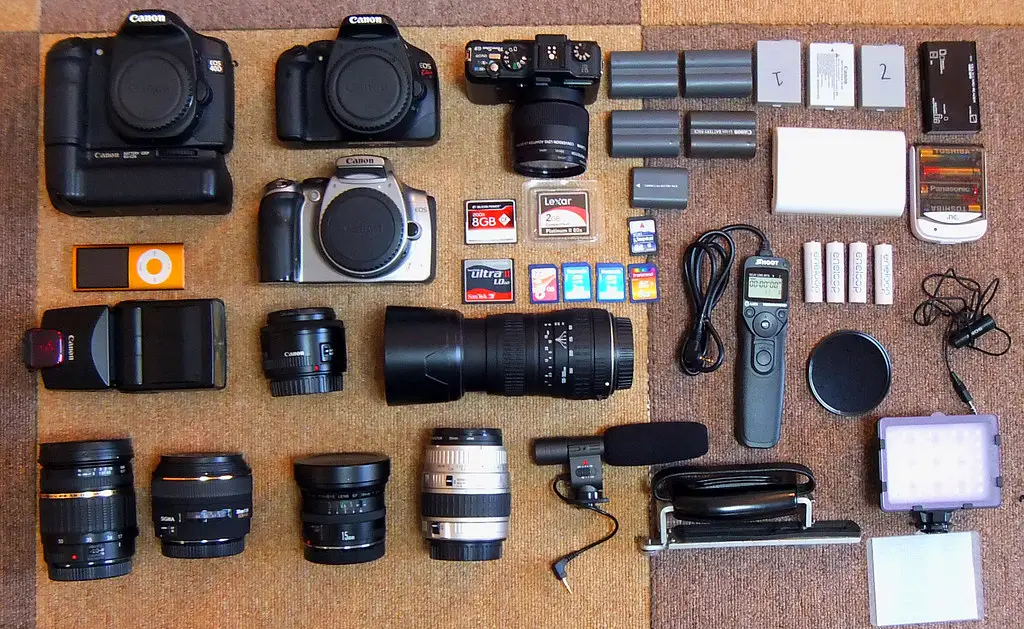
A battery grip holds two cells and roughly doubles runtime, which is why wildlife and event shooters reach for them. Many newer bodies also support USB Power Delivery, so a compact power bank can top up the battery between scenes.
Should You Buy Third-Party Batteries?
Third-party batteries cost a fraction of first-party ones, and many are genuinely fine. The trade-offs are real, though: quality control is inconsistent, capacity claims are often optimistic, and some cameras display a warning — or refuse to report charge level — with non-branded cells. If you go third-party, stick to well-known brands, keep a genuine battery as your primary, and treat the cheap cells as backups.
Conclusion
Your camera’s battery rating is a starting point, not a promise. Once you understand what mAh and CIPA actually mean — and treat cold weather and the EVF as your two biggest power drains — a few small habits will routinely double your real-world shot count. A spare battery and a power bank will do more for a long shooting day than almost any other accessory in your bag.
FAQ
What does CIPA stand for?
CIPA stands for the Camera & Imaging Products Association, the Japan-based industry body that defines the standardized battery-life test used across the camera industry.
Why do I get more shots than my camera’s CIPA rating?
Because the CIPA test is deliberately conservative: it waits 30 seconds between shots, powers the camera down every 10 frames, and fires the flash every other shot. Real-world shooting is far less demanding, so doubling or tripling the rating is common.
Does cold weather permanently damage my battery?
No. Cold temporarily reduces a lithium-ion cell’s capacity, and it recovers once warmed up. Repeatedly draining a battery to empty in extreme cold can accelerate long-term aging, but a single cold shoot won’t hurt it.
Is it safe to charge my camera over USB-C?
Yes, on bodies that support it, as long as you use a compliant USB Power Delivery charger. Check your camera’s manual — most modern mirrorless bodies support in-camera USB charging.
Related Posts
High-Resolution Camera Technology 2026: From 200MP Sensors to Computational Photography
In 2026, "more megapixels" no longer means "a better camera."…

What Is a Tilt-Shift Lens? How Tilt and Shift Work (And the Miniature Effect)
What Is a Tilt-Shift Lens? A tilt-shift lens is a…
Focus Peaking and Zebra Stripes Explained: Two Tools That Make Manual Focus and Exposure Easy
Every modern mirrorless camera hides two small helpers that make…