Smartphone cameras have quietly replaced the dedicated point-and-shoot for most people. In 2026 the gap between a flagship phone camera and serious mirrorless gear is narrower than ever — larger sensors, periscope zoom lenses and AI-driven computational photography now fit in your pocket. But the “best” camera phone is not the same for everyone: it depends on whether you value natural colour, extreme zoom reach, AI-assisted shots, or simply the best value for money. Here is our 2026 buying guide to the best smartphone cameras, built from hands-on testing by CNET, TechRadar and 91mobiles.
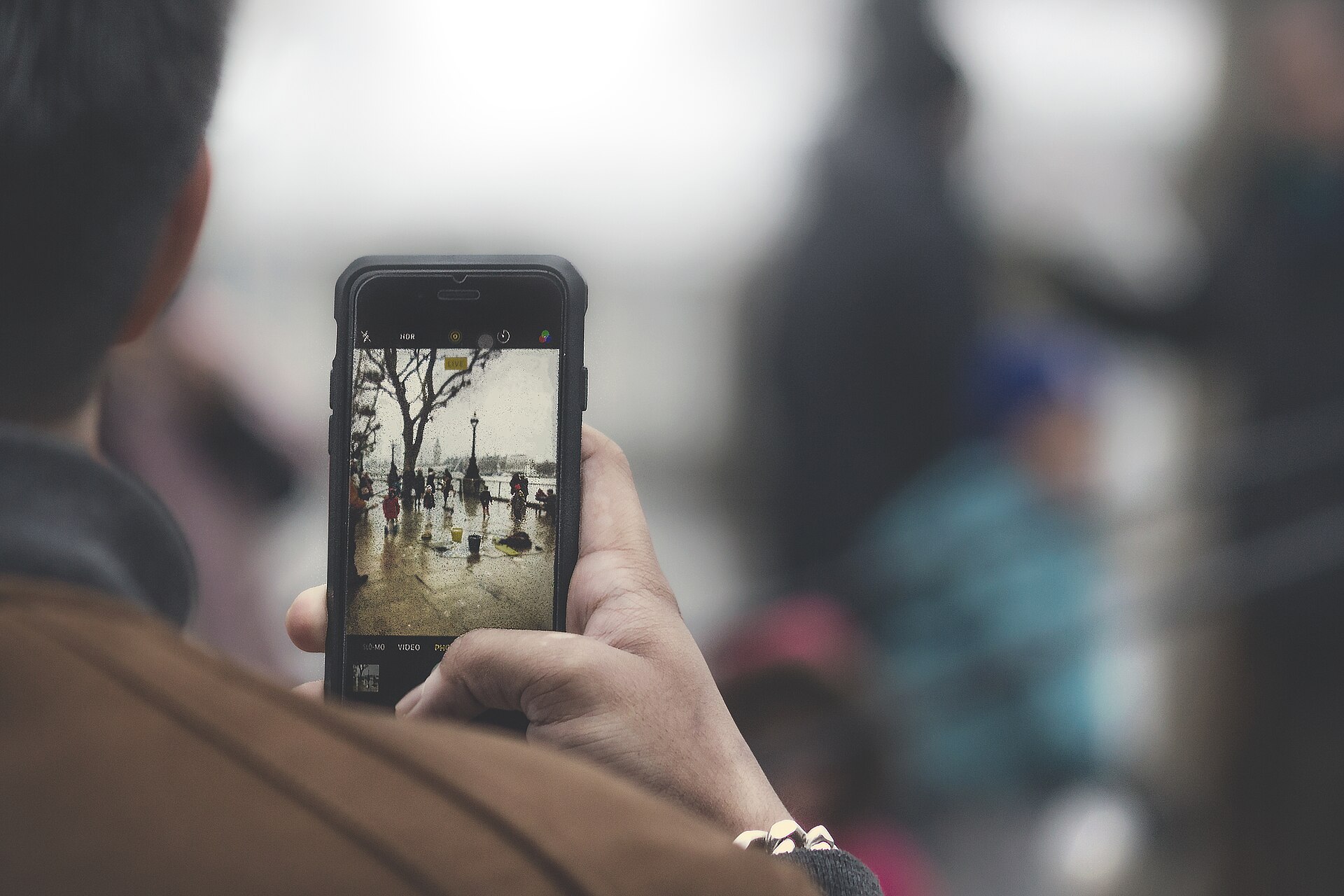
What matters in a 2026 smartphone camera
Before picking a model, it helps to know what actually moves the needle. Modern flagships pair a large main sensor — roughly Type 1/1.3 in the top three phones — with an ultra-wide and one or more telephoto lenses. Resolution sounds impressive (200MP, anyone?), but what you see day-to-day is the result of pixel binning: most phones merge sensor pixels to output sharper, brighter 12–24MP images. The real differentiators in 2026 are zoom flexibility, low-light performance, video quality and colour science — the last being the biggest reason two phones can produce visibly different photos from the same sensor class.
Best overall: Apple iPhone 17 Pro and 17 Pro Max
TechRadar currently names the iPhone 17 Pro Max the best camera phone you can buy, and its reasoning is simple: balance. Photos come out lifelike, well-exposed and share-ready straight from the camera, with none of the heavy processing tricks you sometimes see elsewhere. The 48MP main camera and Apple’s computational pipeline deliver reliable, true-to-life colours, while Portrait mode remains the class leader for subject separation and bokeh. Video is where the iPhone really pulls ahead — the 17 Pro records 4K at up to 120fps with Dolby Vision HDR, the kind of slow-motion and dynamic range that filmmakers have genuinely used on set.
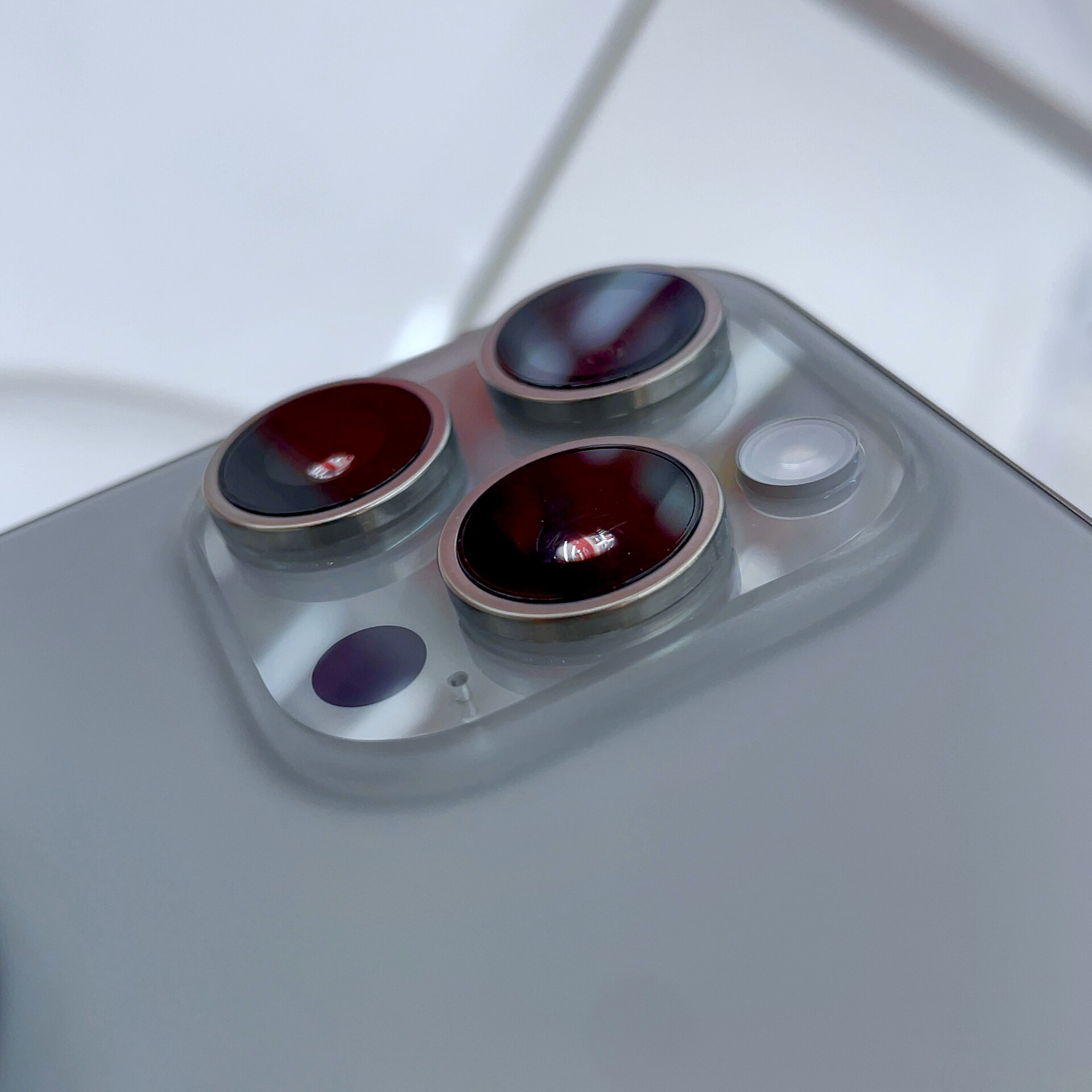
Best for zoom, detail and low light: Samsung Galaxy S26 Ultra
If the iPhone is the balanced all-rounder, the Galaxy S26 Ultra is the flexible specialist. Its 200MP main sensor uses pixel binning to deliver clean 50MP or 12.5MP shots with impressive dynamic range, and its four-camera array — including a dedicated 3x lens and a periscope telephoto that reaches 10x optical zoom — gives it the most zoom flexibility of any mainstream phone. In 91mobiles’ three-way test against the iPhone and Pixel, the S26 Ultra won overall for detail, sharpness and handling difficult lighting, and it took the ultrawide and low-light rounds outright. Samsung’s Nightography pulls clean images out of dim restaurants and street scenes, and it records 8K video at 30fps for those who want maximum resolution.
Best AI camera: Google Pixel 10 Pro and 10 Pro XL
Every phone in 2026 leans on AI, but Google still does it best. TechRadar calls the Pixel 10 Pro XL the best AI camera, and it earns that title by using AI to help you take better real photos rather than fabricate fake ones. The Pixel line’s colour science is widely regarded as the most faithful — 91mobiles repeatedly gave it top marks for reproducing scenes as your eye actually sees them — and Night Sight remains the gold standard for low-light shooting. Features like Camera Coach nudge you toward better framing and composition, which makes the Pixel the friendliest flagship for people who want great results without learning manual controls.
Best budget camera phone: Google Pixel 10a
You do not need to spend flagship money for excellent photos. The Pixel 10a delivers main-camera shots that reviewers say are close to indistinguishable from the Pixel 10 Pro, at a much lower price. It keeps Google’s natural colour science, a generous dynamic range and genuinely useful macro and close-up capability. If you are upgrading from an older Pixel or moving up from a budget Android phone, the 10a is the strongest value in mobile photography right now.
How to choose
Think about what you actually shoot. Portraits and video? The iPhone 17 Pro is hard to beat. Long zoom, landscapes and tricky light? The Galaxy S26 Ultra’s reach and Nightography win. The most true-to-life colours and the easiest AI assistance? Go Pixel 10 Pro. And if budget rules the decision, the Pixel 10a is the default answer. Colour science and video quality matter more than megapixel counts, so look past the spec sheet and match the phone to your photography.
Conclusion
The best smartphone camera of 2026 depends on your priorities, but the shortlist is consistent across every major reviewer: the Apple iPhone 17 Pro Max for balance and video, the Samsung Galaxy S26 Ultra for zoom, detail and low light, and the Google Pixel 10 Pro for AI and natural colour — with the Pixel 10a as the budget champion. Whichever you choose, today’s flagships deliver image quality that would have required a dedicated camera just a few years ago.
FAQ
Which phone has the best camera in 2026?
Most reviewers crown the iPhone 17 Pro Max as the best all-round camera phone, while the Samsung Galaxy S26 Ultra wins for zoom, detail and low-light versatility and the Google Pixel 10 Pro leads on colour science and AI features.
Does more megapixels mean a better camera?
Not directly. A 200MP sensor like the Galaxy S26 Ultra’s uses pixel binning to output cleaner 12–50MP images, and processing, sensor size and lens quality matter far more than the headline resolution number.
What is the best budget camera phone in 2026?
The Google Pixel 10a is the consensus budget pick, delivering near-flagship main-camera quality and Google’s signature natural colours at a fraction of the price.
Related Posts
Smartphone vs Mirrorless vs DSLR — Which Camera to Buy in 2026?
In 2026, the question "which camera should I buy?" has…

Best Cameras for Wildlife and Sports Photography (2025 Buying Guide)
Wildlife and sports photography is the ultimate stress test for…
Best Mirrorless Cameras Under $1000 in 2026: Top Picks for Every Shooter
The sub-$1000 mirrorless market in 2026 is the sweet spot…