The sub-$1000 mirrorless market in 2026 is the sweet spot for anyone who wants to move beyond a smartphone without taking on a four-figure body. You can now get flagship-grade autofocus, 10-bit video, and 26-megapixel sensors for under a thousand dollars — features that cost twice as much just a few years ago.
This guide focuses on cameras you can actually buy new today, with real specifications and street prices. We’ve split the field into four clear winners, each with a different strength, plus a short guide to help you pick.
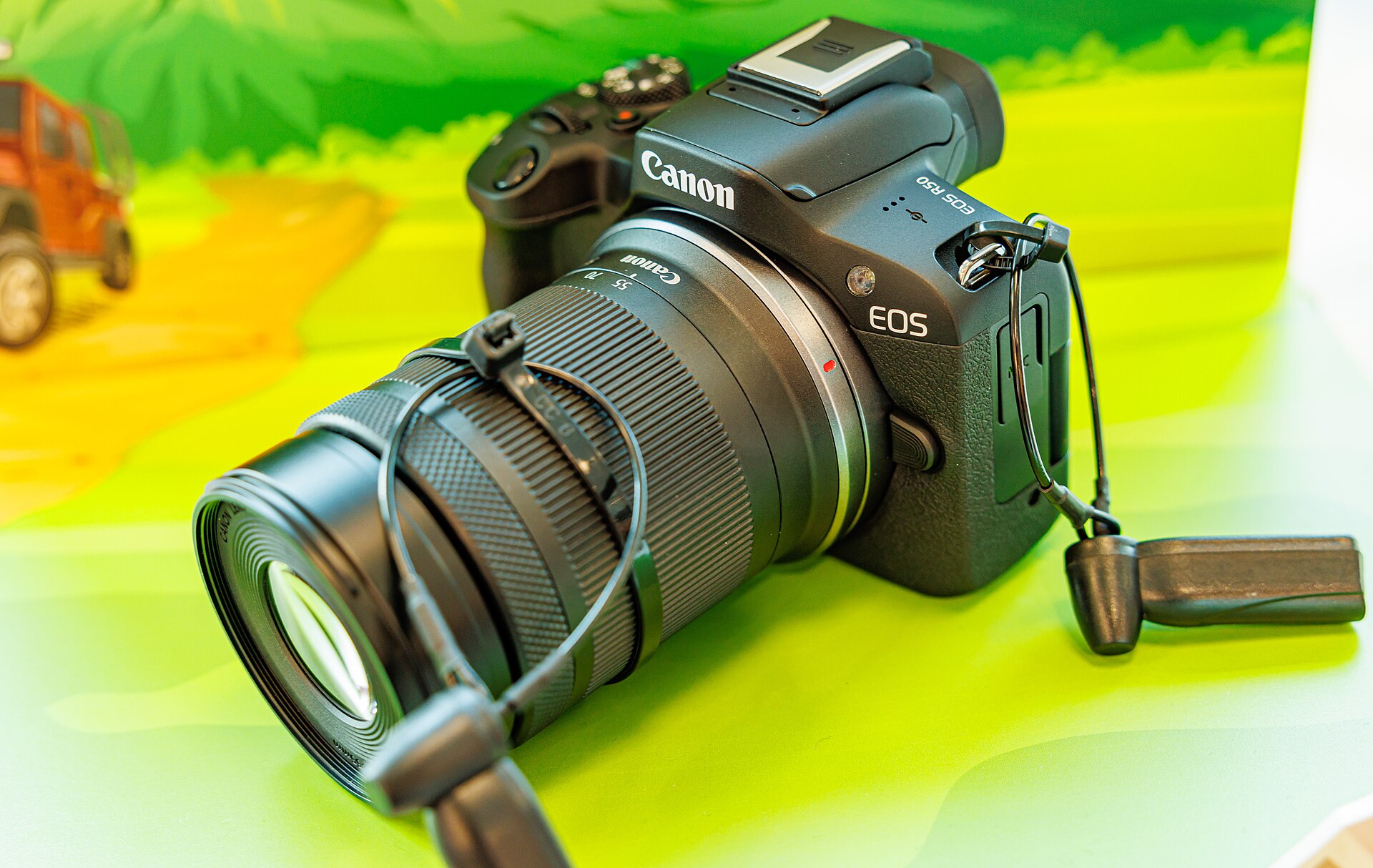
Canon EOS R50 — Best Overall for Beginners
The Canon EOS R50 ($679 body-only, about $799 with the RF-S 18-45mm kit lens) is the easiest recommendation in this price bracket. It pairs a 24.2MP APS-C sensor with the DIGIC X processor — the same engine found in Canon’s pricier EOS R10 and R8 — and its Dual Pixel CMOS AF II system covers 651 zones with subject detection for people, animals, and vehicles.
For video, the R50 records 4K/30p using the full sensor width, oversampled from 6K for cleaner detail, and supports 10-bit HDR footage. It can shoot at up to 15fps with the electronic shutter and pairs a 2.36M-dot OLED viewfinder with a fully articulating touchscreen. At 375g it’s genuinely pocketable. The guided interface is a bonus for beginners; the main trade-off is Canon’s still-growing RF-S lens lineup.
Fujifilm X-M5 — Best for Video and Content Creators
If video is your priority, the Fujifilm X-M5 ($799 body, $899 with the XC 15-45mm) is hard to beat. It records 6.2K/30p open-gate 4:2:2 10-bit internally — footage you can crop into vertical, square, or widescreen formats without losing quality — plus 4K/60p and 1080/240p slow motion, and F-Log2 with roughly 13 stops of dynamic range.
A 26.1MP back-illuminated X-Trans CMOS 4 sensor and the X-Processor 5 (shared with the X100VI) keep stills sharp, and the dedicated film-simulation dial gives one-touch access to 20 color recipes. You do give up a viewfinder and in-body stabilization (it relies on digital IS), which makes it better for video and street work than for long-lens handheld shooting. It’s also the lightest camera in Fujifilm’s X Series.
Sony a6400 — Best Autofocus for Action and Sports
For fast-moving subjects, the Sony a6400 (around $850–900 body-only) still leads in this price class. Its Real-Time Eye AF and Real-Time Tracking lock on and hold focus with a 0.02-second acquisition time — among the fastest in any APS-C camera — and it keeps tracking while shooting at 11fps with full AF/AE.
The a6400’s 24.2MP sensor delivers excellent low-light performance, it’s built from a weather-sealed magnesium alloy body, and it opens the door to Sony’s enormous E-mount lens library. The downsides are a dated menu system and no in-body stabilization. If sports, wildlife, or running kids are your subjects, this is the one.
Nikon Z50 II — Best All-Round Hybrid Value
The Nikon Z50 II ($909.95 body, $1,049.95 with the 16-50mm kit) is the most modern all-rounder here. It’s Nikon’s first APS-C camera to use the EXPEED 7 processor from the flagship Z8 and Z9, which brings subject-detection autofocus across nine subject types, 3D tracking, and up to 30fps with Pre-Release Capture.
Video is strong too: 4K/30p is oversampled from 5.6K in 10-bit N-Log, with 4K/60p and Full HD/120p for slow motion. A dedicated Picture Control button cycles color recipes instantly, and the 1000-nit viewfinder is roughly twice as bright as the original Z50’s. Its 20.9MP resolution trails the 24–26MP rivals slightly, and there’s no IBIS — but as a stills-plus-video camera that grows with you, it’s excellent value.
How to Choose the Right Mirrorless Camera Under $1000
- Shooting stills first? Canon EOS R50 or Sony a6400.
- Video and content creation? Fujifilm X-M5.
- A balance of both with room to grow? Nikon Z50 II.
- Check the lens system before the body. You’re buying into a mount — Sony E has the biggest native catalog, while Canon RF-S and Nikon Z DX are still growing.
- Decide whether you need a viewfinder (the X-M5 lacks one) and in-body stabilization (none of these four have sensor-shift IBIS — that appears above $1000).
Conclusion
You don’t need to spend four figures to get genuinely modern image quality in 2026. The Canon EOS R50 is our top pick for beginners, the Fujifilm X-M5 for video-first creators, the Sony a6400 for action shooters, and the Nikon Z50 II for the best overall balance. All four deliver sharp photos, reliable autofocus, and 4K video — so the right choice comes down to what and how you shoot.
FAQ
What’s the best mirrorless camera under $1000 for beginners?
The Canon EOS R50 — it combines a 24.2MP sensor, fast Dual Pixel AF, and a guided interface at around $799 with a kit lens.
Do any of these cameras have in-body image stabilization?
No. Sensor-shift IBIS generally appears above the $1000 mark; these models rely on lens stabilization or digital IS for video.
Which is best for 4K video under $1000?
The Fujifilm X-M5 — its 6.2K open-gate 10-bit recording and 4K/60p outperform rivals at this price.
Image credits: featured and inline photos via Wikimedia Commons (CC BY 4.0 / CC BY-SA 4.0).
Related Posts
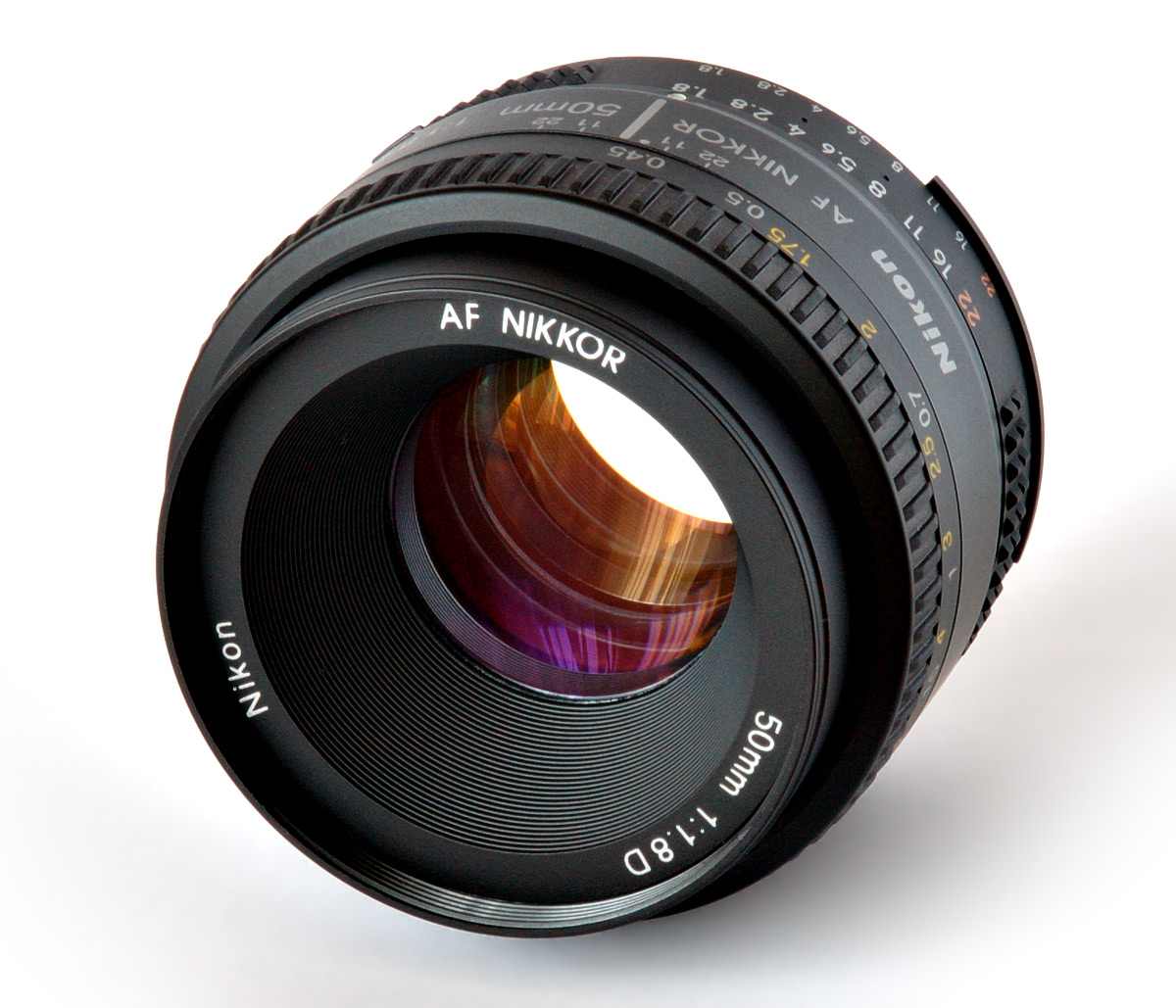
Best Budget Lenses for Beginners: 7 Affordable Upgrades That Beat Your Kit Lens
Every beginner starts with the kit lens — and that's…
Best Cameras for Beginners in 2026: Our Top Picks
Buying your first "real" camera is a milestone, and 2026…

Best Cameras for Wildlife and Sports Photography (2025 Buying Guide)
Wildlife and sports photography is the ultimate stress test for…