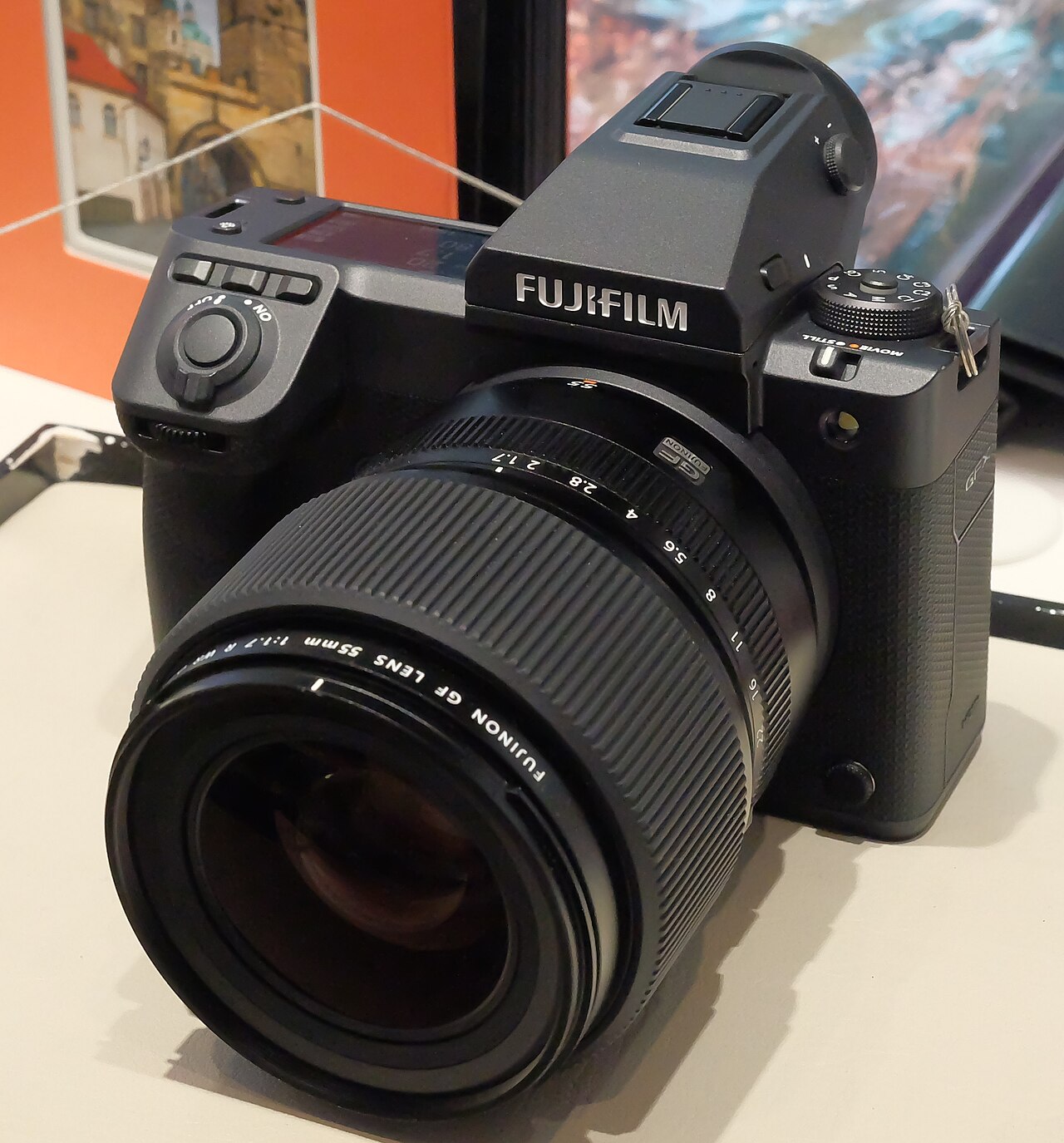
Most cameras are locked to the resolution printed on the box. A 61-megapixel Sony captures 61 megapixels, and a 102-megapixel Fujifilm captures 102 — until you switch on pixel shift. Using the same sensor-shift mechanism that steadies your handheld shots, a handful of modern cameras fire a rapid burst of exposures while nudging the sensor by a fraction of a pixel, then combine the frames into a single file with up to four times the resolution or dramatically more accurate color. Here is how the trick works, and why it remains a studio tool rather than an everyday one.

Why a Single Shot Leaves Data on the Table
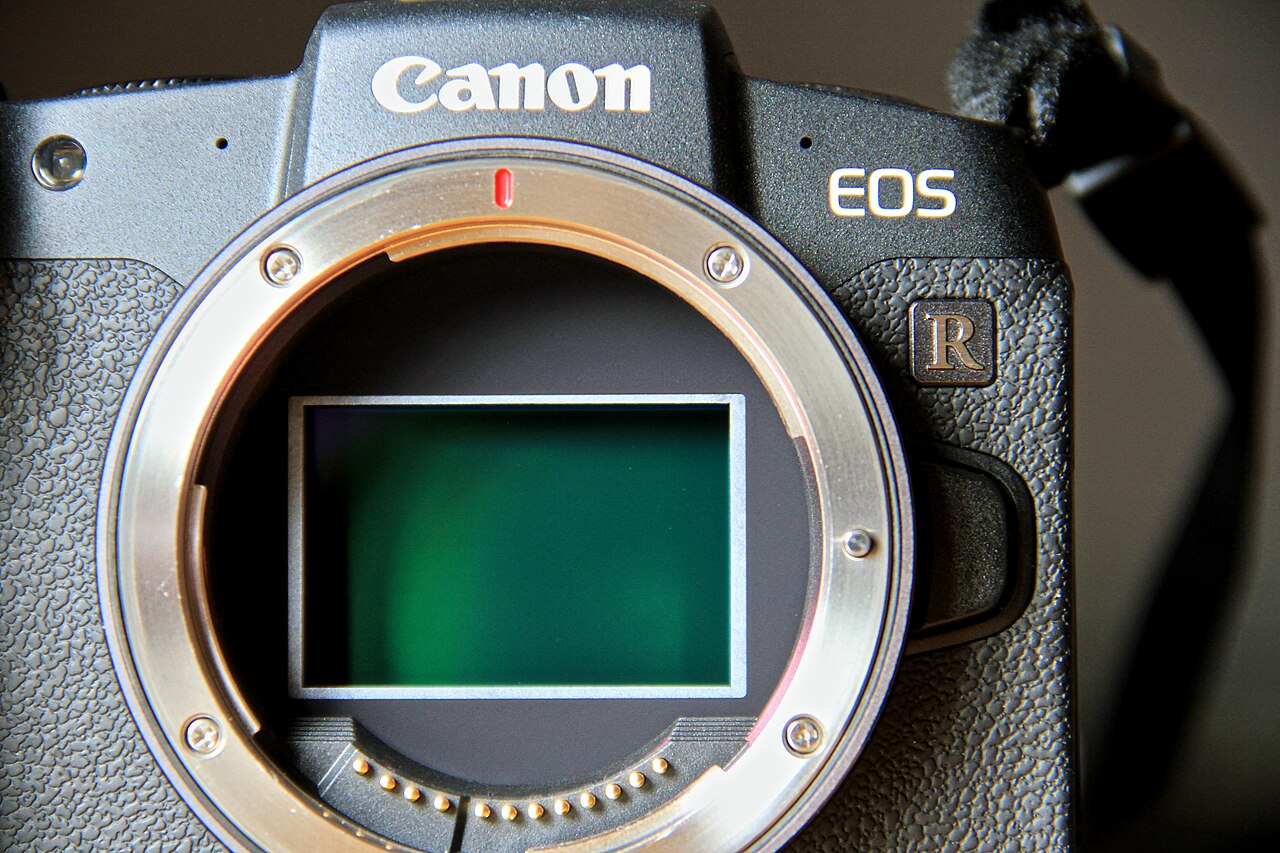
Every conventional digital sensor sits behind a Bayer color filter array — a mosaic of red, green, and blue filters that lets each photosite record only one color. A “61-megapixel” sensor is not capturing 61 million full-color samples; it captures 61 million single-color readings, and the camera’s image processor guesses the missing two-thirds of the color at every pixel through a process called demosaicing. That guesswork is usually good, but it is still an interpolation, and it is the root cause of softness, moiré patterns, and false color on fine detail such as fabric, hair, and printed text.

Two Modes: True Color vs. Higher Resolution
Pixel shift works in two distinct flavors, and it helps to keep them separate.
One-pixel shift (true color). The camera shifts the sensor a full pixel between exposures — right, down, left, up — so each photosite eventually visits the position of a red, a green, and a blue filter. Combine four frames and every output pixel now carries genuine RGB data with no interpolation at all. The pixel count stays the same, but color accuracy, micro-contrast, and freedom from moiré improve noticeably. This is the principle behind Sony’s four-shot mode (a true-color 61-megapixel image) and Hasselblad’s four-shot mode (a true-color 100-megapixel image).
Half-pixel shift (higher resolution). Shift the sensor by half a pixel instead, and you sample the scene at positions the sensor would normally never see. Moving by half a pixel in both the horizontal and vertical directions doubles the sampling density in each axis, which quadruples the total pixel count. That is how a 102-megapixel sensor produces a 400-megapixel file, and a 61-megapixel sensor produces a 240-megapixel file.
The Cameras That Actually Do It
- Sony introduced Pixel Shift Multi Shooting on the Alpha a7R III in 2017. On the a7R IV and a7R V, a 16-shot sequence merges into a 240.8-megapixel image, combined on a computer in Imaging Edge Desktop (each merged ARQ file runs to roughly 2 GB).
- Fujifilm’s GFX100 II shifts its 102-megapixel medium-format sensor by half a pixel over 16 RAW frames to build a 400-megapixel image, merged with the free Pixel Shift Combiner software.
- Panasonic’s Lumix S1R offers an in-camera High Resolution Mode that stacks eight frames into a 187-megapixel file from its 47.3-megapixel sensor — no desktop software required.
- Olympus / OM System popularized the idea with the E-M5 II’s 40-megapixel High Res Shot back in 2015; the E-M1 II refined it to eight half-pixel frames for a 50-megapixel JPEG or 80-megapixel RAW, and later models added handheld variants.
- Hasselblad’s H6D-400c Multi-Shot goes further still, using a piezo actuator for a six-shot cycle that yields a 400-megapixel, 16-bit TIFF (23,200 × 17,400 pixels, about 2.4 GB) — tethered and studio-bound.
The Catch: Still Subjects Only
Because the frames are taken over the course of a second or more, anything that moves between exposures leaves ghosting, double edges, or a faint grid pattern in the merged result. A sturdy tripod is effectively mandatory, and even a gust of wind through leaves can spoil a sequence. Sony recommends shooting at ISO 3200 or below with stable lighting and no flicker, and it caps flash sync at 1/8 second. Motion-correction features can patch moving areas, but they do so by substituting lower-resolution detail from a single frame.
Is It Worth It?
For art reproduction, product photography, architectural interiors, macro work, and archival digitization — where the subject is static and every pixel of detail and color counts — pixel shift is a genuine leap in quality for the cost of a little patience. For weddings, street, wildlife, or anything that breathes, it is the wrong tool. But it is a reminder of something important: your sensor has always been capable of more than the spec sheet suggests.
Frequently Asked Questions
Does pixel shift increase resolution, color accuracy, or both?
Both, depending on the mode. A one-pixel, four-shot sequence improves color accuracy at the same resolution, while a half-pixel, eight- or sixteen-shot sequence increases resolution up to fourfold (and also improves color).
Do I need special software to combine the frames?
It depends on the brand. Sony uses Imaging Edge Desktop, Fujifilm uses Pixel Shift Combiner, and Hasselblad uses Phocus. Panasonic and Olympus/OM System cameras can merge the frames in-camera.
Can I shoot pixel shift handheld?
Generally no — the sensor must return to within a fraction of a pixel between frames. A few Olympus/OM System models offer a handheld high-res mode, but it trades some resolution for the convenience.
Why does a half-pixel shift quadruple resolution rather than double it?
Because the shift happens in two dimensions. Halving the spacing between samples in both the horizontal and vertical directions doubles linear resolution on each axis, which multiplies out to four times as many pixels overall.
Related Posts

Camera Burst Speed and Buffer Explained: What Those FPS Numbers Really Mean
A cattle egret landing sequence, captured as a burst of…
How Autofocus Works: Phase Detection vs Contrast Detection
Every time you half-press the shutter button, your camera has…
Electronic vs Mechanical Shutter: Which Should You Use?
Every photograph depends on one small but critical decision: how…