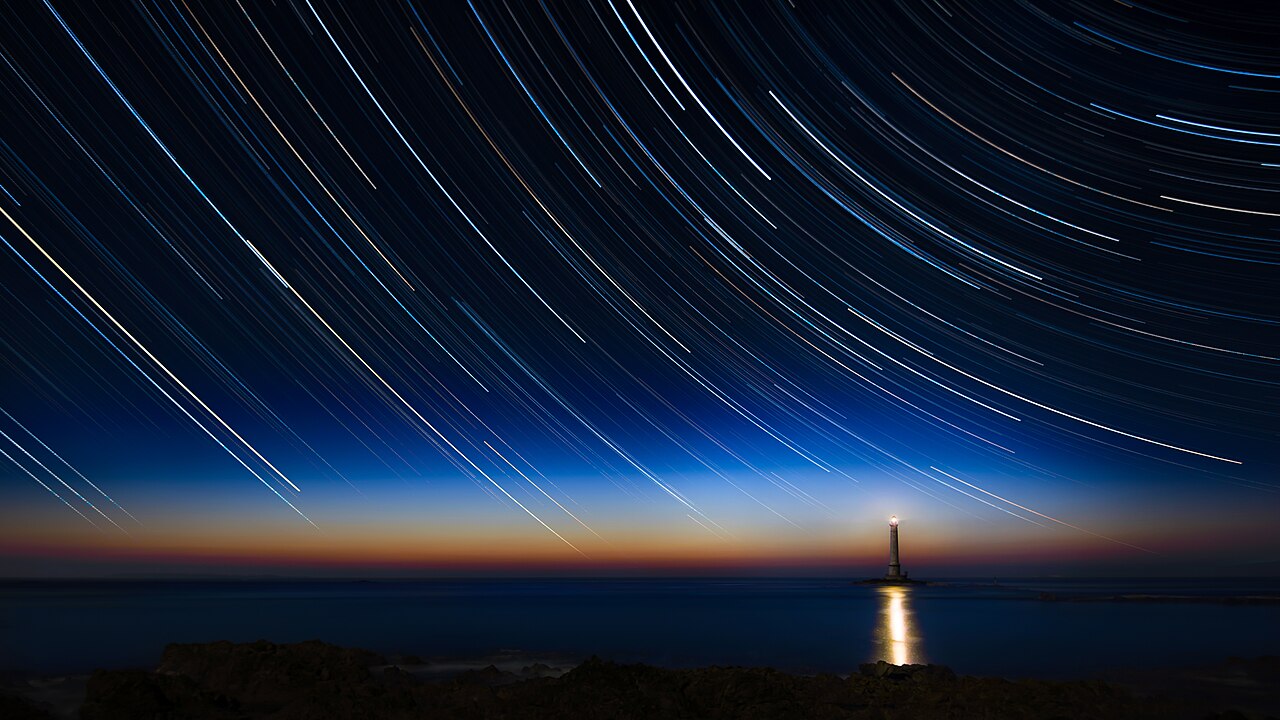
Long exposure photography turns time into a creative tool. By keeping the shutter open for a fraction of a second to several minutes, you let moving subjects — water, clouds, traffic, stars — blur into silky streaks while everything static stays tack sharp. It is one of the few techniques that produces images the human eye can never see unaided, and it is far easier to get into than most beginners assume. Here is a complete guide to the gear, settings, subjects, and mistakes that matter.
What Is Long Exposure Photography?
Long exposure simply means using a shutter speed slow enough that moving elements record as motion blur rather than frozen detail. There is no single magic threshold: handheld shooting becomes shaky below roughly 1/30s, but the long-exposure look most people picture starts around half a second and extends into minutes. The effect works because the sensor accumulates light continuously — anything that stays still builds up a sharp image, while anything that moves smears across the frame.
The Gear You Need
A camera with manual and Bulb modes. Every interchangeable-lens camera from Canon, Nikon, and Sony — and nearly every other maker — offers manual exposure plus a Bulb (B) setting that holds the shutter open beyond the usual 30-second limit for as long as you press the release.
A sturdy tripod. This is non-negotiable. Even the steadiest hands cannot hold a camera still for one second, let alone thirty. A cheap, rigid tripod beats an expensive, wobbly one every time.
A remote release or self-timer. Pressing the shutter button nudges the camera at the exact moment it matters. Use a cable release, a wireless remote, or the two-second self-timer so the camera has settled before the exposure begins.
ND filters (optional, for daylight). In bright light, even f/16 and ISO 100 may not slow the shutter enough. A neutral-density filter cuts light uniformly, letting you reach multi-second exposures in full sun without overexposing.
Choosing Your Settings
Start with the exposure fundamentals. Set ISO to its lowest native value to minimize noise, and stop the aperture down to roughly f/8–f/16 to both limit light and deepen depth of field. The shutter speed then becomes your creative control: half a second to a few seconds softens fast-moving water, while thirty seconds turns traffic into rivers of light and minutes reveal the arcs of star trails.
Two habits will save you more shots than any spec. First, focus before you attach an ND filter — a very dark filter can make autofocus hunt or fail. Second, engage your camera’s long-exposure noise reduction for exposures over a few seconds, or the sensor heat will paint hot pixels into the shadows of your frame.
Classic Long-Exposure Subjects
| Subject | Typical shutter speed | Result |
|---|---|---|
| Waterfalls & rivers | 0.5–2 s | Silky, milky water |
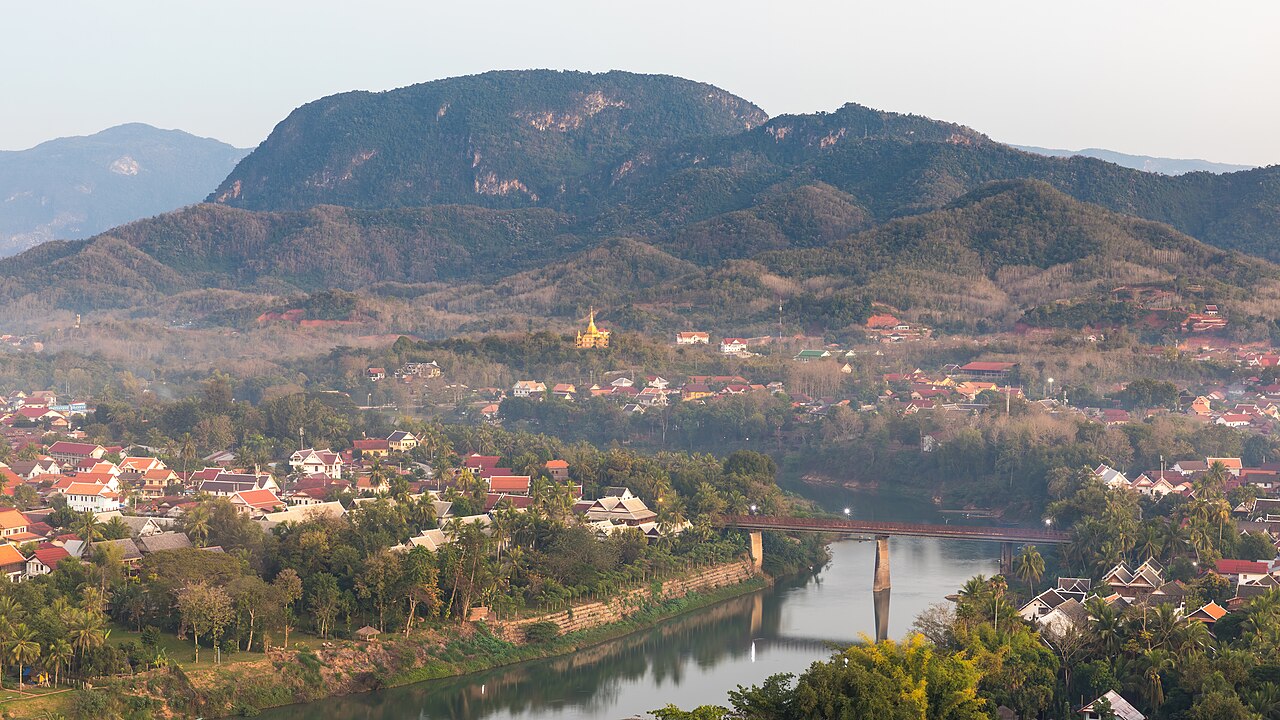
| Seascapes & clouds | 1–30 s | Smooth water, streaked sky |
| Traffic / light trails | 5–30 s | Ribbons of light |
| Star trails | Several minutes+ | Circular arcs around the poles |
Common Mistakes to Avoid
Shake from the environment. Wind, passing trucks, or a shaky bridge deck can ruin a long exposure even with a solid tripod. Weight the tripod down or shield it from gusts, and disable image stabilization on a tripod — it can introduce its own micro-vibration.
Light leaks through the viewfinder. On DSLRs, stray light can enter through the optical viewfinder during long exposures. Close the eyepiece shutter (if your camera has one) or cover the viewfinder.
Focusing through a dark filter. Lock focus first, then add the ND filter, and switch the lens to manual focus so the camera doesn’t try to refocus mid-exposure.
Overcooking the blur. The goal is usually balance — enough blur to convey motion without losing the subject entirely. Bracket a few shutter speeds and pick the one that holds the shape you want.
Conclusion
Long exposure photography rewards patience and a methodical setup far more than expensive gear. A camera with manual controls, a tripod, and a slow shutter speed are enough to turn a routine scene into something surreal. Learn your camera’s Bulb mode, focus before you filter, and keep the camera absolutely still — the rest is experimentation with time itself.
FAQ
What shutter speed counts as “long exposure”?
Technically anything slower than you can hand-hold (roughly 1/30s and under), but the classic long-exposure look — silky water, light trails, star trails — starts around half a second and extends into minutes.
Do I need an ND filter?
Only for long exposures in bright daylight. At dusk, night, or indoors, a low ISO and narrow aperture are usually enough to reach slow shutter speeds on their own.
Why are my long exposures blurry everywhere?
Usually tripod shake, pressing the shutter button by hand, or image stabilization fighting the tripod. Use a remote or self-timer, turn stabilization off on a tripod, and make sure the legs are on solid ground.
Related Posts
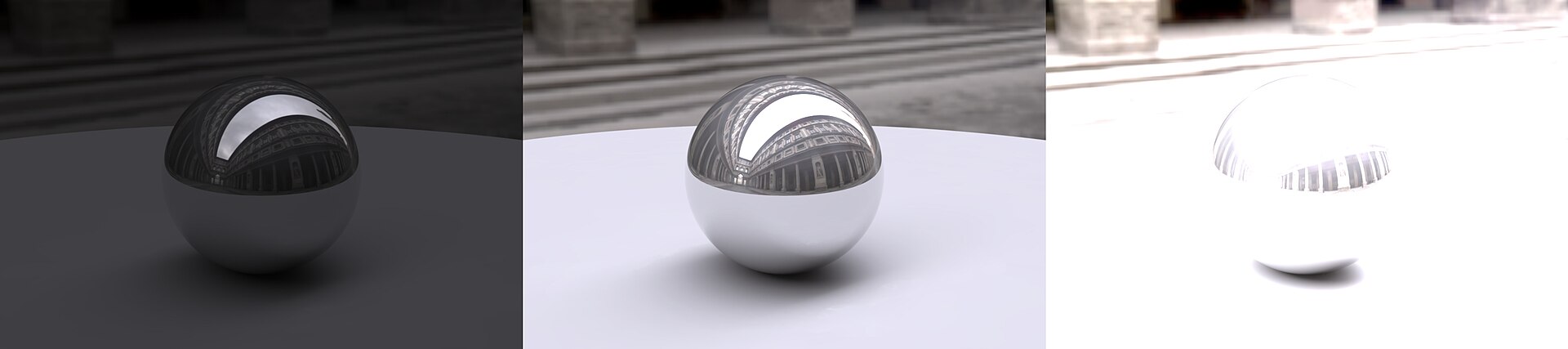
Exposure Bracketing Explained: How to Capture Perfect Exposures Every Time
Have you ever photographed a sunset where the sky glows…
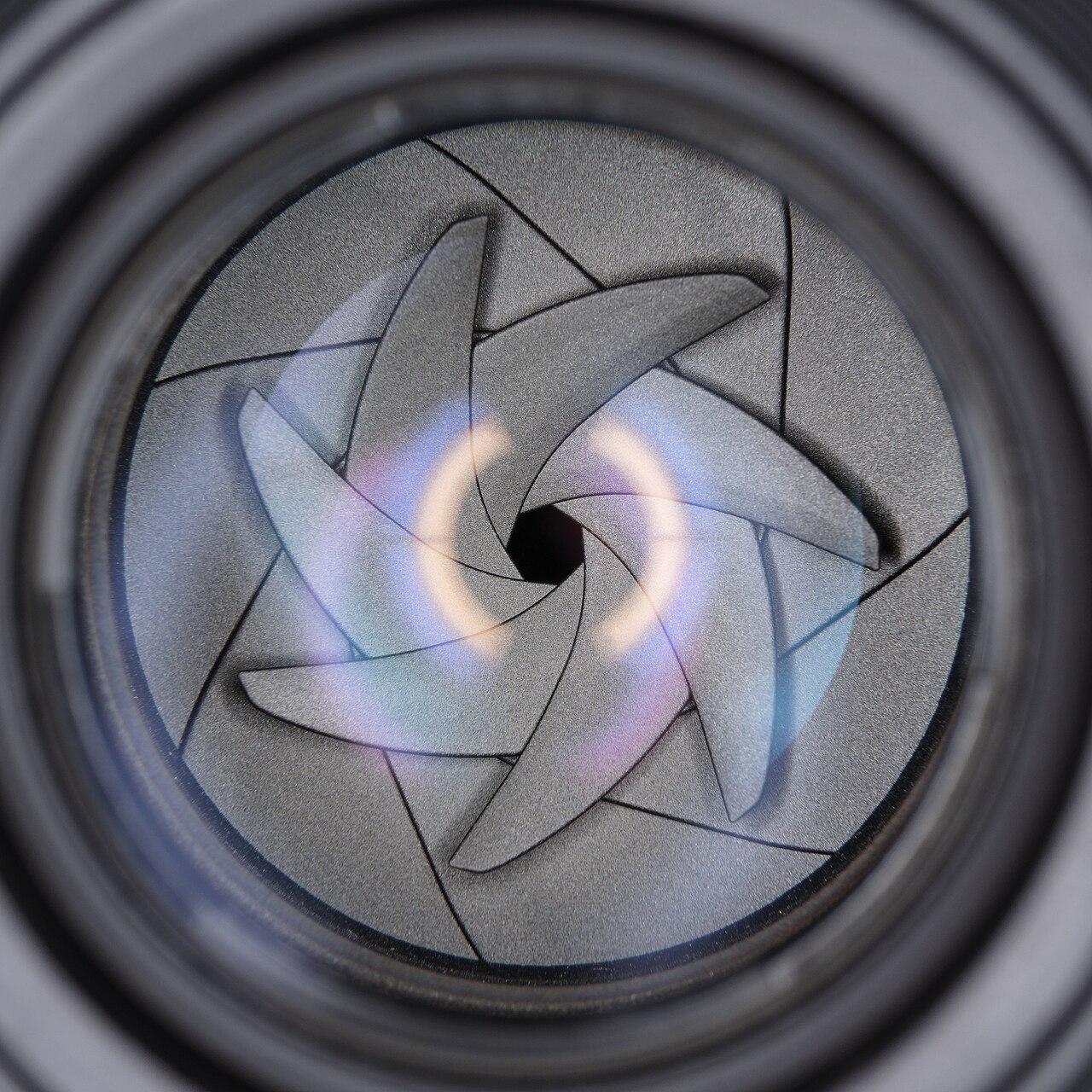
The Exposure Triangle: Aperture, Shutter Speed and ISO Explained
Every photograph you take is the result of one simple…
How to Read a Histogram: A Beginner’s Guide to Perfect Exposure
Your camera's histogram is one of its most useful tools…