A decade ago, nailing focus on a moving subject meant nudging a single autofocus point over your subject and hoping it stayed there. Today, a modern camera recognizes a face, finds the nearest eye, and tracks that subject as it turns, runs, or flaps away — even through brief obstacles. Here’s how autofocus grew from a grid of points into an AI-powered subject-recognition system.
From Focus Points to Face Detection
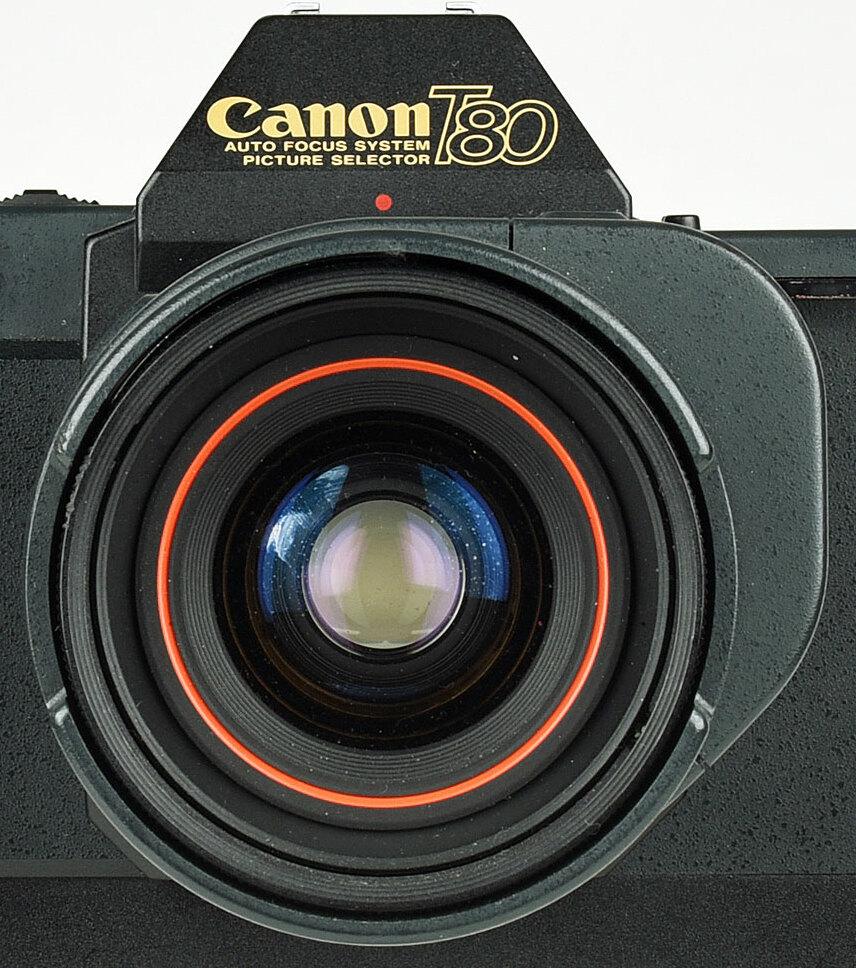
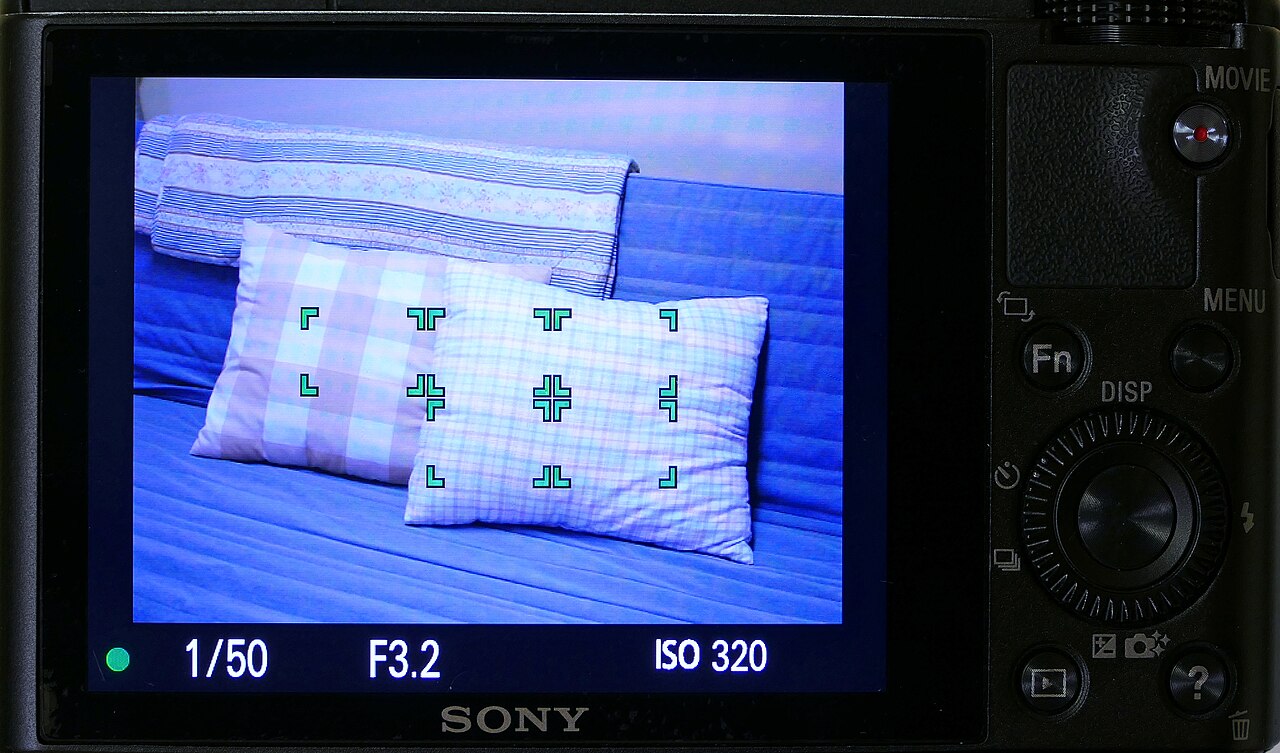
Early autofocus systems offered a modest grid of focus points — either phase-detection points or contrast-detection areas. You chose a point, framed the subject beneath it, and half-pressed the shutter. If the subject wandered off that point, focus was lost. The first big leap came with face detection: the camera scans the frame for skin-tone and facial-feature patterns, then prioritizes focus on the largest or nearest face. It began in compact cameras during the 2000s and gradually spread to interchangeable-lens bodies. Face detection removed the chore of moving a point around, but it still struggled when a subject turned away or appeared tiny in the frame.
How Eye Autofocus Works
Eye AF goes one step further than face detection. Once a face is found, the camera identifies the eyes within it and locks focus onto the nearer one — or whichever eye you select. What’s important to understand is that eye AF does not replace the underlying autofocus hardware. It still relies on the same phase-detect pixels embedded in the sensor; the “intelligence” lives in the subject-recognition pipeline that works out where to aim the autofocus system. Sony popularized Eye AF in the early 2010s, and it is now standard across Canon, Nikon, Sony, Fujifilm and Panasonic bodies. It works through glasses, targets the iris and pupil rather than the eyelash, and is what makes portraits sharp even at wide apertures where depth of field is razor-thin.
How AI Subject Tracking Works
Older tracking was essentially pattern matching: the camera sampled the color, contrast and shape of the region under the active point, then tried to follow that “blob” as it moved. The approach failed whenever the subject crossed another object, left the frame, or changed appearance. Modern AI tracking works differently. A neural network trained on millions of labeled images learns to recognize whole subjects — a person, an animal, a vehicle — and can even predict where that subject is heading. The camera’s processor runs this recognition continuously, feeding the autofocus system target coordinates on every frame. That is why current cameras can re-acquire a subject after it is briefly hidden, follow someone photographed from behind, or hold focus when the subject turns their head. Dedicated neural-processing engines in today’s bodies do all of this in real time without draining the battery.
Animal, Bird, and Vehicle Detection
The same recognition pipeline has been extended outward. First came animal detection for cats and dogs, then bird detection — a genuine breakthrough for wildlife photographers who shoot small, fast, erratic subjects against busy backgrounds. Most current flagships now add vehicle detection for cars, motorcycles, trains and aircraft. Because the camera cannot guess what you are photographing, menus typically ask you to choose a subject type — human, animal, bird or vehicle — so the recognition engine knows what to prioritize when the scene contains several kinds of subjects at once.
Why It Matters — and Where It Still Struggles
The payoff is a higher keeper rate. Portrait shooters get critically sharp eyes at f/1.4, sports and wildlife photographers track unpredictable movement, and everyone spends less time babysitting a focus point and more time composing. But the technology is not magic. Tiny or backlit subjects, extreme low light, and subjects accelerating straight toward the camera still challenge any system. In a crowd, the AI can lock onto the wrong person, and no amount of tracking compensates for a genuinely out-of-focus shot caused by poor technique.
Conclusion
Autofocus has evolved from “you move the point” to “the camera understands the scene.” The hardware still matters — phase-detect coverage and sensor readout speed set the ceiling — but the decisive factor in a modern camera is increasingly the software. Understanding that distinction makes it easier to pick the right camera and to get the most out of the one in your hands.
FAQ
What is the difference between face detection and Eye AF? Face detection finds and prioritizes the face; Eye AF pinpoints the eye within that face so focus lands on the iris rather than the nose or forehead — crucial at wide apertures where only a few millimeters are sharp.
Does Eye AF work on animals and birds? Yes. Most current cameras offer animal and bird detection with their own eye detection, and many extend it to vehicles such as cars, motorcycles and aircraft.
Do I need to enable it, or is it automatic? It varies by camera. Many bodies turn on face and eye detection by default in their subject-recognition modes, but you should check your camera’s autofocus menu and select the correct subject type for what you are shooting.
Can AI tracking still lose a subject? Yes. Occlusion, very small or fast subjects, and low-contrast scenes can break the lock, but modern AI re-acquires a subject far more reliably than the older color-based tracking it replaced.
Related Posts

Camera Dynamic Range Explained: What Stops Really Mean (and Why They Matter)
Every photographer has hit the same wall: a scene the…
TTL vs Manual Flash: How Automatic Flash Metering Works (and When to Use Each)
When a flash photo comes out too dark or too…
Lens Mount Systems Compared: Canon RF vs Sony E vs Nikon Z vs Fujifilm X
When you buy an interchangeable-lens camera, you are not just…