Every photographer has hit the same wall: a scene the camera simply cannot hold. The sky blows out to pure white, or the shadows collapse into a noisy mess — sometimes both at once. The reason is dynamic range, the distance between the brightest and darkest tones your camera can record in a single exposure. It changes how you expose and edit. This guide explains what it is, what “stops” mean, what limits your sensor, and how to work around those limits.
What Is Dynamic Range?
Dynamic range is the ratio between the brightest light a sensor can capture before it clips to pure white and the darkest detail it can resolve before it sinks into noise. Photographers measure it in stops, a logarithmic unit where each stop doubles or halves the amount of light. A camera with 14 stops can record a scene whose brightest usable tone is roughly 16,000 times brighter than its darkest usable tone.
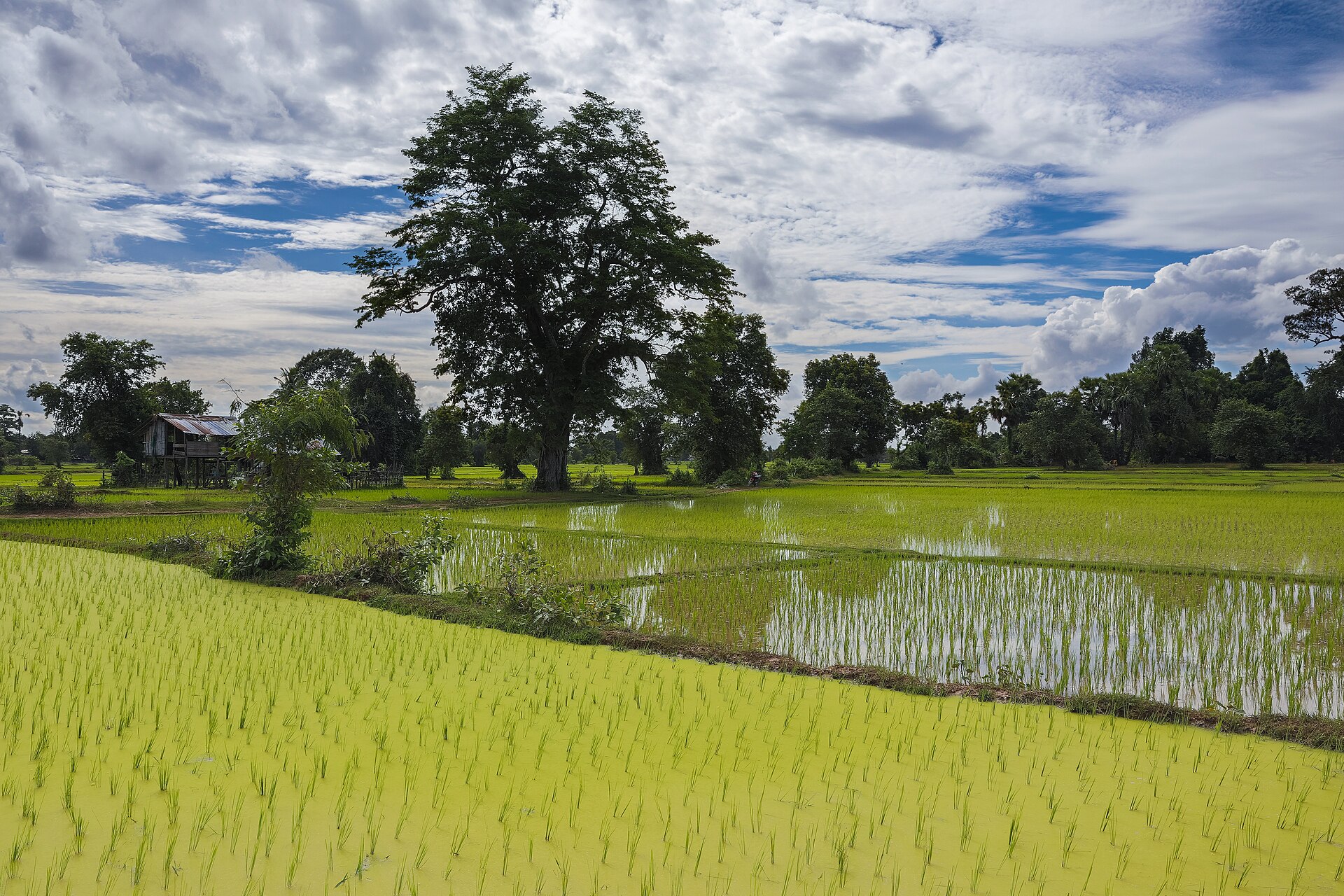
For context, the human eye adapts across a total range of roughly 20 stops, but only perceives about 10–14 stops at any single moment. A bright midday landscape can span 12–16 stops, which is why so many real-world scenes push a sensor to — and past — its limit.
Why Stops Matter
Because each stop is a doubling, small differences add up fast. Ten stops is about 1,000:1; 14 stops is about 16,000:1. Moving from 13 to 14 stops means twice the usable tonal range and noticeably more recoverable detail in highlights and shadows.
In practice, more dynamic range means more forgiving exposures. You can underexpose to protect a bright sky and still lift shadow detail afterward without the image falling apart. Less range means a harder choice: keep the sky or keep the shadows.
What Determines a Sensor’s Dynamic Range?
Dynamic range is set by two physical limits: full-well capacity and read noise. Full-well capacity is the maximum number of electrons a photosite can hold before it saturates — this sets the highlight ceiling. Read noise is the electronic noise added during readout — this sets the shadow floor. Dynamic range is essentially the ratio between the two: the more charge a pixel holds and the quieter its readout, the wider the range.
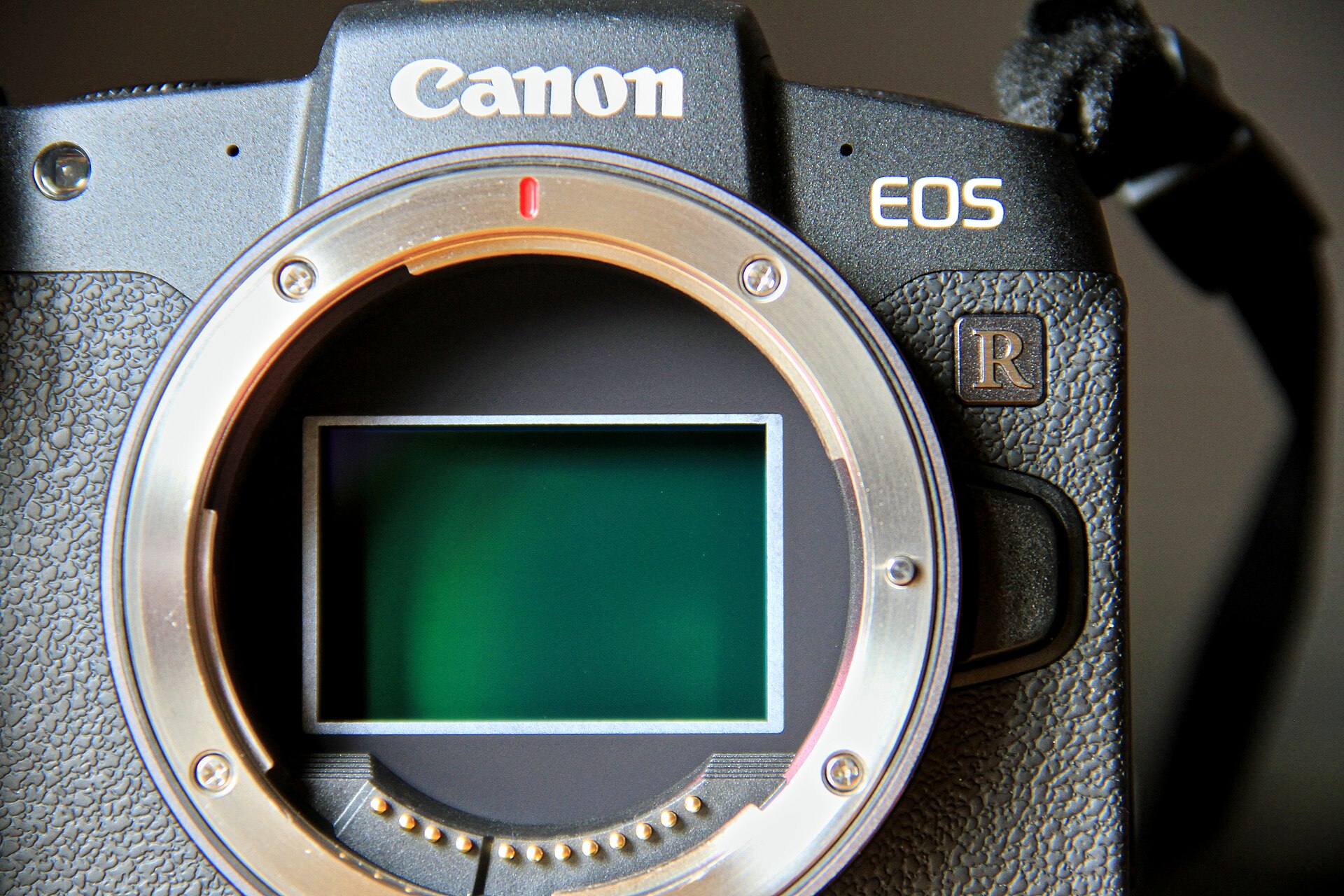
Larger photosites generally hold more charge, which is one reason larger sensors tend to deliver more dynamic range than small ones. Modern flagship full-frame sensors from Sony, Canon, and Nikon typically measure in the neighbourhood of 14 to 15 stops at their base ISO, while smaller phone sensors manage less. Dual-gain architecture — now common on Sony-made sensors — adds a second readout path that keeps read noise low at higher ISOs.
Why High ISO Costs You Dynamic Range
Raising ISO does not make the sensor more sensitive; it amplifies the signal — and the noise — after capture. Because the highlight ceiling stays fixed, amplifying the signal clips highlights sooner while the noise floor rises. The practical result: every stop you raise ISO typically costs roughly a stop of dynamic range. A sensor that records 14 stops at ISO 100 might fall to around 10–11 stops by ISO 3200. Low-light shooters trade a usable shutter speed for shadow cleanliness.
RAW vs JPEG — Where the Range Lives
Dynamic range is captured in the raw data, not the JPEG. Raw files store 12- or 14-bit values per channel — thousands of tonal levels — while JPEG is compressed to 8 bits, or 256 levels per channel, with highlights and shadows already baked in and often clipped. Much of the range a modern sensor captures never survives into a JPEG. If you want to exploit your camera’s dynamic range, you need to shoot raw. The JPEG is a finished, narrowed interpretation; the raw file is the full recording.
How to Capture More Than Your Sensor Can
When a scene exceeds your sensor, you have several tools. Expose to the right (ETTR): push the histogram as far right as possible without clipping highlights, which maximizes the shadow detail you capture. Use a graduated neutral-density filter to darken a bright sky at the moment of capture. Or bracket exposures and merge them into an HDR image, combining a dark frame for the sky, a mid frame, and a bright frame for the shadows.
The histogram is your meter: a spike touching the left or right edge means clipped shadows or highlights. Remember it reflects the JPEG preview, so your raw file usually holds a little more headroom than the histogram suggests.
Conclusion
Dynamic range is the quiet spec that decides whether a challenging scene survives. It is set by physics — how much charge a pixel holds and how quietly it can be read — but it is managed by technique. Know your camera’s limits at each ISO, shoot raw, expose to the right, and reach for filters or bracketing when the scene outruns the sensor. Master those habits and you will stop blaming the camera for blown skies and muddy shadows.
Frequently Asked Questions
How many stops of dynamic range do modern cameras have?
Most current full-frame mirrorless cameras measure roughly 13–15 stops at base ISO, though the usable figure falls as ISO rises. Phone sensors and smaller formats typically record less.
Is higher dynamic range always better?
Mostly, yes — it gives more headroom to protect highlights and recover shadows. But it matters most in high-contrast scenes; in soft, controlled light, even a modest sensor can hold the whole scene comfortably.
Do I need HDR if my camera already has wide dynamic range?
Not always. A single raw file from a high-dynamic-range sensor often handles a bright sky plus shadow detail on its own. HDR bracketing is most useful when the scene’s range genuinely exceeds what your sensor can record in one frame.
Related Posts
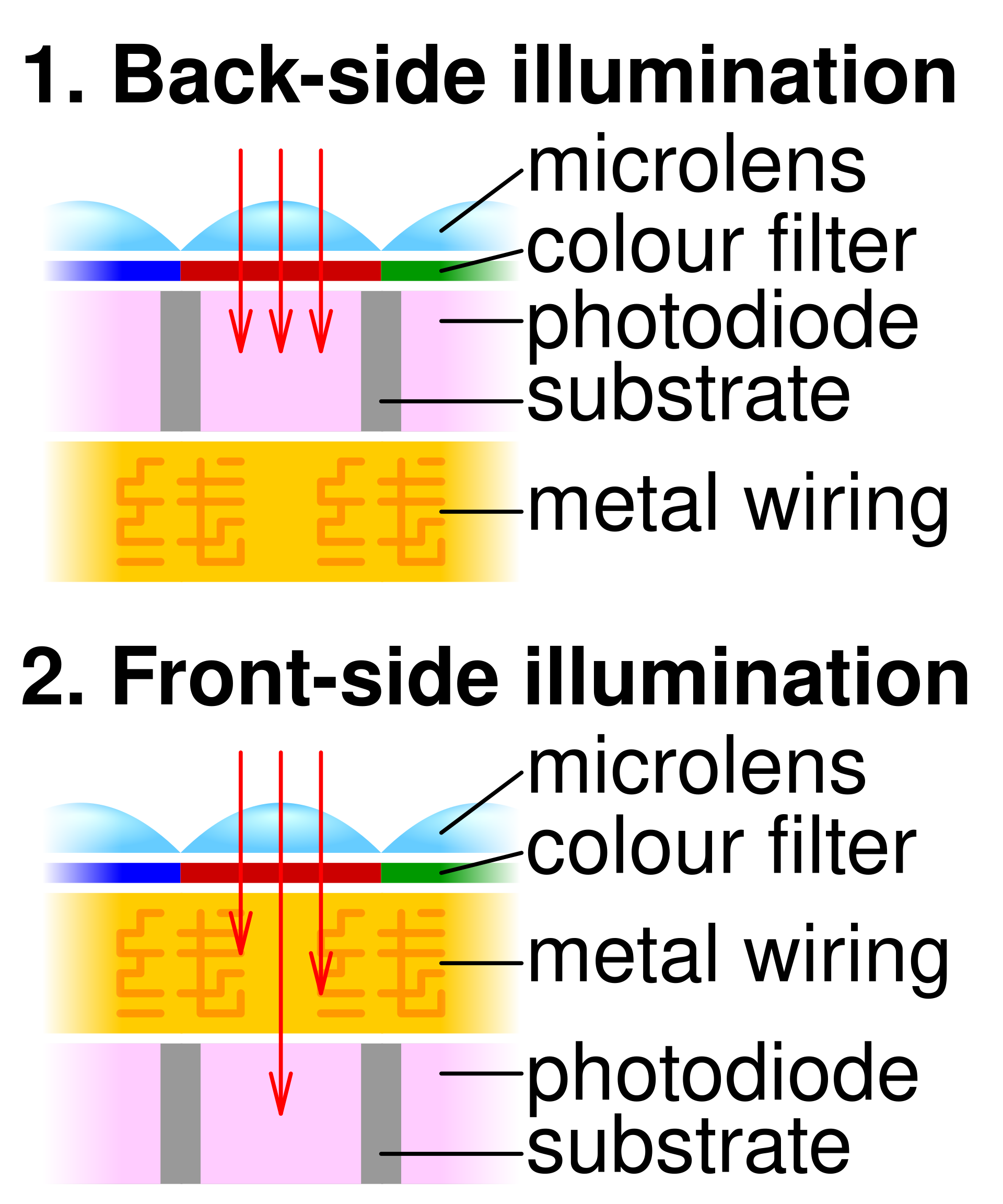
Backside-Illuminated (BSI) vs Frontside-Illuminated Sensors: What’s the Difference?
Scroll through the spec sheet of any modern camera or…
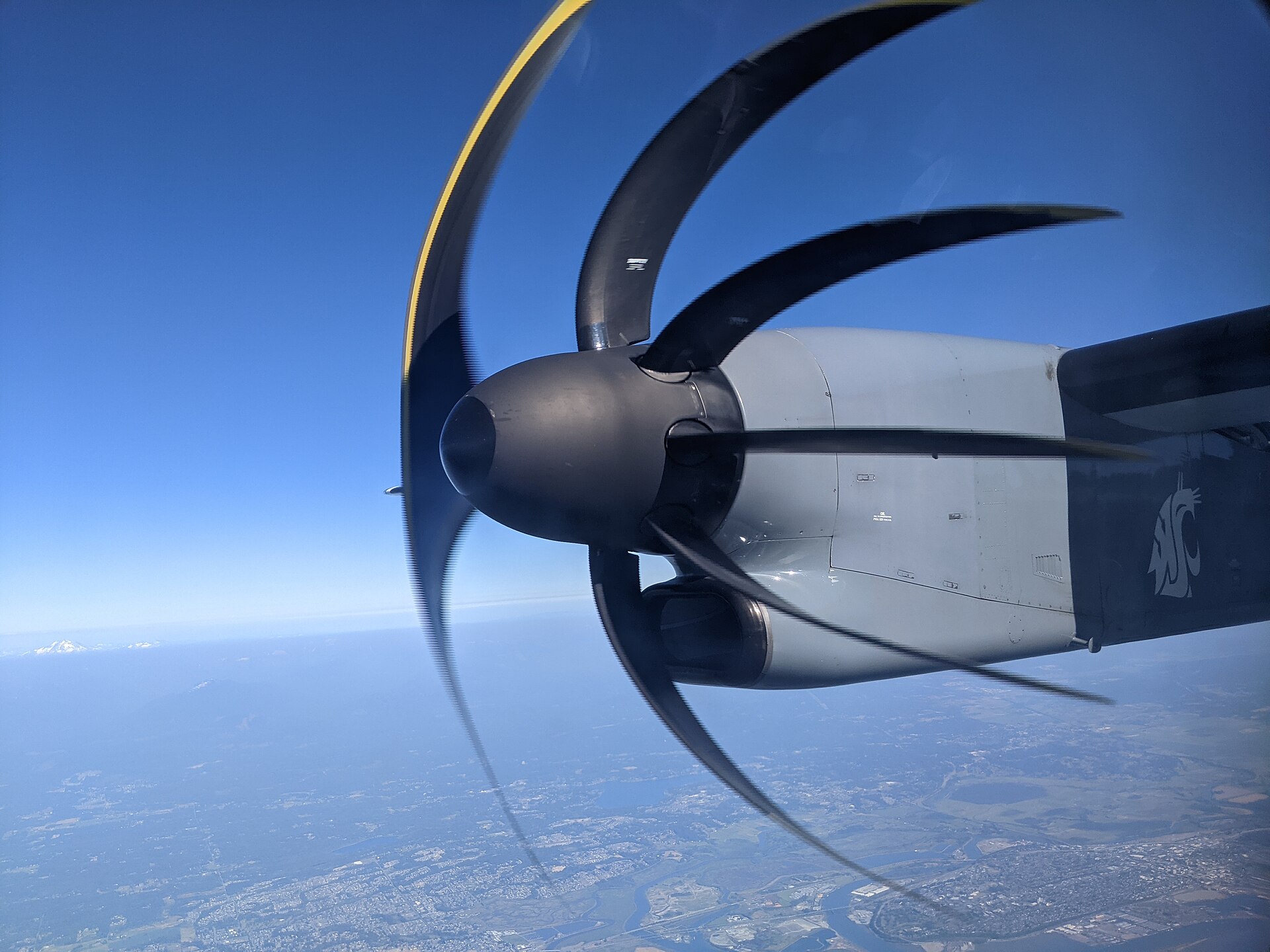
Global Shutter vs Rolling Shutter: What’s the Difference and Why It Matters
Every digital camera turns light into an image using a…
Sensor Cleaning and Camera Maintenance: The Complete Guide
Every photographer eventually notices them: faint dark spots that appear…