Every photographer eventually asks the same question: buy new, or save money and go used? There’s no one-size-fits-all answer. New gear brings a manufacturer’s warranty, the latest features, and a clean history; used gear stretches your budget and opens the door to models you couldn’t afford at retail. It comes down to budget, how you shoot, and how much risk you’ll accept.
Why Buy New?
Buying new means a camera in pristine condition, straight out of the box with the original packaging, batteries, and accessories. You also get a full manufacturer warranty, which can be the deciding factor if you shoot paid work or don’t want to pay for repairs out of pocket. New cameras also ship with the newest autofocus systems, video features, and connectivity — if subject-detection autofocus or high-resolution video is central to what you do, new is how you get it.
The trade-off is price. Brand-new bodies carry a premium, and cameras depreciate quickly in their first year or two. Part of what you’re paying for is peace of mind — a guarantee that nobody has dropped, soaked, or overworked the camera before you.
Why Buy Used?
The strongest argument for used gear is value. A recent camera body in excellent condition often sells for roughly 10–25% less than new, and lenses — which barely change from generation to generation — frequently go for 20–40% off. Older professional bodies and legacy lenses can be 40–60% cheaper. Someone else absorbs the steep first-year depreciation, and you get nearly current performance for far less money.
Used also unlocks the discontinued and vintage — a specific film body, a classic prime lens, or a high-end model no longer in production is often only available second-hand.
The risk is hidden wear: a shutter nearing its rated lifespan, sensor dust or scratches, a lens with fungus or haze, worn dials and ports. A camera that was babied can be indistinguishable from new; one that lived in a damp closet can develop problems months later.
What to Check on a Used Camera
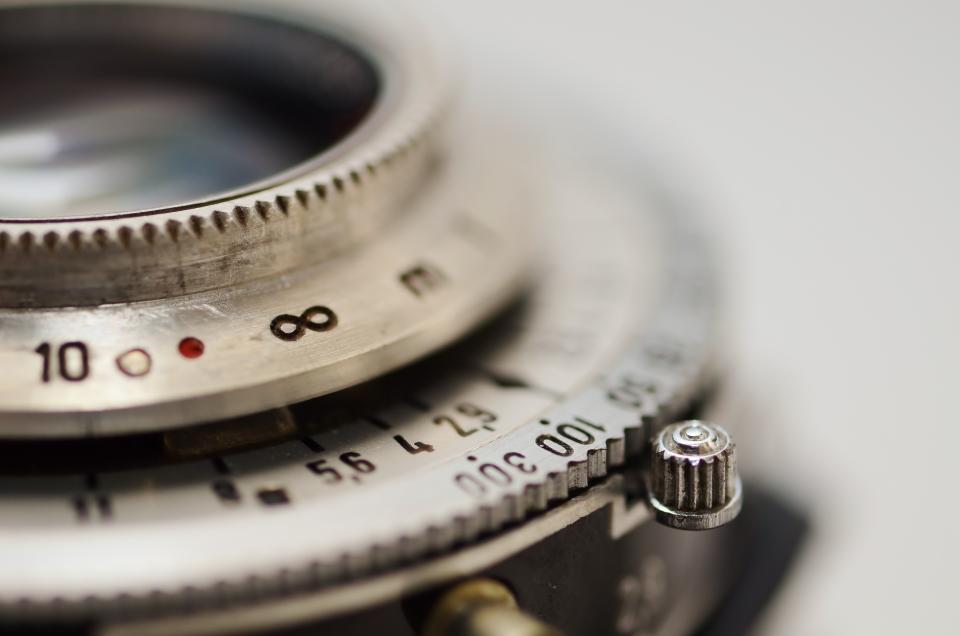
Start with shutter count — the closest thing a camera has to an odometer. Enthusiast and pro bodies are typically rated for hundreds of thousands of actuations, so a count well under the rating means plenty of life left; one near or over it should be reflected in a much lower price. Mirrorless cameras used in electronic-shutter mode can show low mechanical counts despite heavy use, so weigh the count against cosmetic wear.
Check the sensor by shooting a plain, bright surface at a small aperture (around f/16) and zooming in. A few dust specks are normal and cleanable; scratches that don’t move are damage that can’t be fixed cheaply. For lenses, hold the glass up to a light and look for fungus, haze, and scratches. Front-element cleaning marks rarely affect images, but rear-element damage can.
Finally, test everything that moves or connects: every dial and button, autofocus and metering, all card slots and ports, and the battery. A body that passes all of this is very likely a good buy.
Where You Buy Changes the Risk
Reputable used dealers — specialist resellers and the used departments of major retailers — inspect, grade, and warranty their stock. You pay a little more than in a private sale, but you get a return window and some protection, which matters most on an expensive body. Private marketplace listings are the cheapest and riskiest route: no warranty, little recourse, so your own inspection has to be thorough and you should use a buyer-protected payment method.
Refurbished: The Middle Ground
Refurbished gear is inspected and repaired by the manufacturer or a reseller, then sold below the new price — usually with some warranty, though shorter than a new unit’s. It’s a good compromise when you want savings plus a guarantee the item actually works. The downside is you still don’t know the original usage history, and it may not come with the original packaging or accessories.
How to Decide
Is your budget fixed? Used may get you much more camera for the money. Do you shoot fast action, professional video, or demanding commercial work? Newer autofocus and video features may justify paying more. How much does warranty coverage matter? If you’re buying a mission-critical body, new is the safer bet. And do you need the latest features at all? If not, a previous-generation body in good shape may be more than enough.
Conclusion
There’s no universal winner in the new-vs-used debate. New offers warranty protection, current features, and predictable condition. Used offers real savings, access to classic equipment, and the chance to build a more capable kit for less. The smartest move is to buy intentionally: research the specific model, inspect condition closely, confirm compatibility, and think beyond the price tag. For most photographers, the best answer isn’t always new or always used — it’s knowing when each one is worth it.
FAQ
What’s a safe shutter count when buying used?
Compare the count to the camera’s shutter rating, often in the low hundreds of thousands of actuations for enthusiast and pro bodies and lower for entry-level models. A count well under the rating leaves plenty of life; a count near or over it is a real risk and should mean a much lower price.
Is it worth paying more for a refurbished camera over a used one?
Often yes. Refurbished units are inspected and repaired by the manufacturer or a reputable reseller and usually carry some warranty, which reduces the risk of hidden faults — worth the premium on an expensive body.
Are used lenses safer to buy than used camera bodies?
Generally yes. Lenses barely change from generation to generation and have no shutter to wear out. A well-kept lens from several years ago is often optically identical to a new one — just check for fungus, haze, and rear-element damage first.
Related Posts
Smartphone vs Mirrorless vs DSLR — Which Camera to Buy in 2026?
In 2026, the question "which camera should I buy?" has…

Best Cameras for Wildlife and Sports Photography (2025 Buying Guide)
Wildlife and sports photography is the ultimate stress test for…
Best Cameras for Beginners in 2026: Our Top Picks
Buying your first "real" camera is a milestone, and 2026…