Street photography rewards speed. By the time your camera has locked autofocus, the expression, the gesture, or the glance you wanted may already be gone. That is why many street photographers do not focus at all — at least not in the moment. Instead, they pre-set focus before the shot using a technique called zone focusing. Here is how it works and how to set it up on your own camera.
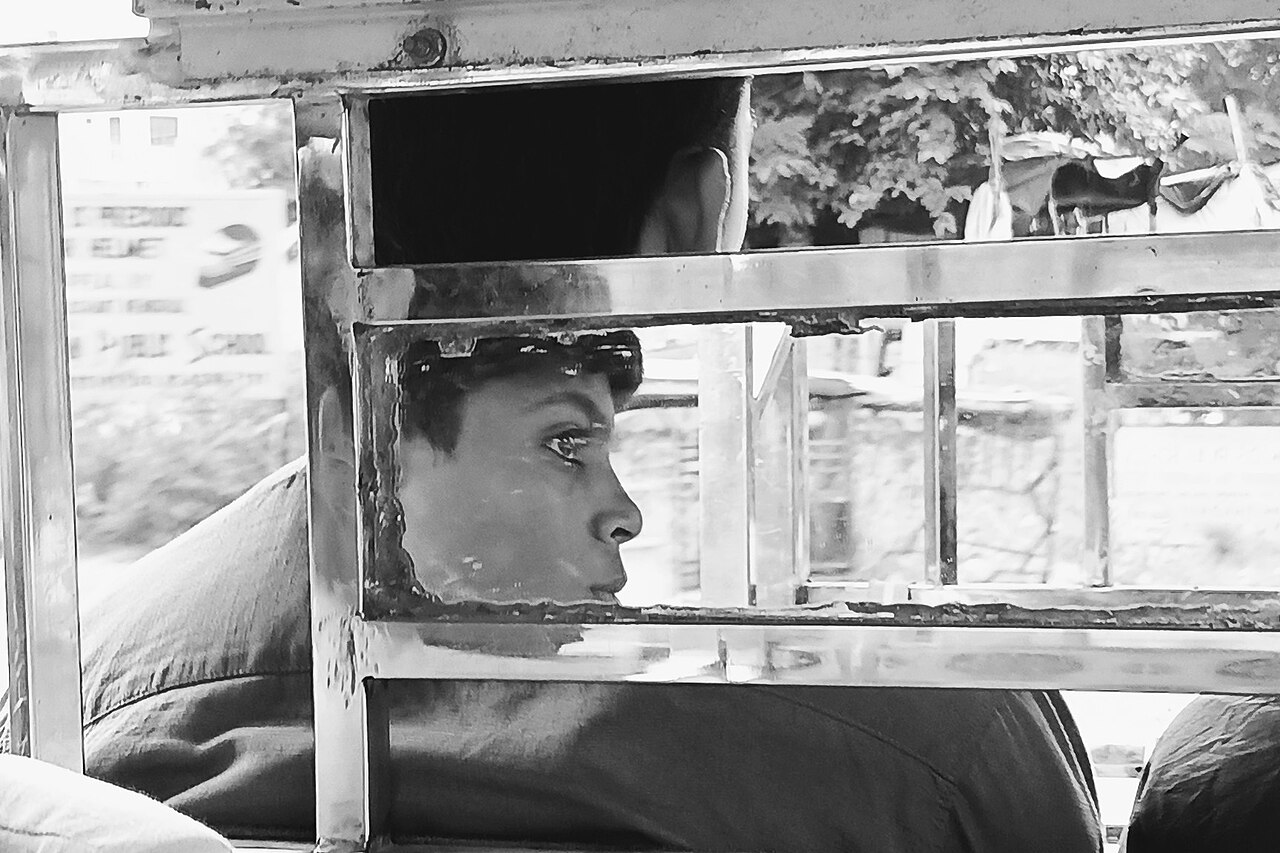
What Is Zone Focusing?
Zone focusing is a manual focus technique where you pre-set your lens to a specific distance and choose a small aperture so that a wide range of distances — a “zone” — falls into acceptable focus. Instead of focusing on each subject, you know in advance that anything within that zone, roughly a couple of meters to several meters away, will be sharp.
The technique leans on depth of field — the range in front of and behind the focus point that appears acceptably sharp. Depth of field is controlled by three things: aperture, focal length, and focus distance. A narrow aperture (a high f-number) produces a deep depth of field; so does a wide-angle lens and a more distant focus point. Zone focusing simply combines all three so the zone is broad enough that you can judge distances by eye and still nail focus.
Because depth of field is an optical estimate built on a “circle of confusion,” the exact numbers vary from camera to camera. As a practical tool, though, the zone method has been used by street photographers for decades.
Why Zone Focusing Beats Autofocus on the Street
Autofocus has become excellent, but on the street it carries three weaknesses: lag, hunting, and unpredictability. Even the fastest systems need a fraction of a second to acquire a subject, and in that time a candid moment passes. In low light, contrast-detect systems may hunt back and forth. And even the smartest subject tracking can lock onto the wrong person in a busy crowd.
Zone focusing removes focusing from the moment of capture entirely. There is no shutter lag from focusing, no hunting, and no autofocus motor noise to alert your subject. It is also predictable: once you know your zone, you can shoot from the hip, over your head, or without ever raising the camera to your eye. That makes it ideal for candid, documentary-style work.
The Settings That Make Zone Focusing Work
The recipe is simple but specific.
- Aperture: Use f/8 to f/16. Most shooters start at f/8 in daylight; in bright conditions they stop down to f/11 or f/16 for an even deeper zone. Opening wider than f/8 makes the zone too thin to judge by eye.
- Focal length: Wide lenses work best. A 28mm lens has far more depth of field than a 50mm lens at the same aperture, and a 35mm sits comfortably between them. This is why classic street cameras cluster around 28mm and 35mm.
- Shutter speed: Keep it fast enough to freeze people walking — 1/250s or 1/500s is a common floor, and faster for quicker motion.
- ISO: Use Auto ISO with a minimum shutter speed set, or raise ISO manually. A little grain is almost always preferable to a blurred decisive moment.
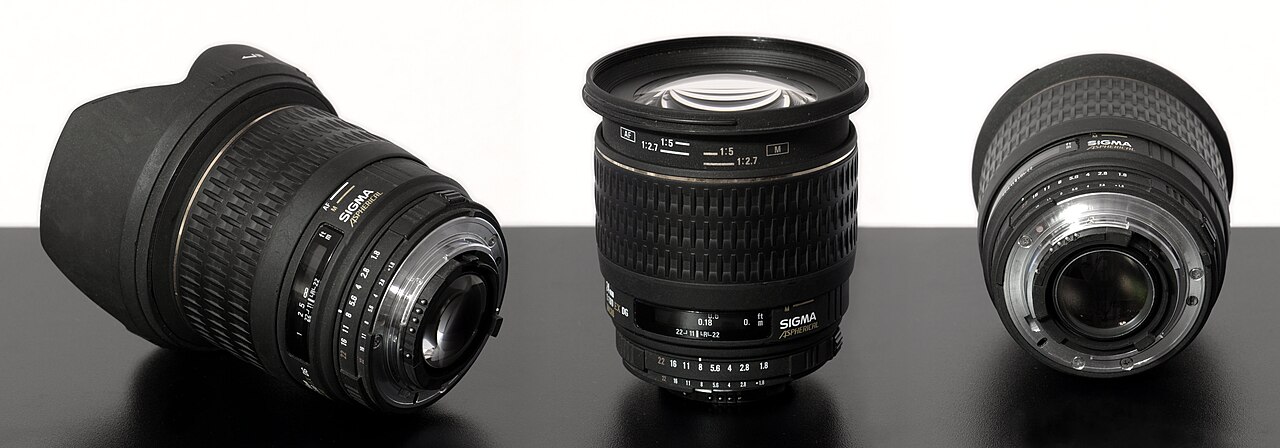
As a practical example: with a 35mm lens at f/8 focused at about 1.8 meters (6 feet), roughly everything from about 1.5 to 2.1 meters (5–7 feet) falls inside the zone. At f/16 focused a little farther out, the zone stretches several meters deep. The exact figures depend on your camera’s circle-of-confusion assumptions, so test your own setup rather than trusting any single chart.
How to Set Up Zone Focusing on Your Camera
- Switch to manual focus. On a mirrorless camera, enable focus peaking so sharp edges glow, making it easy to confirm your zone.
- Pick a working distance. Many street photographers choose about 2–3 meters (6–10 feet) — close enough for interaction, far enough for context.
- Set the aperture to f/8–f/16 and choose the distance. If your lens has a distance scale or depth-of-field markings, line up your chosen distance with the center mark.
- Calibrate by feel. Aim at an object at your working distance and confirm it is sharp in the viewfinder. With practice, you will judge distances instinctively.
If your lens is focus-by-wire and has no distance scale — common on many modern mirrorless lenses — you can still zone focus using the camera’s on-screen distance readout. Fujifilm’s X100 series, for example, shows a digital distance and depth-of-field scale in the viewfinder. Compact cameras like the Ricoh GR make it even easier with Snap Focus presets that jump straight to a set distance.
Zone Focusing vs Hyperfocal Distance
A related technique is the hyperfocal distance: the focus distance at which everything from a near point all the way to infinity is acceptably sharp. It is a favorite of landscape shooters. Zone focusing is more useful on the street because it lets the in-focus zone start closer to you — you are usually photographing people a few meters away, not a distant horizon. Knowing both gives you two tools for two different situations.
Conclusion
Zone focusing is one of the oldest tricks in street photography, and it is still one of the most effective. Pre-set a wide-ish lens to a small aperture and a working distance of a couple of meters, and you remove focusing from the decisive moment entirely. Practice judging distances by eye for a few outings, and you will find your keeper rate — and your confidence — climbing fast.
FAQ
What is the best aperture for zone focusing?
f/8 to f/16. f/8 is a good daylight starting point; stop down to f/11 or f/16 for a deeper zone when there is enough light.
What focal length is best for zone focusing?
Wide lenses, roughly 28mm to 35mm. The wider the lens, the deeper the depth of field at a given aperture.
Do I need a lens with distance markings?
No. You can use an on-screen distance readout or focus peaking. Fujifilm’s digital distance scale and the Ricoh GR’s Snap Focus presets make it easy even on focus-by-wire lenses.
Is zone focusing only for street photography?
It is most popular for street and documentary work, but the same technique suits any fast-paced or pre-planned shooting where the subject distance is predictable.
Related Posts
RAW vs JPEG: What’s the Difference and Which Should You Shoot?
Every digital camera gives you the same basic choice: shoot…
ISO Invariance Explained: Why Underexposing and Pushing in Post Can Beat High ISO
Most photographers grow up believing a simple rule: keep ISO…
Exposure Modes Explained: P, A (Av), S (Tv), and M — When to Use Each
Look at the top of any modern camera and you'll…