Every time you press the shutter button, a precision mechanical assembly fires. Those tiny actuations add up — and the number they add up to is called the shutter count. Whether you’re shopping for a used camera or simply wondering how much life your own body has left, understanding shutter count and shutter life ratings is one of the most practical pieces of knowledge a photographer can have. Here’s what the number means, how to find it, and how to make your camera last longer.
What Is a Shutter Count?
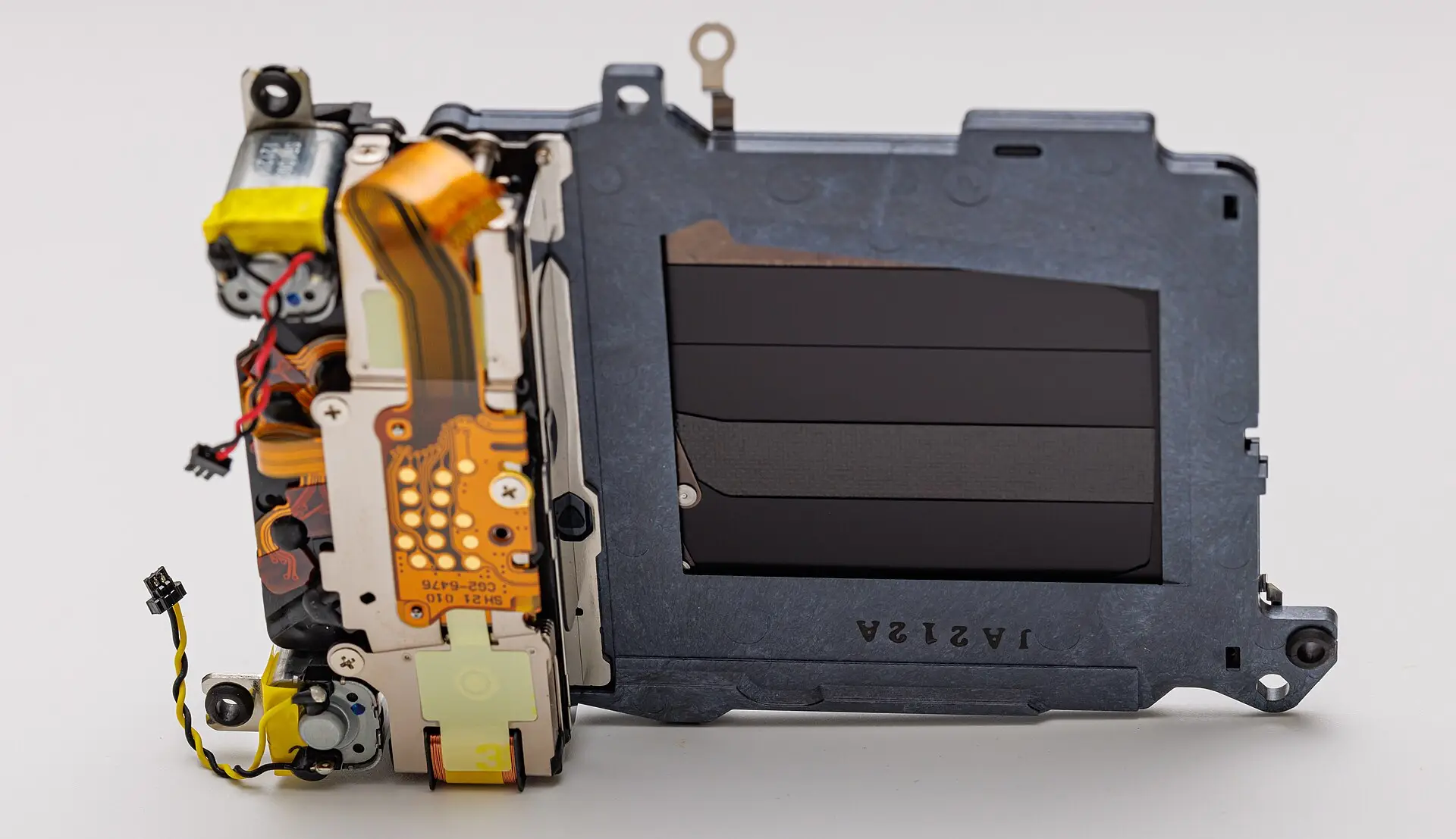
Shutter count is the cumulative number of times your camera’s mechanical shutter has opened and closed to expose the sensor. Each full cycle — where the first and second shutter curtains sweep across the sensor plane — counts as one actuation. The count is stored in the camera’s internal firmware rather than in the photo files themselves, which is why it survives memory card formatting and firmware updates.
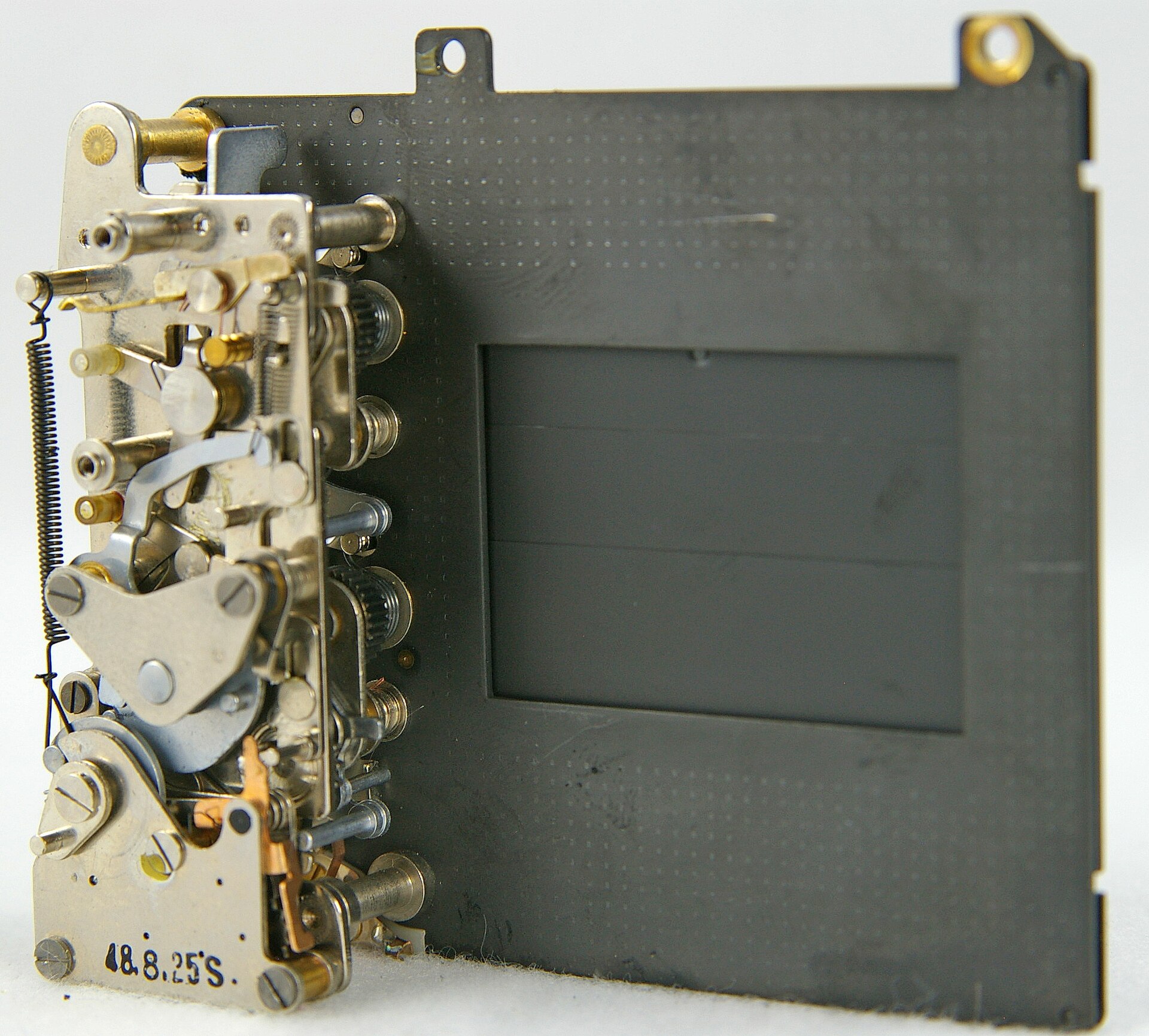
One distinction matters more than you might think: the shutter count tracks mechanical actuations only. When you shoot with the electronic shutter — common on mirrorless cameras for silent, high-speed, or vibration-free shooting — no physical curtain moves, so those frames don’t add wear to the mechanism. On most bodies, electronic-shutter frames aren’t included in the official count at all. That’s why a camera that has captured 50,000 photos entirely in electronic mode can show a mechanical count close to zero.
How Manufacturers Rate Shutter Life
Manufacturers publish a “shutter life” figure for most cameras, expressed in actuations. It’s important to understand what that number actually is: a statistical estimate, not a hard deadline. A camera rated for 200,000 actuations isn’t programmed to fail at shot 200,001 — some units die well before the rating, while others sail past it by a wide margin.
As a rough guide, the rating scales with the tier of the body:
- Entry-level and consumer models are typically rated around 100,000 to 150,000 actuations.
- Enthusiast and mid-range bodies commonly carry 150,000 to 200,000 actuation ratings.
- Professional and flagship bodies are often rated at 300,000 to 500,000 actuations or more.
Concrete examples put those tiers in perspective. The Nikon D780 and OM System OM-D E-M1 Mark II are each rated for around 200,000 actuations, while the Fujifilm X-T4 is rated for 300,000. At the pro end, Nikon’s D6 carries a 400,000-actuation rating, and the Canon EOS R5 and Canon EOS-1D X Mark III are both rated for 500,000. These figures reflect how the manufacturer positioned each camera’s intended workload, and they make a useful baseline when you’re comparing bodies.
How to Check Your Shutter Count
There’s no single universal method, because each brand stores and surfaces the number differently.
Many mirrorless and recent DSLR bodies now display the count directly in a menu. On several Canon and Nikon models you’ll find it under a “Battery Info” screen in the Setup menu; Fujifilm places a “Shutter Count” entry under User Settings; and some OM System and Olympus bodies flash the count briefly during a Pixel Mapping routine. Check your specific model’s manual to see whether the figure is exposed in-camera.
When the count isn’t in the menu, third-party tools can read it from a recent image file. Utilities like ShutterCount and various free EXIF readers parse the camera’s “MakerNotes” metadata, where many brands embed the actuation count. This works reliably for many Canon, Nikon, Pentax, and Fujifilm bodies, though some cameras — notably certain Sony models — encrypt this data, making it harder for third-party tools to retrieve.
What to Look For When Buying Used
Shutter count is one of the most objective ways to gauge a used camera’s condition, but it has to be read in context. A simple way to think about it is as a fraction of the camera’s rated life. A body showing 40,000 actuations on a 200,000 rating has used roughly a fifth of its expected mechanical life; the same 40,000 on a 500,000-rated flagship represents under ten percent.
Broad rules of thumb for a used purchase: under a quarter of the rated life is “light use”; a quarter to half is “moderate”; and past three-quarters of the rating, you should factor a possible shutter replacement into the price. But the raw number isn’t the whole story — a camera used for years of gentle landscape work is a very different prospect from one that spent a few intense months firing high-speed bursts at sports events. When in doubt, ask the seller how the camera was used, not just how many frames it has on the clock.
How to Extend Your Shutter’s Life
You can’t stop the counter, but you can reduce mechanical stress. The biggest single accelerator of shutter wear is sustained high-speed continuous shooting — a burst at 30 frames per second racks up actuations far faster than everyday single-shot use. If you shoot action regularly, using the electronic shutter when conditions allow (watch for banding under artificial light) preserves the mechanical assembly. Similarly, electronic front-curtain shutter (EFCS) removes one half of the physical movement on many mirrorless bodies.
For time-lapses, which can burn through thousands of frames in a single afternoon, triggering the electronic shutter instead of the mechanical one makes a huge difference to longevity. Keeping the camera free of dust and moisture, and having it serviced occasionally, also helps the whole body — not just the shutter — last longer.
Conclusion
Shutter count is one of the few genuinely objective numbers in the world of used-camera shopping, and it’s just as useful for tracking the health of a camera you already own. Remember that the rating is a guideline rather than a promise, that electronic-shutter frames don’t count against the mechanism, and that how a camera was used matters as much as how many shots it has taken. Armed with that, you can buy with confidence and shoot for years without worrying about the clock.
FAQ
Does the shutter count include electronic shutter shots?
On most cameras, no. The count tracks mechanical actuations only, so frames shot in electronic or silent mode typically don’t add wear to the physical shutter.
Can a shutter count be reset?
Generally no — the figure is stored in the camera’s internal firmware and isn’t erased by formatting the card or updating firmware. A few older models can have it reset through special service tools, but this is uncommon.
What’s a “good” shutter count on a used camera?
It depends on the camera’s rating. As a rule of thumb, under about a quarter of the rated life is light use, and past three-quarters you should factor a possible shutter replacement into the price.
Is a high shutter count a deal-breaker?
Not necessarily. Many cameras exceed their rated life by a wide margin. What matters is the combination of the count, how the camera was used, and its overall condition.
Related Posts
Video-Optimized Sensors: 8K and High Frame Rates Explained
For years, the image sensor inside your camera was designed…

Camera Dynamic Range Explained: What Stops Really Mean (and Why They Matter)
Every photographer has hit the same wall: a scene the…

LUTs Explained: How Look-Up Tables Transform Your Video Color
Scroll through any filmmaking forum and you'll keep running into…