Walk onto a movie set and you’ll notice something most viewers never think about: many of the most “cinematic” images aren’t captured with a normal lens at all. They’re shot through an anamorphic lens — a special piece of glass that squeezes a wide image onto the sensor, then stretches it back out later. The result is the widescreen look, oval bokeh, and horizontal lens flares we instantly associate with Hollywood. Here’s how it all works, and how to choose one in 2026.
What Is an Anamorphic Lens?
The word “anamorphic” comes from the Greek for “formed again.” A standard spherical lens renders the scene the way your eye sees it: a circle stays a circle. An anamorphic lens adds cylindrical glass elements that compress the image in one direction only — horizontally. The image recorded on the sensor is narrower than reality; a circle becomes a tall oval. When you “de-squeeze” the footage in post-production (or at the projector, in the film era), the image stretches back to its correct proportions, revealing a much wider field of view than the lens’s focal length would normally deliver.
The technique was popularized in 1953 when 20th Century Fox introduced CinemaScope. Early widescreen films shot through a 2x anamorphic lens, using the full height and width of the film frame instead of letterboxing it.
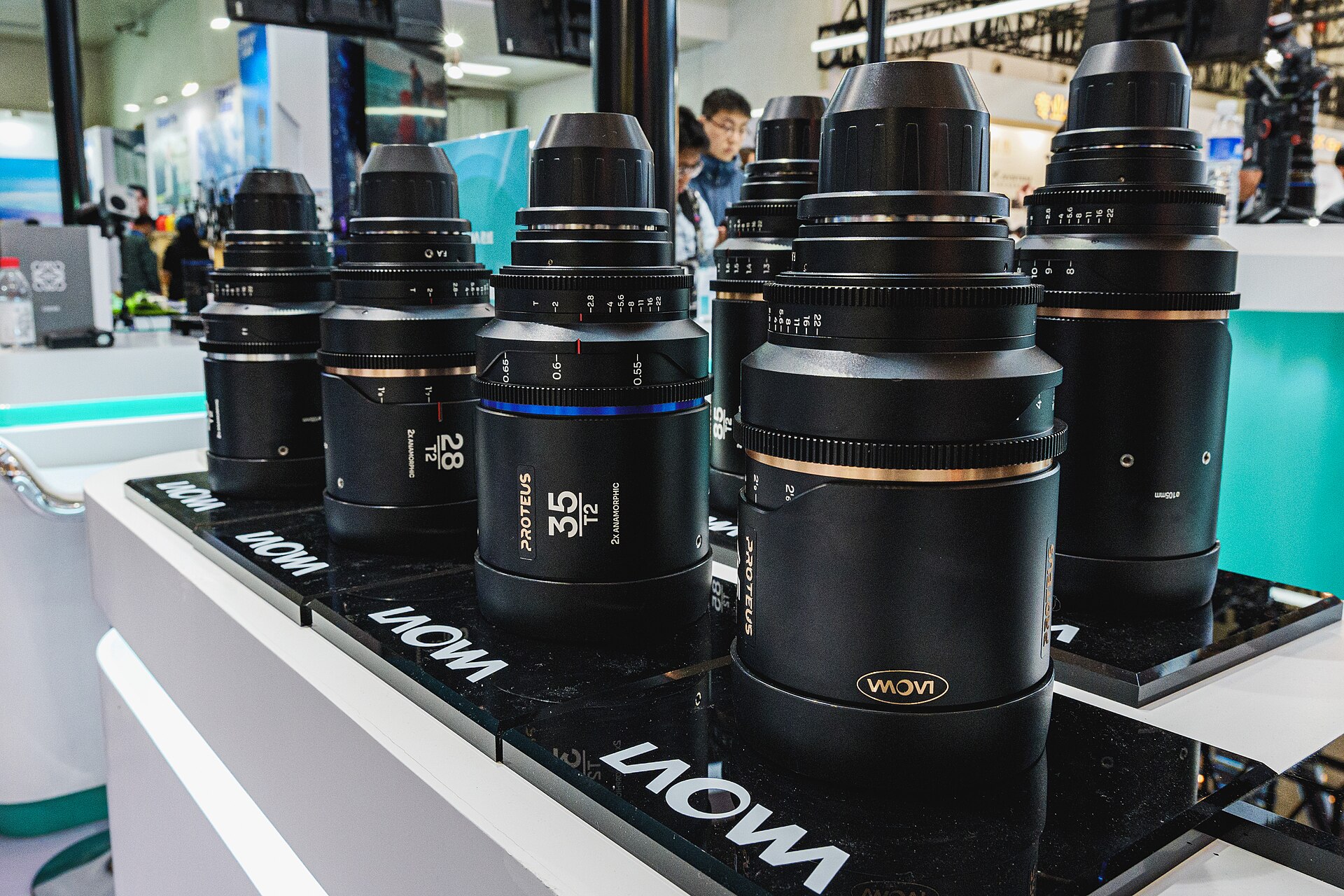
How Squeeze Factor Works
The squeeze factor is the ratio of horizontal to vertical compression. A 2x lens packs twice as much horizontal information into the frame; a 1.33x lens squeezes by a third. After de-squeeze, the final aspect ratio is simply your sensor’s native aspect ratio multiplied by the squeeze factor. On a 16:9 (1.78:1) sensor, a 1.33x lens yields roughly 2.37:1 — close to the classic 2.39:1 cinema standard. A 2x lens on a 4:3 sensor produces about 2.66:1.
Squeeze factors you’ll see on the market today: 1.33x, 1.5x, 1.6x, 1.8x, and 2x. Higher factors deliver a more extreme anamorphic signature, but require more careful de-squeeze monitoring and more cropping on 16:9 sensors.
Oval Bokeh and Horizontal Flares
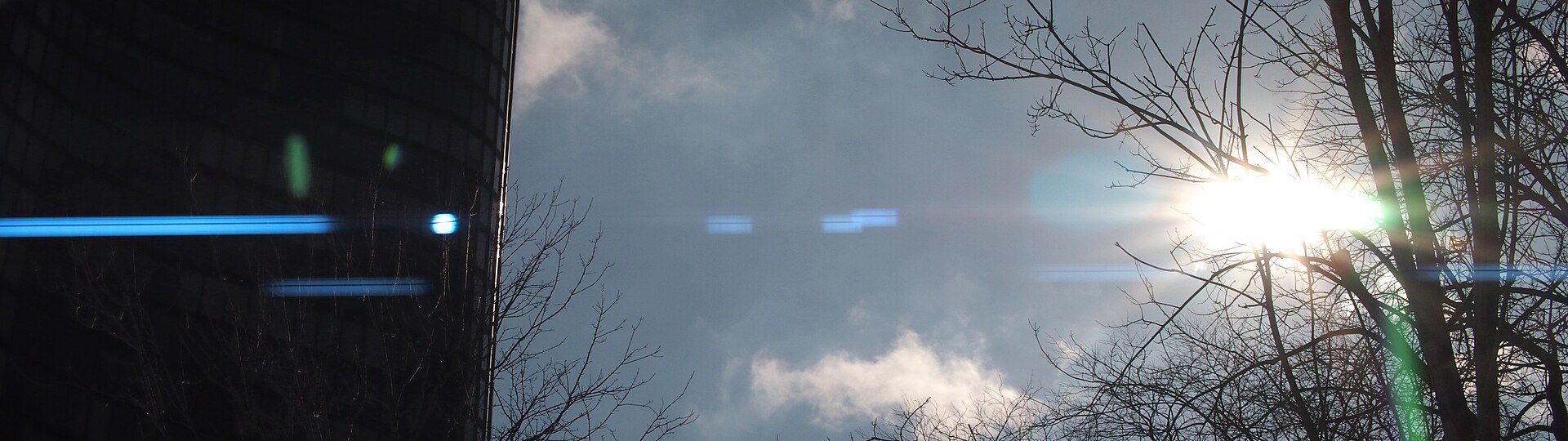
Two visual fingerprints separate anamorphic footage from spherical. First, out-of-focus highlights render as vertical ovals rather than circles — because the image is compressed horizontally at capture and stretched back, the blur discs become ellipses. Second, bright light sources flare into long horizontal streaks across the frame, often tinted blue or amber. These two characteristics are so distinctive that many filmmakers shoot anamorphic purely for the aesthetic, even on digital cameras that could reach the same widescreen crop with a spherical lens.
Why Anamorphic Feels “Shallower”
A subtle side effect of cylindrical optics is that an anamorphic lens effectively has two focal lengths. A 50mm lens with a 2x squeeze captures the horizontal field of view of a 25mm spherical lens, while keeping the vertical field of view and depth of field of a 50mm. Practically, this means you can get a wide shot with the background separation of a longer lens — part of why anamorphic images feel both expansive and intimate at once.
Choosing a Squeeze Factor in 2026
For most hybrid creators on a 16:9 camera, a 1.33x or 1.5x lens is the sweet spot: it delivers the anamorphic look without heavy cropping and is easy to monitor, since many cameras now offer in-camera de-squeeze. A 2x lens is the classic choice for open-gate or 4:3 recording and gives the strongest oval bokeh and flares, at the cost of a more involved workflow.
Affordable options have transformed this space. Sirui, Blazar, Vazen, Great Joy, and Laowa now sell anamorphic primes at prices that would have been unthinkable a decade ago — often a few hundred to a couple thousand dollars, versus the five- and six-figure Panavision and ARRI glass used on big-budget productions. Laowa’s Proteus 2x line even brought full-frame 2x anamorphic within reach of independent filmmakers. Most of these lenses ship in Sony E-mount and Canon RF mount (plus PL and Micro Four Thirds), so they mount on everything from a Sony FX3 to a Canon EOS R-series hybrid.
Conclusion
Anamorphic lenses turn a technical constraint of the film era into one of the most sought-after looks in modern imaging. Whether you want the full Hollywood treatment with a 2x lens or a subtle cinematic edge from a 1.33x, understanding squeeze factor, oval bokeh, and the two-focal-length effect is the first step to shooting images that feel like a movie.
FAQ
Do I need an anamorphic lens to get a widescreen image?
No. You can crop any 16:9 frame to 2.39:1 with a spherical lens. What anamorphic adds beyond widescreen is the oval bokeh, horizontal flares, and a wider field of view at a given focal length.
What’s the difference between 1.33x and 2x anamorphic?
It’s the squeeze factor. A 2x lens compresses the image twice as much, producing stronger oval bokeh and flare character, while 1.33x gives a subtler look that’s easier to monitor on 16:9 sensors.
Can I use an anamorphic lens for still photography?
Yes, though it’s more common in video. You de-squeeze the image in post and crop to your chosen aspect ratio; the distinctive look carries over to stills.
Do anamorphic lenses have autofocus?
Most are manual-focus cine lenses, but a few newer models — such as Sirui’s Astra autofocus line — now offer autofocus for hybrid shooters.
Related Posts
Log Video Profiles Explained: How S-Log3, C-Log3, and V-Log Capture More Dynamic Range
Point a camera with a log profile enabled at a…
TTL vs Manual Flash: How Automatic Flash Metering Works (and When to Use Each)
When a flash photo comes out too dark or too…
Leaf Shutter vs Focal-Plane Shutter: What’s the Difference and Why It Matters
Press the shutter on two different cameras and you'll hear…