Ask almost any beginner what makes a camera good and you’ll hear “megapixels.” It’s the number printed on every box and shouted in every ad — yet for most people it’s one of the least important specs on the sheet. The better question isn’t “how many megapixels does it have?” but “how many do I actually use?” Here’s how to work that out.
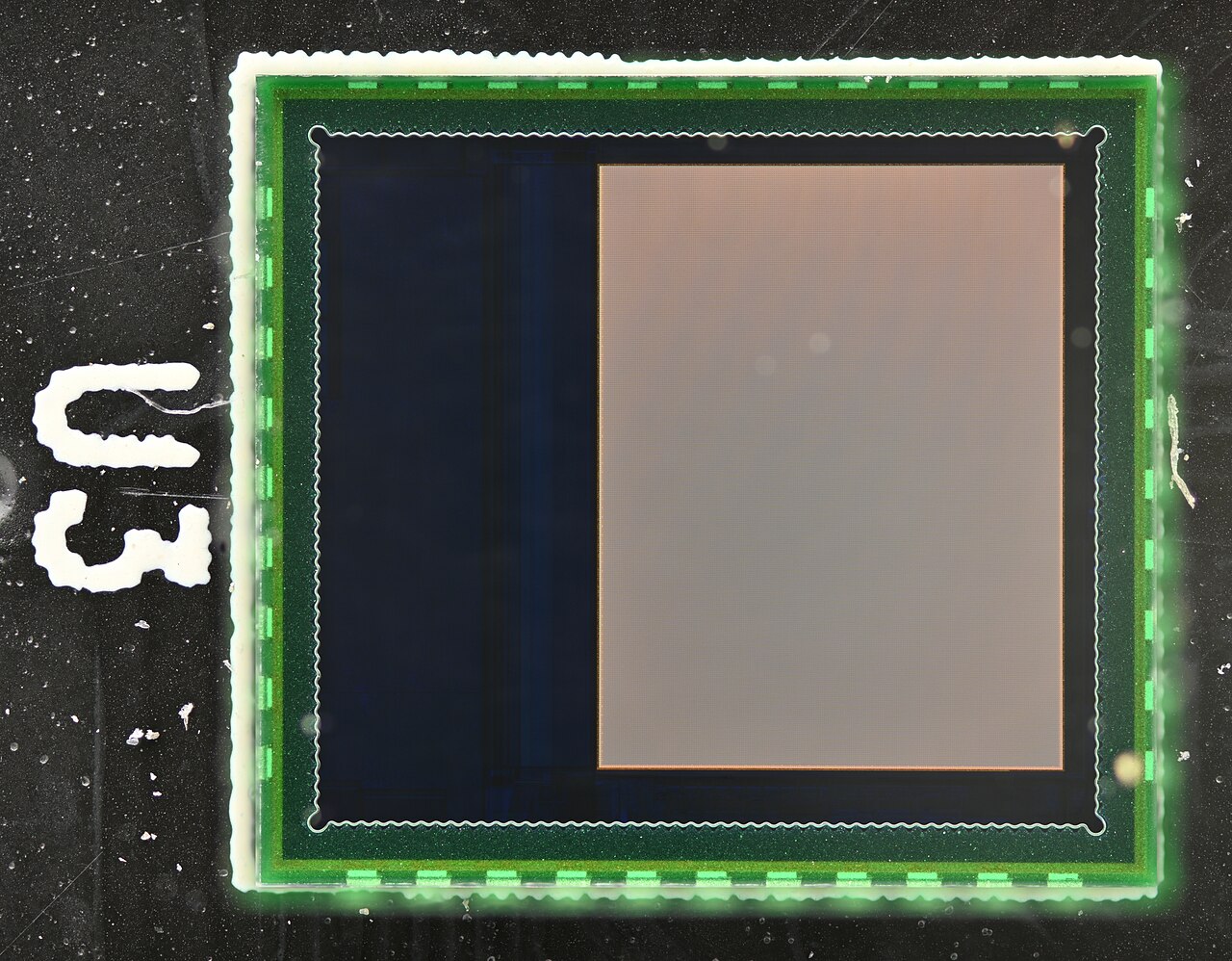

What Is a Megapixel, Exactly?
A megapixel is simply one million pixels — the tiny light-sensing squares that make up a digital image. A photo’s resolution is its width multiplied by its height, so a 6,000 × 4,000 image contains 24,000,000 pixels, or 24 megapixels (MP).
That same arithmetic explains why video needs far fewer megapixels than you might assume. A 1080p Full HD frame is just 1,920 × 1,080 — about 2.1 MP. 4K is 3,840 × 2,160 (8.3 MP), and even 8K only reaches 7,680 × 4,320 (33.2 MP). Every modern phone and camera clears those numbers with room to spare.
How Many Megapixels Do You Need for Screens?
Most photos are never printed. They live on phones, in social feeds, and on monitors, and for those uses the bar is remarkably low. A 2 MP image already fills a 1080p screen, and 8.3 MP fills a 4K display. Instagram and similar platforms compress uploads far below even those limits.
The real screen-related reason to want more pixels is cropping. Shoot at 24 MP and you can cut away half the frame yet still have a sharp 12 MP image for a 4K screen. Wildlife and sports photographers lean on that headroom constantly, which is why crop-heavy shooters often buy 45–60 MP bodies.
How Many Megapixels Do You Need for Print?
Print quality is measured in dots per inch, and a crisp photo print wants roughly 300 pixels per inch (PPI). The formula is simple: multiply each dimension in inches by 300, then multiply those results together.
- 8 × 10 in → 2,400 × 3,000 = 7.2 MP
- 11 × 14 in → 3,300 × 4,200 = 13.9 MP
- 16 × 20 in → 4,800 × 6,000 = 28.8 MP
A 24 MP camera produces a genuine photo-quality 20 × 13-inch print — enough for the large majority of wall art. Big posters viewed from a few feet back can drop to 150 PPI, which stretches that same file much further.
When More Megapixels Actually Helps
High resolution genuinely earns its keep in a few specific jobs. Heavy cropping is the biggest one, as covered above. Large fine-art and commercial prints are another: a 60 MP Sony a7R V, for example, resolves detail that a 24 MP file can’t at 40-inch sizes. Landscape, product, and architectural shooters also value the extra pixels for texture, while videographers who shoot 8K can reframe or punch in to 4K without losing sharpness.
When More Megapixels Hurts
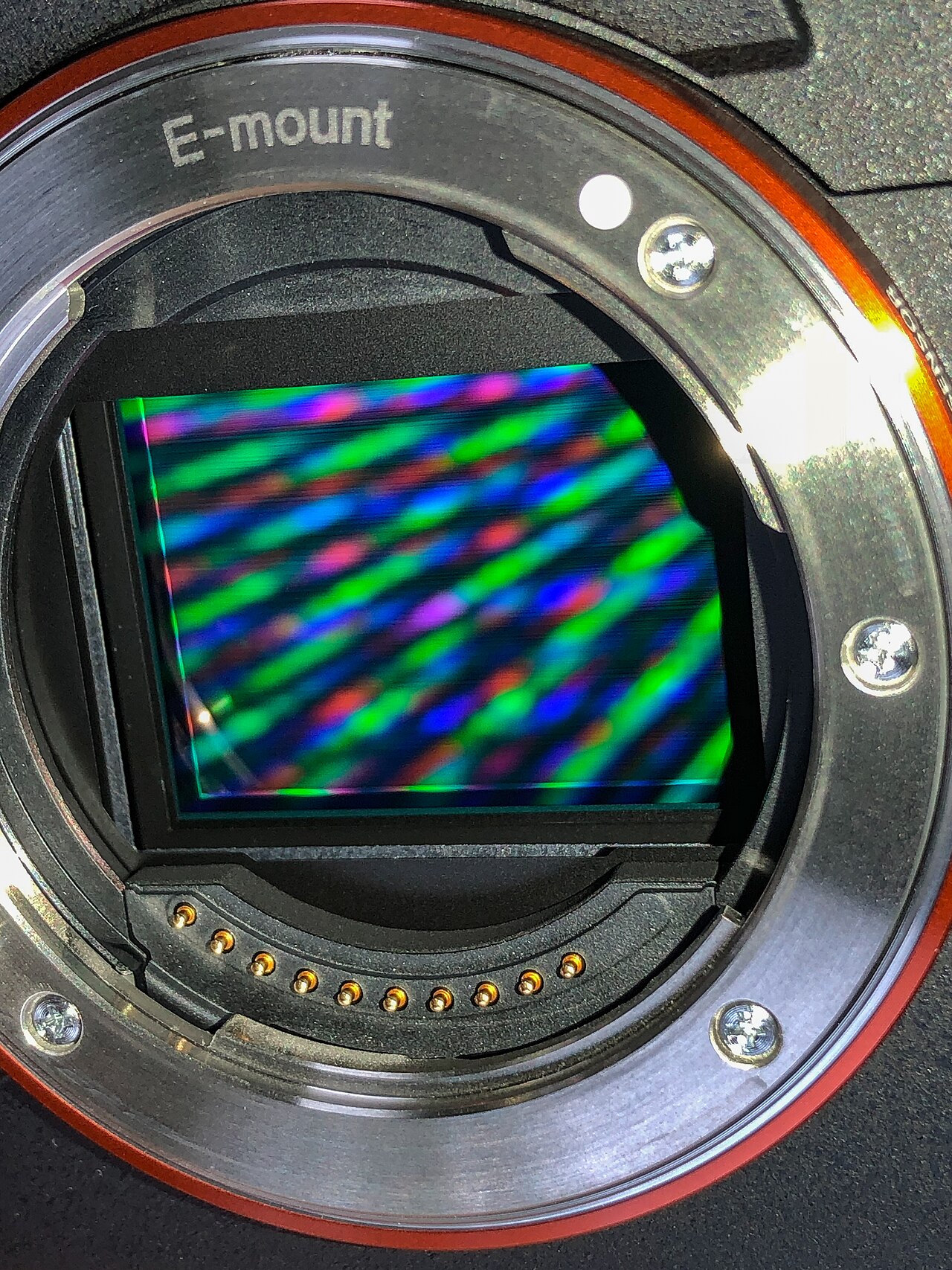
Pixels don’t come free. Cramming more of them onto the same sensor size makes each pixel physically smaller, and smaller pixels capture less light — which means more noise in low light and less dynamic range, all else being equal. Beyond that, very high-resolution sensors show diffraction softening at wider apertures, fill memory cards faster, and demand more storage and processing power. That’s why a flagship sports camera like the Sony a9 III settles for 24.6 MP: speed and clean high-ISO output matter more than raw resolution.

The Phone Megapixel Paradox: 200 MP vs 12 MP
Smartphone marketing pushed megapixels into the hundreds, but the fine print tells the real story. Samsung’s 200 MP ISOCELL sensors and Apple’s 48 MP main cameras almost never output all of those pixels. Instead they use pixel binning — combining groups of small pixels into larger virtual ones — to deliver a cleaner 12 MP (or 12.5 MP) image with better low-light performance. The headline number is largely about marketing and a little extra crop flexibility; the photo you actually see is built from far fewer, far better pixels.
The Bottom Line
For most people, 20–26 MP is the sweet spot: enough for sharp large prints and generous cropping, without the file bloat and low-light penalties of ultra-high-resolution sensors. Casual shooters are fine at 12 MP, and pros who print big or crop hard will appreciate 45–60 MP. When you compare cameras, spend less time on the megapixel count and more on sensor size, lens quality, and processing — those determine how the pixels actually look.
FAQ
Is 24 MP enough for professional photography? Yes. 24 MP prints cleanly to about 20 × 13 inches and covers weddings, portraits, events, and most editorial work.
Do I need a 48 MP or 200 MP phone camera? Not really. Those phones bin down to ~12 MP for your final image; the big numbers mostly add a little crop headroom.
How many megapixels is 4K video? About 8.3 MP (3,840 × 2,160). Even a 12 MP sensor has headroom to shoot 4K and crop slightly.
Related Posts
The Exposure Triangle: Aperture, Shutter Speed and ISO Explained
Every photograph you take is the result of one simple…
HDR Photography Explained: Capturing the Full Range of Light
Point your camera at a sunset, a church interior, or…
How to Read a Histogram: A Beginner’s Guide to Perfect Exposure
Your camera's histogram is one of its most useful tools…