Every photographer eventually stands at the same fork in the road: buy a prime lens with a fixed focal length, or a zoom lens that covers a whole range. The honest short answer is that neither is objectively better. Primes win on aperture, sharpness, weight, and price per focal length, while zooms win on convenience and coverage. The right choice comes down to what you shoot and how you shoot it. This guide lays out the trade-offs so you can spend your money once and get it right.
What Is the Difference Between a Prime and a Zoom?
A prime lens has a single, fixed focal length. A 50mm is always 50mm, so to change your framing you move closer to or farther from your subject — photographers call it “zooming with your feet.” A zoom lens covers a range of focal lengths; a 24–70mm can be set to any length in between with a twist of the zoom ring. Everything else about the two designs flows from that one difference.
Why Primes Win on Aperture and Image Quality
Because a prime only needs to be optimized for one focal length, its optical design is simpler and it can open much wider. A 50mm f/1.8 is common, cheap, and opens two to three stops wider than a typical kit zoom (usually f/3.5–5.6). A zoom that holds a constant f/2.8 across its range is a premium, heavy, expensive piece of engineering.
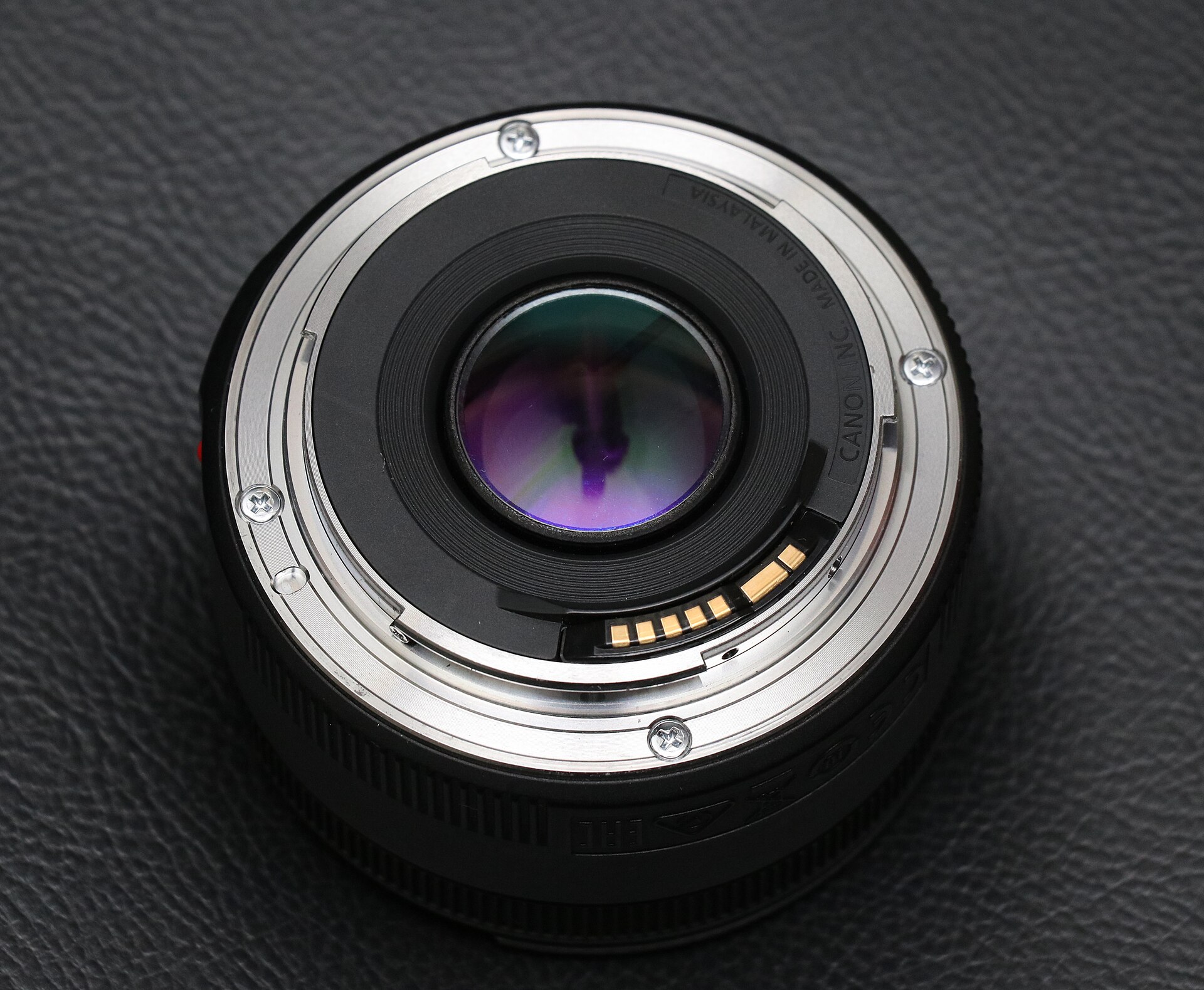
The wider aperture does two things a kit zoom cannot. First, it gathers far more light, so you can keep shutter speeds fast and ISO low in dim indoor light. Second, it produces a shallower depth of field — the creamy background blur portrait photographers chase. Primes also tend to be sharper, especially wide open, and much lighter: a 50mm f/1.8 often weighs under 200 grams, while a fast standard zoom can approach a kilogram.
Where Zoom Lenses Earn Their Keep
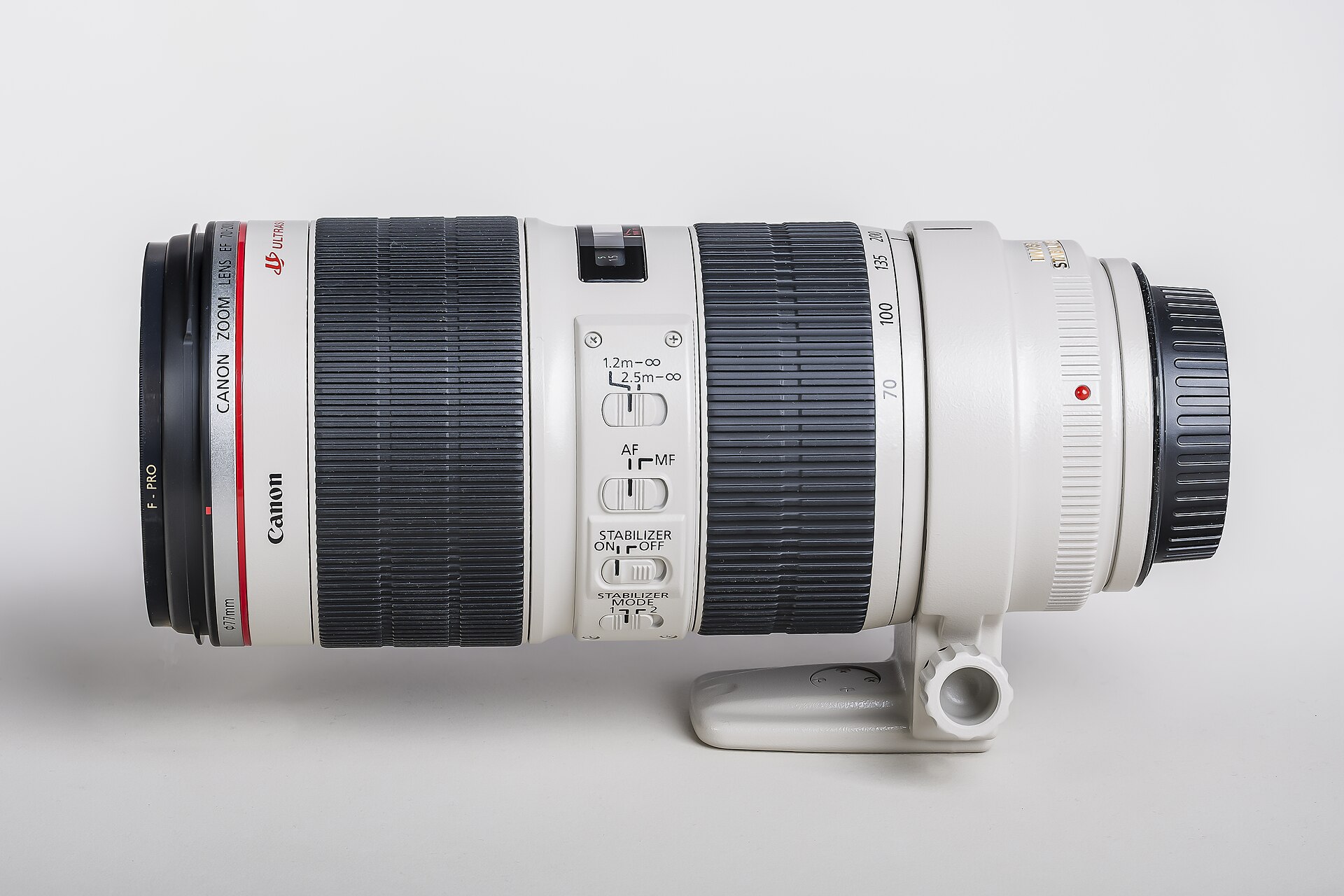
A zoom is a whole toolkit in one barrel. At an event, a wedding, or on a travel day, the ability to jump from a wide group shot to a tight detail in seconds — without swapping lenses — is invaluable, and it keeps dust off your sensor. Modern professional zooms such as the current 24–70mm f/2.8 and 70–200mm f/2.8 generations from Canon, Nikon, and Sony have also closed the sharpness gap considerably. Stopped down to f/5.6 or f/8, they often match primes at the same focal length; the differences that remain show up mostly wide open and in the corners of the frame.
The Cost Reality Check
The price pattern is consistent across every camera system. An entry-level 50mm f/1.8 from any major brand runs roughly $100–$250, making it the best value in interchangeable-lens photography. A constant-aperture f/2.8 standard zoom typically costs $500 to well over $2,000. Budget 35mm and 85mm primes in the f/1.8 class are also affordable and punch far above their price. If you live at one or two focal lengths, a prime delivers far more speed and sharpness per dollar than a zoom of equal price.
How to Decide Which One to Buy
Choose a prime if you regularly shoot in low light, want maximum background separation, shoot a specific genre at a consistent focal length (street with a 35mm, portraits with an 85mm), or want the lightest, most compact setup. Choose a zoom if you need to reframe instantly in fast-moving situations, shoot travel or events where changing lenses is impractical, or want a single do-it-all lens. A practical starter path is to keep your kit zoom and add a 50mm f/1.8 prime — together they cover almost everything a beginner needs.
Conclusion
Primes give you more aperture, sharpness, and value for a single focal length; zooms give you convenience and coverage. Most photographers eventually own both — one flexible zoom for general use and one fast prime for low light and portraits. If you are buying your first lens upgrade, the affordable 50mm f/1.8 remains the near-universal recommendation: it is cheap, fast, sharp, and small, and a fixed focal length will teach you more about composition than any zoom.
FAQ
Are prime lenses always sharper than zooms?
Not always. The gap has narrowed a lot — modern professional zooms nearly match primes at f/5.6 to f/8 — but primes still hold an edge wide open and in the corners of the frame.
Is a prime or a zoom better for a beginner?
A kit zoom plus a 50mm f/1.8 prime is the classic starter combination. The zoom covers range, while the prime teaches fast-aperture shooting and more deliberate composition.
Do I need a constant f/2.8 zoom?
Only if you shoot events or weddings professionally, where a constant aperture across the range and no lens swaps justify the extra weight and cost.
Related Posts
Best Lenses for Portrait Photography: A Complete Buying Guide
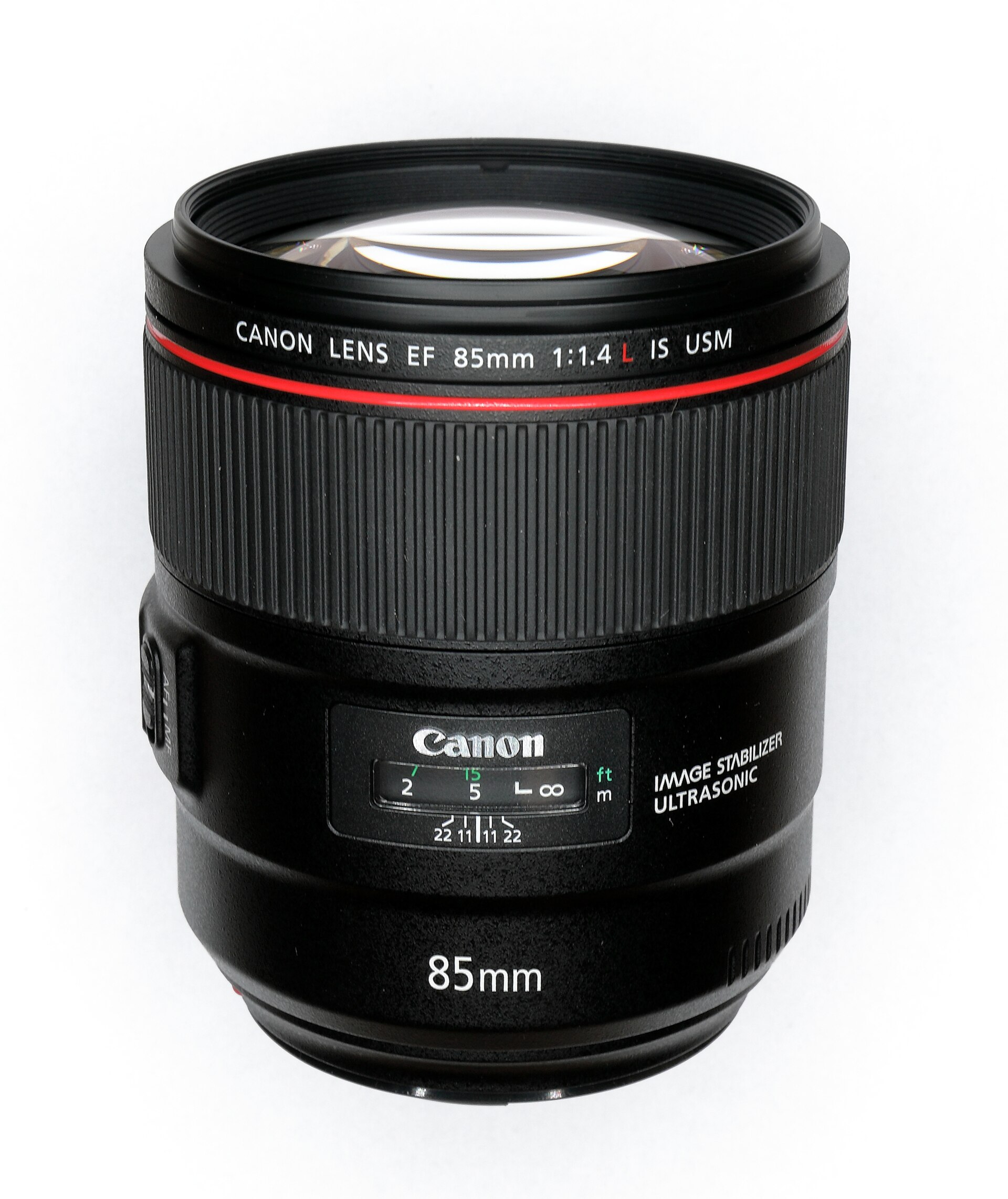
The 85mm prime is the classic portrait lens. Image: C.Stadler/Bwag…
Best Cameras Under $500 in 2026: Top Picks for Photos, Video, and Adventure
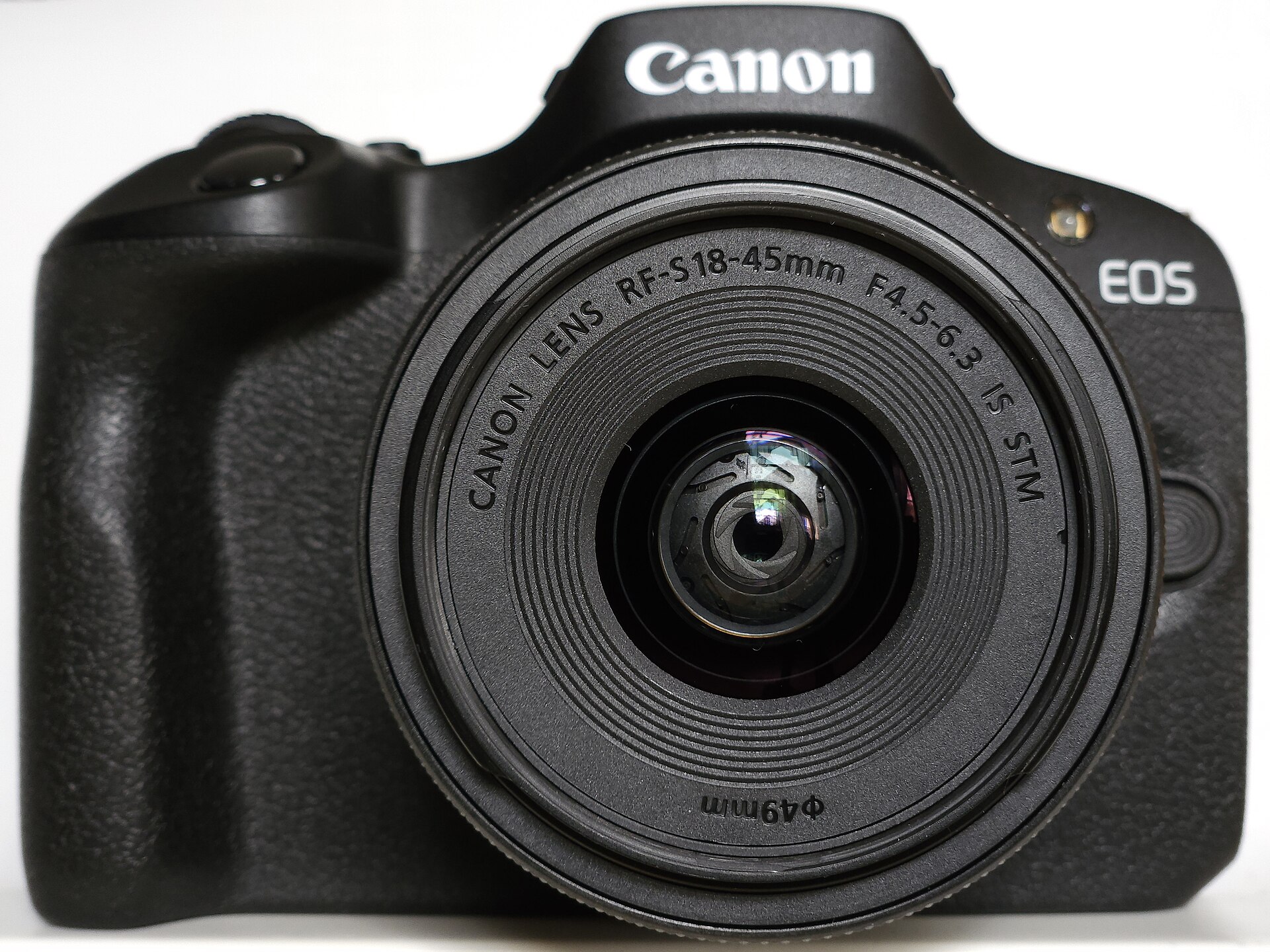
You do not need to spend four figures to get…
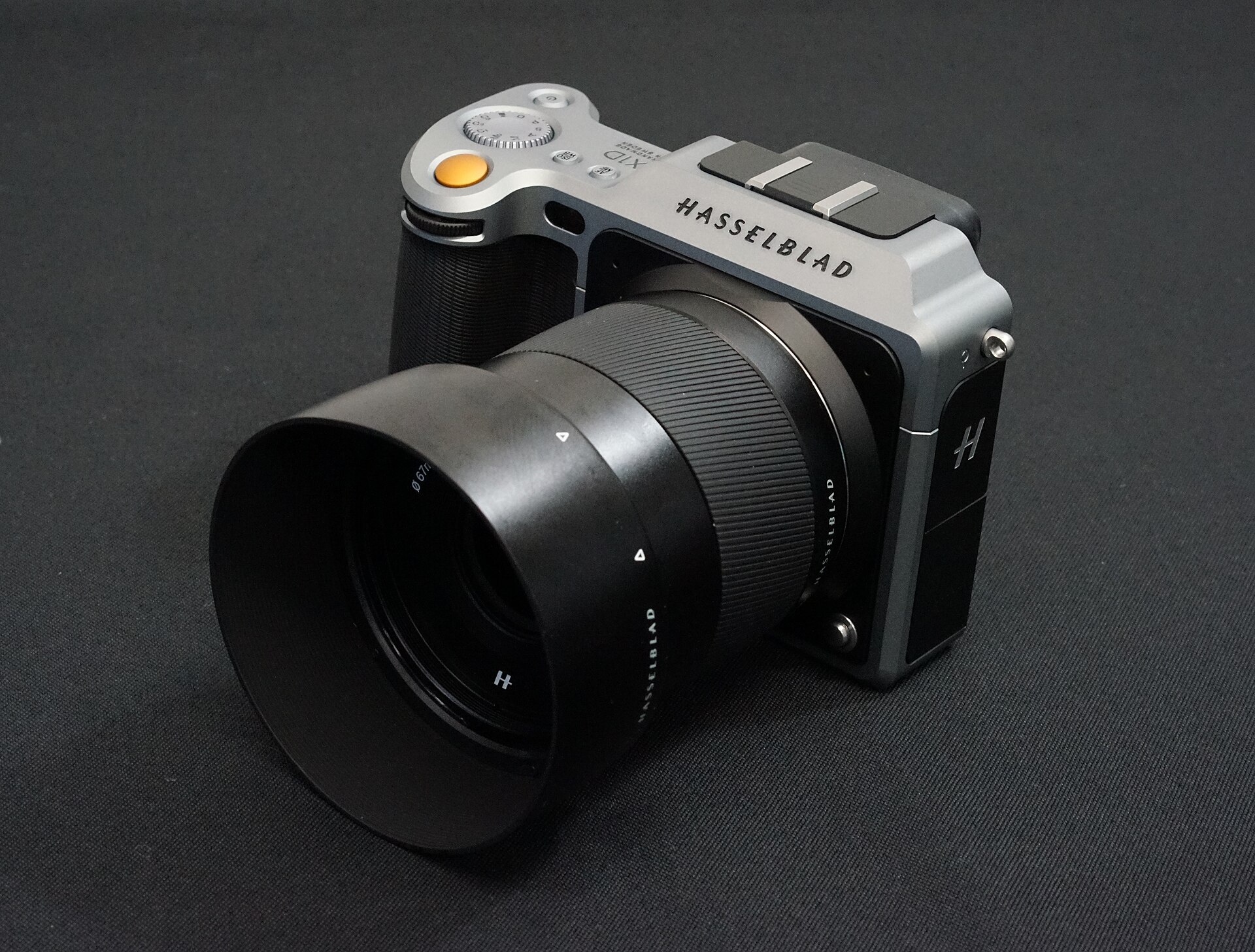
Full-Frame vs Medium Format: Is It Worth Upgrading?
For years, full-frame was the summit every photographer aimed for.…