Full-frame and APS-C are the two sensor sizes you’ll see on nearly every interchangeable-lens camera today. The choice between them shapes image quality, lens selection, cost, and even the way you frame a shot. This guide breaks down the real differences — and helps you decide which format actually fits your photography.


What “Full-Frame” and “APS-C” Actually Mean
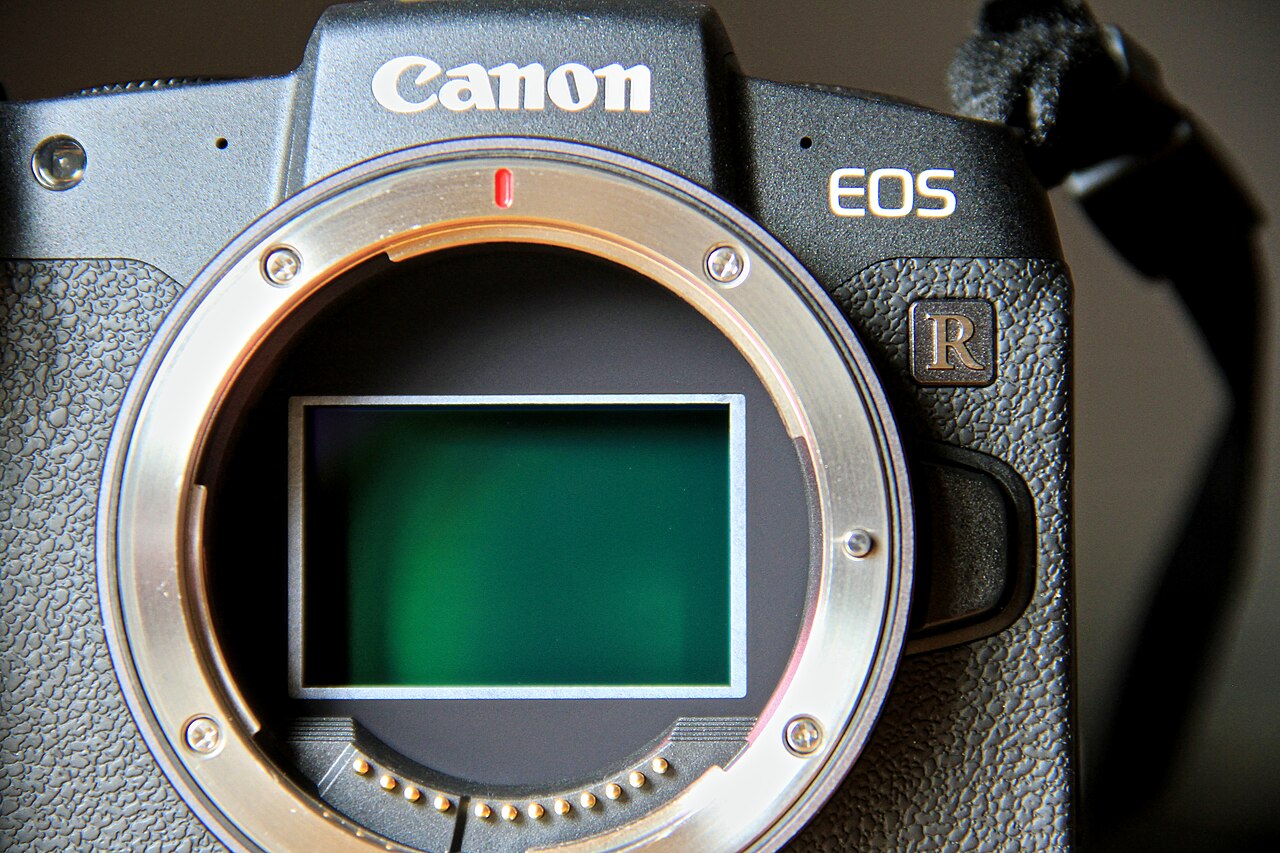
A camera’s image sensor is the light-sensitive chip that records the photo, sitting roughly where the film used to be. A full-frame sensor measures 36 × 24 mm — the same dimensions as a single frame of 35mm film — giving it an imaging area of about 864 mm². An APS-C sensor is smaller: about 23.5 × 15.6 mm on Sony, Nikon, and Fujifilm bodies (roughly 366 mm²), or about 22.3 × 14.9 mm on Canon cameras.
That size gap matters because a larger sensor collects more total light at any given exposure. Full-frame has roughly 2.3 times the surface area of APS-C, and that single fact drives almost every practical difference between the two formats.
Understanding Crop Factor
Because an APS-C sensor records only the center portion of the image circle a lens projects, it effectively “crops” the picture. Photographers describe this with a crop factor — the number you multiply a lens’s focal length by to find its equivalent field of view on full-frame.
Sony, Nikon, and Fujifilm APS-C bodies use a 1.5× crop factor, so a 50mm lens frames like a 75mm lens would on full-frame. Canon’s APS-C cameras use a 1.6× crop, making that same 50mm behave like an 80mm. In practice this gives APS-C “free reach” for telephoto work — a 300mm lens frames like a 450mm — but it makes wide-angle shooting harder, since a 24mm lens only frames like a 36mm.
Where Full-Frame Cameras Win
Low-light performance. With more than twice the sensor area and larger individual photodiodes, full-frame sensors collect more photons and produce visibly cleaner images at high ISO. Expect roughly one to two stops of improvement — meaning a full-frame camera at ISO 6400 can look comparable to an APS-C camera around ISO 1600–3200.
Shallow depth of field. At the same aperture and field of view, full-frame yields a shallower depth of field, making it easier to blur backgrounds and isolate subjects — a favorite of portrait and wedding photographers.
Wider field of view. With no crop, wide-angle lenses stay wide: a 16mm lens frames like 16mm, which matters for landscapes, architecture, and real-estate work.
Higher resolution ceilings. While APS-C has climbed recently, the highest-resolution sensors remain full-frame — up to roughly 50–61 megapixels on flagship bodies — backed by a deep ecosystem of premium full-frame lenses.

Where APS-C Cameras Win
Price. APS-C bodies are typically far cheaper than full-frame, and their dedicated lenses cost less too. You can often assemble a complete APS-C kit for the price of a single full-frame body.
Size and weight. Smaller sensors allow smaller, lighter cameras and lenses — a genuine advantage for travel, street, and hiking photography.
Reach. The crop factor works in your favor for wildlife and sports, giving telephoto lenses extra effective focal length without extra glass, weight, or cost.
Deeper depth of field. For macro work or group shots, the inherently deeper focus of APS-C can actually be an advantage.
How to Choose
Choose full-frame if low-light image quality, shallow depth of field, or wide-angle work are central to what you shoot — and your budget can cover both the body and its lenses.
Choose APS-C if you want a lighter, more affordable system, if you photograph wildlife or sports where reach matters, or if you’re a beginner or traveler who values portability. Modern APS-C sensors are excellent; for most everyday photography and video, the practical difference is smaller than the price gap suggests.
Frequently Asked Questions
Is full-frame always better?
No. Full-frame has an edge in low light and shallow depth of field, but it’s heavier and more expensive. The best format depends on what and how you shoot, not on sensor size alone.
Can I use full-frame lenses on an APS-C camera?
Generally yes — full-frame lenses work on APS-C bodies with a cropped field of view. The reverse is trickier: APS-C lenses often vignette heavily or force crop mode on full-frame bodies.
Do I need full-frame to shoot professionally?
Not necessarily. Many professionals shoot APS-C (or Micro Four Thirds) for travel, wildlife, and documentary work. Full-frame is common, but it isn’t a requirement.
Conclusion
Full-frame and APS-C are different tools optimized for different jobs. Full-frame trades size and cost for maximum image quality and creative control, while APS-C delivers excellent results in a lighter, more affordable package — with a built-in reach advantage for telephoto shooters. Rather than chasing the largest sensor, match the format to your subject, your budget, and the way you like to carry a camera.
Related Posts
Best Cameras for Landscape Photography (2025 Buying Guide)
Landscape photography is a test of patience and detail. The…
Prime vs Zoom Lenses: Which Should You Buy?
Every photographer eventually stands at the same fork in the…
Smartphone vs Mirrorless vs DSLR — Which Camera to Buy in 2026?
In 2026, the question "which camera should I buy?" has…