A tripod is one of the cheapest upgrades you can make to your photography, yet it is also one of the most overlooked. Image stabilization in modern cameras is impressive, but no amount of IBIS or optical stabilization can hold a camera rock-steady for a 30-second exposure, a multi-shot panorama, or an hour-long timelapse. A good tripod does exactly that — and it makes every photo you take on it measurably sharper. This guide breaks down the specs that actually matter, the materials worth paying for, and how to match a tripod to the camera you already own.
Why a Tripod Still Matters in the Age of IBIS
Modern bodies offer anywhere from five to eight stops of in-body stabilization, which is brilliant for handheld shooting at moderate shutter speeds. But stabilization has limits. For exposures longer than roughly a second — star trails, silky waterfalls, low-light cityscapes — even the best IBIS will drift. A tripod also gives you consistency: every frame in a panorama or timelapse sits in exactly the same position, and your hands stay free to adjust composition or trigger the shutter remotely. If you shoot landscapes, astrophotography, macro, product work, or video, a tripod is not optional gear — it is part of the core kit.
The Five Specs That Actually Matter
Maximum height. The tripod should reach your eye level without raising the center column. A column that is fully extended turns a stable three-legged support into a wobbly monopod, so treat column height as a bonus, not a primary spec.
Folded length. Travel tripods fold to roughly 35–45 cm and slip into a backpack; full-size studio legs are far longer. Decide where the tripod will actually travel before you care about this number.
Weight. Lighter legs are easier to carry, but heavier tripods resist wind and vibration better. There is always a trade-off between portability and stability.
Maximum load capacity. Aim for a rating of at least two to three times the combined weight of your camera and heaviest lens. A 1.5 kg mirrorless body with a 1 kg telephoto weighs about 2.5 kg, so look for legs rated around 8–10 kg to keep a comfortable safety margin.
Leg sections. Three-section legs are stiffer and set up faster. Four- and five-section legs fold down smaller but are slightly less rigid and slower to deploy.
Aluminum vs Carbon Fiber
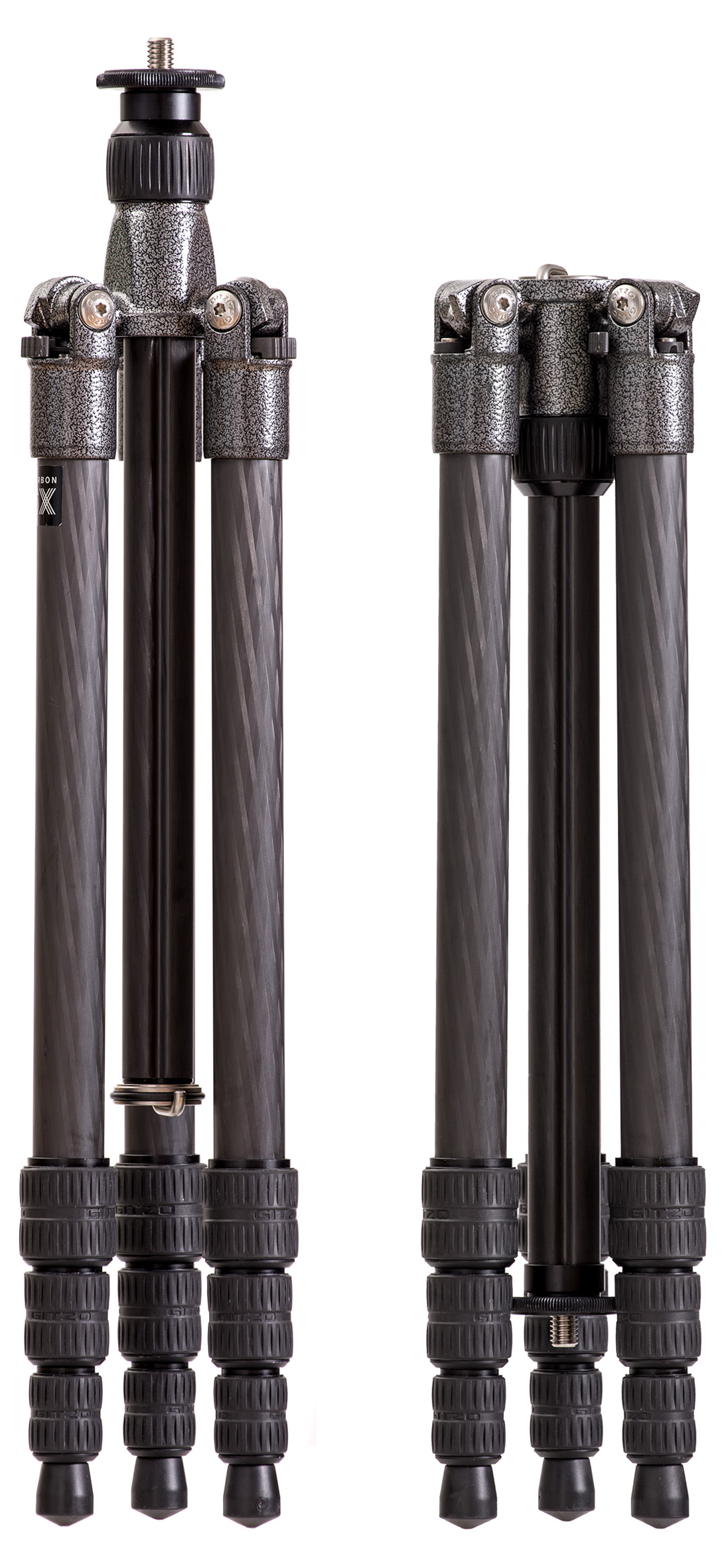
Aluminum tripods are affordable and durable, and they damp vibration reasonably well. Carbon fiber legs are typically 30–40% lighter, noticeably stiffer, and even better at absorbing high-frequency vibration — the kind that softens a long exposure taken near traffic or wind. The trade-off is price: carbon fiber costs more, often two to three times an equivalent aluminum model. If you hike or travel with your kit, carbon is worth the premium. If the tripod mostly lives in a studio, aluminum is the smarter buy.
Choosing a Tripod Head
Many legs are sold without a head, so budget for one separately. The three common types each suit a different job:
Ball head. One knob locks and unlocks every axis at once, making it the fastest option for stills. It is the default choice for most photographers.
Pan-tilt (three-way) head. Separate controls for pan, tilt, and level. Slower to adjust but precise, which makes it a favorite for architecture and video where you want to move one axis at a time.
Gimbal head. Built for large telephoto lenses, a gimbal balances heavy glass so you can pan smoothly while tracking birds and wildlife without fighting the weight.
Whichever you pick, check that it uses the Arca-Swiss quick-release standard — the near-universal plate format that lets you share plates and accessories across brands.
Leg Locks and Small Details That Matter
Twist vs flip locks. Flip locks are faster to open; twist locks are more compact and less likely to snag on a backpack strap. Both work — it is a matter of preference.
Center column. Useful for fine height adjustments, but keep it down for long exposures. The lower and more stable the camera, the sharper the result.
Feet. Rubber feet grip smooth indoor floors; metal spikes bite into dirt and grass. Interchangeable feet are a nice bonus for outdoor shooters.
Matching the Tripod to Your Camera
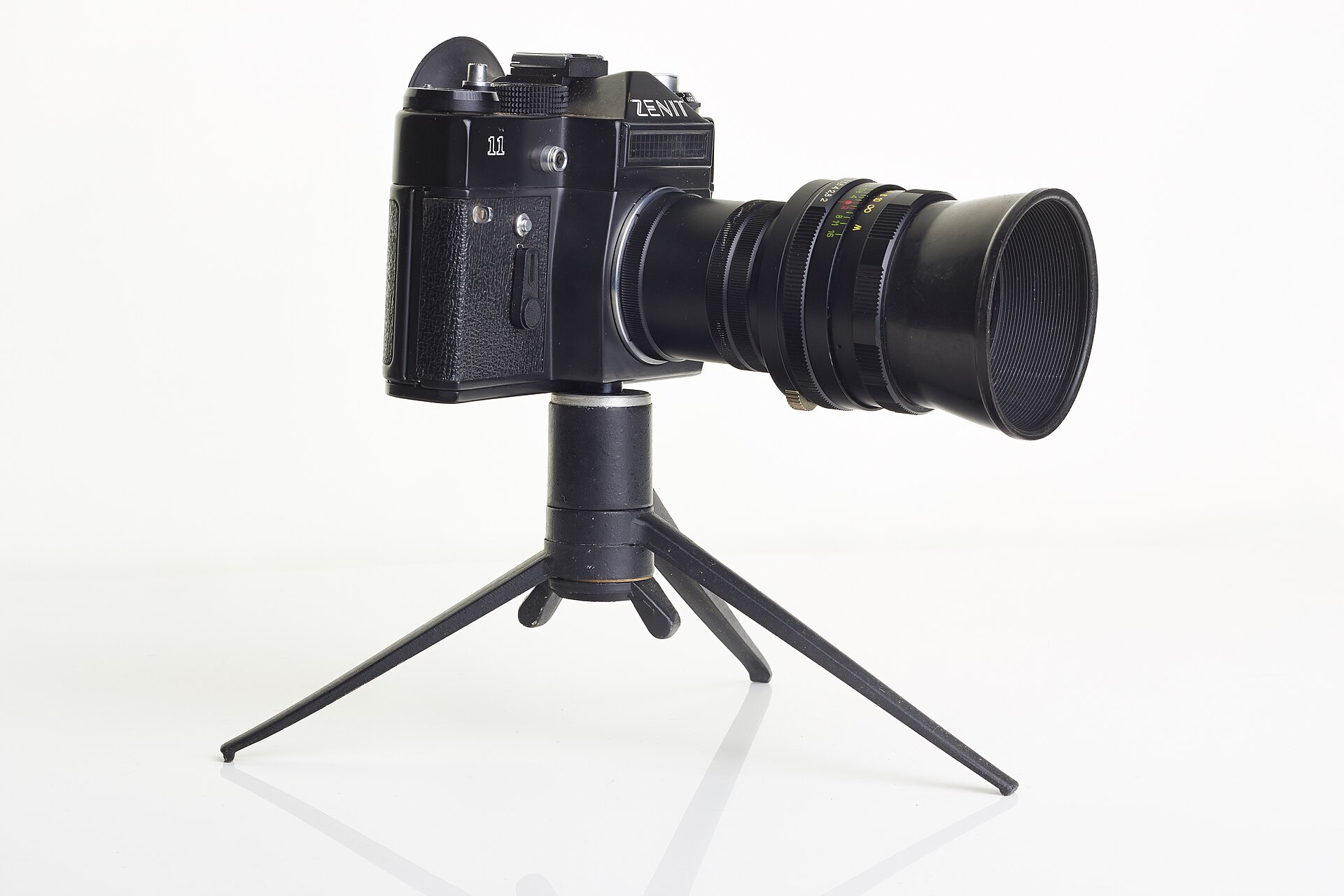
Match the support to the load, not the other way around. A smartphone or compact camera needs little more than a small tabletop or flexible mini-tripod. An APS-C or full-frame mirrorless body with a standard zoom is well served by a mid-size four-section set of legs and a ball head. If you shoot full-frame with a 70-200mm or longer wildlife lens, step up to heavier legs rated 8 kg or more and pair them with a gimbal or a sturdy ball head. For video, a fluid pan-tilt head and a leveling base will smooth out your pans far more than any in-body stabilization.
Conclusion
A tripod does not need to be complicated, but the cheapest leg set is rarely the best value once you factor in stability, head compatibility, and where you will actually carry it. Decide on your heaviest realistic load, choose between aluminum and carbon fiber, pick a head that matches what you shoot, and buy once. The sharpness gain will show up in every single frame.
FAQ
Do I still need a tripod if my camera has IBIS? Yes — for exposures over about a second, for panoramas, timelapses, and video, stabilization cannot replace a rigid support.
How heavy should my tripod be? As light as you can afford without dipping below a 2–3x load-rating safety margin for your heaviest camera-and-lens combination.
Aluminum or carbon fiber? Carbon fiber if you travel or hike; aluminum if the tripod stays mostly in one place and budget matters.
Do tripods come with a head? Some kits bundle a head, but many legs are sold body-only. Check before you buy so you are not surprised by an extra purchase.
Related Posts
Best Mirrorless Cameras Under $1000 in 2026: Top Picks for Every Shooter
The sub-$1000 mirrorless market in 2026 is the sweet spot…
Fujifilm X100VI Review (2026): The Viral Compact That’s Still Worth the Hype
Disclosure: This article contains affiliate links. If you buy through…
Best Cameras for Landscape Photography (2025 Buying Guide)
Landscape photography is a test of patience and detail. The…