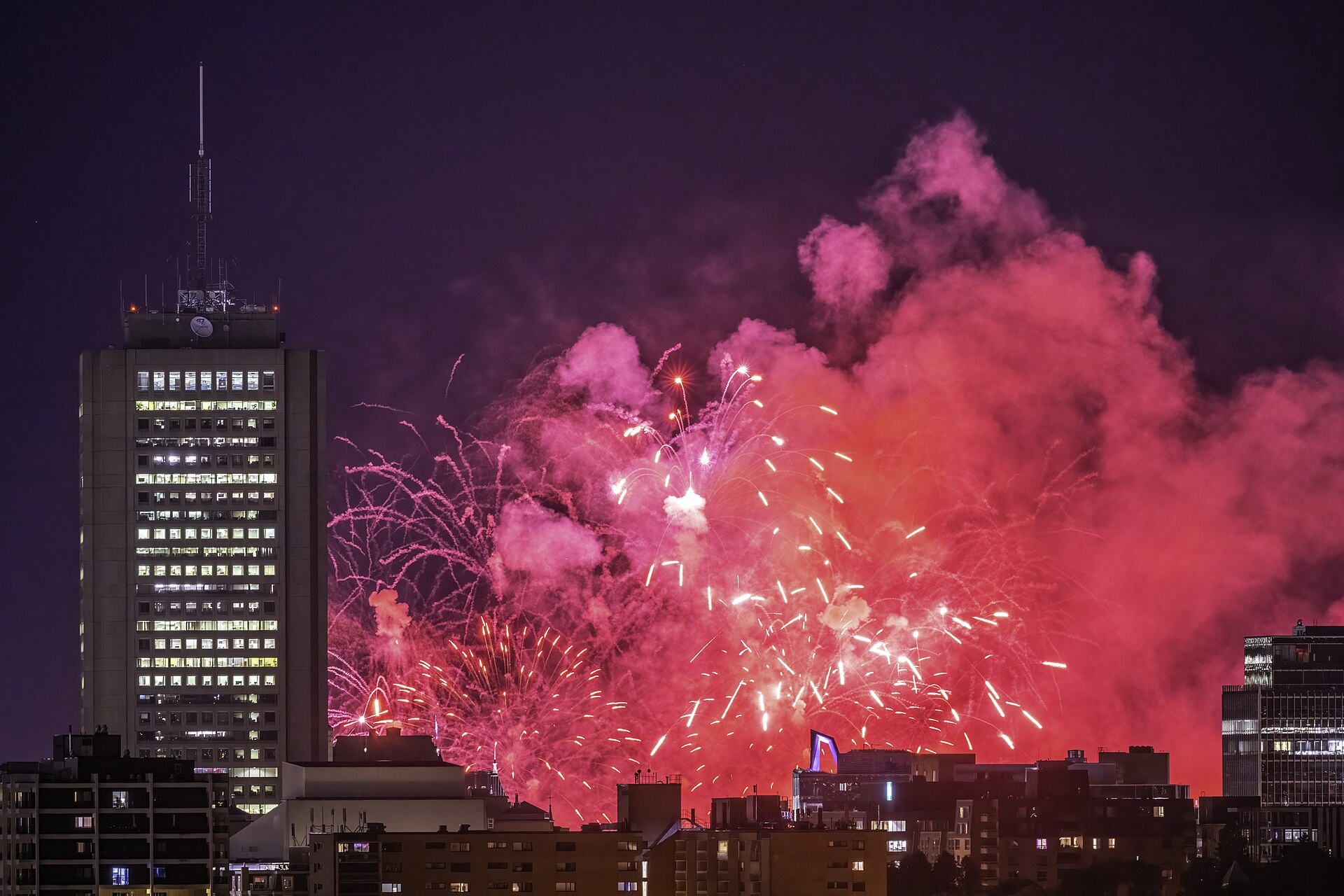
Fireworks are one of the easiest “wow” subjects in photography — and one of the most misunderstood. Point your camera at a burst in auto mode and you will usually get a blurry smudge or a blown-out white blob. The secret is simple: fireworks are bright, but they move, and you want to record the full trail of a burst over several seconds. That calls for a tripod, manual settings, and a little patience. Here is exactly how to do it.
The Gear You Need
Almost any camera with manual controls will work — a DSLR or mirrorless body from Canon, Nikon, or Sony, or even an advanced compact with a manual mode. What you cannot skip is a stable platform: a sturdy tripod is non-negotiable, because your exposures will last several seconds. A remote shutter release (cable, wireless, or even the camera’s 2-second self-timer) removes the shake of pressing the button. A mid-range zoom — something like a 24–70mm — covers most situations, letting you shoot wide to capture a whole display or zoom in for a single burst.
The Right Camera Settings
Switch to full manual and make three decisions.
ISO: keep it low — ISO 100 or 200. Fireworks are bright, and low ISO gives you the cleanest sky with no noise.
Aperture: stop down to f/8 through f/16. This feels counterintuitive at night, but bursts are far brighter than they look, and a small aperture keeps everything sharp while stopping the highlights from blowing out.
Shutter speed: this is where fireworks differ from other night subjects. Use Bulb mode and hold the shutter open for roughly 2 to 10 seconds — long enough to trace a burst from launch to fade.
Using Bulb Mode Like a Pro
Bulb mode keeps the shutter open for as long as you hold the release down. Start the exposure just as a shell launches, then close it after the burst has fully bloomed and begun to fade. A 4- to 8-second exposure typically captures one clean, complete burst. Leave the shutter open too long and overlapping bursts pile into a bright mess; too short, and you catch only a thin streak. Try 2, 4, and 8 seconds and check your results on the LCD between bursts.
Nail Focus and Composition
Autofocus hunts hopelessly against a black sky, so switch to manual focus and pre-focus before the show. Aim at a distant light — a building, a street lamp, or the first burst — and set focus to infinity; once set, do not touch the ring again. For composition, frame where the bursts will appear before the show starts, and leave headroom for tall trails. Including a foreground — a skyline, a crowd silhouette, or a body of water that reflects the color — turns a firework shot into a real photograph.
Advanced Tricks for Richer Shots
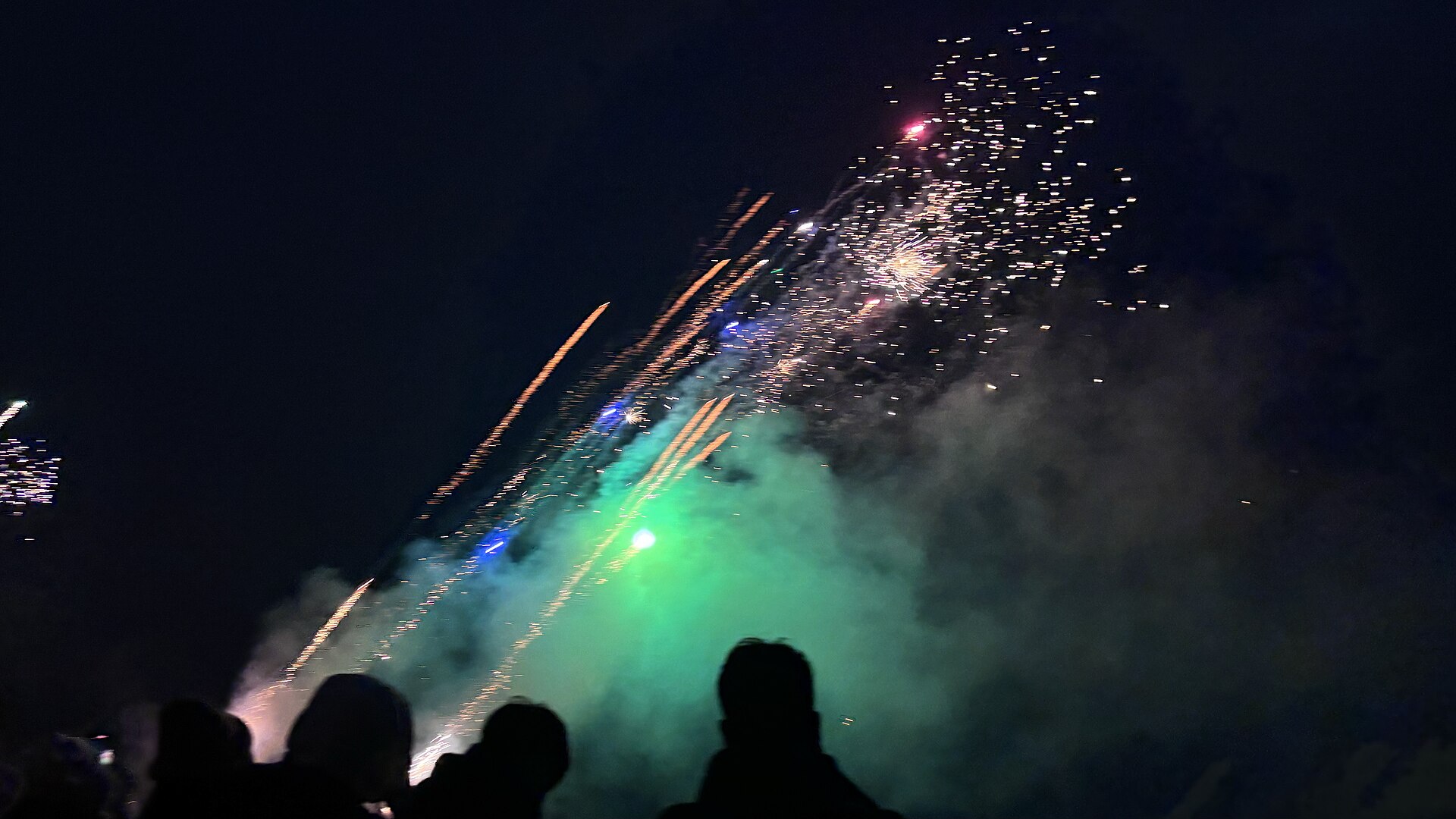
To capture several bursts in a single frame, keep the shutter open and cover the lens with a piece of black cardboard between bursts — this stacks multiple bursts without overexposing the sky. The same trick works when a single burst is too bright for your chosen exposure. A neutral-density filter is rarely needed, since the small aperture already does most of the work. Finally, shoot RAW so you can lift shadow detail and tame highlights afterward. If your camera offers long-exposure noise reduction, remember it doubles your exposure time by shooting a second “dark frame” — turn it off during a busy display so you do not miss the next burst.
Conclusion
Fireworks photography comes down to three habits: a tripod, a small aperture, and a shutter you control. Lock in ISO 100–200 and f/8–f/16, pre-focus to infinity, and ride Bulb mode through each burst. Nail those, and the next show will give you frames you actually want to print.
FAQ
What shutter speed should I use for fireworks?
In Bulb mode, hold the shutter open for about 2–10 seconds per burst — enough to record the full trail from launch to fade.
Why does auto mode ruin fireworks photos?
Auto mode picks a fast shutter and high ISO, freezing a thin streak or blowing out the bright core. Manual control with a long shutter and low ISO is essential.
Do I need a fast lens for fireworks?
No. Because you are using a small aperture and long shutter on a tripod, an f/2.8 or f/4 kit zoom works perfectly.
How do I avoid blurry fireworks?
Use a tripod, a remote shutter or self-timer, and manual focus set to infinity. These three remove camera shake and focus hunting.
Related Posts
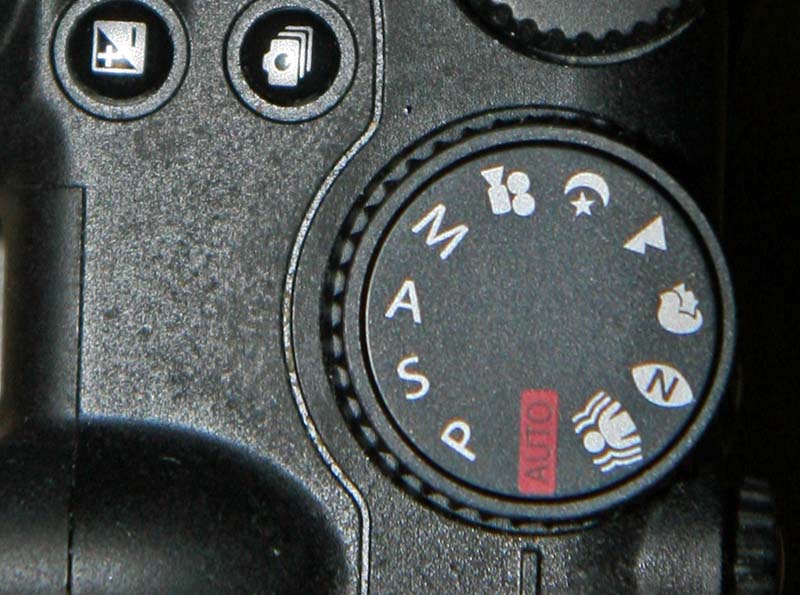
Exposure Modes Explained: P, A (Av), S (Tv), and M — When to Use Each
Look at the top of any modern camera and you'll…
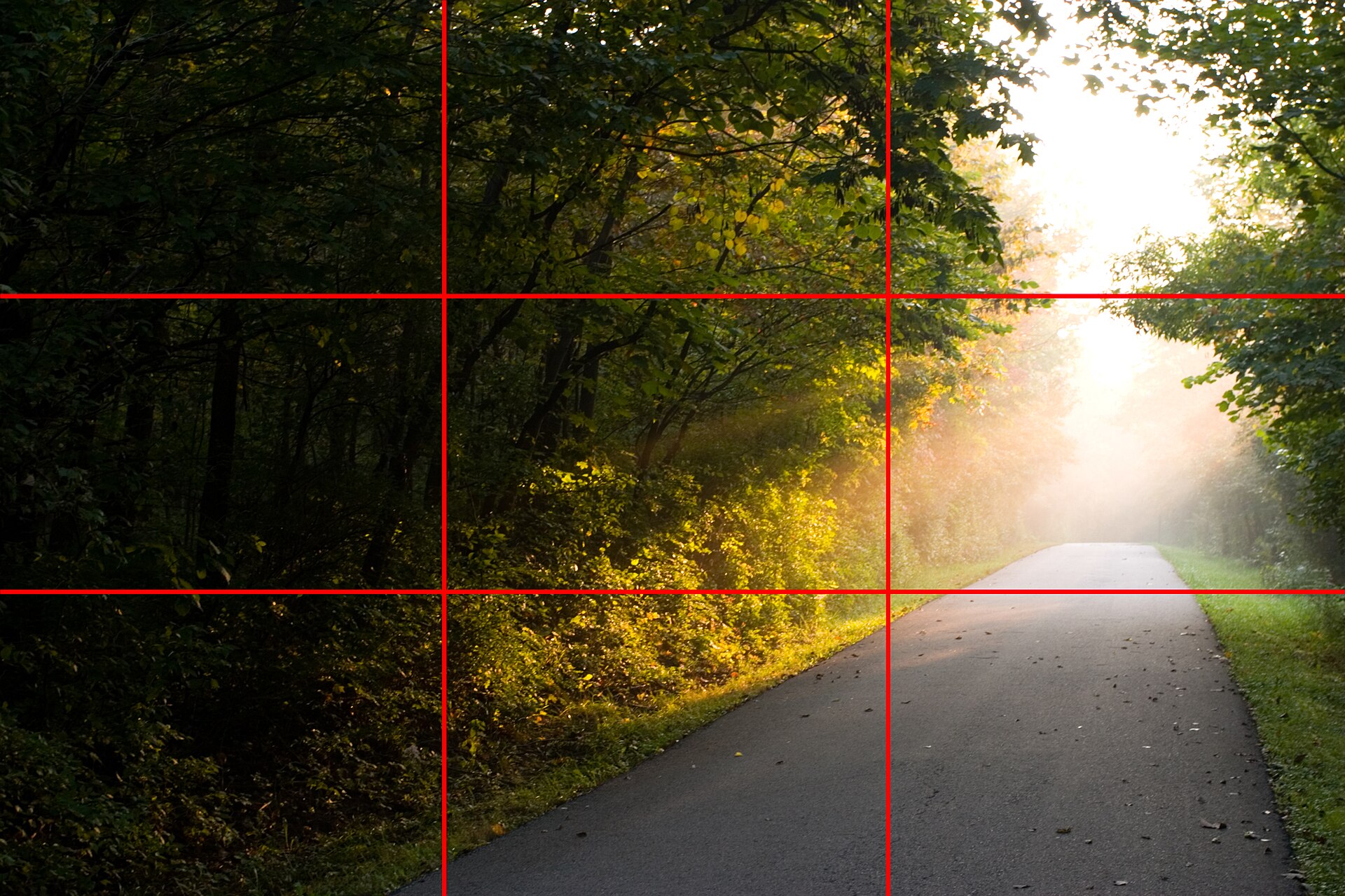
Rule of Thirds and Leading Lines: Master the Two Most Important Composition Rules
Composition is what separates a snapshot from a photograph. A…
Focus Stacking Explained: How to Get Everything Sharp from Front to Back
Try to photograph a flower, an insect, or a piece…