Ask two photographers which camera brand has the best color and you will start an argument that outlasts any spec-sheet debate. One swears Canon skin tones are the most flattering, another insists Fujifilm’s film simulations are unmatched, while a third says modern Sony bodies finally got color right. All three are partly correct — and the reason has nothing to do with megapixels. It comes down to color science, the invisible recipe each manufacturer uses to turn raw sensor data into the final image you see. Here is what color science actually is, where it comes from, and why three brands render the same scene so differently.
What “Color Science” Actually Means
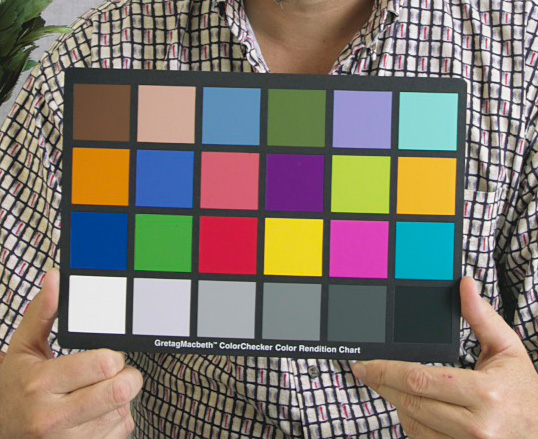
Color science is not a single spec — it is the manufacturer’s entire approach to color reproduction. A camera sensor does not “see” color the way your eye does. Silicon photodiodes respond to light intensity across the whole visible spectrum, so every digital camera starts with a color filter array (usually a Bayer pattern) that splits incoming light into red, green, and blue. The precise dyes used in those filters, how the camera white-balances a scene, and — most importantly — how it maps the sensor’s raw RGB values onto a standard color space are all decisions made by the manufacturer’s engineers. Together, those decisions form the brand’s “look.”
The Imaging Pipeline: From Sensor to sRGB
Between the sensor and the JPEG you share, every camera runs the same basic pipeline: noise reduction, demosaicing, white balance, a color-space transform from the sensor’s RGB to a standard like sRGB, tone-curve shaping, and compression. Two steps dominate the look. The first is the color matrix, a 3×3 transform that translates the sensor’s specific spectral response into standard color — this is why a photo of the same red dress is not rendered identically by two brands. The second is the tone curve and saturation profile, which decide how contrasty, warm, or punchy the defaults feel. Adjust those curves and you change the entire personality of a JPEG.
Why Canon Photos Look Warm and Natural
Canon’s reputation — especially for portraits — is built on a deliberately warm, slightly magenta-leaning skin-tone rendering that many photographers find flattering straight out of the camera. Canon has tuned its default color and its Picture Style system (Standard, Portrait, Landscape, Neutral, Faithful) around pleasing skin and natural memory colors rather than strict neutrality. “Faithful” aims for accuracy and “Neutral” is flatter for grading, but the default Standard profile is the one behind the famous “Canon color” look.
Why Sony’s Color Improved (and Why the Reputation Lags)
Sony’s older Alpha bodies earned a reputation for slightly greenish or magenta-cast skin tones and cooler, more clinical colors — a real issue in the early mirrorless years. The engineering has changed: newer sensors and processors ship with a much more refined color matrix, and features like Creative Looks (the successor to Creative Style) and the S-Cinetone profile borrowed from Sony’s Venice cinema camera now produce clean, natural color out of the box. The reputation simply lags the reality — many photographers still grade Sony files defensively, even though modern bodies hold up well against the competition in controlled comparisons.
Fujifilm and the Film Simulation Advantage
Fujifilm took a different path. Instead of chasing one “correct” neutral rendering, the company leaned on its decades of film heritage and built Film Simulations — full in-camera color recipes that emulate classic emulsions such as Provia, Velvia, Astia, Classic Chrome, Classic Neg, Acros, Eterna, and Reala Ace. Each simulation is a complete package of tone curve, saturation, and color response tuned to recreate the character of that film, applied in real time to JPEGs (and available as profiles in RAW editors). That is why Fujifilm shooters can change their entire look with a dial turn, and why the brand attracts people who want a distinctive aesthetic without editing.

RAW Files Bypass Color Science (Mostly)
Here is the part that surprises beginners: if you shoot RAW, the camera’s color science barely matters. A RAW file is unprocessed sensor data — no color matrix, tone curve, or film simulation is baked in. Your editing software applies its own color profile, so a Sony, Canon, and Fujifilm RAW of the same scene can all be made to match closely in a good converter. Color science lives in the JPEG engine and in the profiles your software applies. The brand “look” is a convenience and a starting point, not a prison — you can always shoot RAW and neutralize or reshape it later.
Conclusion
Color science is the sum of a manufacturer’s choices about filters, white balance, color matrices, and tone curves — and it is the main reason the same scene looks warm from Canon, cinematic from Fujifilm, and cleanly neutral from a modern Sony. None of these are objectively “better”; they are aesthetic defaults. If you love a brand’s default JPEG look, enjoy the time it saves you. If you do not, remember that RAW puts every brand on roughly equal footing. The best camera color is the one that gets you closest to the image you actually want, with the least work.
FAQ
Which camera brand has the most accurate color?
Accuracy and preference are not the same thing. For neutral, faithful reproduction, many reviewers point to Canon’s “Faithful” Picture Style and Sony’s modern profiles, while Fujifilm deliberately favors its film-like looks over strict neutrality. “Most accurate” also depends on the profile you choose, not just the brand.
Does color science affect RAW files?
No — RAW files store unprocessed sensor data, so the manufacturer’s color matrix and tone curves are not baked in. Your RAW editor applies its own profile instead, which means you can make files from any brand match closely.
Can I change the color look on any camera?
Yes. Every brand offers in-camera profiles (Canon Picture Styles, Sony Creative Looks, Fujifilm Film Simulations) and you can also edit RAW files to taste. Fujifilm’s simulations are simply the most extensive built-in set.
Should I buy a camera based on color science?
It is a legitimate factor for JPEG shooters who want a pleasing look without editing, but it should not outweigh autofocus, lens ecosystem, and ergonomics — especially since RAW gives you full control regardless of brand.
Related Posts

Phase Detection Autofocus Explained: How Your Camera Locks Focus in Milliseconds
Press the shutter halfway and a modern camera can lock…
Monochrome Sensors Explained: Why Some Cameras Only Shoot Black and White
Every digital camera you have ever used starts with the…
TTL vs Manual Flash: How Automatic Flash Metering Works (and When to Use Each)
When a flash photo comes out too dark or too…