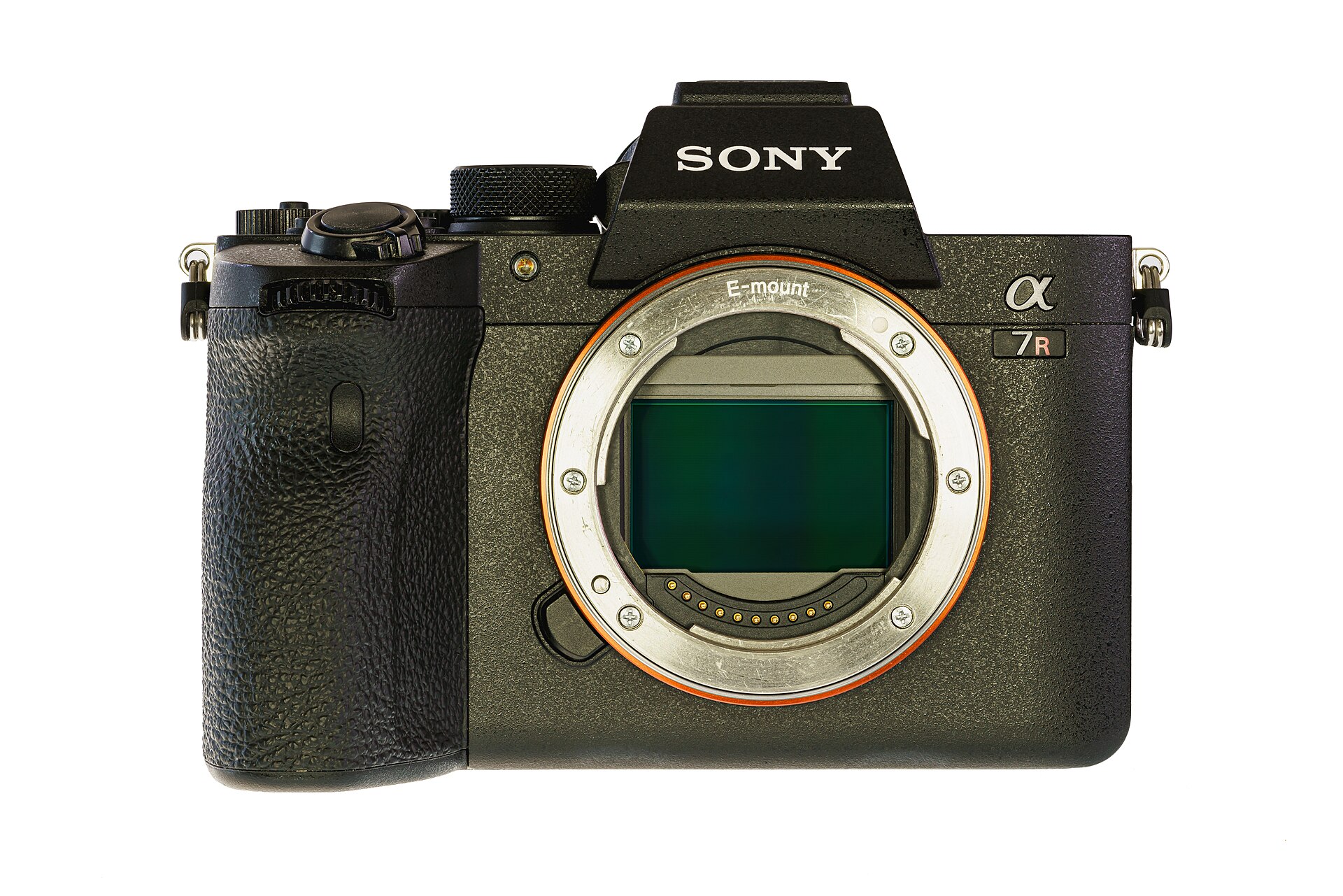
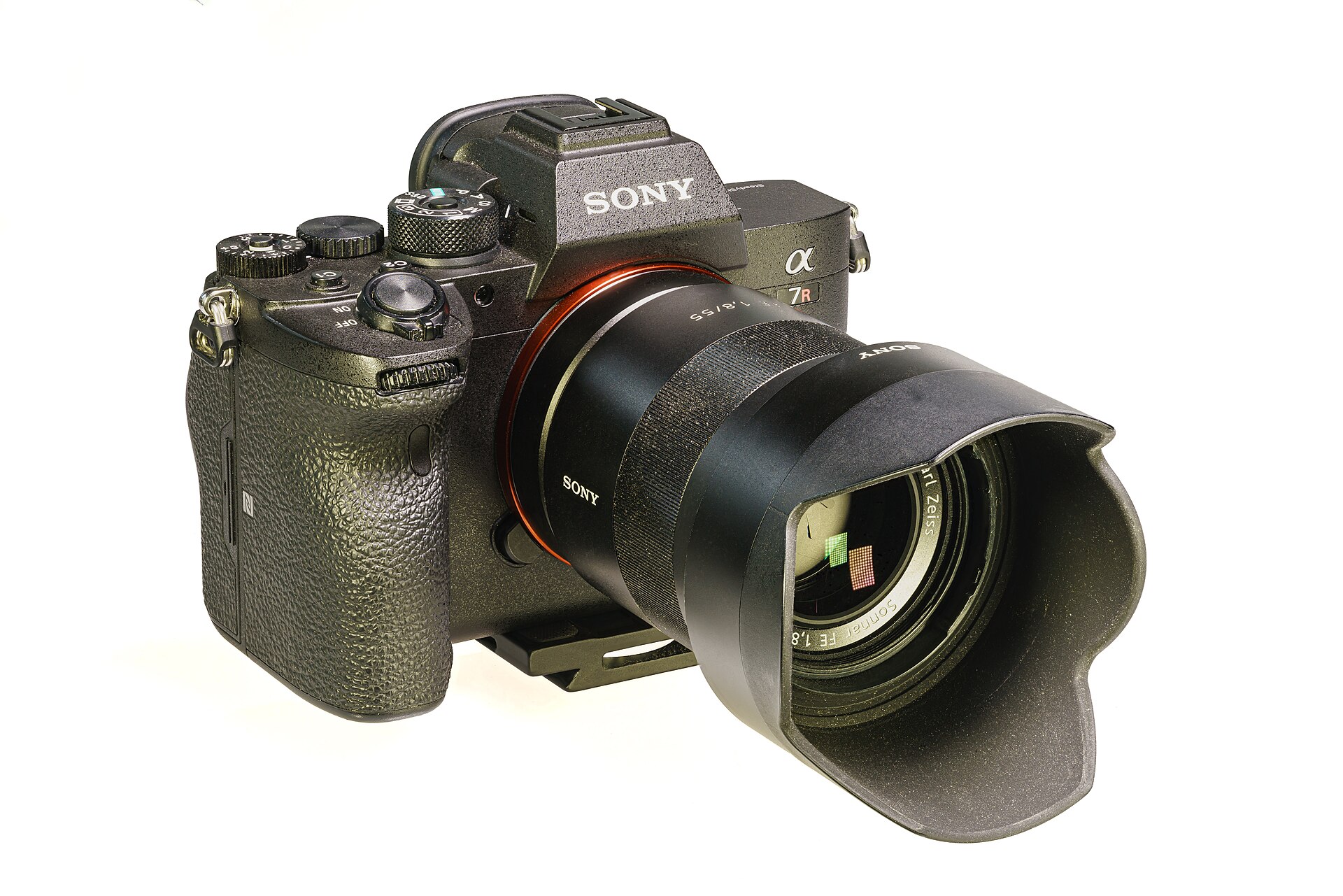
Sony has lifted the curtain on the Alpha 7R VI, the sixth generation of its high-resolution full-frame mirrorless line. Announced on May 13, 2026 and shipping in June, the a7R VI pairs a new 66.8-megapixel fully-stacked Exmor RS sensor with the BIONZ XR2 processor — the biggest step forward for the 7R series since the a7R V arrived in late 2022. Here is what changed, what it costs, and whether the upgrade makes sense for landscape, studio, and detail-obsessed shooters.
A Stacked Sensor First for the 7R Series
The headline change is the sensor. The a7R V used a 61.0-megapixel back-illuminated Exmor R CMOS chip with a conventional (non-stacked) design. The a7R VI moves to a 66.8-effective-megapixel back-illuminated, fully-stacked Exmor RS sensor — the first time Sony’s high-resolution 7R body has used a stacked architecture. Stacking places the readout circuitry directly beneath the photodiodes, dramatically shortening the path signals must travel. In practice that means far faster readout: Sony claims roughly 5.6x faster readout than the a7R V, which translates into less rolling shutter, faster bursts, and stronger video. Resolution itself climbs about 9%, from 61 to 66.8 megapixels.

Faster Readout, 30 fps Blackout-Free Bursts
That speed feeds the a7R VI’s headline performance number: continuous shooting up to approximately 30 frames per second with the electronic shutter, at full 14-bit RAW and blackout-free, with autofocus and auto-exposure tracking. The mechanical shutter tops out at 10 fps. For a camera long billed as a high-resolution landscape and studio tool, this also makes it a credible option for sports and wildlife — the autofocus system performs up to 60 AF/AE calculations per second.
Autofocus and Stabilization
Autofocus benefits from the BIONZ XR2’s integrated AI processing unit and Real-time Recognition AF+, which uses skeletal-based human pose estimation to track athletes and other fast-moving subjects more reliably. Sony claims up to 16 stops of dynamic range. The 5-axis in-body stabilization is rated at up to 8.5 stops at the center and 7.0 stops at the periphery. A new auto white balance system combines a visible-light and infrared sensor with deep-learning illumination estimation, keeping colors neutral in shade and indoor scenes.
Video: 8K 30p and 4K 120p
Video takes a meaningful jump. The a7R VI records 8K at 30p (with a roughly 1.2x crop) and 4K up to 120p uncropped, both 10-bit, with sensor-level dual gain. That 8K spec is new for the 7R series and puts the camera far closer to the video flexibility of Sony’s speed-focused bodies.
Viewfinder and Battery
The a7R VI gains a 9.44M-dot OLED electronic viewfinder with a DCI-P3 color gamut and 10-bit HDR. A new NP-SA100 battery (2,670 mAh) is rated for roughly 710 shots using the LCD or 600 via the viewfinder under CIPA conditions.

Price and Availability
The a7R VI is priced at $4,499.99 USD body-only ($5,999.99 CAD, about £4,399 in the UK), roughly $600 above the a7R V’s $3,899 launch price. It undercuts the speed-focused a1 II (about $6,498) by roughly $2,000 while offering higher resolution and a similar feature set. It ships in June 2026.
a7R VI vs a7R V at a Glance
| Spec | Sony a7R V | Sony a7R VI |
|---|---|---|
| Sensor | 61.0MP BSI Exmor R (non-stacked) | 66.8MP stacked BSI Exmor RS |
| Processor | BIONZ XR | BIONZ XR2 (with AI) |
| Burst (e-shutter) | 10 fps | 30 fps, 14-bit RAW, blackout-free |
| Video | 8K 24p / 4K 60p | 8K 30p / 4K 120p, 10-bit |
| IBIS | 8.0 stops | 8.5 stops (center) |
| Body-only price | $3,899 (launch) | $4,499.99 |
Conclusion
The Sony a7R VI is the most substantial update the high-resolution Alpha line has received in years. The move to a stacked 66.8MP sensor closes the gap between the 7R series and Sony’s speed flagships, turning a specialist landscape-and-studio body into a genuinely versatile camera that can shoot 30 fps bursts and 8K video while still delivering class-leading resolution. If you need the most megapixels in a full-frame mirrorless and want the speed to match, the a7R VI is the camera to beat in 2026.
FAQ
How many megapixels is the Sony a7R VI?
The a7R VI has approximately 66.8 effective megapixels, up from 61.0MP on the a7R V.
When does the Sony a7R VI release, and how much does it cost?
It ships in June 2026 at $4,499.99 USD body-only ($5,999.99 CAD, about £4,399 in the UK).
Is the Sony a7R VI good for video?
Yes — it records 8K 30p and 4K 120p, both 10-bit, with sensor-level dual gain, making it Sony’s most video-capable 7R-series body.
Should I upgrade from the Sony a7R V?
If you shoot fast action, video, or want noticeably faster readout and blackout-free 30 fps bursts, the stacked sensor is a compelling reason. Pure still-image resolution gains are modest (61MP to 66.8MP), so landscape shooters happy with the a7R V may feel less urgency.
Related Posts
Samsung ISOCELL HP5: World’s First 200MP Sensor with 0.5µm Pixels
Samsung has taken the megapixel race in a new direction.…
Sony LYT-901: The First 200MP Smartphone Sensor with Built-in AI
Sony has officially entered the 200-megapixel race. On November 27,…
Sigma 16-300mm f/3.5-6.7 DC OS: The World’s First 18.8x Zoom for APS-C
Sigma has pushed the all-in-one superzoom further than ever before.…