Street photography is one of the most accessible genres in the craft. It needs no studio, no lighting rig, and no planning — just a camera, a walk, and the patience to notice the small dramas unfolding on every corner. Yet for something so simple, it is also one of the hardest genres to do well. In this guide we’ll cover what street photography actually is, the settings and gear that make it easier, the techniques that turn a snapshot into a story, and the ethics of photographing people you’ve never met.

What Is Street Photography?
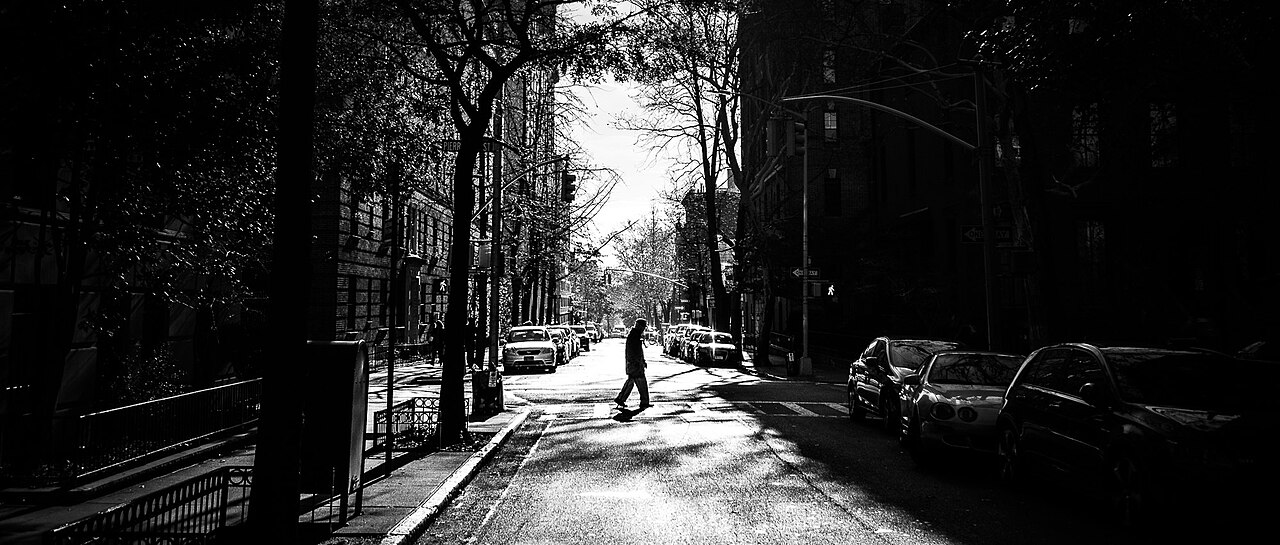
Street photography is candid, unposed photography made in public spaces. The subject is ordinary life: commuters crossing a junction, a vendor arranging produce, a child chasing pigeons, light raking across a building facade. Unlike portraiture, the people in the frame are usually unaware of the camera. Unlike photojournalism, there is no news event driving the image — the “moment” itself is the story.
The best street photographs find order inside chaos. A gesture, a reflection, a coincidence of two strangers walking past a poster — these fleeting alignments are what the genre is really about. It is a way of training yourself to see, and the camera is almost secondary to that habit of attention.
The Best Camera Settings for Street Photography
Street scenes change in fractions of a second, so your settings should remove as much friction as possible and let you react instantly.
- Shoot in aperture priority (A or Av) with a mid-range aperture. Around f/8 gives enough depth of field that you can pre-focus and react without waiting for autofocus to hunt.
- Use zone focusing. Set manual focus to a fixed distance — around 3 m (10 ft) is common — and at f/8 on a 35mm lens almost everything from roughly 2 m to the far distance falls acceptably sharp. You then shoot without ever touching focus.
- Keep the shutter speed up. At least 1/250s freezes walking motion; push higher for running subjects or moving vehicles. Pair this with auto ISO capped at a sensible ceiling (6400 or so), so the camera protects the shutter speed while you think about the frame.
- Turn on the silent or electronic shutter if your camera has one. Quiet is a courtesy, but it also keeps people from turning around the moment you press the button.
- Choose a focus mode that suits your style. Continuous AF with eye detection helps for moving subjects, while single-point AF suits slower, more deliberate composition.
Choosing the Right Gear
Street photography rewards small, quiet, unthreatening cameras. A compact APS-C body like the Fujifilm X100VI — with its fixed 23mm f/2 lens (a 35mm full-frame equivalent) and classic dials — has become a favourite precisely because it looks like a film camera rather than a piece of pro equipment. The Ricoh GR III takes the idea further: pocket-sized, a 28mm equivalent lens, and nearly silent. For full-frame shooters, a compact body such as the Sony a7C line paired with a small 35mm or 50mm prime delivers excellent image quality in a low-profile package.
A prime between 28mm and 50mm equivalent is the classic street range. Zooms work fine, but a prime is smaller, faster, and forces you to move your feet — which is where most good street photographs come from.
Composition and Technique Tips
- Work the light before you chase the subject. Strong directional light and long shadows give flat scenes shape. Find a patch of good light and wait for someone to walk through it.
- Build layers. Look for foreground, midground, and background — a person passing behind a window display, another crossing in front — so the frame has depth rather than a single flat subject.
- Find a backdrop and wait. Pick an interesting wall, sign, or shadow and let the scene come to you. A subject entering a prepared frame almost always beats chasing one down the street.
- Anticipate the moment. Watch footsteps, hand gestures, and where people are looking. The best frames happen just before the obvious peak, not after it.
- Shoot from the hip or waist level when you want to stay unobtrusive, and accept that your hit rate will be lower — the point is candidness, not perfection.
- Shoot a lot, edit ruthlessly. A strong street portfolio is built from a huge volume of attempts and a very small number of keepers.

The Ethics and Legalities of Photographing Strangers
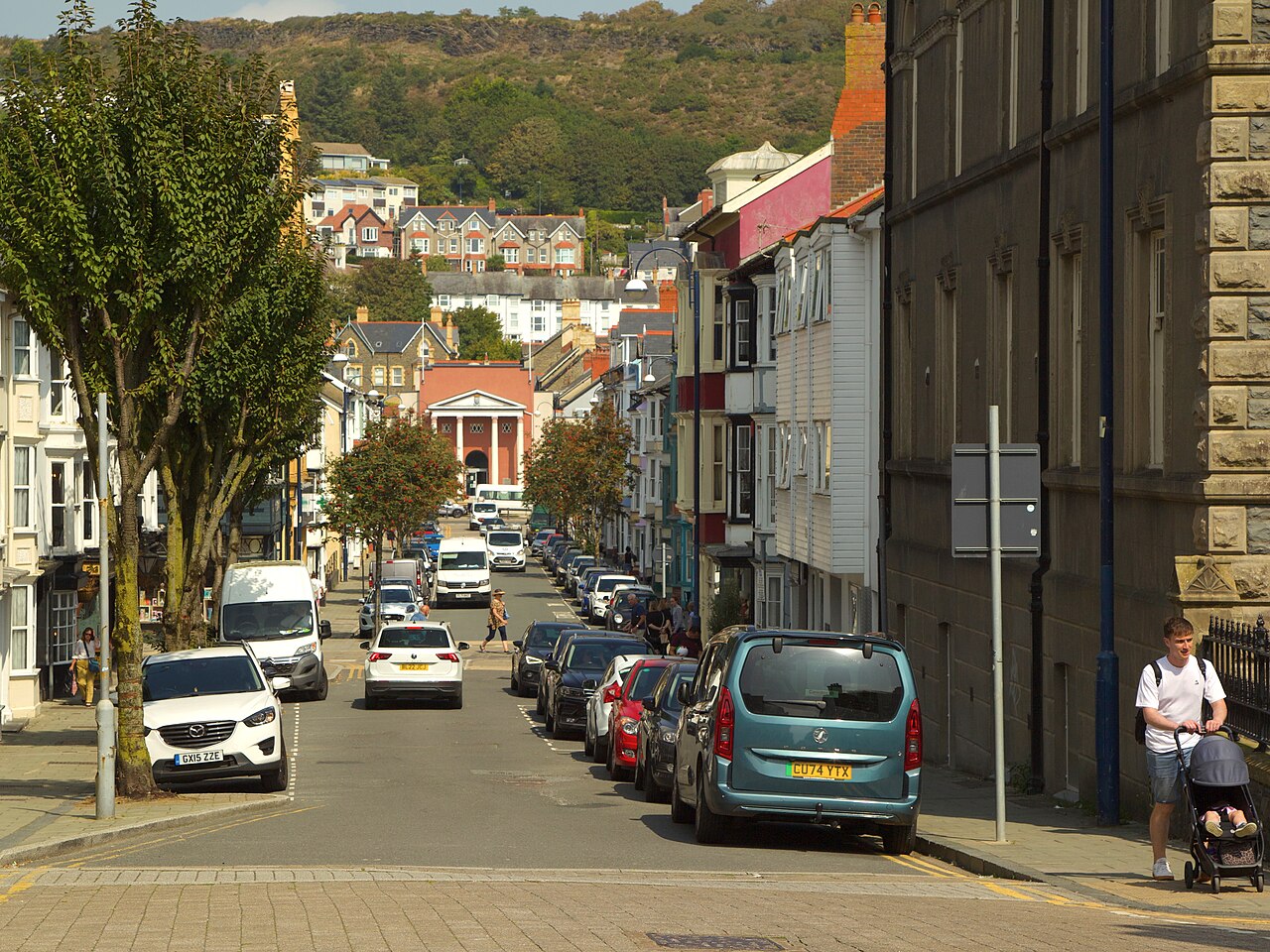
In most countries it is legal to photograph people in public spaces where they have no reasonable expectation of privacy, but laws do vary — and legality is not the same as courtesy. Smile if you’re noticed, don’t chase or stalk a subject, and if someone asks you to delete a photo, do it without argument. Street photography works best as a quiet act of observation, not a confrontation. Respect the people who make the photographs possible.
Conclusion
Street photography is less about expensive gear than about a way of looking. Set your camera so it never gets in your way, carry something small enough to keep with you, and practise the habit of noticing light, gesture, and coincidence. The city is full of pictures — you just have to be there, camera ready, when one of them happens.
FAQ
Is street photography legal?
In most countries, yes — people in public places generally have no reasonable expectation of privacy. Laws differ by country, so check local rules if you are travelling, and always respect private property and requests to stop.
What is the best lens for street photography?
A fast prime between 28mm and 50mm full-frame equivalent is the classic choice. It is compact, unobtrusive, and encourages you to move closer to your subject.
Do I need permission to photograph strangers?
For candid street photography in public spaces, usually not. If you plan to sell an image commercially as a portrait, or publish it where a person is identifiable in a commercial context, a model release may be needed — rules vary by region and use.
Should I use a prime or a zoom for street photography?
Start with a prime. It is smaller and less conspicuous, and learning to “zoom with your feet” builds the instincts that make strong street photographs.
Related Posts
Aperture and Depth of Field Explained: A Complete Beginner’s Guide
Aperture is one of the three pillars of the exposure…
Exposure Modes Explained: P, A (Av), S (Tv), and M — When to Use Each
Look at the top of any modern camera and you'll…
White Balance Explained: A Beginner’s Guide to Accurate Color
Every photographer has taken a photo that came out too…